


X Report 29 Nov 2024
SpaceX advances Starship development while planning future replacements for Falcon and Dragon.



Launch Date
May 10, 1999
Launch Site
TAISC
Launch Pad
LC7
Launch Vehicle
Chang Zheng 4B
NORAD ID
31614
International Designator
1999-025BZU
Epoch
Tue, 24 Mar 2026 12:35:33 GMT
Apogee
Calculating...
Perigee
Calculating...
Inclination
98.95°
Right Ascension
12.15°
Eccentricity
Calculating...
Argument of Perigee
88.06°
Period
93.40 min
Mean Motion
15.42 rev/day
Latitude
Calculating...
Longitude
Calculating...
Altitude
Calculating...
Velocity
Calculating...
Name
FENGYUN 1C DEB
Alternative Name
deb FY-1C
Type
Status
Owner
CASC
Country
China
Constellation
N/A
Related Satellites
Major Events
N/A
1 31614U 99025BZU 26083.52469124 .00624584 00000-0 13628-1 0 9992
2 31614 98.9543 12.1480 0013555 88.0634 272.2160 15.41711079979695
Source: Celestrak
Length
0
Diameter
0
Span
0
Dry Mass
0
Launch Mass
0
Shape
N/A
Radar Cross Section
0.0074
Visual Magnitude
Unknown
Color
Unknown
Material Composition
Unknown
Payload
Unknown
Purpose
Unknown
Mission
Unknown
Manufacturer
Unknown
Life Expectancy
Unknown
Bus
Unknown
Configuration
Unknown
Motor
Unknown
Equipment
Unknown
Power System
Unknown
ADCS
Unknown
Transmitter Frequency
Unknown
Learn more about satellites and other related topics.
SpaceX advances Starship development while planning future replacements for Falcon and Dragon.
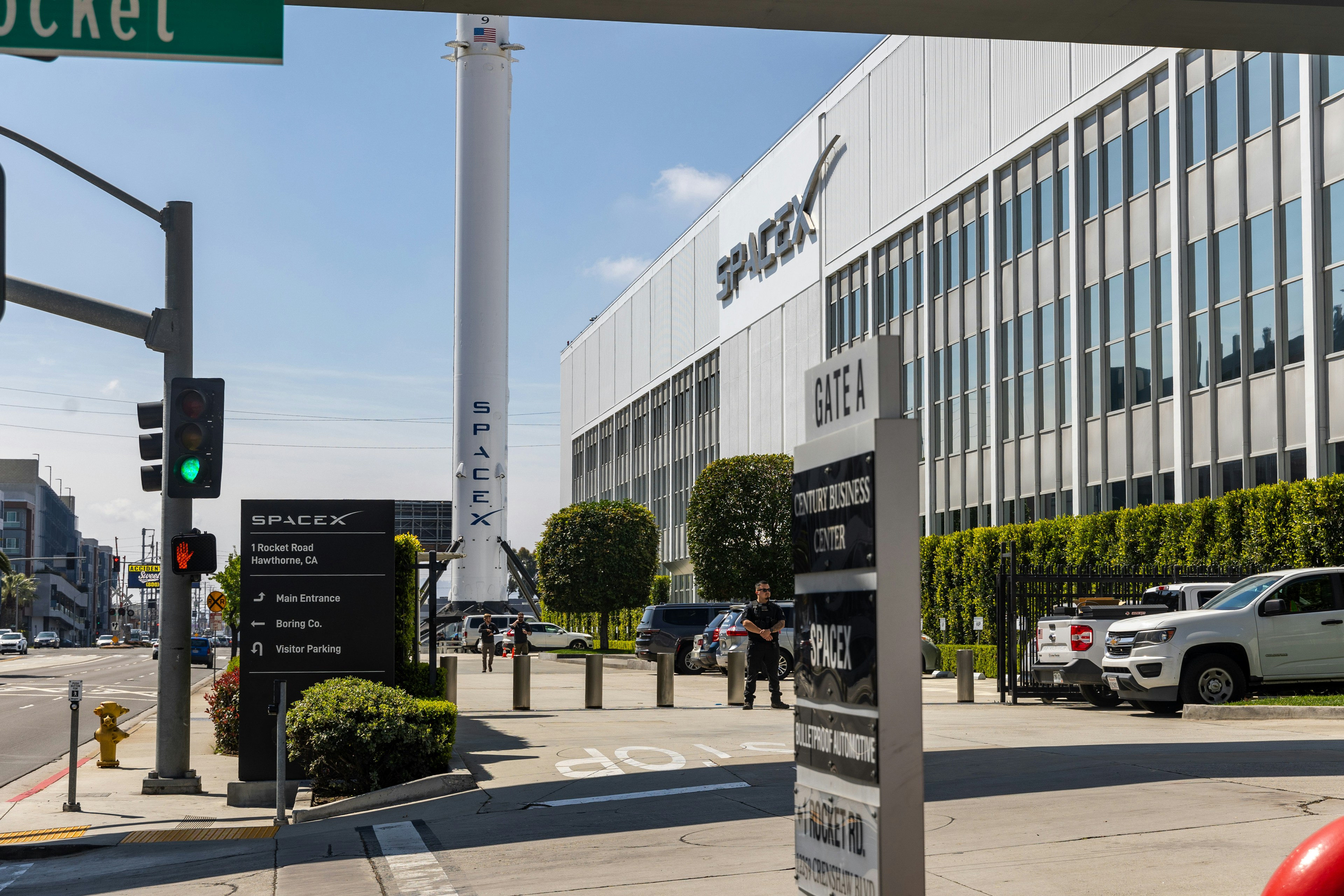
How many Starlink satellites are in orbit in 2026? SpaceX passed 10,000 after the Starlink 17-24 launch, with 10,020 in orbit and 11,529 launched.
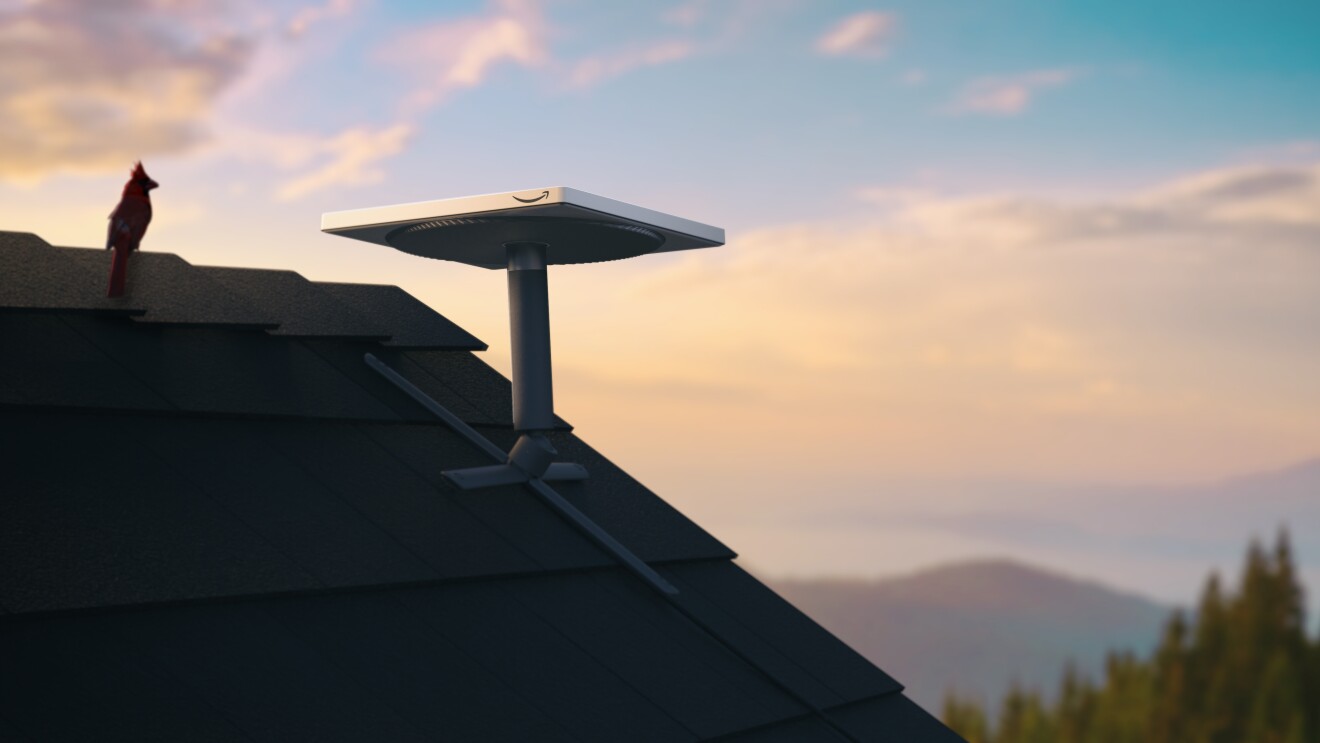
Explore today's key space events including China's satellite launch, ULA's Vulcan rocket preparations, significant budget bills from Congress, and discussions on lunar business prospects.
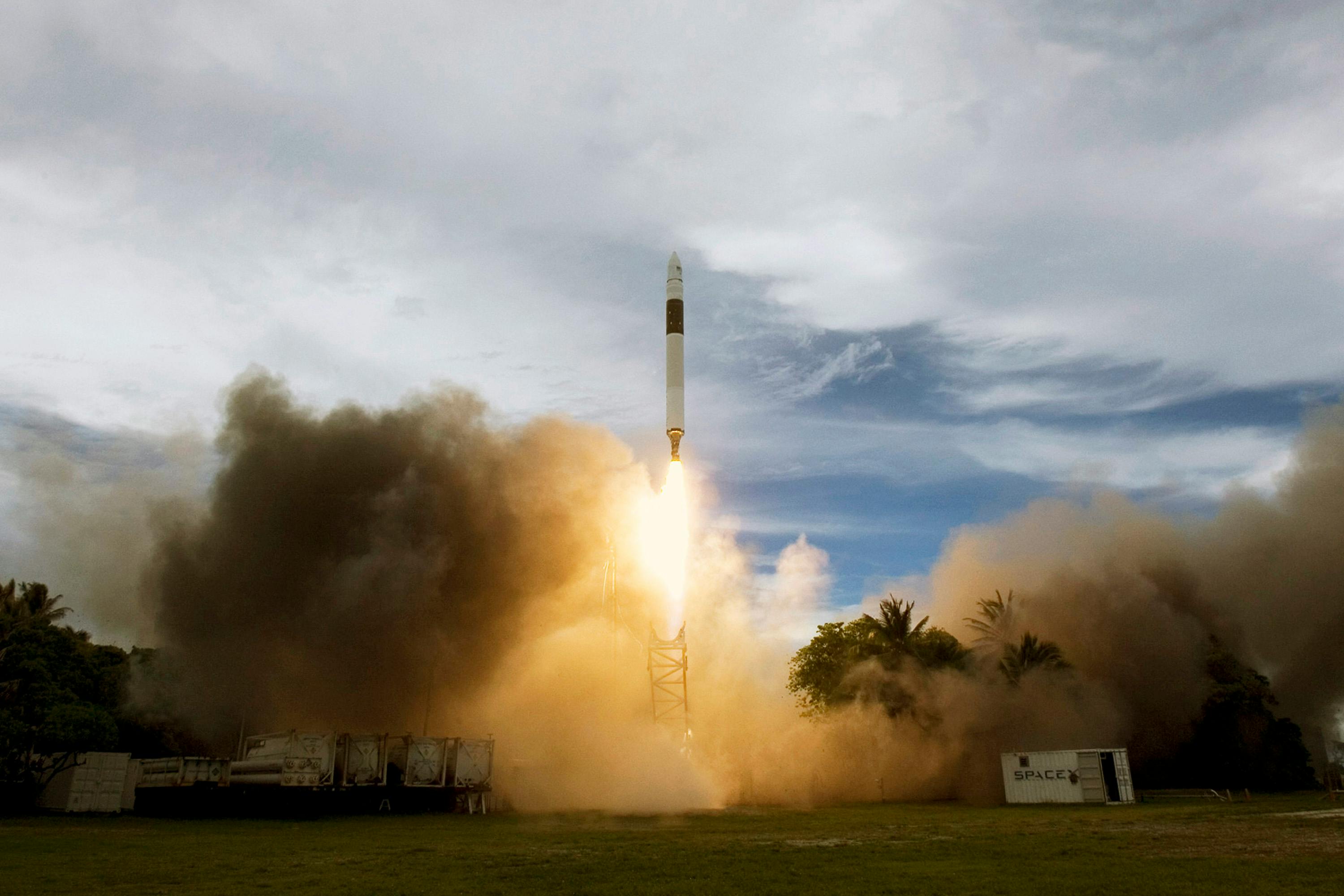
SpaceX successfully launched 28 Starlink satellites while EchoStar enhances its stake in the company through a $2.6 billion spectrum deal, amid growing demands for space domain awareness.
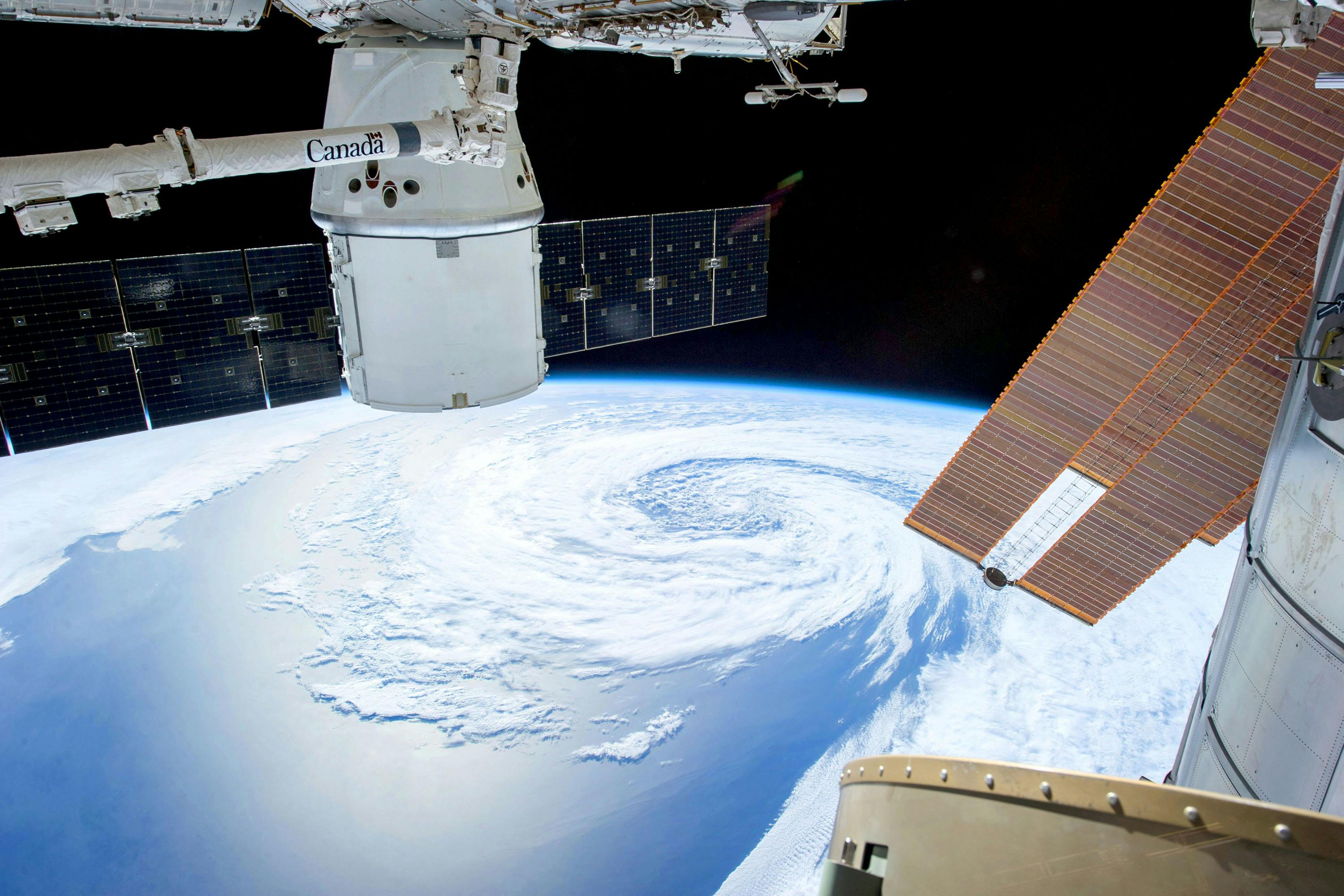
Critical updates from SpaceX include a scrubbed satellite launch and a busy launch schedule for the week, featuring multiple Falcon 9 missions.
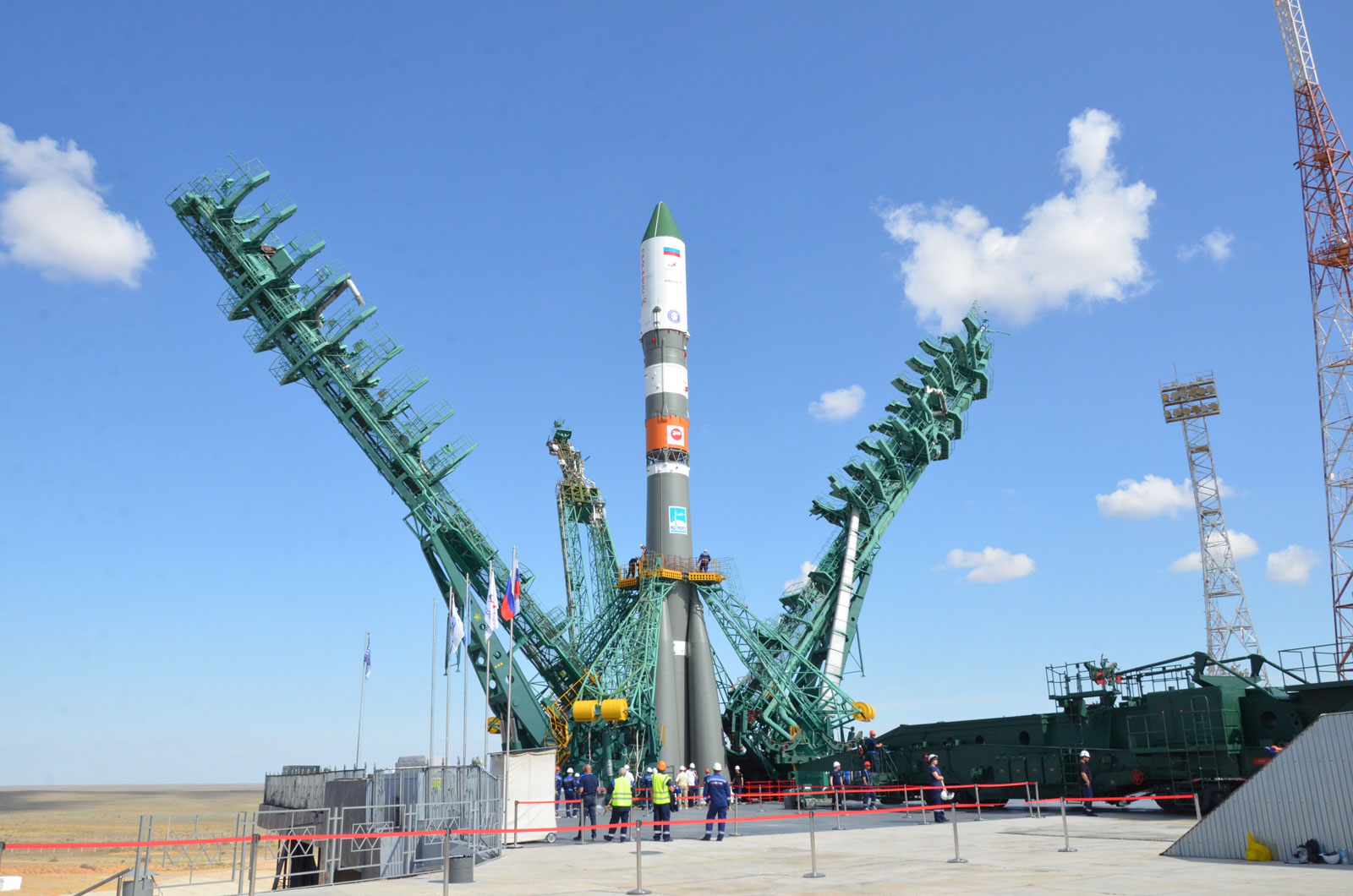
Northrop Grumman takes $71M charge over Vulcan solid rocket booster anomaly, grounding ULA's vehicle. Vulcan manifest timelines now in holding pattern pending resolution.
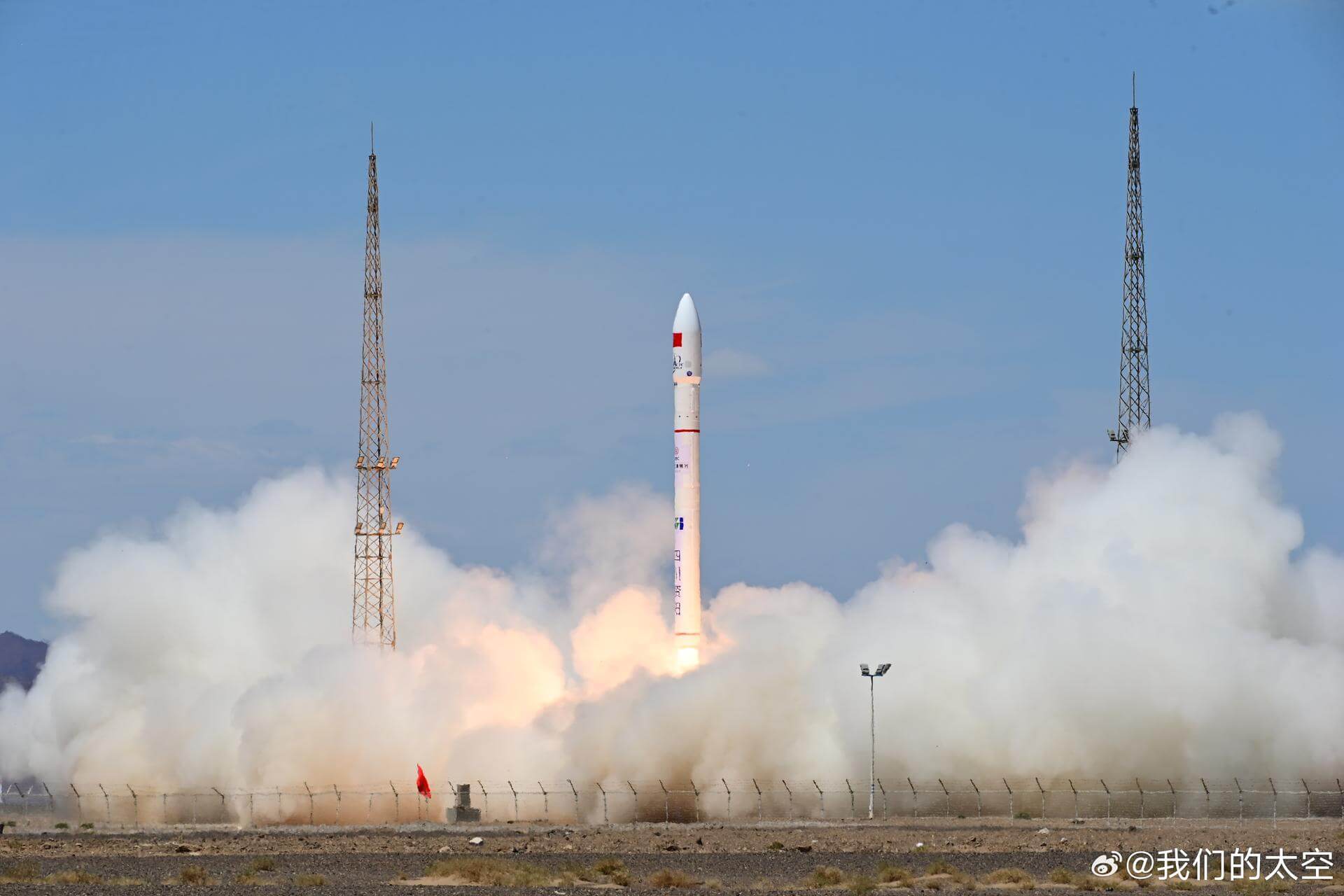
Today's space brief highlights intriguing military satellite developments, new space launch strategies to counteract observation threats, and potential European defense industry advancements.
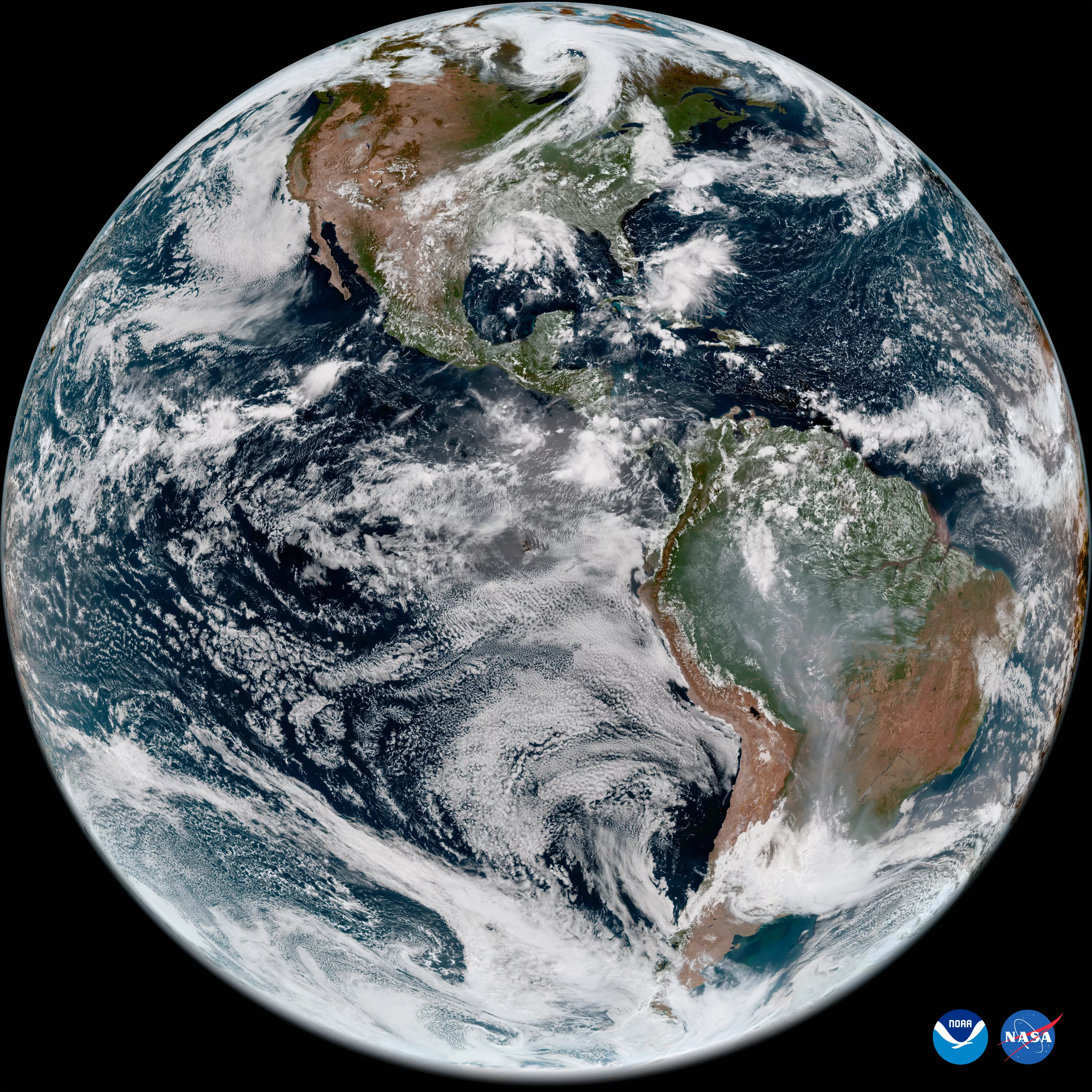
The final satellite in a multi-billion-dollar program that learned its hardest lesson from a clogged pipe. GOES-19 is now NOAA's eyes on every Atlantic hurricane - and it's already found dozens of comets no one was looking for.