

X Report 11 Apr 2025
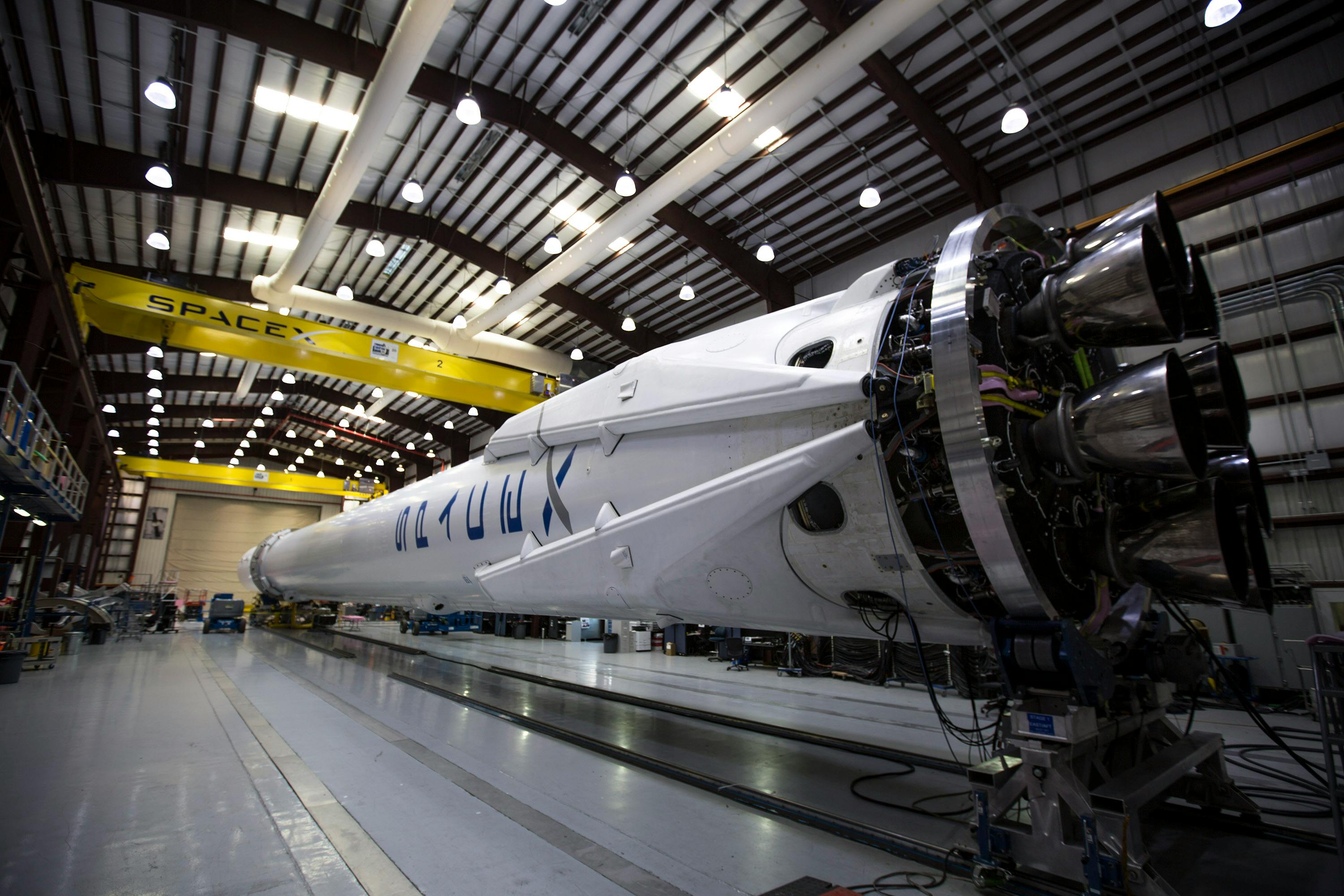
SpaceX postpones a Starlink launch, Bell Canada targets Starlink subsidies, and questions around Elon Musk's involvement in a NASA appointment arise.



Launch Date
October 14, 1999
Launch Site
TAISC
Launch Pad
LC7
Launch Vehicle
Chang Zheng 4B
NORAD ID
31587
International Designator
1999-057PJ
Decay Date
8/6/2017
Name
CBERS 1 DEB
Alternative Name
deb ZY-1 01
Type
Status
Owner
CNSA
Country
China
Constellation
N/A
Related Satellites
Major Events
N/A
Length
0
Diameter
0
Span
0
Dry Mass
0
Launch Mass
0
Shape
N/A
Radar Cross Section
0.0148
Visual Magnitude
Unknown
Color
Unknown
Material Composition
Unknown
Payload
Unknown
Purpose
Unknown
Mission
Unknown
Manufacturer
Unknown
Life Expectancy
Unknown
Bus
Unknown
Configuration
Unknown
Motor
Unknown
Equipment
Unknown
Power System
Unknown
ADCS
Unknown
Transmitter Frequency
Unknown
Learn more about satellites and other related topics.
SpaceX postpones a Starlink launch, Bell Canada targets Starlink subsidies, and questions around Elon Musk's involvement in a NASA appointment arise.
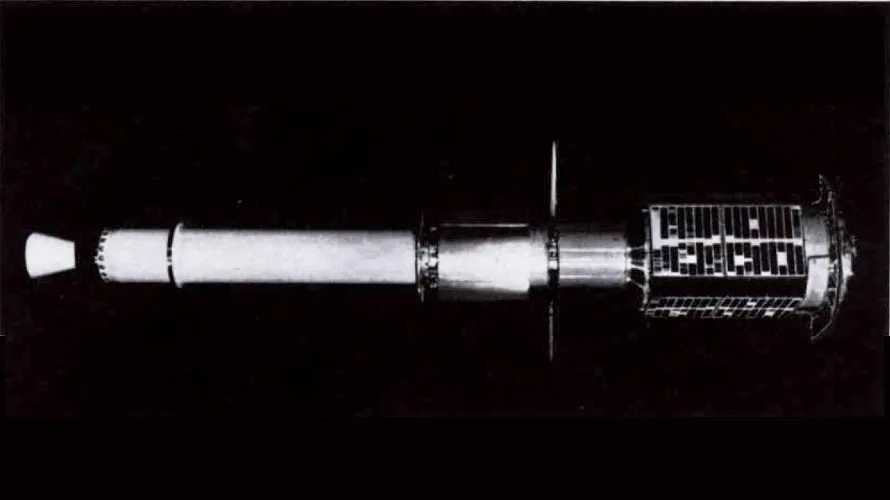
On April 27, 1961, a Scout rocket lifted a 37-kilogram NASA satellite into orbit from Wallops Island carrying the first serious instrument for detecting cosmic gamma rays. Explorer 11 operated for seven months before its tape recorder failed. In that time it registered 22 gamma-ray photons - a pitiful number by modern standards, but enough to launch an entire branch of astronomy.

Today's Space Brief covers a significant signals intelligence launch, a record-breaking satellite deployment in China, a glimpse into the newest stealth drone, a potential delay for NASA's lunar lander, and more exciting updates from satellite world.
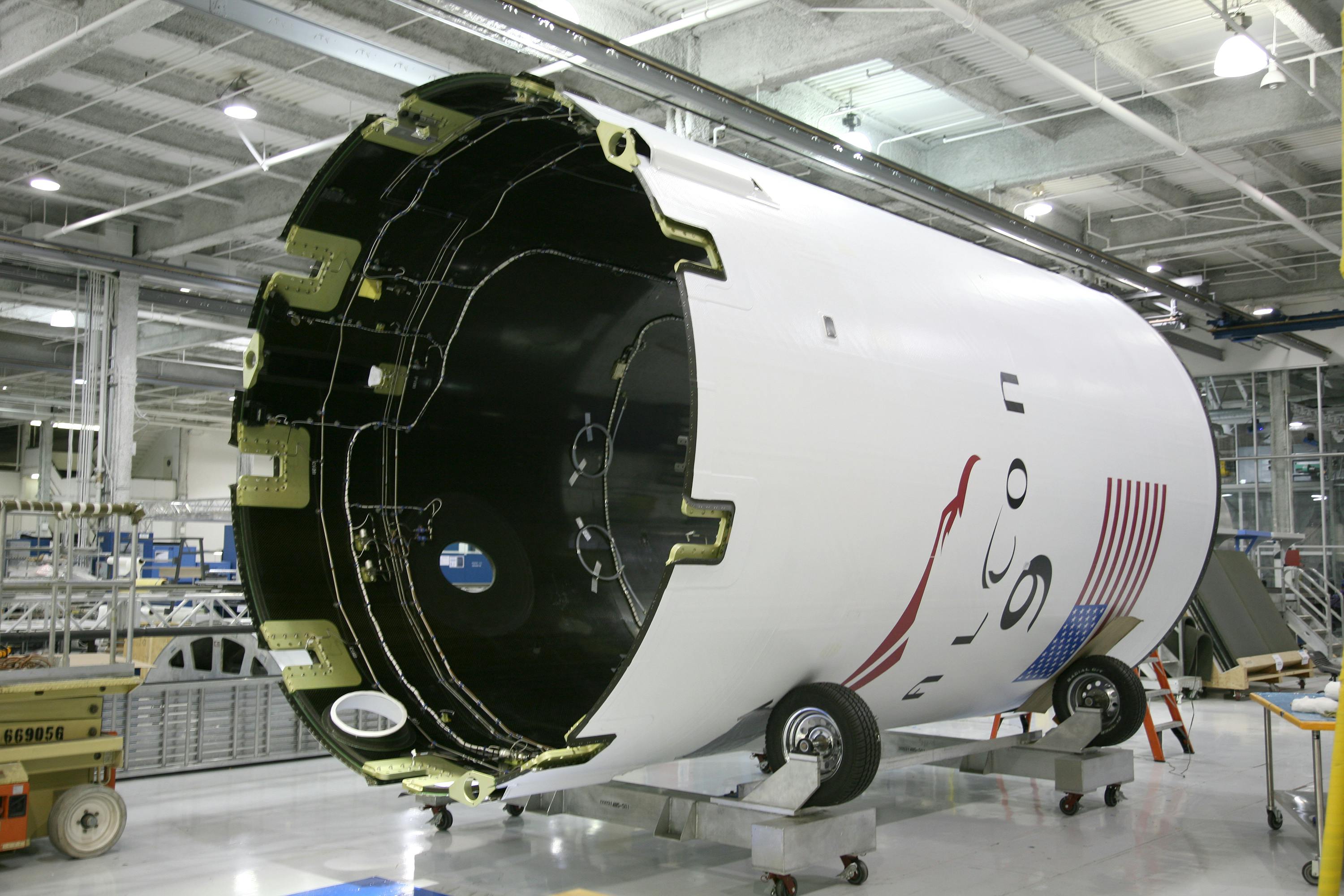
SpaceX prepares for a monumental sixth Starship test flight while achieving a historic Falcon 9 booster landing. Meanwhile, a Starlink satellite lights up the night sky as it reenters Earth's atmosphere.
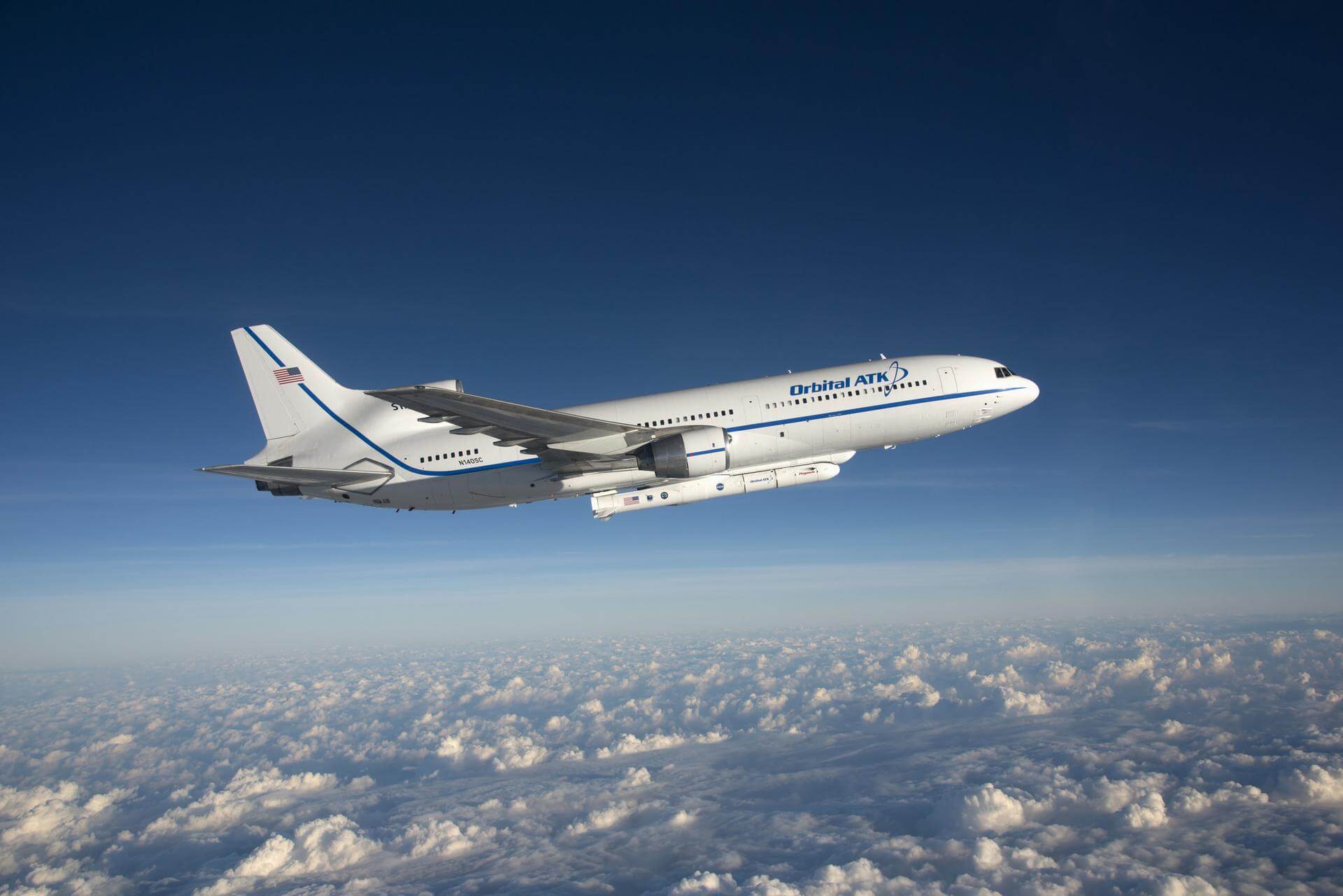
ULA launched Atlas 5 551 configuration for final time on July 1, deploying Amazon Kuiper broadband satellites. New Glenn pad rebuild underway at LC-36 after May explosion.
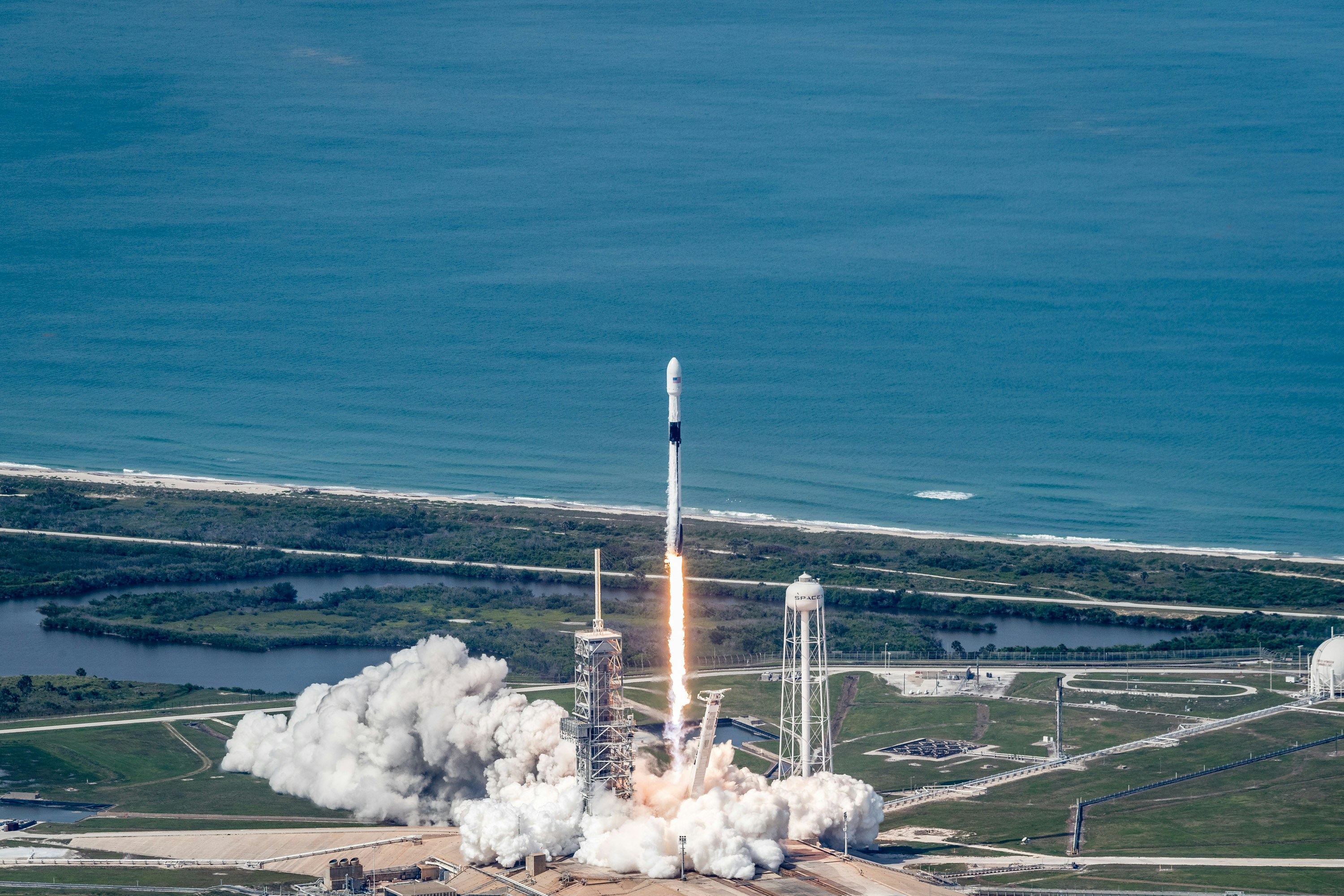
SpaceX continues to make strides in satellite deployment with a successful launch. The European Space Agency's new satellite enhances global atmospheric forecasting, showcasing the expanding role of launches in improving environmental monitoring.

Blue Origin lost New Glenn during static fire testing at Launch Complex 36. Vehicle sustained serious damage in anomaly. NASA Artemis timeline impacts possible.

Today's brief covers Blue Origin’s new defense launch contracts, the ISS launch of a Navy SEAL astronaut, Sierra Space’s GPS security advancements for the U.S. Space Force, and the Space Force's 'Orbital Watch' initiative.