

X Report 11 Nov 2025
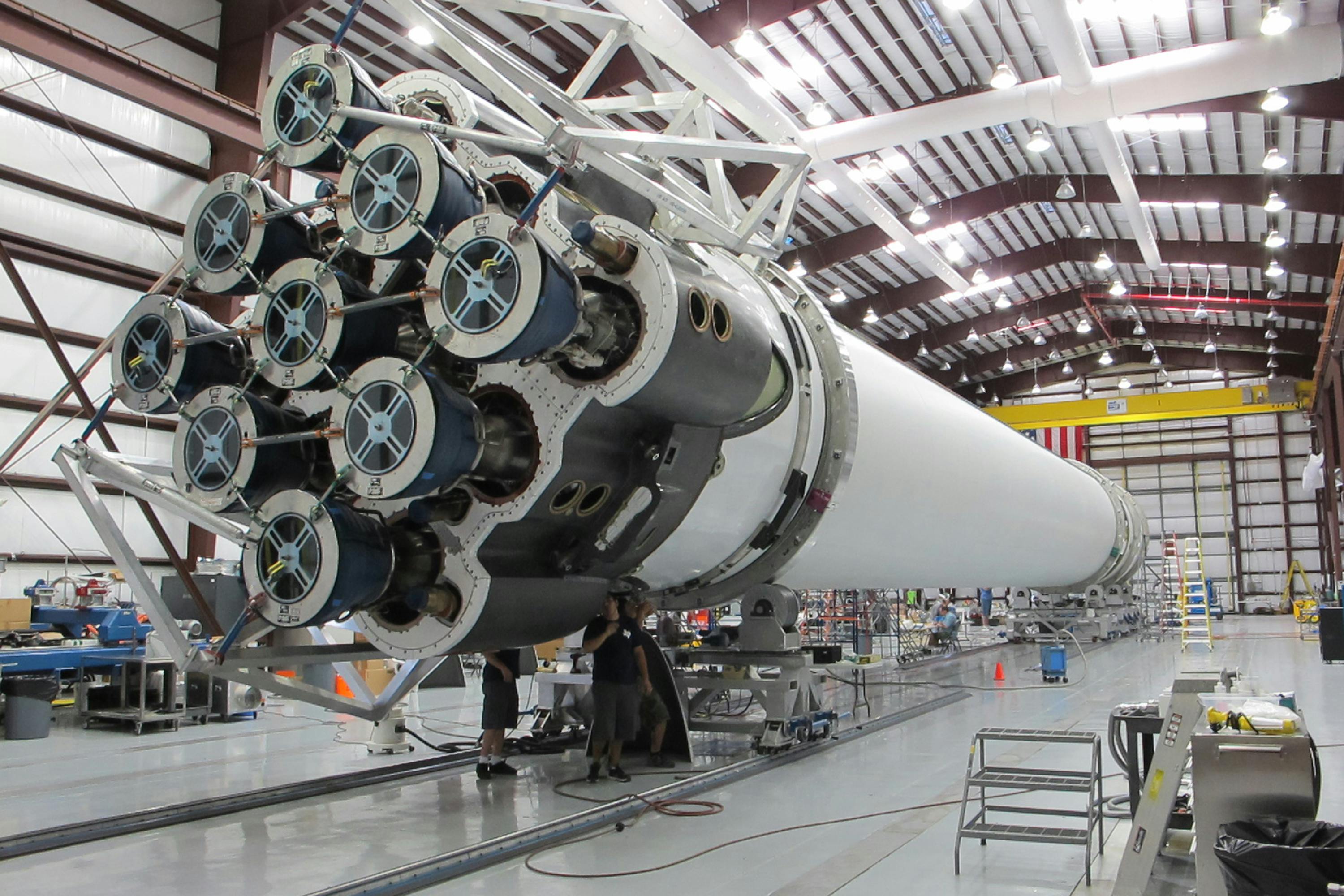
SpaceX continues to dominate the space launch market with a new Starlink mission, breaking Florida's annual launch record. The latest batch of satellites enhances global broadband coverage.



Launch Date
November 4, 1994
Launch Site
Launch Pad
LC45/1
Launch Vehicle
Zenit-2
NORAD ID
31580
International Designator
1994-074J
Decay Date
12/23/2011
Name
RESURS O1 DEB
Alternative Name
deb Resurs-O1
Type
Status
Owner
RGMS
Country
Russia
Constellation
N/A
Related Satellites
Major Events
N/A
Length
0
Diameter
0
Span
0
Dry Mass
0
Launch Mass
0
Shape
N/A
Radar Cross Section
0.0073
Visual Magnitude
Unknown
Color
Unknown
Material Composition
Unknown
Payload
Unknown
Purpose
Unknown
Mission
Unknown
Manufacturer
Unknown
Life Expectancy
Unknown
Bus
Unknown
Configuration
Unknown
Motor
Unknown
Equipment
Unknown
Power System
Unknown
ADCS
Unknown
Transmitter Frequency
Unknown
Learn more about satellites and other related topics.
SpaceX continues to dominate the space launch market with a new Starlink mission, breaking Florida's annual launch record. The latest batch of satellites enhances global broadband coverage.

Today's brief covers the U.S. Space Force's orbital carrier initiative, ULA Vulcan's approval for military launches, Rocket Lab's new contract with the Space Force, integrated data layers for military command, and advances in tactical surveillance.

Today's brief highlights Umbra Space's contract extension with the NRO, Trump's Space Force ambitions, FibreCoat's new funding targeting defense markets, and key US defense sentiments. Explore notable military and commercial satellite activities.
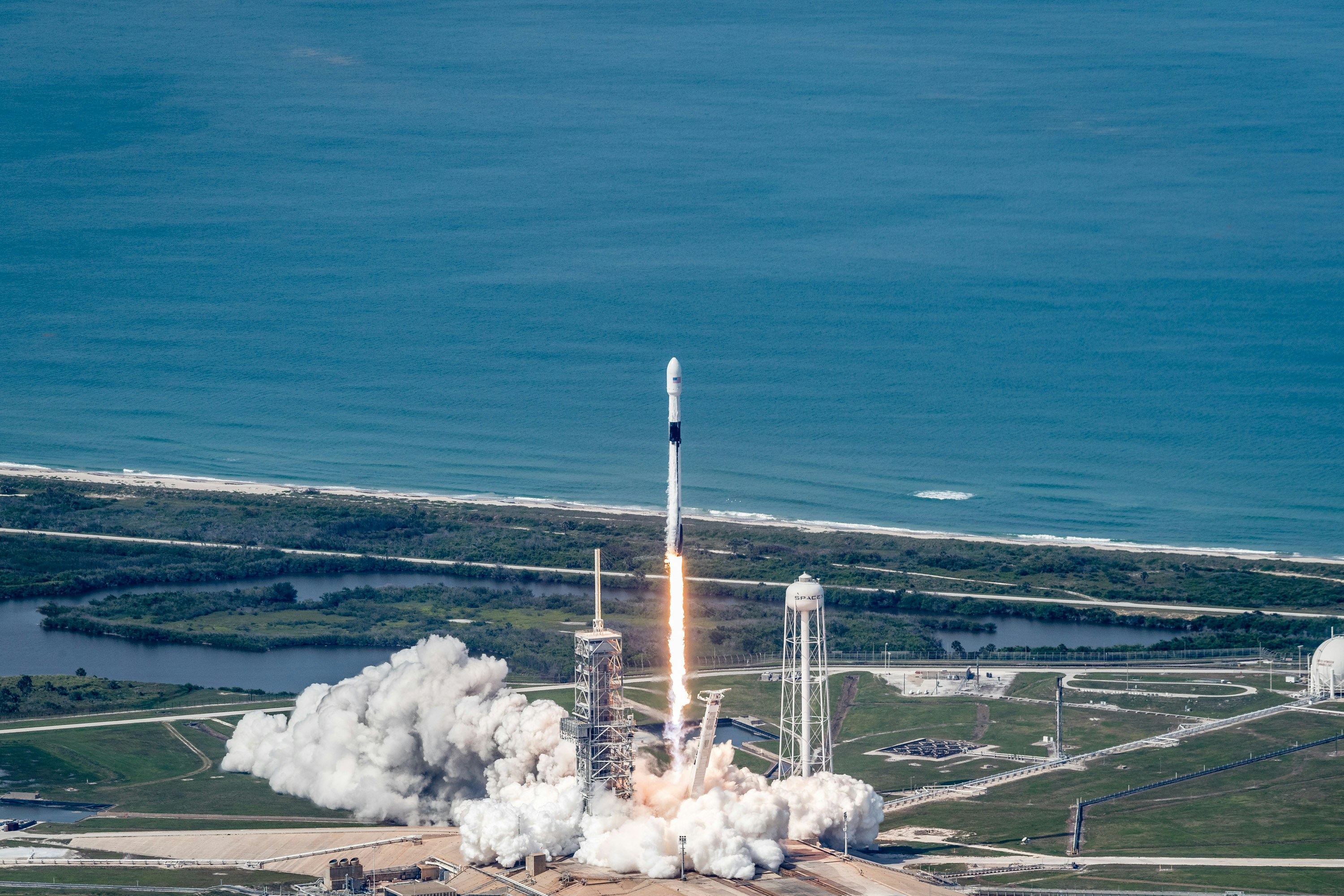
SpaceX reportedly eyes a confidential March IPO filing that could value the company at $1.75 trillion. Dual Falcon 9 launches deploy 54 Starlink satellites, pushing total on-orbit past 9,900.

Space Force awards Pulse Space $40 million to develop laser systems for transmitting power and data between spacecraft in orbit. Game-changing on-orbit energy transfer capability.

How a controversial telescope network has become a significant player in tracking the increasingly crowded orbital environment, raising important questions about transparency, dual-use technologies, and the future of space situational awareness.
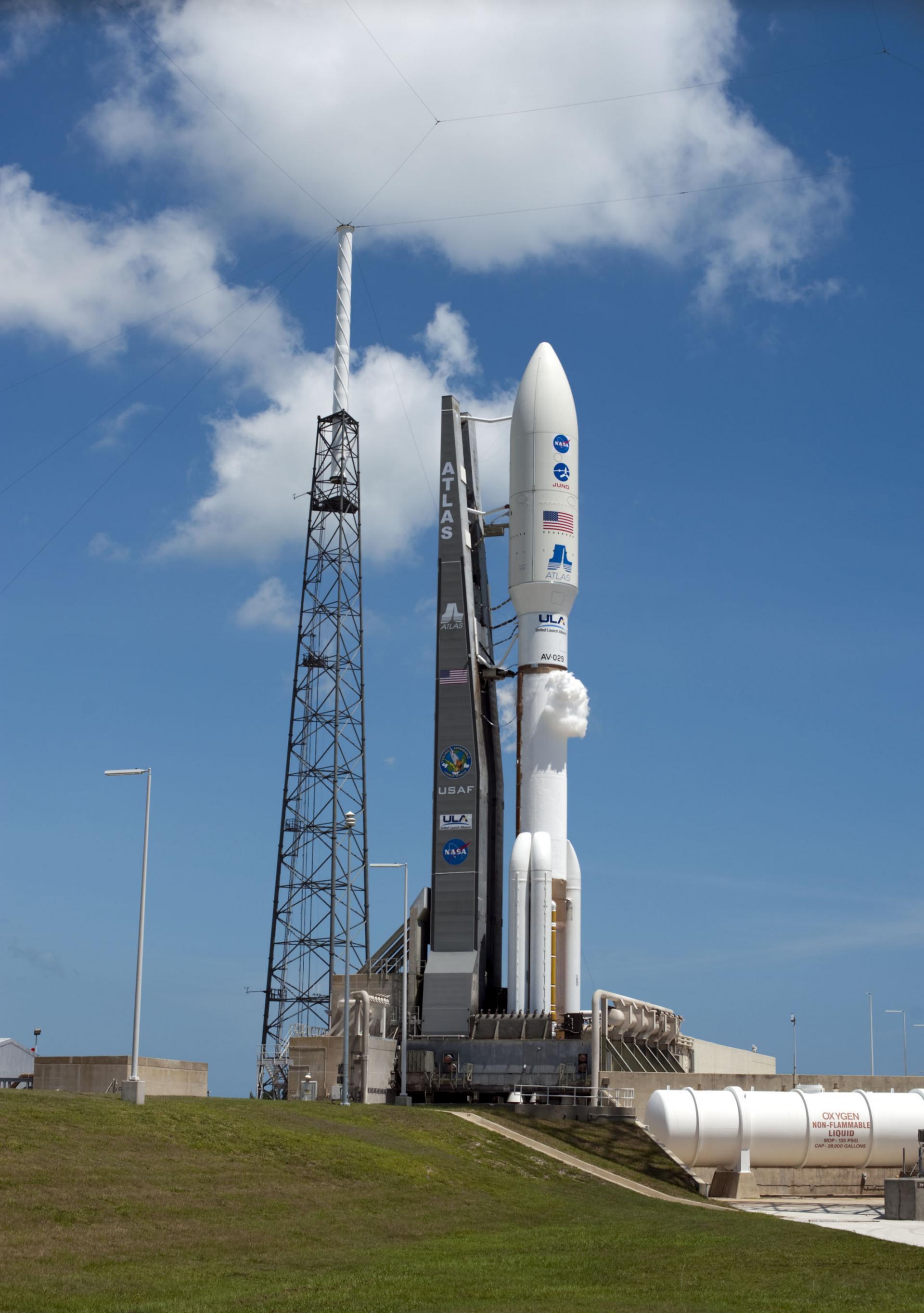
Today's brief covers SpaceX's potential government contract, the future of US Space Command headquarters, an auction record for Neil Armstrong's watch, and the volcanic history of Mars.

As the largest and most powerful rocket ever built, it's designed for full reusability and rapid launch turnaround. SpaceX claims it could carry over 100 tons to low Earth orbit at a fraction of current costs.