


X Report 25 May 2025
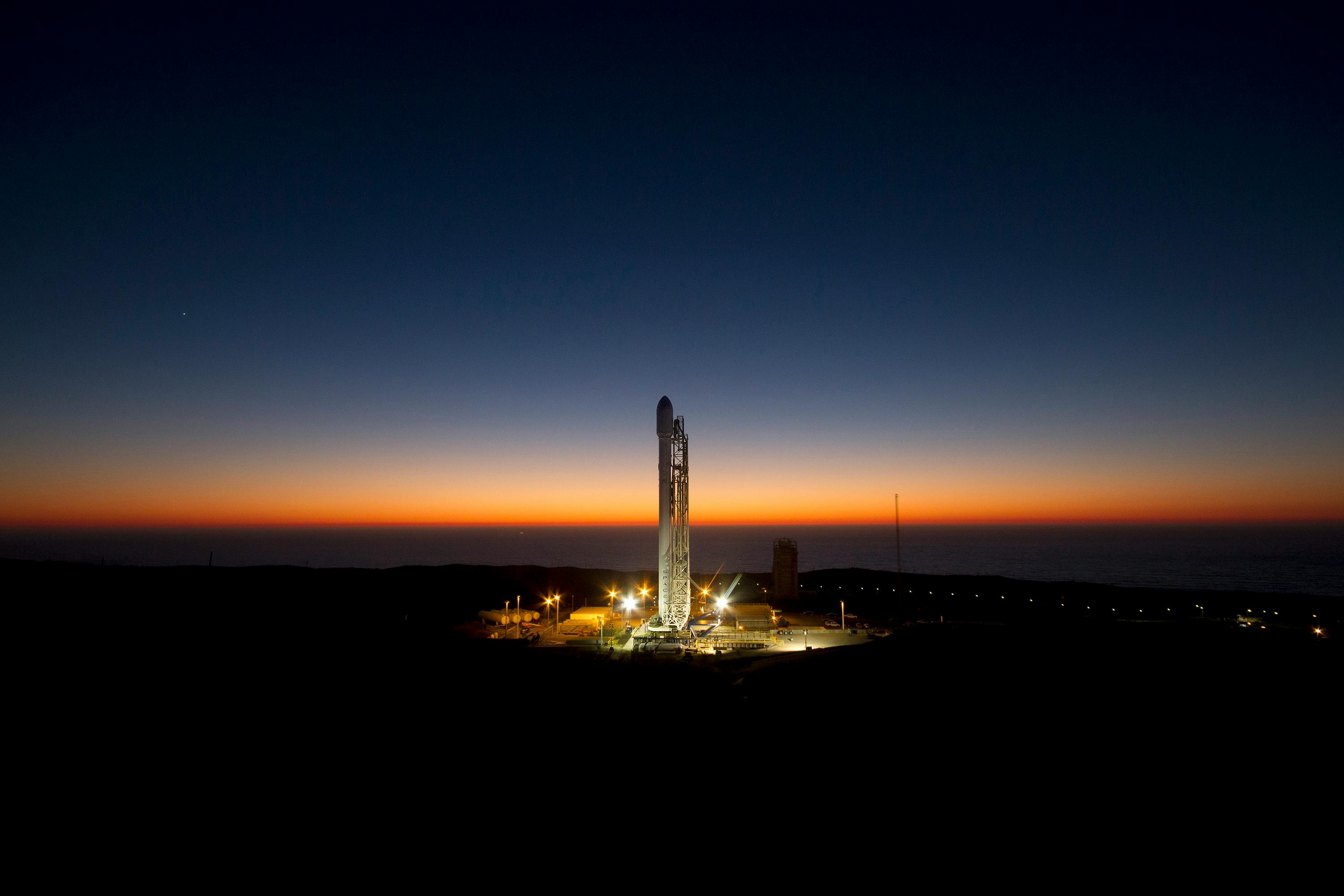
SpaceX addresses the cause of its recent Starship Flight 8 explosion, while successfully launching 23 more Starlink satellites as it continues to expand its constellation.



Launch Date
May 10, 1999
Launch Site
TAISC
Launch Pad
LC7
Launch Vehicle
Chang Zheng 4B
NORAD ID
31534
International Designator
1999-025BXZ
Epoch
Thu, 10 Nov 2022 06:25:50 GMT
Apogee
Calculating...
Perigee
Calculating...
Inclination
99.01°
Right Ascension
129.74°
Eccentricity
Calculating...
Argument of Perigee
103.17°
Period
100.43 min
Mean Motion
14.34 rev/day
Latitude
Calculating...
Longitude
Calculating...
Altitude
Calculating...
Velocity
Calculating...
Name
FENGYUN 1C DEB
Alternative Name
deb FY-1C
Type
Status
Owner
CASC
Country
China
Constellation
N/A
Related Satellites
Major Events
N/A
1 31534U 99025BXZ 22313.26795028 .00009026 00000-0 32494-2 0 9992
2 31534 99.0087 129.7420 0018705 103.1746 257.1526 14.33848529807852
Source: Celestrak
Length
0
Diameter
0
Span
0
Dry Mass
0
Launch Mass
0
Shape
N/A
Radar Cross Section
0.0093
Visual Magnitude
Unknown
Color
Unknown
Material Composition
Unknown
Payload
Unknown
Purpose
Unknown
Mission
Unknown
Manufacturer
Unknown
Life Expectancy
Unknown
Bus
Unknown
Configuration
Unknown
Motor
Unknown
Equipment
Unknown
Power System
Unknown
ADCS
Unknown
Transmitter Frequency
Unknown
Learn more about satellites and other related topics.
SpaceX addresses the cause of its recent Starship Flight 8 explosion, while successfully launching 23 more Starlink satellites as it continues to expand its constellation.

Today's highlights include delayed satellite launches, SpaceX's Florida Starship expansion, a historic mission by Europe's Ariane 6, and NASA's twin missions to explore the ends of the Earth and the universe.
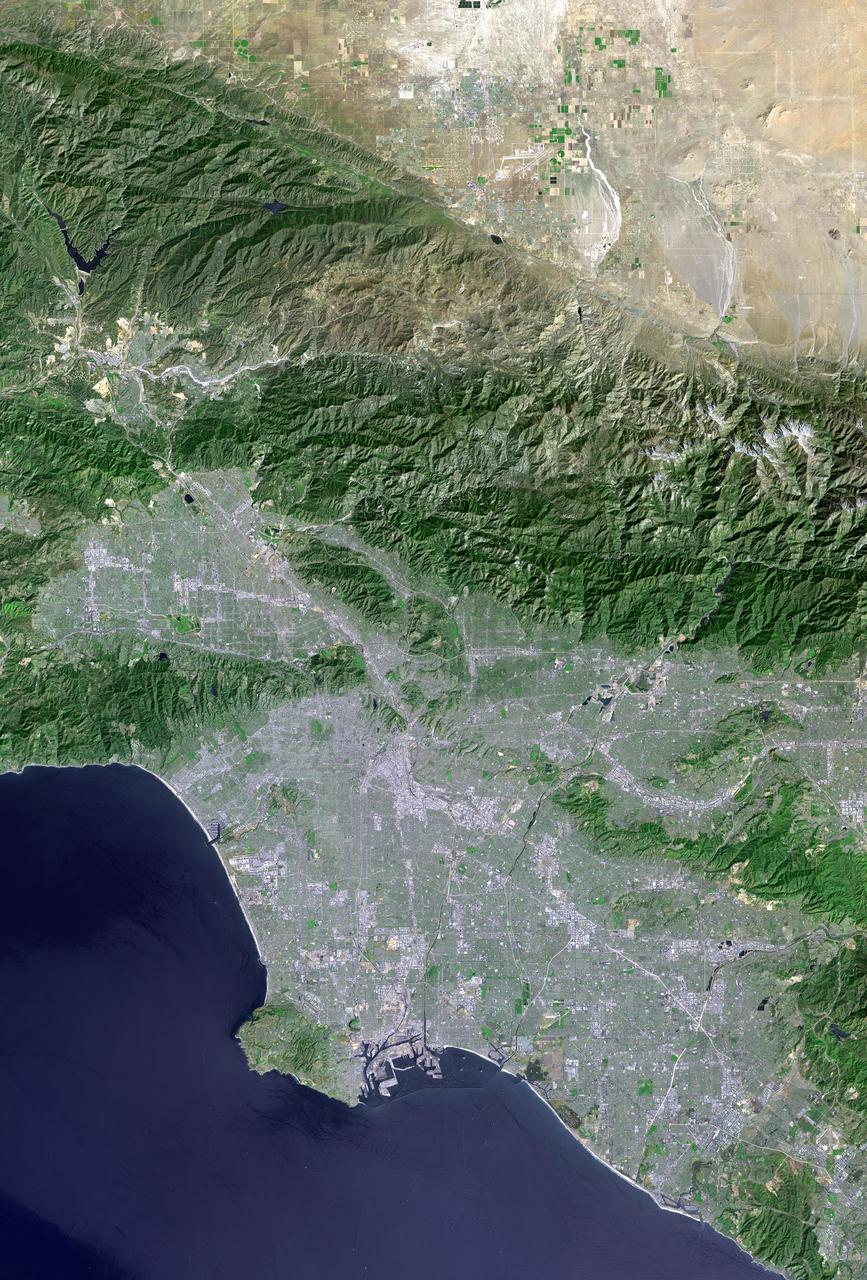
Landsat 7 launched on April 15, 1999, designed to last five years. It operated for twenty-five, survived a failure that destroyed a fifth of every image it took, and became part of the longest continuous record of Earth's surface ever assembled. Then they made the data free.

We forecast how many satellites could be in orbit by 2030 and what capabilities we can expect.
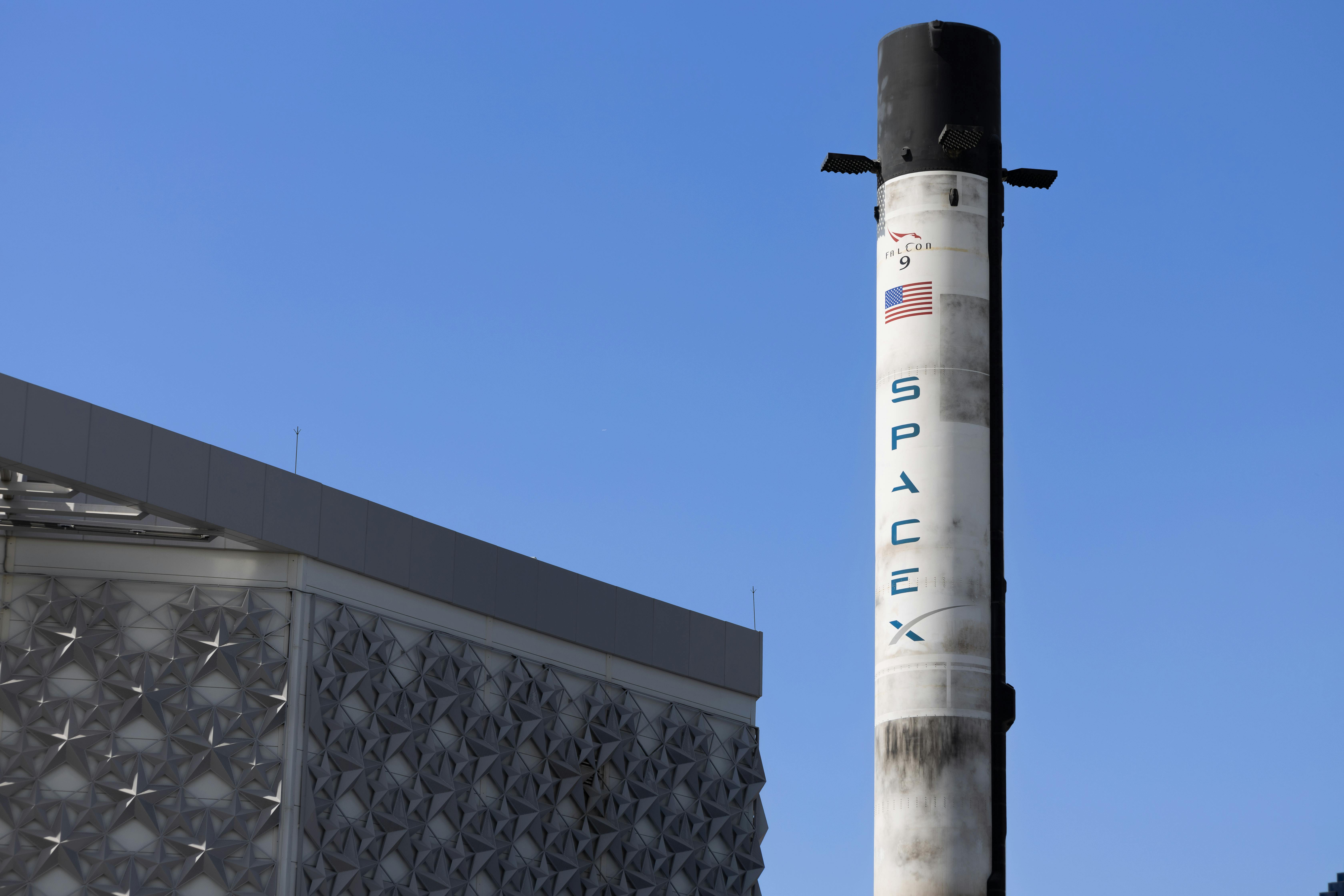
SpaceX successfully launches two rideshare missions to mid-inclination orbits, expanding their satellite deployment capabilities.
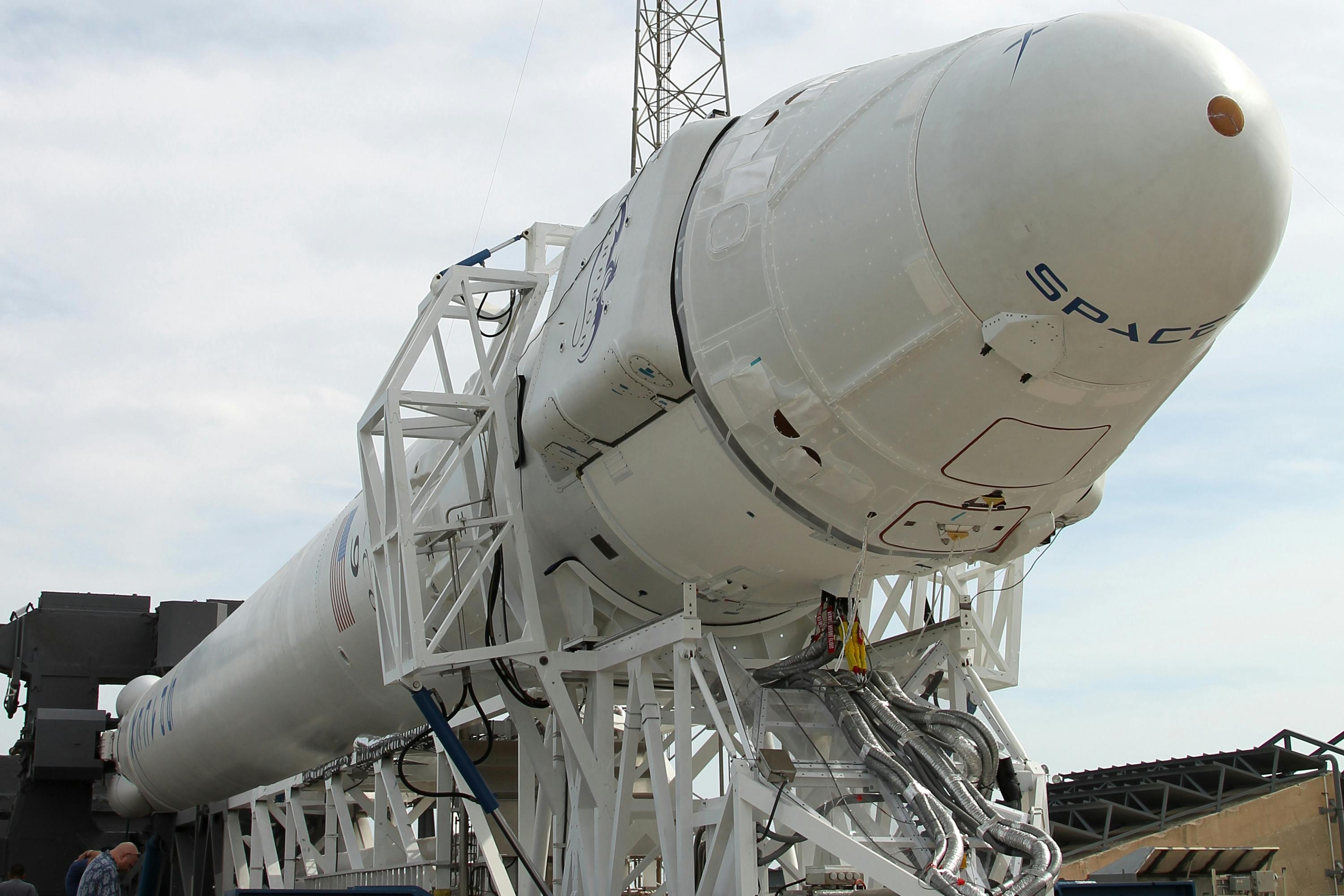
SpaceX targets July 16 for Starship Flight 13 from Starbase, aiming to fix Flight 12 issues and deploy working Starlink satellites.
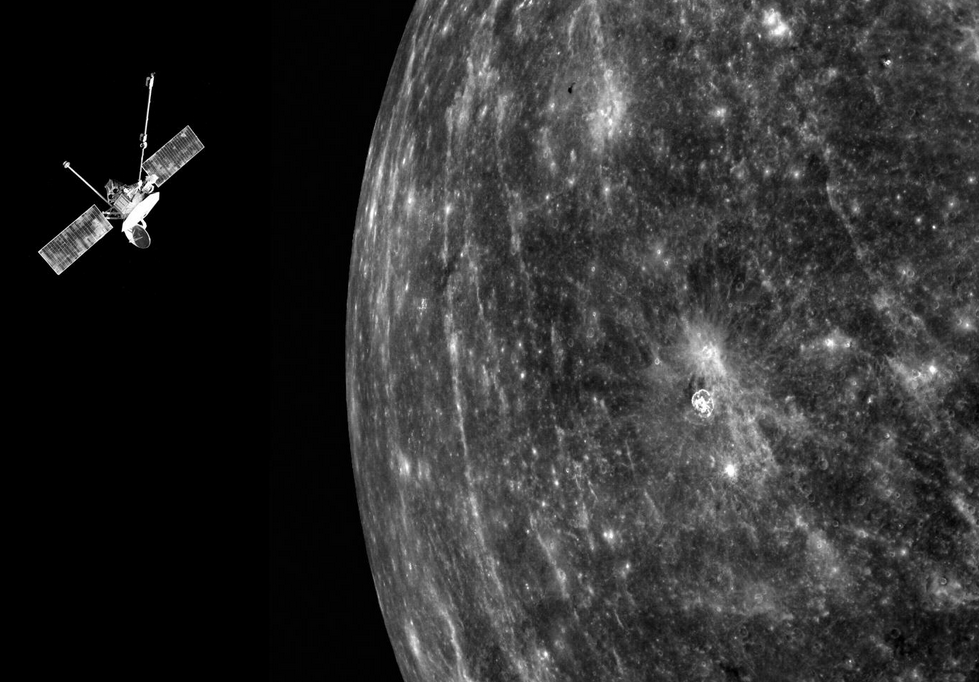
Fifty-one years ago, Mariner 10 revolutionized space exploration by executing the first-ever planetary gravity assist at Venus, pioneering a technique that would transform how we explore the solar system

Blue Origin's New Glenn suffered a damaging anomaly during hotfire testing at Launch Complex 36, grounding the heavy-lift rocket indefinitely with no return-to-flight timeline announced.