


$4.16B Space Force Contract Goes to SpaceX, X Report 30 May 2026
SpaceX wins a $4.16B US Space Force contract for an airborne threat tracking satellite network. Starlink holds 10,413 satellites in orbit, 10,397 working.


Launch Date
March 13, 1968
Launch Site
AFWTR
Launch Pad
SLC4W
Launch Vehicle
Titan IIIB
NORAD ID
03148
International Designator
1968-018A
Decay Date
3/24/1968
Name
OPS 5057
Alternative Name
OPS 5057
Type
Status
Owner
NRO/SAFSP
Country
United States
Constellation
N/A
Related Satellites
Major Events
N/A
Apologies, there is no summary for this satellite yet. I am working to generate these for every object in the catalog, but it is going to take time.
Length
5.7
Diameter
1.5
Span
5.7
Dry Mass
2250
Launch Mass
2250
Shape
Cyl
Radar Cross Section
Unknown
Visual Magnitude
Unknown
Color
Unknown
Material Composition
Unknown
Payload
GAMBIT-3 FM-12
Purpose
Unknown
Mission
Unknown
Manufacturer
LMSC
Life Expectancy
Unknown
Bus
KH-8
Configuration
Unknown
Motor
Unknown
Equipment
Unknown
Power System
Unknown
ADCS
Unknown
Transmitter Frequency
Unknown
Learn more about satellites and other related topics.
SpaceX wins a $4.16B US Space Force contract for an airborne threat tracking satellite network. Starlink holds 10,413 satellites in orbit, 10,397 working.

Starship testing progresses at the Cape; Lynk Global secures funding amidst rising satellite competition.
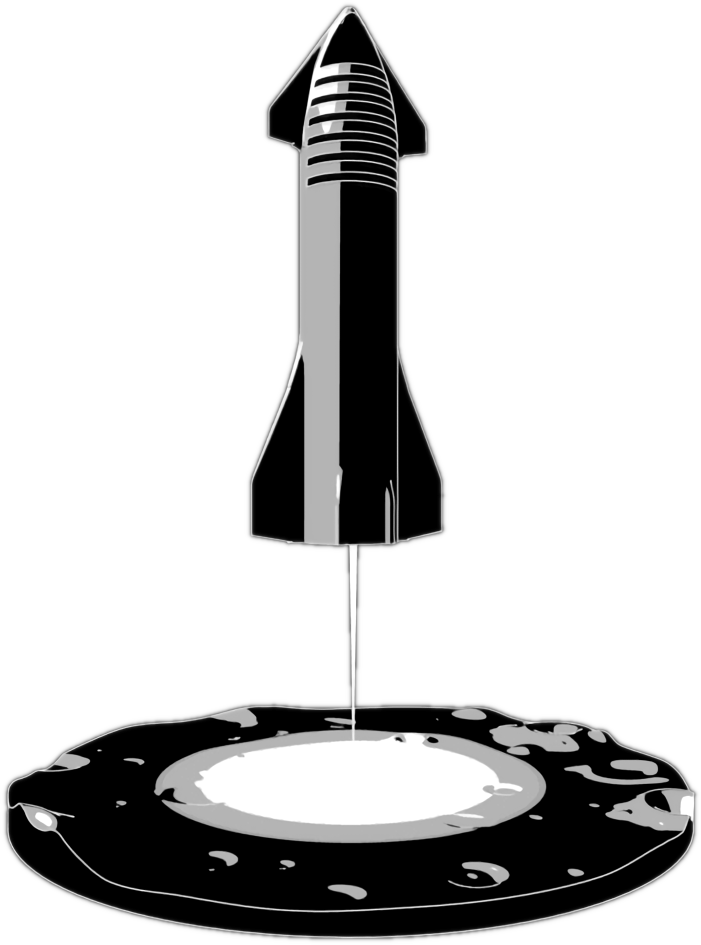
Today's highlights include Russia's record-setting satellite launch, insights from NASA's AWE during Hurricane Helene, and confirmation of astronaut Suni Williams' good health aboard the ISS.

Understanding the high and low points of every orbit - from the International Space Station's careful dance with Earth's atmosphere to the extreme ellipses that take satellites to the edge of space and back.

Key updates on strategic military shifts, technological advancements, and a critical replacement mission for Chinese astronauts highlight today's space news.
Today's briefing covers SpaceX's ambitious launch and temporary setback with their Super Heavy booster, adjustments in South African telecommunications laws influenced by Starlink, and the U.S. Navy's strategic shifts amidst changes in unmanned combatant acquisitions.
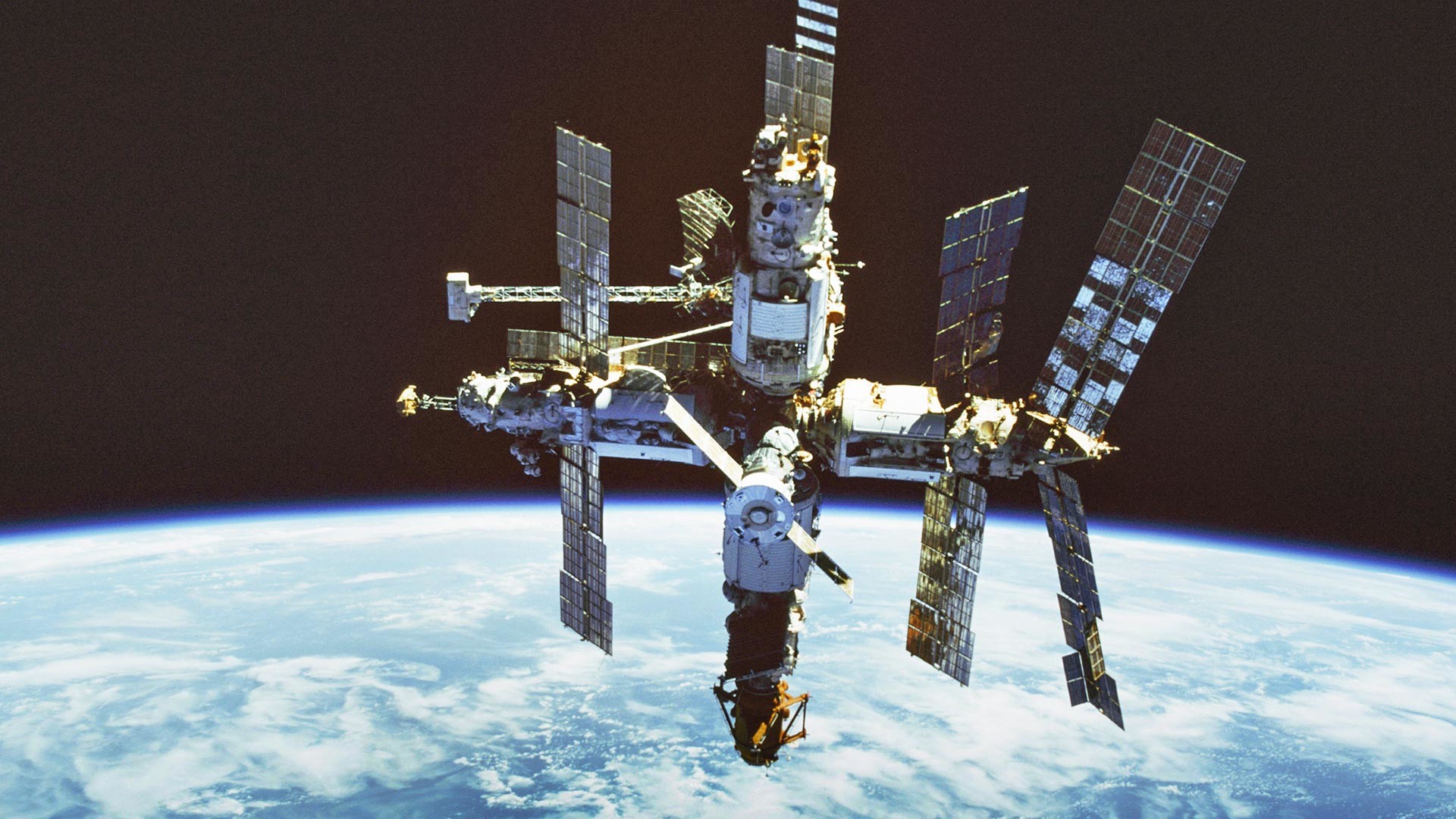
Forty years ago today, the USSR launched a 20-ton aluminum cylinder into low Earth orbit and called it 'Peace.' Over the next 15 years, Mir would host 104 people from 12 countries, survive a fire and a collision, and quietly teach humanity how to live in space.
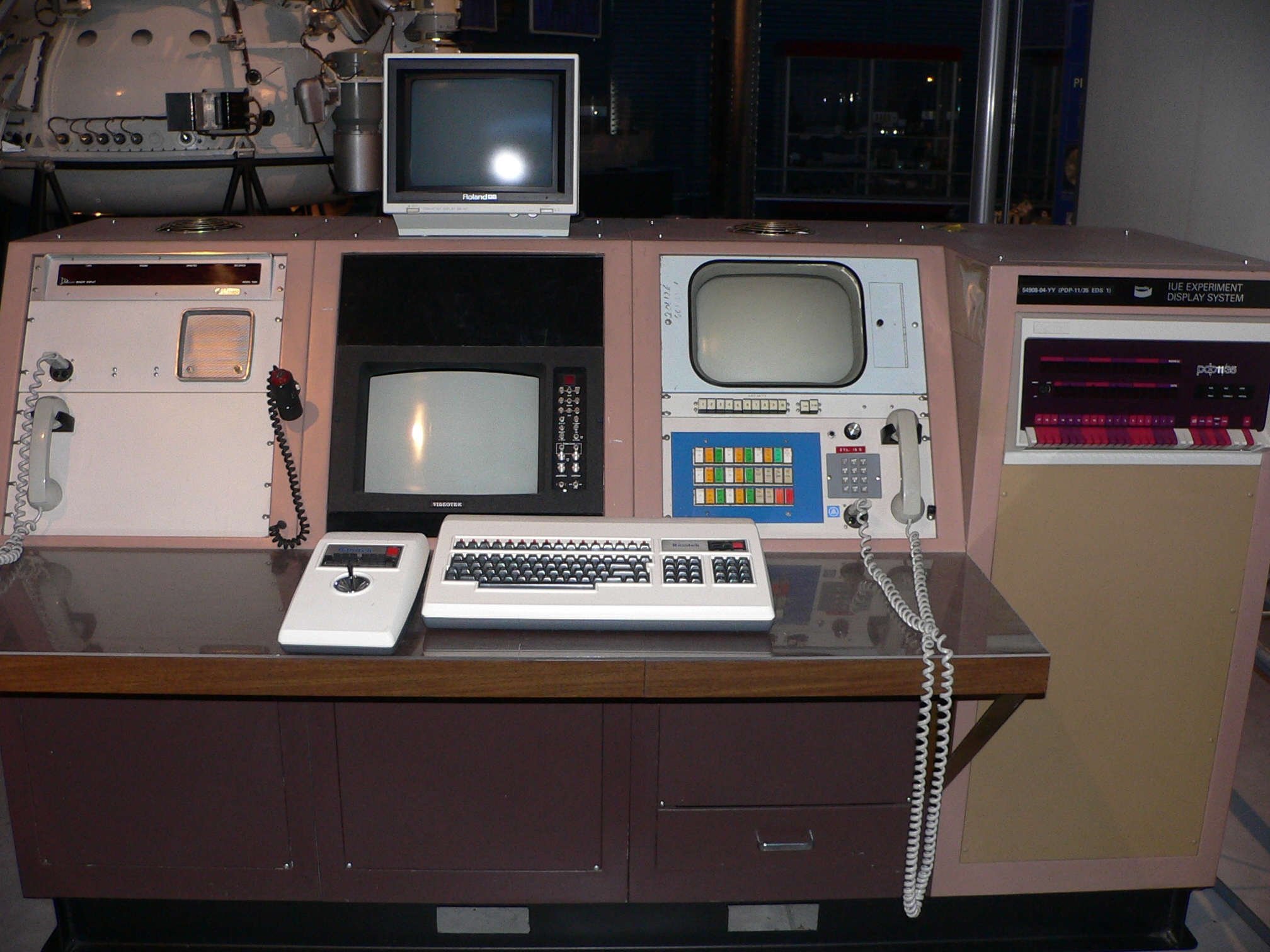
Forty-seven years ago, a revolutionary space telescope changed our view of the cosmos, pioneering international cooperation in space-based astronomy