



Space Brief 21 Oct 2024
Today's Space Brief covers SpaceX's recent launch for OneWeb, advances in remote-control robots for lunar missions, the power loss of Intelsat 33e, and developments in inflatable space habitats.



Launch Date
January 30, 1988
Launch Site
PLMSC
Launch Pad
LC32/1
Launch Vehicle
Tsiklon-3
NORAD ID
31401
International Designator
1988-005W
Epoch
Sat, 17 Feb 2024 17:28:52 GMT
Apogee
Calculating...
Perigee
Calculating...
Inclination
82.53°
Right Ascension
209.69°
Eccentricity
Calculating...
Argument of Perigee
86.06°
Period
102.46 min
Mean Motion
14.05 rev/day
Latitude
Calculating...
Longitude
Calculating...
Altitude
Calculating...
Velocity
Calculating...
Name
METEOR 2-17 DEB
Alternative Name
deb Meteor-2
Type
Status
Owner
KVR
Country
Russia
Constellation
N/A
Related Satellites
Major Events
N/A
1 31401U 88005W 24047.72838140 .00007705 00000-0 47375-2 0 9997
2 31401 82.5250 209.6933 0010798 86.0608 274.1798 14.05424388882935
Source: Celestrak
Length
0
Diameter
0
Span
0
Dry Mass
0
Launch Mass
0
Shape
N/A
Radar Cross Section
0.0116
Visual Magnitude
Unknown
Color
Unknown
Material Composition
Unknown
Payload
Unknown
Purpose
Unknown
Mission
Unknown
Manufacturer
Unknown
Life Expectancy
Unknown
Bus
Unknown
Configuration
Unknown
Motor
Unknown
Equipment
Unknown
Power System
Unknown
ADCS
Unknown
Transmitter Frequency
Unknown
Learn more about satellites and other related topics.
Today's Space Brief covers SpaceX's recent launch for OneWeb, advances in remote-control robots for lunar missions, the power loss of Intelsat 33e, and developments in inflatable space habitats.
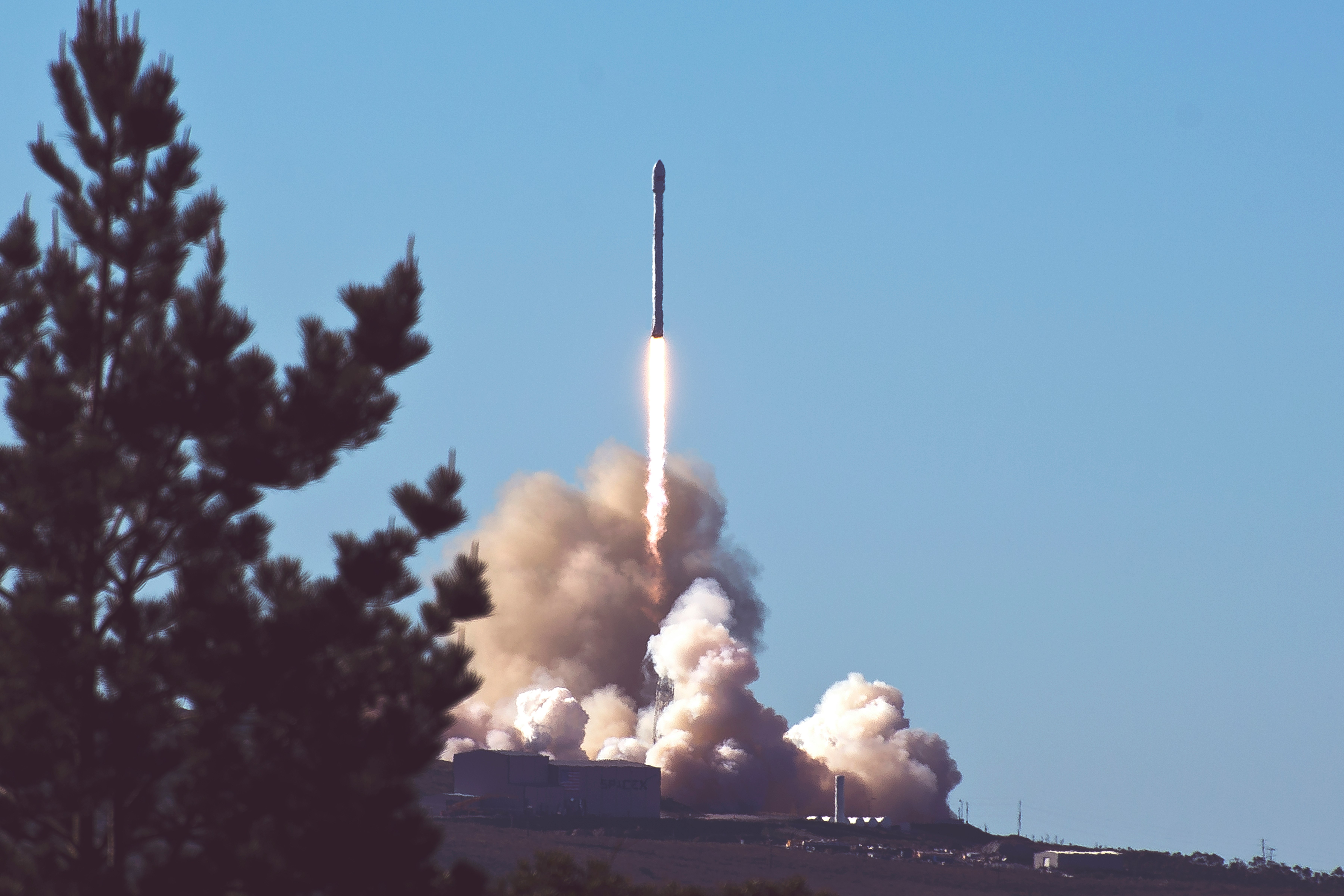
SpaceX wraps up a stellar year with Starship achievements and prepares for a lunar triple-shot in 2025.
Today's highlights include advances in space tracking technology by the US Space Force, SpaceX's infrastructure expansion, and a spectacular birthday landing on Earth. Additionally, we spotlight a significant exoplanetary discovery and satellite updates.
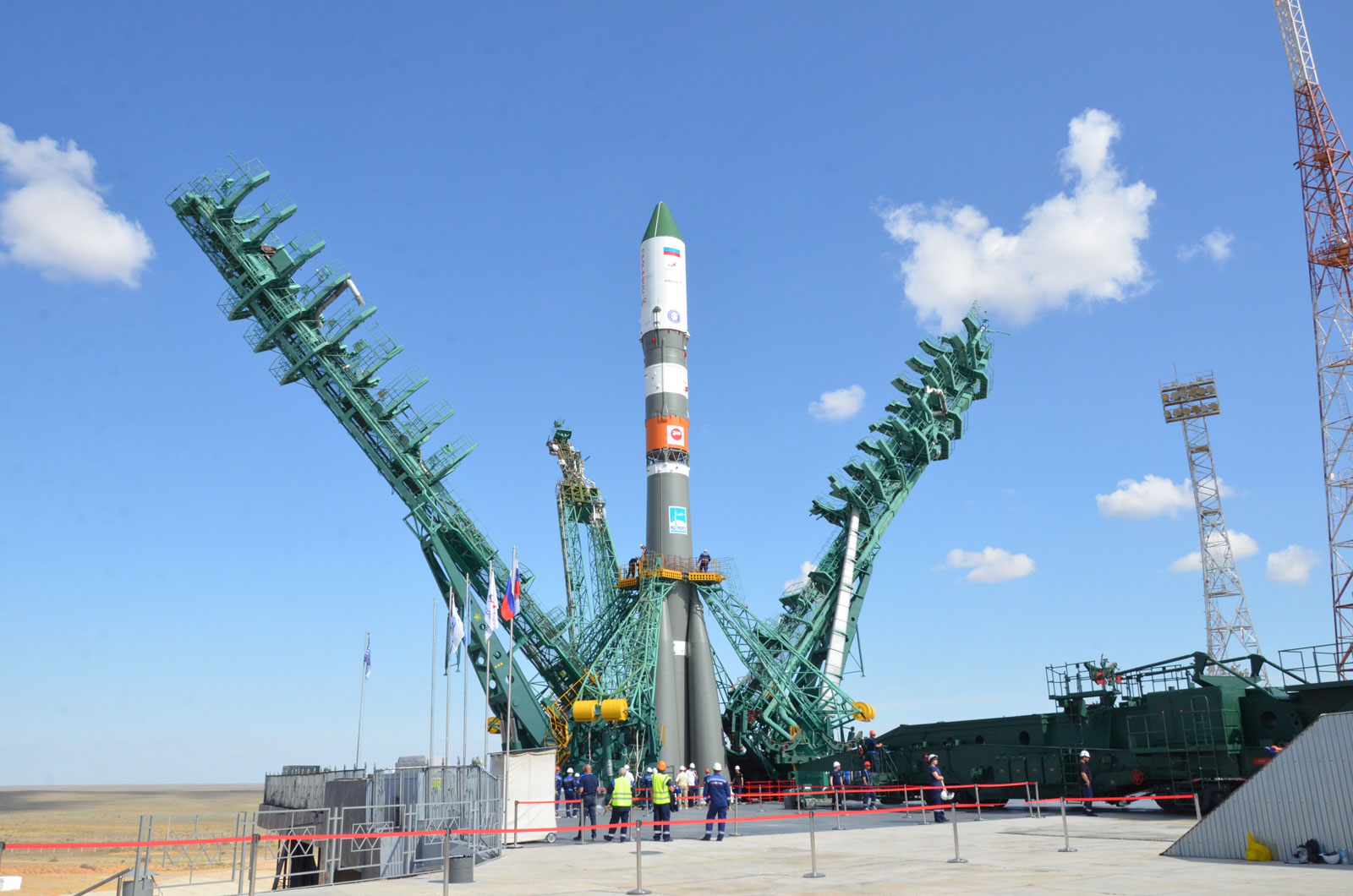
Today's highlights include the debut of a new Chinese rocket, a successful Starlink launch, and concerns about Artemis 3. We also cover DoD developments and a notable SpaceX milestone.
SpaceX reveals plans for Florida Starship launches, NASA teams up for dual missions, and FCC boosts satellite connectivity.
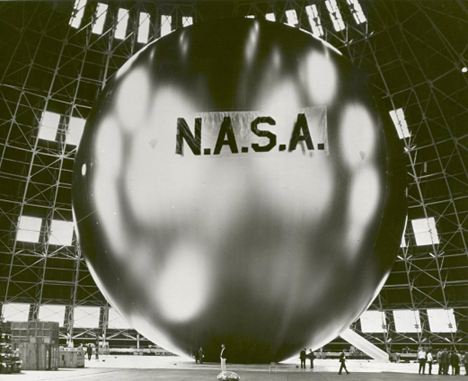
When a 135-foot inflatable mirror bounced a radio signal from England to Russia, it became the first joint US-Soviet space venture - and changed how we think about satellite communication.

Today's brief covers Blue Origin’s new defense launch contracts, the ISS launch of a Navy SEAL astronaut, Sierra Space’s GPS security advancements for the U.S. Space Force, and the Space Force's 'Orbital Watch' initiative.
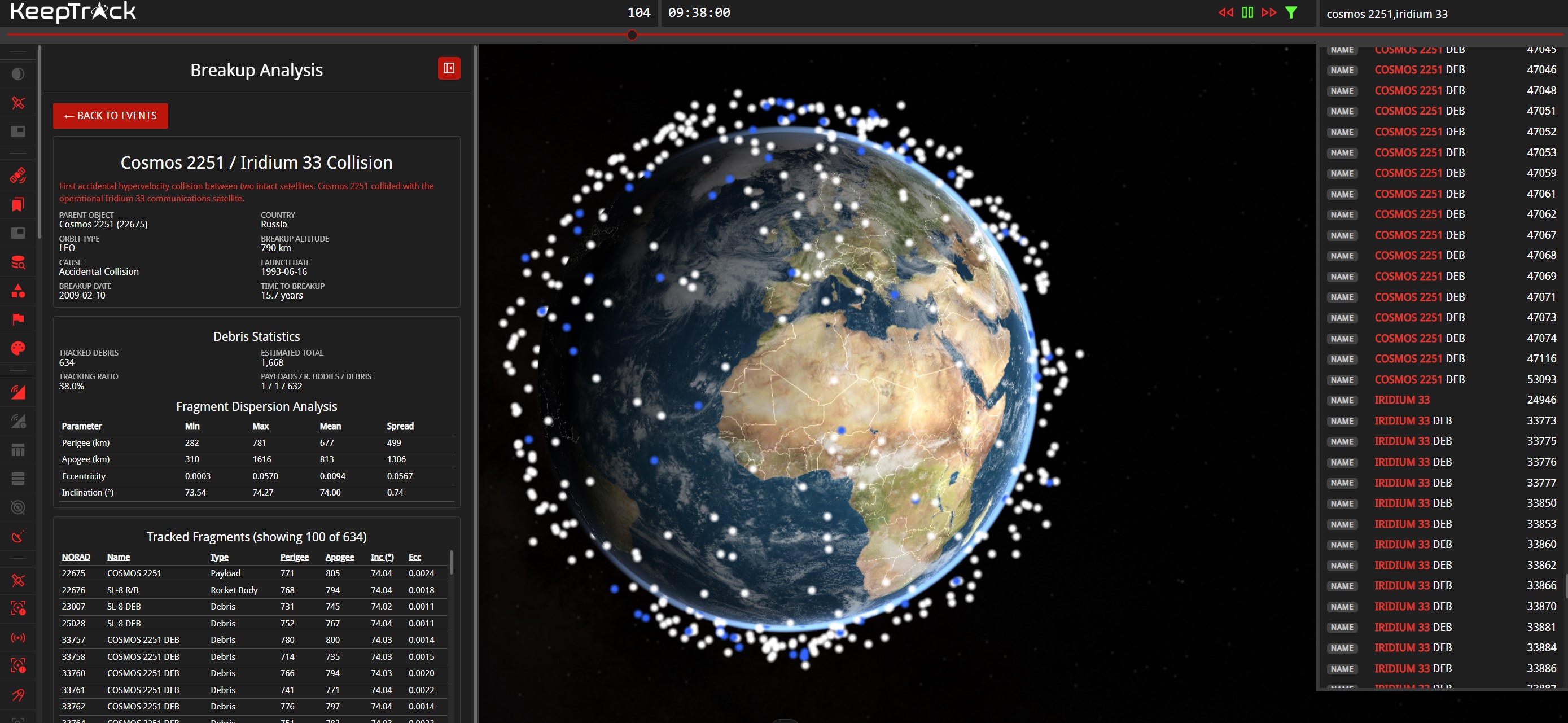
On February 10, 2009, an active Iridium communications satellite and a derelict Soviet military spacecraft slammed into each other 789 kilometers above Siberia. The collision produced more than 2,300 pieces of trackable debris that are still up there. Seventeen years later, the Iridium-Cosmos collision remains the event that made space debris a policy problem the world could no longer ignore.