


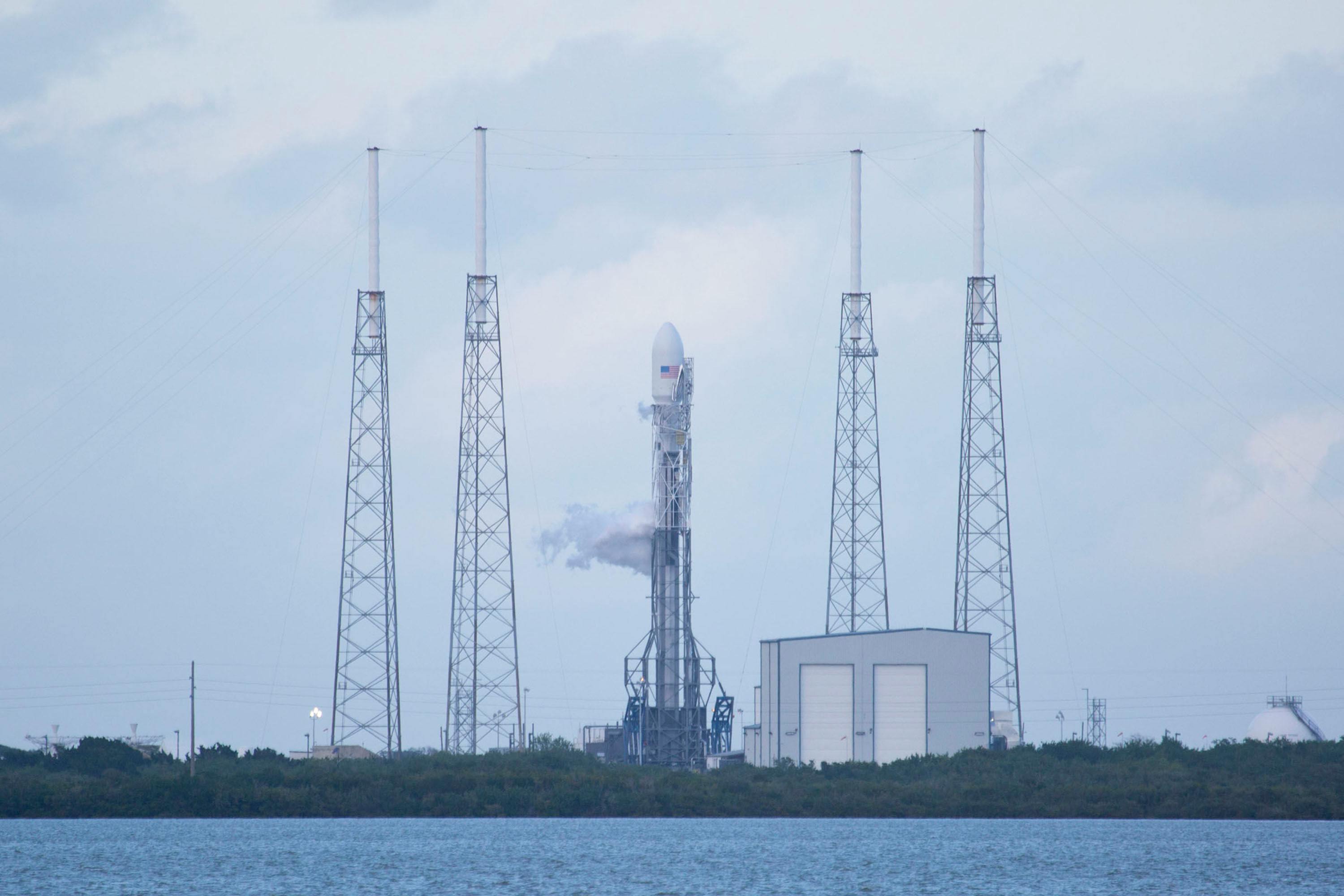
X Report 24 Sep 2025
SpaceX prepares for the launch of significant NASA and NOAA missions, while Starship's 11th test flight edges closer.


Launch Date
April 17, 2007
Launch Site
Launch Pad
LC109/95
Launch Vehicle
Dnepr
NORAD ID
31130
International Designator
2007-012P
Epoch
Sat, 04 Jul 2026 04:16:17 GMT
Apogee
Calculating...
Perigee
Calculating...
Inclination
98.45°
Right Ascension
160.13°
Eccentricity
Calculating...
Argument of Perigee
19.09°
Period
98.30 min
Mean Motion
14.65 rev/day
Latitude
Calculating...
Longitude
Calculating...
Altitude
Calculating...
Velocity
Calculating...
Name
CAPE-1
Alternative Name
CAPE 1
Type
Status
Owner
ULLAF
Country
United States
Constellation
N/A
Related Satellites
Major Events
N/A
1 31130U 07012P 26185.17797749 .00001985 00000-0 36225-3 0 9995
2 31130 98.4470 160.1281 0083937 19.0920 341.3396 14.64929572 20844
Source: Celestrak
Length
0.1
Diameter
0.1
Span
0.2
Dry Mass
1
Launch Mass
1
Shape
Box + Ant
Radar Cross Section
0.045
Visual Magnitude
Unknown
Color
Unknown
Material Composition
Unknown
Payload
CAPE 1
Purpose
Technology
Mission
Technology
Manufacturer
ULLAF
Life Expectancy
Unknown
Bus
Cubesat 1U
Configuration
CubeSat (1U)
Motor
None
Equipment
Unknown
Power System
Solar cells, batteries
ADCS
Unknown
Transmitter Frequency
Unknown
Learn more about satellites and other related topics.
SpaceX prepares for the launch of significant NASA and NOAA missions, while Starship's 11th test flight edges closer.
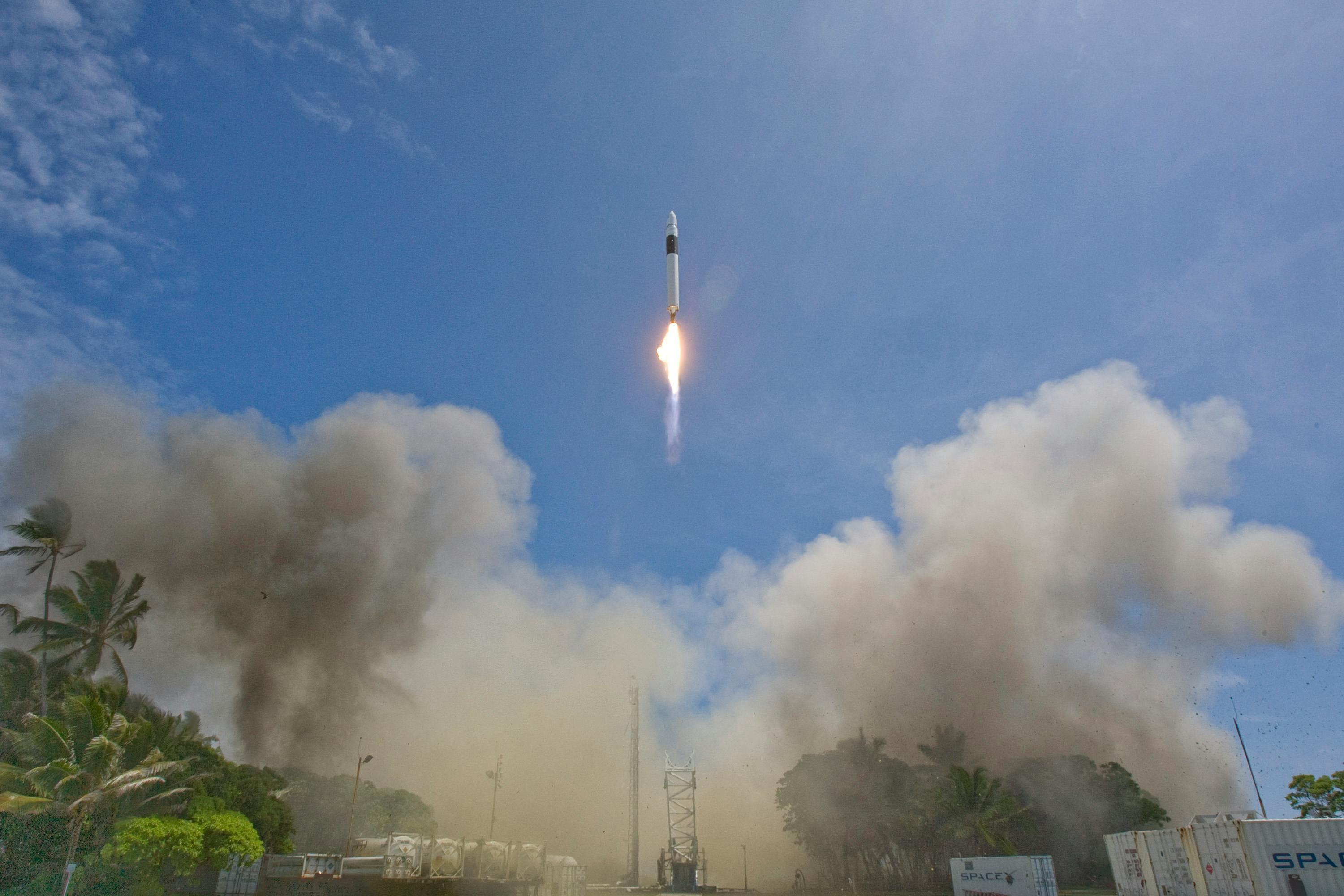
Today's brief highlights the successful launch of 29 Starlink satellites, progress on the Starship fleet, and ongoing adjustments in SpaceX's launch schedules.

SpaceX's Starlink 17-40 mission launches 24 satellites from Vandenberg SFB at 7:36 a.m. PDT, expanding the 10,705-satellite constellation.
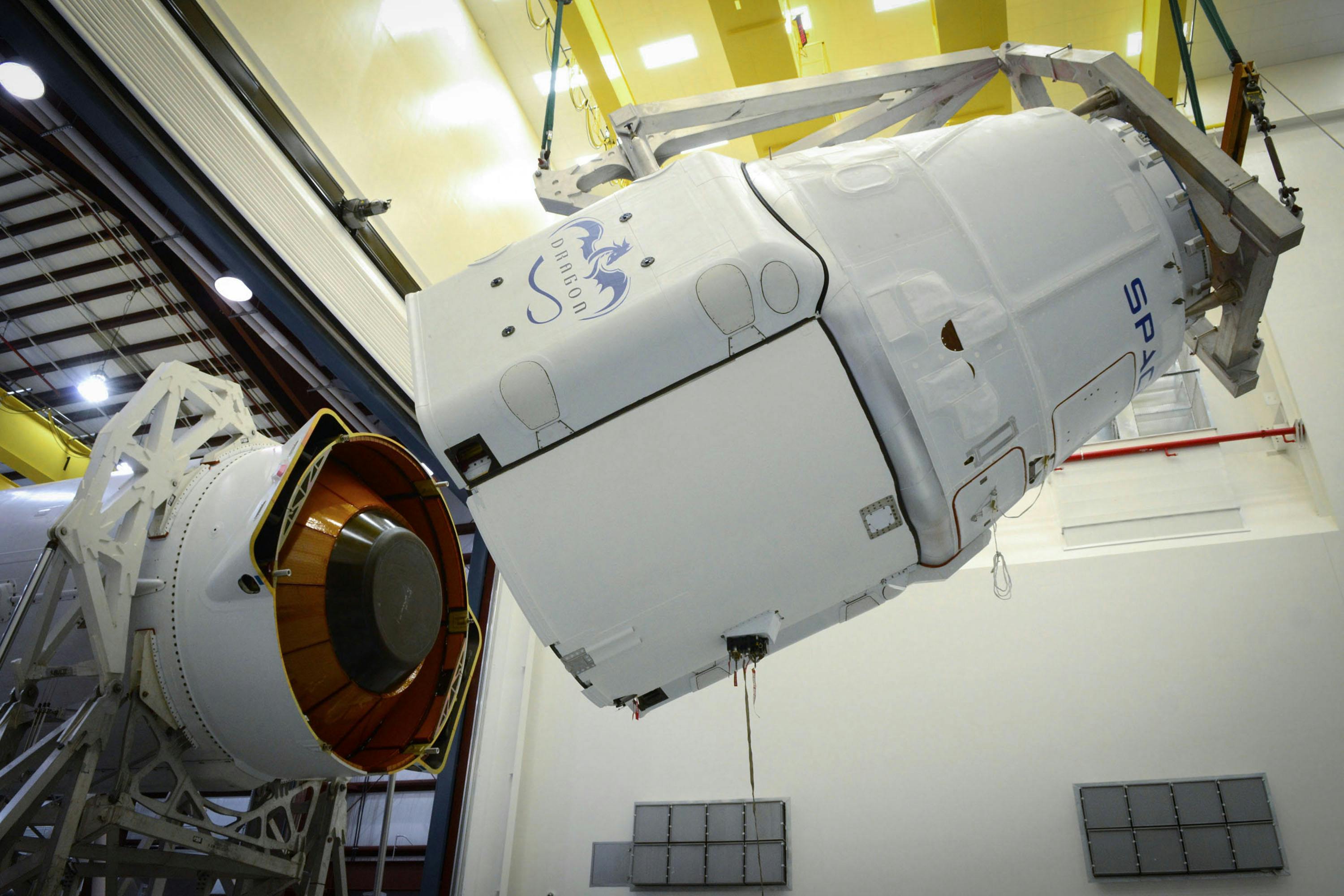
SpaceX advances with Starship, gains FCC approval for new services, and predicts a future shift in spacecraft dominance.
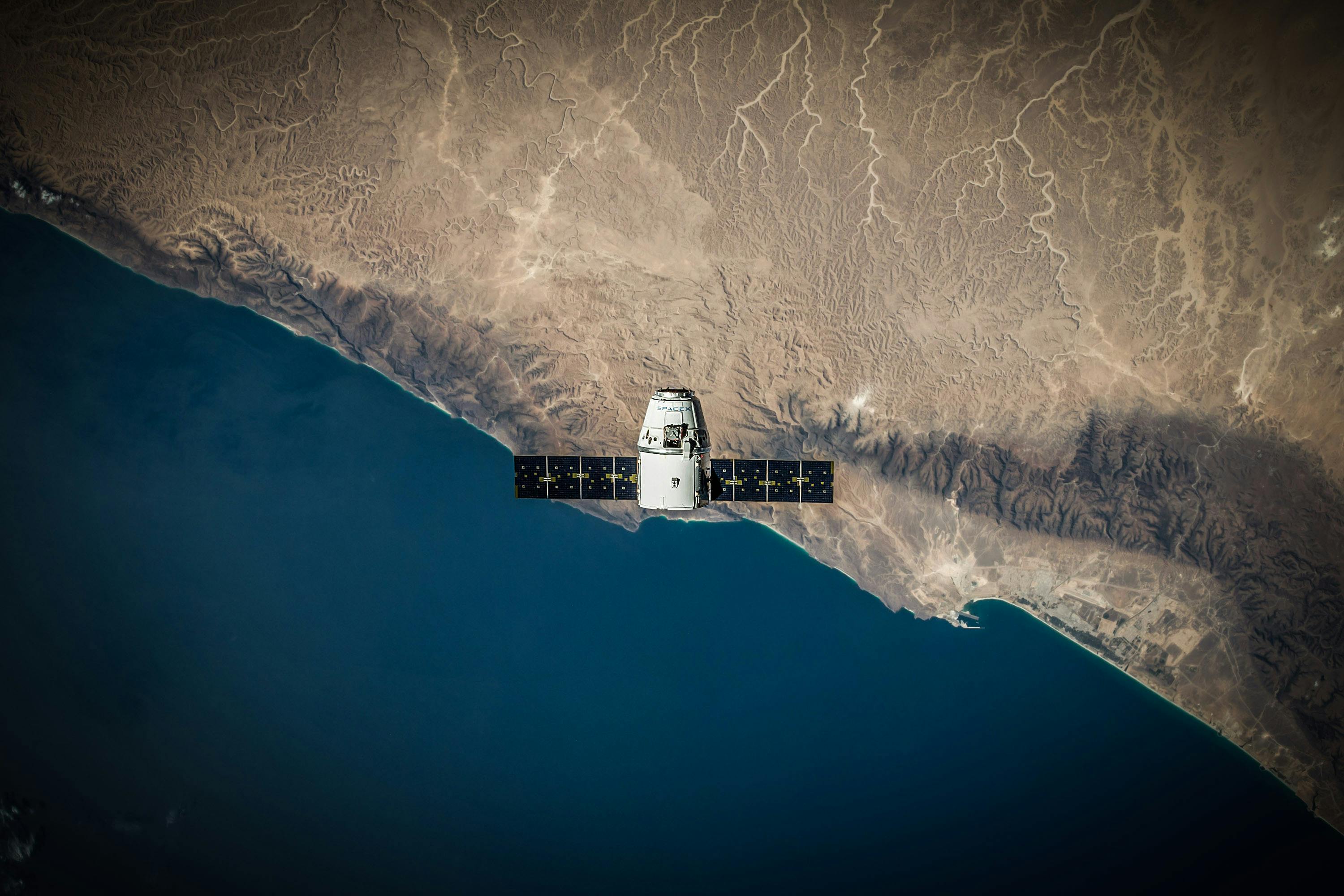
Falcon 9 returns to flight with Starlink 17-33 mission after brief stand-down. Crew-12 astronaut launch confirmed for Feb 11. SpaceX shifts Dragon launches away from pad 39A.

Discover the latest developments in hypersonic missile production, defense innovation strategies, and satellite infrastructure resilience impacting military operations.
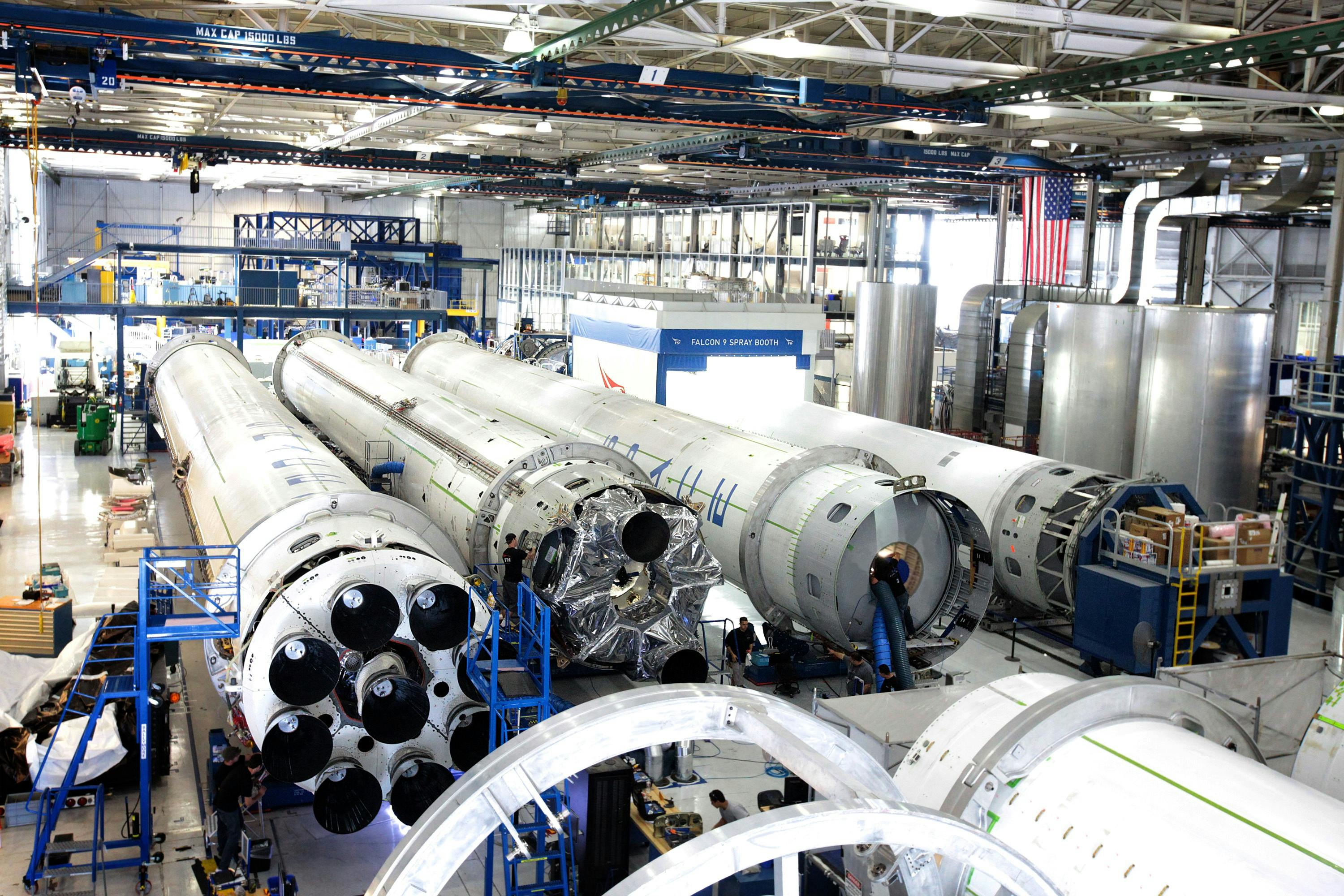
SpaceX prepares for a record-setting launch of Starlink satellites, while Iridium faces challenges against SpaceX's expanding services.

ULA's Vulcan remains grounded after February in-flight GEM 63XL booster anomaly. Northrop Grumman completed successful static fire test, but investigation ongoing with no return-to-flight date.