

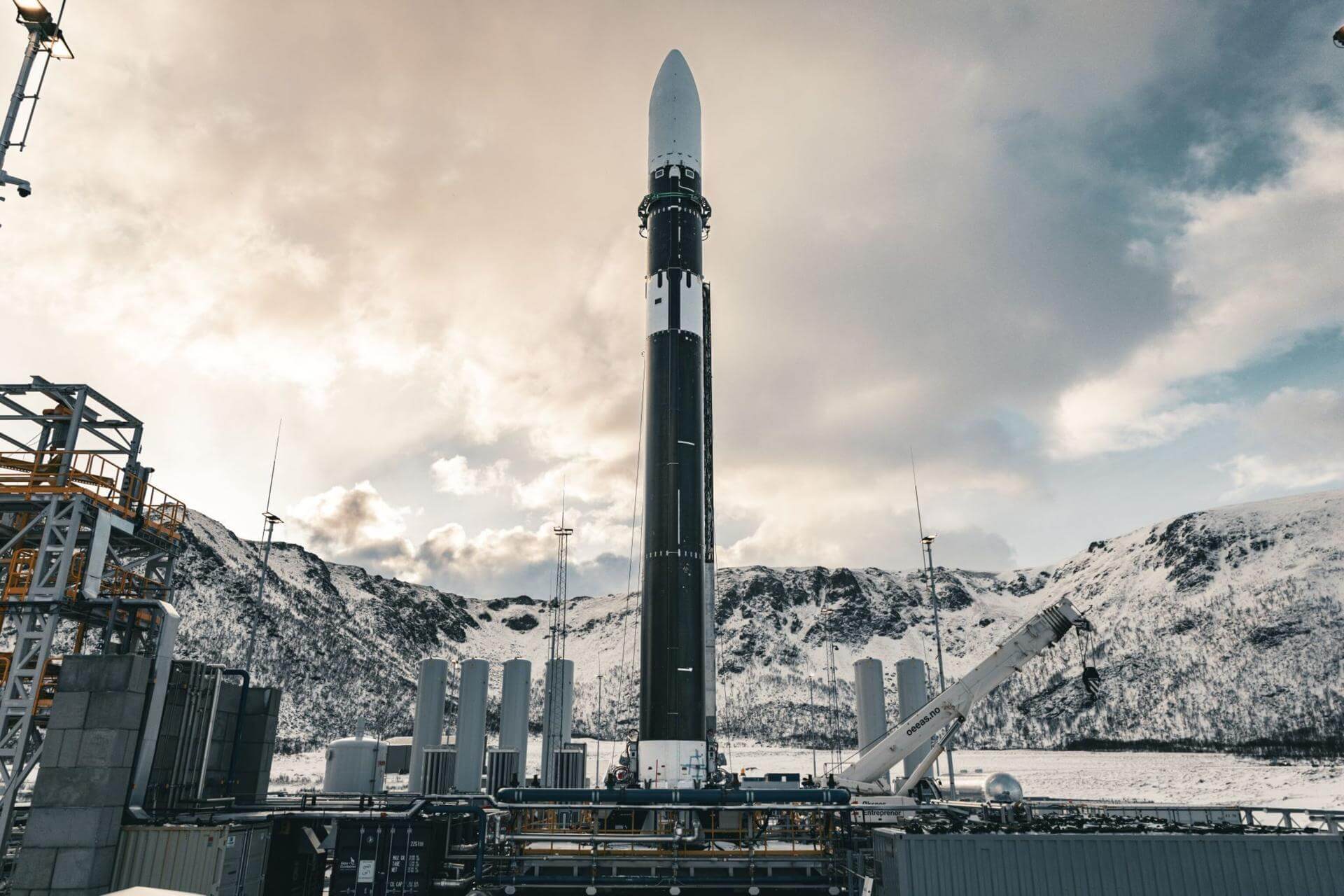
Space Brief 28 Dec 2025
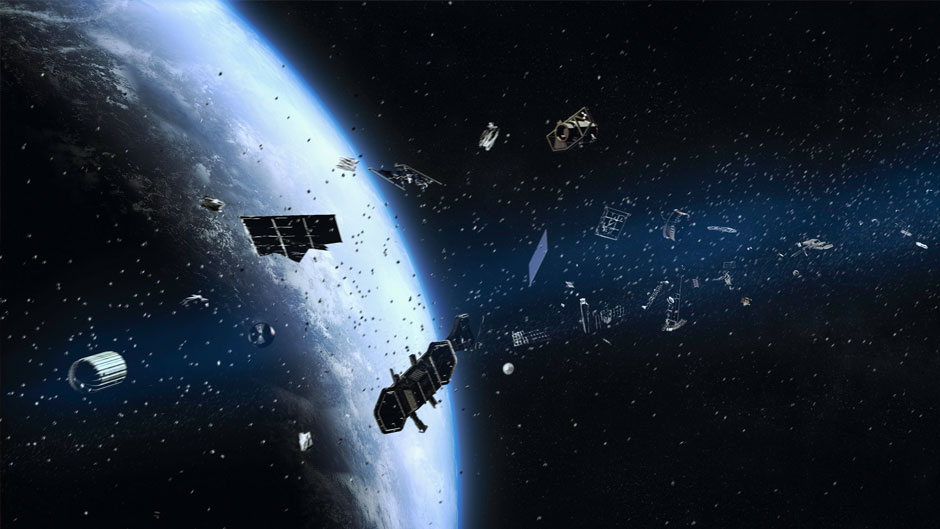
Exploring the future of space with concerns on space debris, rapid growth in orbital data centers, and new developments at launch sites.


Launch Date
February 24, 2007
Launch Site
TANSC
Launch Pad
Y
Launch Vehicle
H-IIA 2024
NORAD ID
31107
International Designator
2007-005K
Decay Date
9/25/2007
Name
H-2A DEB
Alternative Name
deb H-2A F12
Type
Status
Owner
JAXA
Country
Japan
Constellation
N/A
Related Satellites
Major Events
N/A
Length
0
Diameter
0
Span
0
Dry Mass
0
Launch Mass
0
Shape
N/A
Radar Cross Section
0.0857
Visual Magnitude
Unknown
Color
Unknown
Material Composition
Unknown
Payload
Unknown
Purpose
Unknown
Mission
Unknown
Manufacturer
MHITO
Life Expectancy
Unknown
Bus
Unknown
Configuration
Unknown
Motor
Unknown
Equipment
Unknown
Power System
Unknown
ADCS
Unknown
Transmitter Frequency
Unknown
Learn more about satellites and other related topics.
Exploring the future of space with concerns on space debris, rapid growth in orbital data centers, and new developments at launch sites.

SpaceX bids farewell to LZ-1 while continuing its mission towards advancements in satellite technology and the ongoing Starlink project.
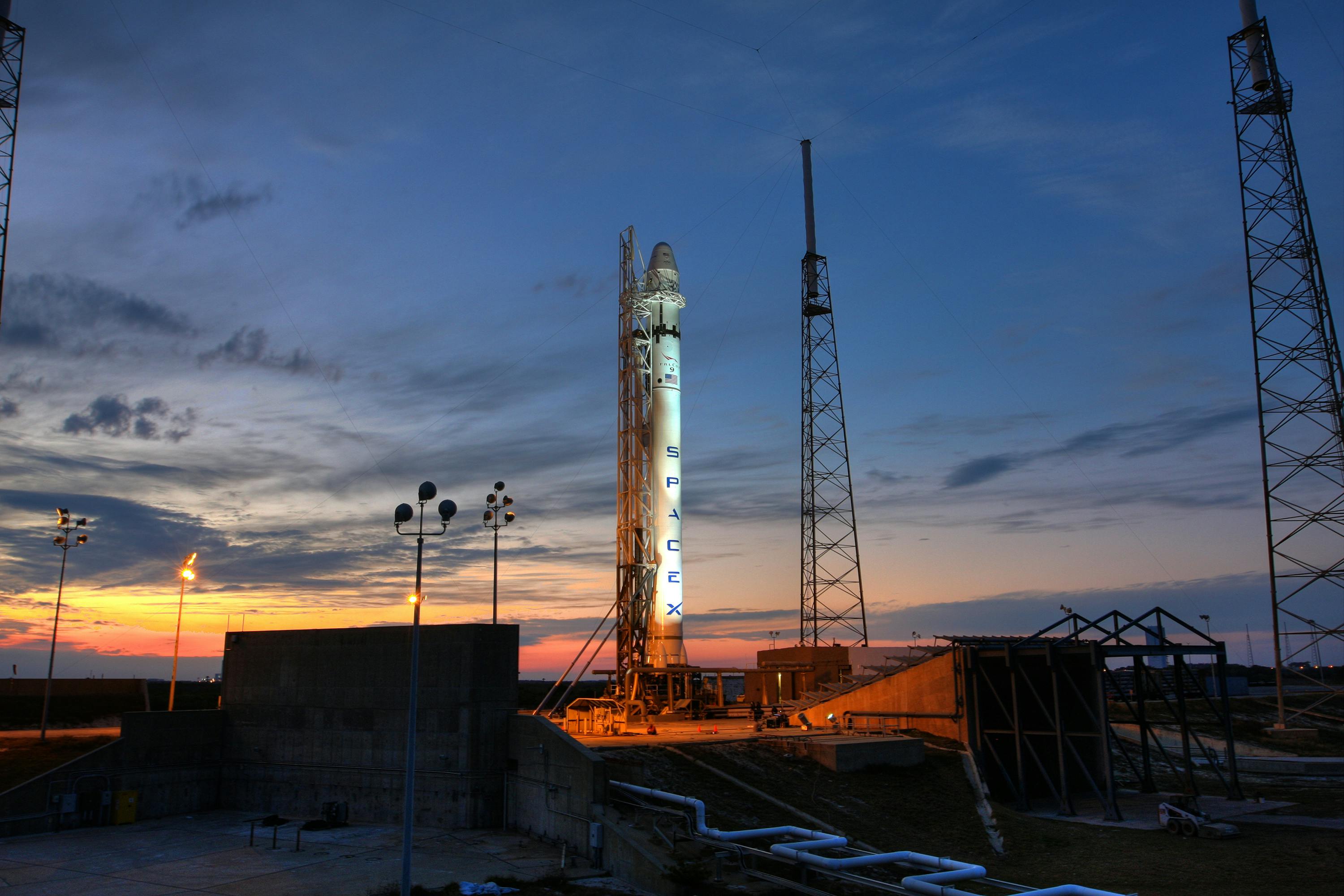
SpaceX launches 29 Starlink satellites in first deployment since recent satellite issues. Falcon 9 also delivers Italy's COSMO-SkyMed CSG-FM3 from Vandenberg. Starship plans solidified for 2026.

Today's brief highlights the successful landing of a private moon mission by Firefly Aerospace, a new simulator for the Spanish Air and Space Force, and the anticipated launch by Europe's Ariane 6. Plus, our Satellite Spotlight features the COSMOS 2484.

SpaceX successfully launched another batch of Starlink satellites in a night mission, marking a significant return to evening launches post-regulations.
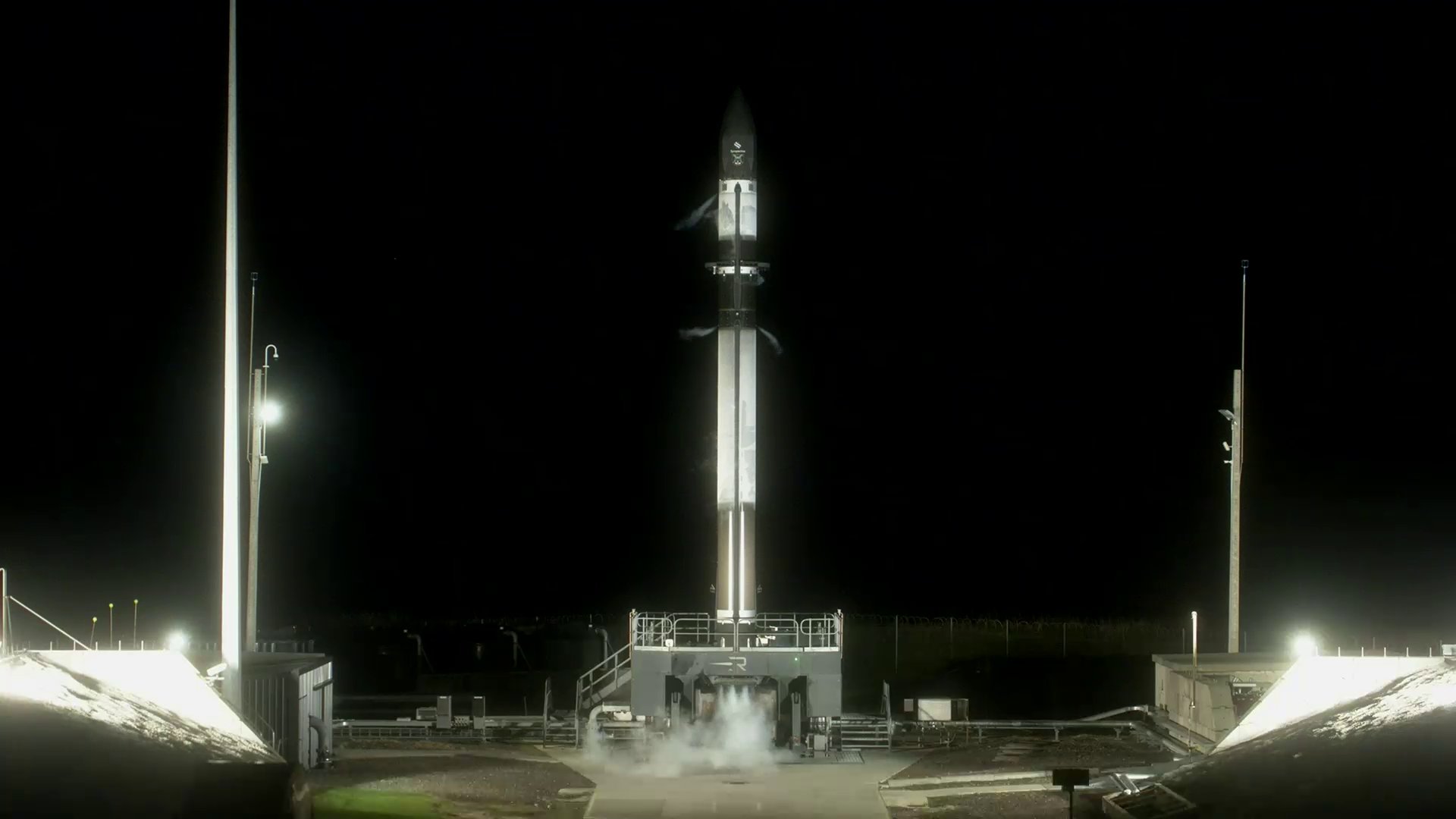
Space Force confirms plan to double active-duty Guardians by 2030, targeting faster response to satellite anomalies and adversary maneuvers in space domain awareness operations.

Fifty-nine years ago, a revolutionary new rocket thundered skyward from Cape Kennedy, testing the spacecraft that would eventually carry astronauts to the lunar surface
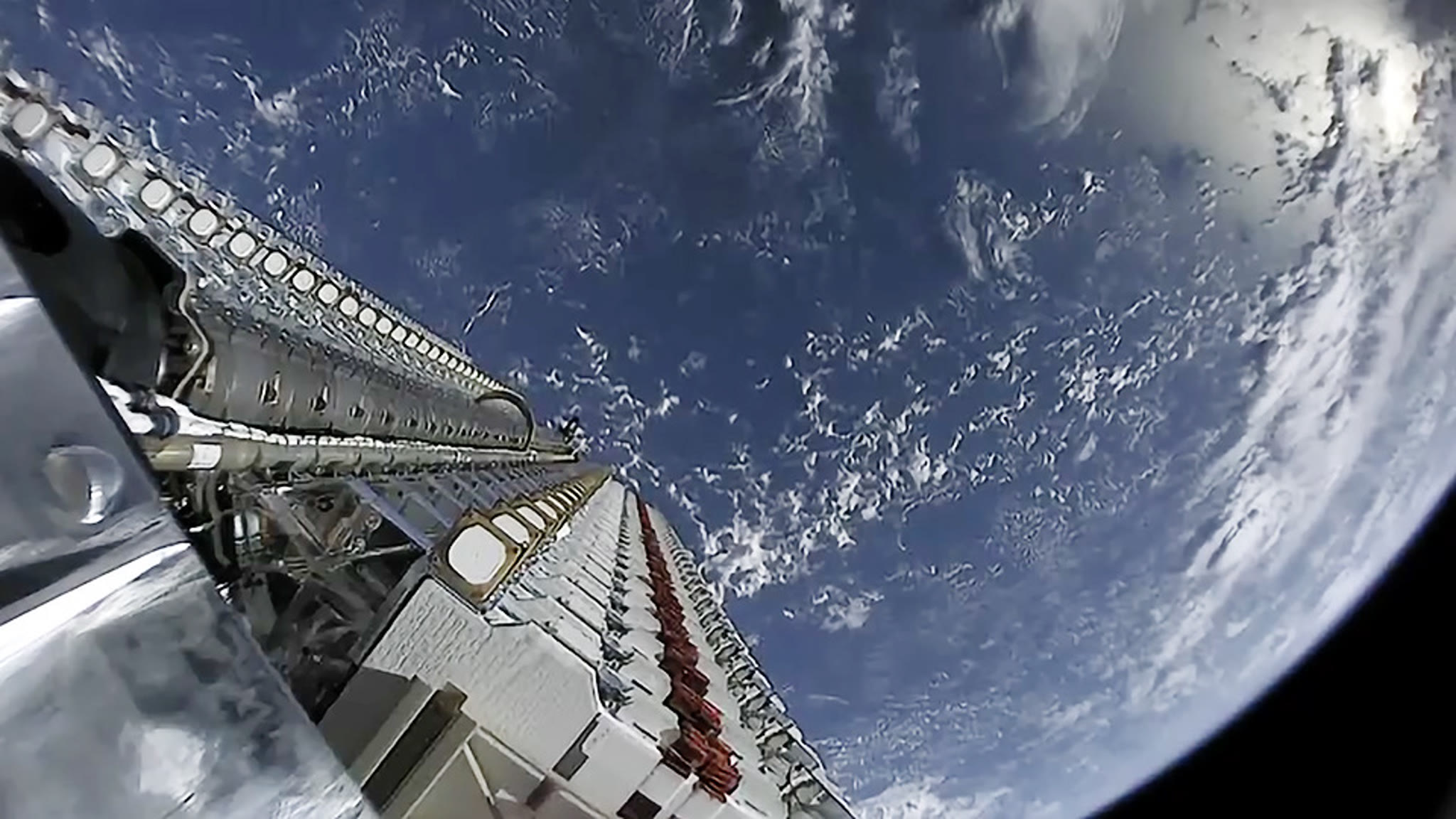
Starlink satellites fired their thrusters to dodge a collision roughly 300,000 times in 2025, about 822 times a day. Behind that number is a fragile, half-automated system of warnings, probabilities, and judgment calls that decides which close approaches are worth a maneuver and which are just noise.