
FENGYUN 1C DEB (31055)

COSPAR: 1999-025BEZ | Alt Name: deb FY-1C

Image
FENGYUN 1C DEB Satellite Image
Additional Sources
Launch Details

Launch Date

May 10, 1999

Launch Site

TAISC

Launch Pad

LC7

Launch Vehicle

Chang Zheng 4B

Orbital Elements

NORAD ID

31055

International Designator

1999-025BEZ

Epoch

Sat, 04 Jul 2026 01:08:34 GMT

Apogee

Calculating...

Perigee

Calculating...

Inclination

98.74°

Right Ascension

215.81°

Eccentricity

Calculating...

Argument of Perigee

58.49°

Period

102.08 min

Mean Motion

14.11 rev/day

Latitude

Calculating...

Longitude

Calculating...

Altitude

Calculating...

Velocity

Calculating...

Polar Plot
3D Visualization
Basic Satellite Info

Name

FENGYUN 1C DEB

Alternative Name

deb FY-1C

Type

Debris

Status

Space Junk

Owner

CASC

Country

China

Constellation

N/A

Related Satellites

Major Events

N/A

Latest TLEs
1 31055U 99025BEZ 26185.04761907  .00000439  00000-0  26941-3 0  9996
2 31055  98.7365 215.8073 0025906  58.4880 330.8064 14.10608345989883

Source: Celestrak

Summary
Space debris, also known as space junk, encompasses all non-functional objects orbiting Earth such as defunct satellites, spent rocket stages, and fragments from collisions or disintegrations. Over time, this debris can accumulate and create an increasingly hazardous environment in orbit. Even tiny fragments, traveling at extremely high velocities, can inflict significant damage on operational satellites and spacecraft. If left unmanaged, the density of debris raises the risk of catastrophic collisions and further fragmentation, compounding the problem and threatening the safety and sustainability of space activities.
Physical Characteristics

Length

0

Diameter

0

Span

0

Dry Mass

0

Launch Mass

0

Shape

N/A

Radar Cross Section

0.0124

Visual Magnitude

Unknown

Color

Unknown

Material Composition

Unknown

Technical Details

Payload

Unknown

Purpose

Unknown

Mission

Unknown

Manufacturer

Unknown

Life Expectancy

Unknown

Bus

Unknown

Configuration

Unknown

Motor

Unknown

Equipment

Unknown

Power System

Unknown

ADCS

Unknown

Transmitter Frequency

Unknown

Map
This tool will help you track the satellite's position and predict its upcoming passes over your location. Simply input the coordinates or click the geolocation button to get started.
Next Pass
Azimuth Elevation Time (Local)
Start Azimuth
Max Elevation
Stop Azimuth
Time Until
Pass Duration

Satellite Articles

View All Posts »

Learn more about satellites and other related topics.

Earthquake Sensors Repurposed to Track Space Debris Reentry | KeepTrack Space Brief

Earthquake Sensors Repurposed to Track Space Debris Reentry | KeepTrack Space Brief

Scientists use earthquake sensors to track space debris reentry via sonic boom detection. SpaceX launches 25 Starlink satellites in seventh mission of 2026. NASA and DOE partner for lunar nuclear power.

Space Brief 1 Jan 2025

Space Brief 1 Jan 2025

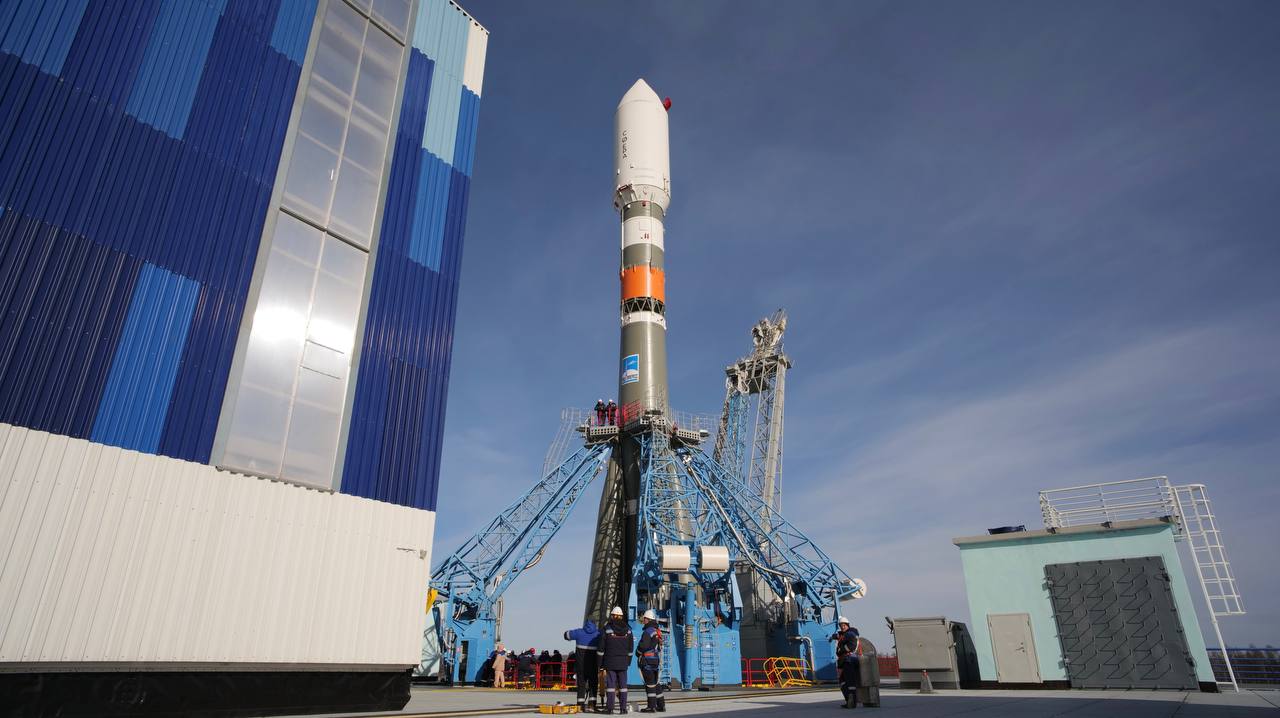
Today's brief covers a record-breaking Starlink launch, FCC's allocation of additional spectrum for launches, and more. Plus, explore the intricacies of satellite Rassvet-2 No. 1 in our Satellite Spotlight.

Space Brief 20 Nov 2024

Space Brief 20 Nov 2024

Today's highlights include the U.S. military's satellite initiative facing delays, Senate inquiries into high-profile calls, and an update on Pentagon's UFO investigations. Notable mentions also cover Morocco's defense sector ambitions.

Space Brief 17 Mar 2025

Space Brief 17 Mar 2025

Today's highlights include significant data release from NASA's Atmospheric Waves Experiment, SpaceX's dual launches of Crew-10 and Starlink satellites, and intriguing findings from the arctic ice studies.

Space Brief 12 Jan 2025

Space Brief 12 Jan 2025

Today's briefing covers significant events including launch delays for SpaceX's Starship and Blue Origin's New Glenn, BepiColombo's landmark Mercury flyby, and the impact of Los Angeles fires on the space community.

The Rocket That Refused to Sink

The Rocket That Refused to Sink

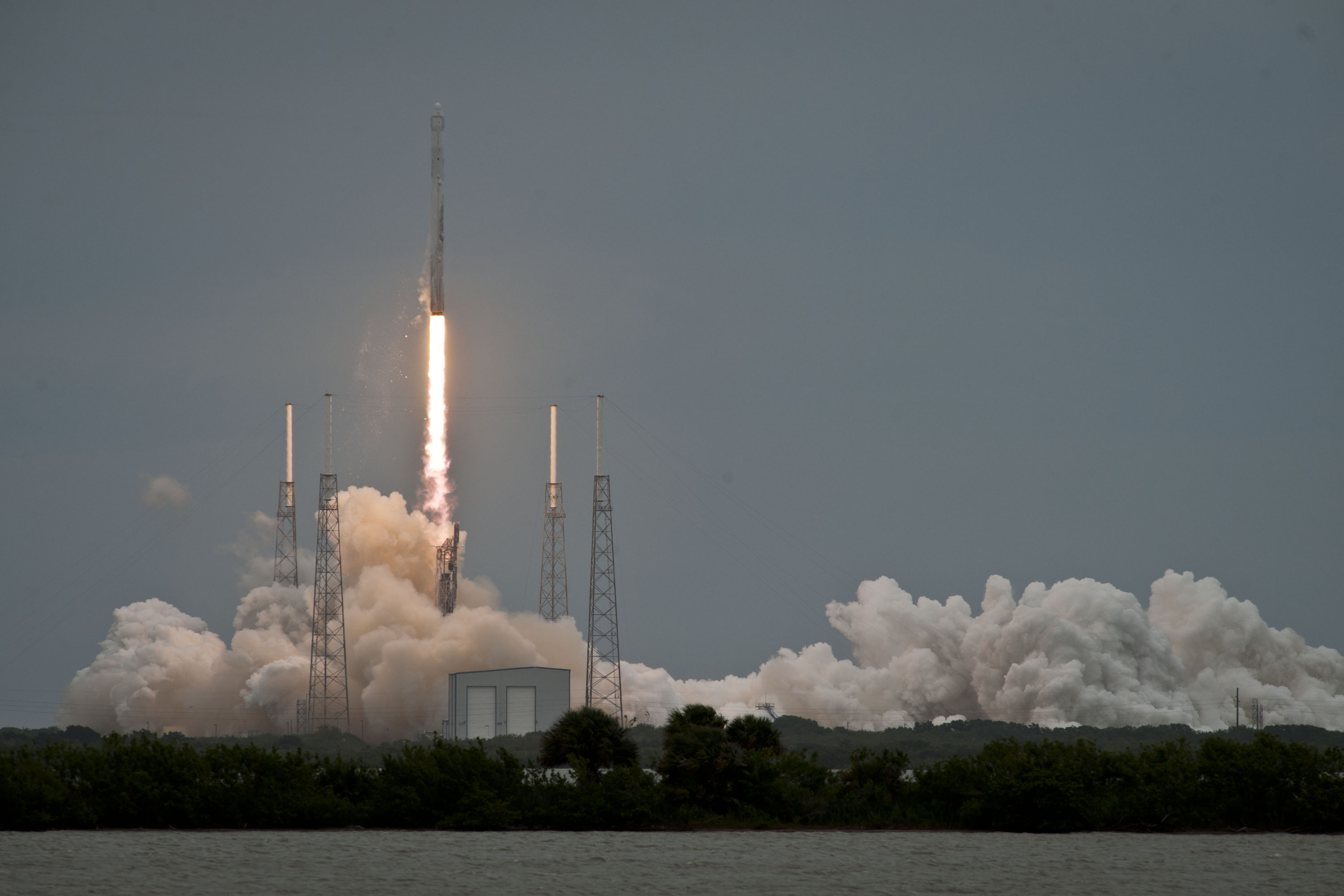
On April 18, 2014, a Falcon 9 first stage did something no orbital rocket had ever done before. It fired its engines on the way down, steered itself through the atmosphere using grid fins that did not yet exist, and touched the Atlantic Ocean softly enough to survive the impact. Nobody recovered it. The data was the whole point.

Pentagon Cancels OPIR Polar After Northrop Sensor Delivery | KeepTrack Space Brief

Pentagon Cancels OPIR Polar After Northrop Sensor Delivery | KeepTrack Space Brief

Pentagon cancels Next-Generation OPIR Polar program after Northrop Grumman delivered sensor payload. LEO and MEO alternatives deemed sufficient for missile-warning coverage.

Long March 10B Debut Highlights 4-Launch Week | KeepTrack Week in Review

Long March 10B Debut Highlights 4-Launch Week | KeepTrack Week in Review

This week: China's Long March 10B debuted successfully, SpaceX merged with xAI, and Starlink topped 10,775 satellites in orbit.