


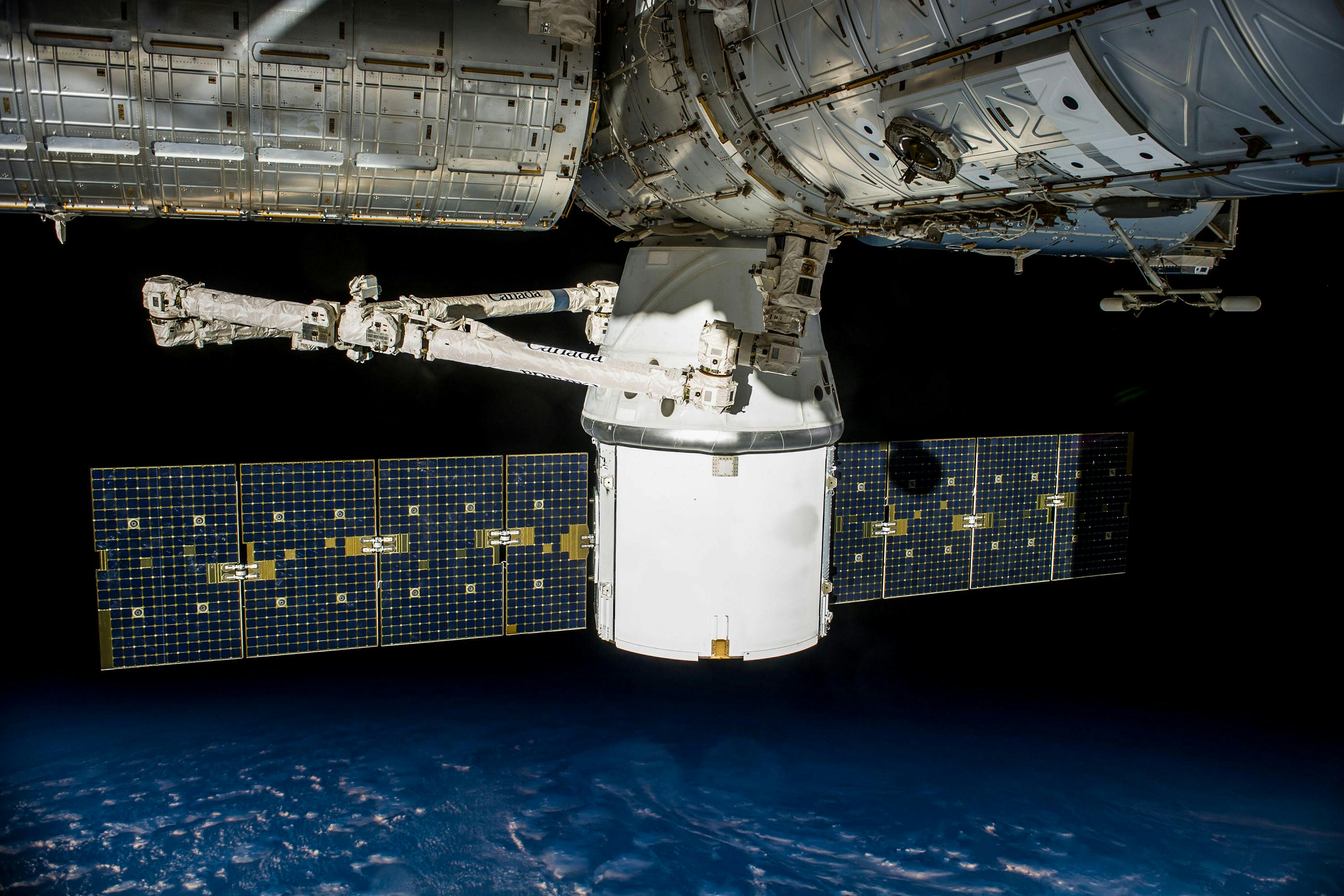
X Report 15 Feb 2025
SpaceX sets a reuse record with Falcon 9, advances Starship program, while Starlink influences satellite market dynamics.



Launch Date
May 10, 1999
Launch Site
TAISC
Launch Pad
LC7
Launch Vehicle
Chang Zheng 4B
NORAD ID
30932
International Designator
1999-025AZW
Epoch
Sat, 04 Jul 2026 06:17:28 GMT
Apogee
Calculating...
Perigee
Calculating...
Inclination
98.91°
Right Ascension
127.29°
Eccentricity
Calculating...
Argument of Perigee
60.05°
Period
100.76 min
Mean Motion
14.29 rev/day
Latitude
Calculating...
Longitude
Calculating...
Altitude
Calculating...
Velocity
Calculating...
Name
FENGYUN 1C DEB
Alternative Name
deb FY-1C
Type
Status
Owner
CASC
Country
China
Constellation
N/A
Related Satellites
Major Events
N/A
1 30932U 99025AZW 26185.26213636 .00006976 00000-0 27167-2 0 9996
2 30932 98.9122 127.2948 0059757 60.0480 300.6616 14.29072794992999
Source: Celestrak
Length
0
Diameter
0
Span
0
Dry Mass
0
Launch Mass
0
Shape
N/A
Radar Cross Section
0.0055
Visual Magnitude
Unknown
Color
Unknown
Material Composition
Unknown
Payload
Unknown
Purpose
Unknown
Mission
Unknown
Manufacturer
Unknown
Life Expectancy
Unknown
Bus
Unknown
Configuration
Unknown
Motor
Unknown
Equipment
Unknown
Power System
Unknown
ADCS
Unknown
Transmitter Frequency
Unknown
Learn more about satellites and other related topics.
SpaceX sets a reuse record with Falcon 9, advances Starship program, while Starlink influences satellite market dynamics.
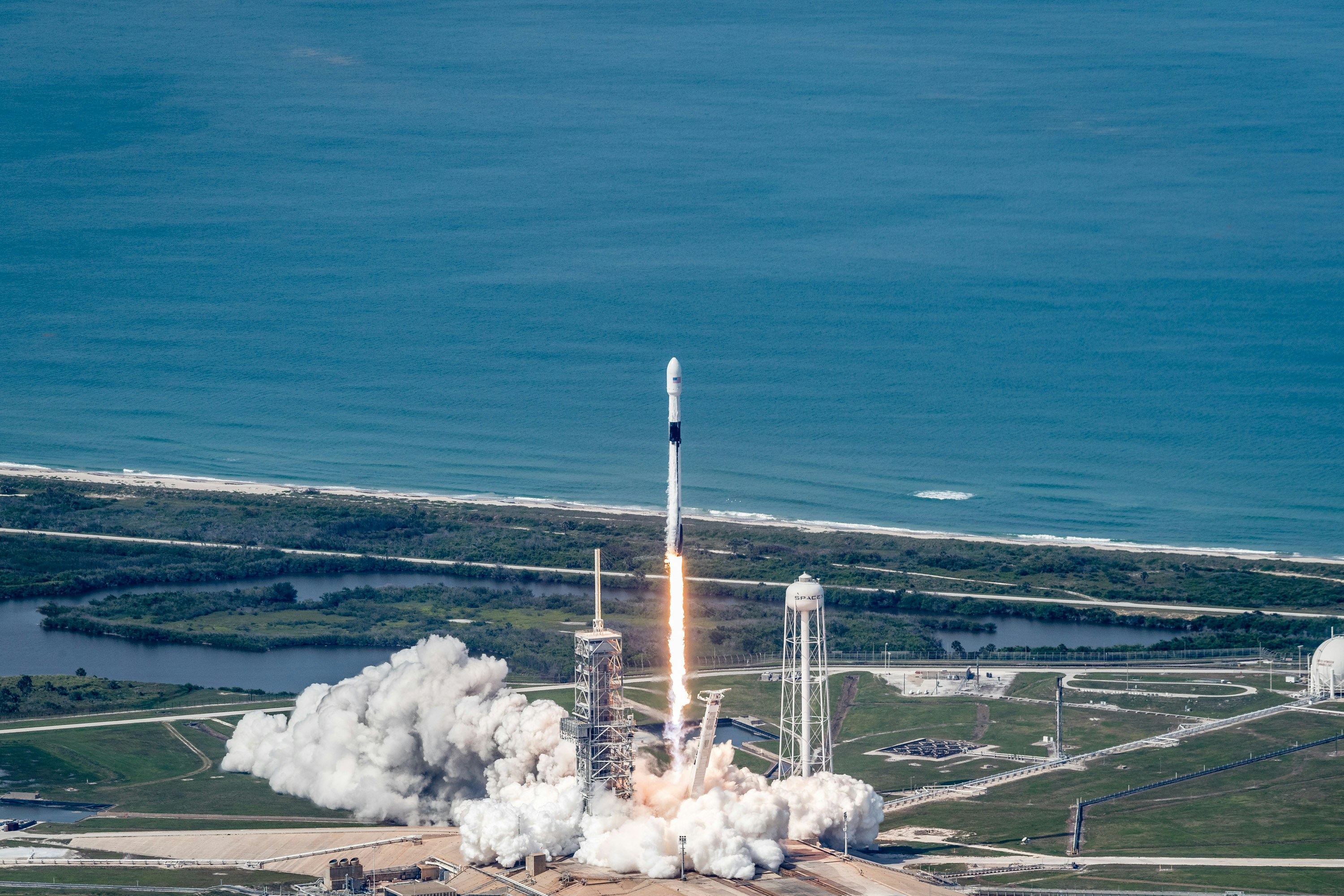
Starship receives FAA approval for its next test flight, while SpaceX prepares to launch more Starlink satellites amidst reaching 5 million subscribers.
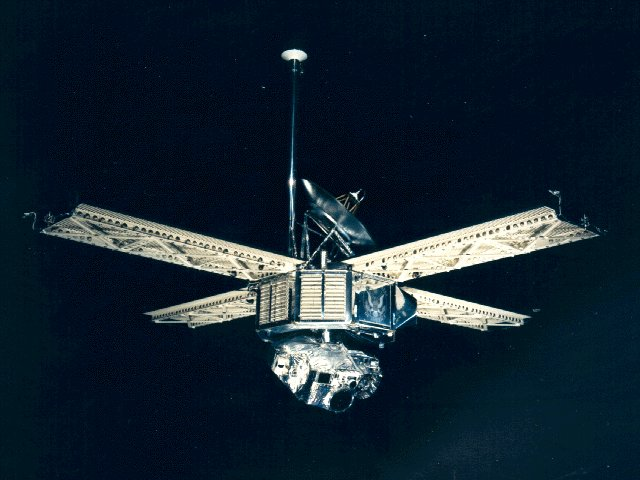
Fifty-six years ago, a revolutionary spacecraft launched toward the Red Planet after being saved from disaster by two quick-thinking technicians who risked their lives to prevent a rocket collapse

Today's brief covers the expansion of the U.S. missile defense shield, a new contract for Viasat from the U.S. Space Force, and the Missile Defense Agency's call for innovative Iron Dome concepts.

U.S. Space Force selects Boeing's 702MP spacecraft for next-generation MUOS satellites. Rocket Lab delivers Synspective's 10th StriX radar satellite. Track both missions.

A fatality at SpaceX's Starbase shakes the program as Starship V3, standing 124 m tall with Raptor 3 engines, nears its maiden flight.
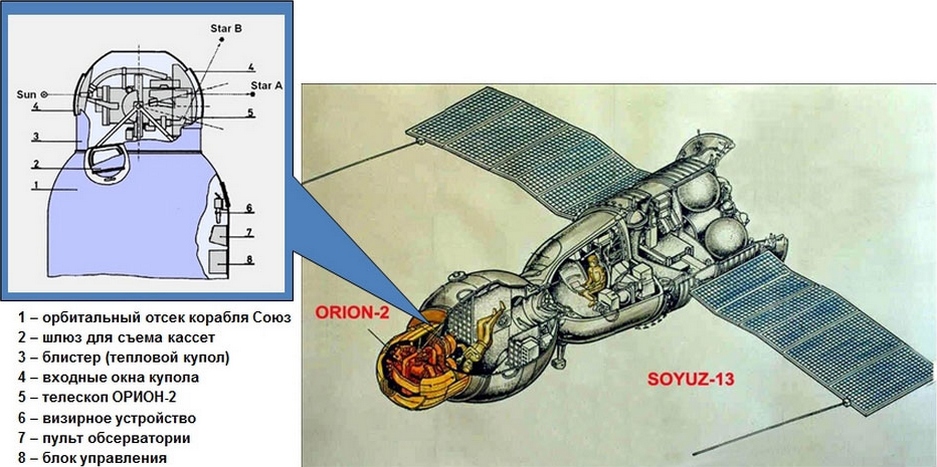
Exactly 52 years ago today, the Soviet Union launched Soyuz 13 - a scientific mission that marked the first time American astronauts and Soviet cosmonauts orbited Earth simultaneously. Armed with a revolutionary ultraviolet telescope, Pyotr Klimuk and Valentin Lebedev would discover elements never before seen in distant nebulae.
Lt. Gen. Doug Schiess nominated to lead Space Force, becoming the third Chief of Operations since the service's 2019 founding. Pentagon clears 8 firms for classified AI access.