


Space Brief 16 Sep 2025
Today's brief highlights the impact of military spending and technology competition on the space economy, new satellite connectivity partnerships, and defense spending pledges in Europe.


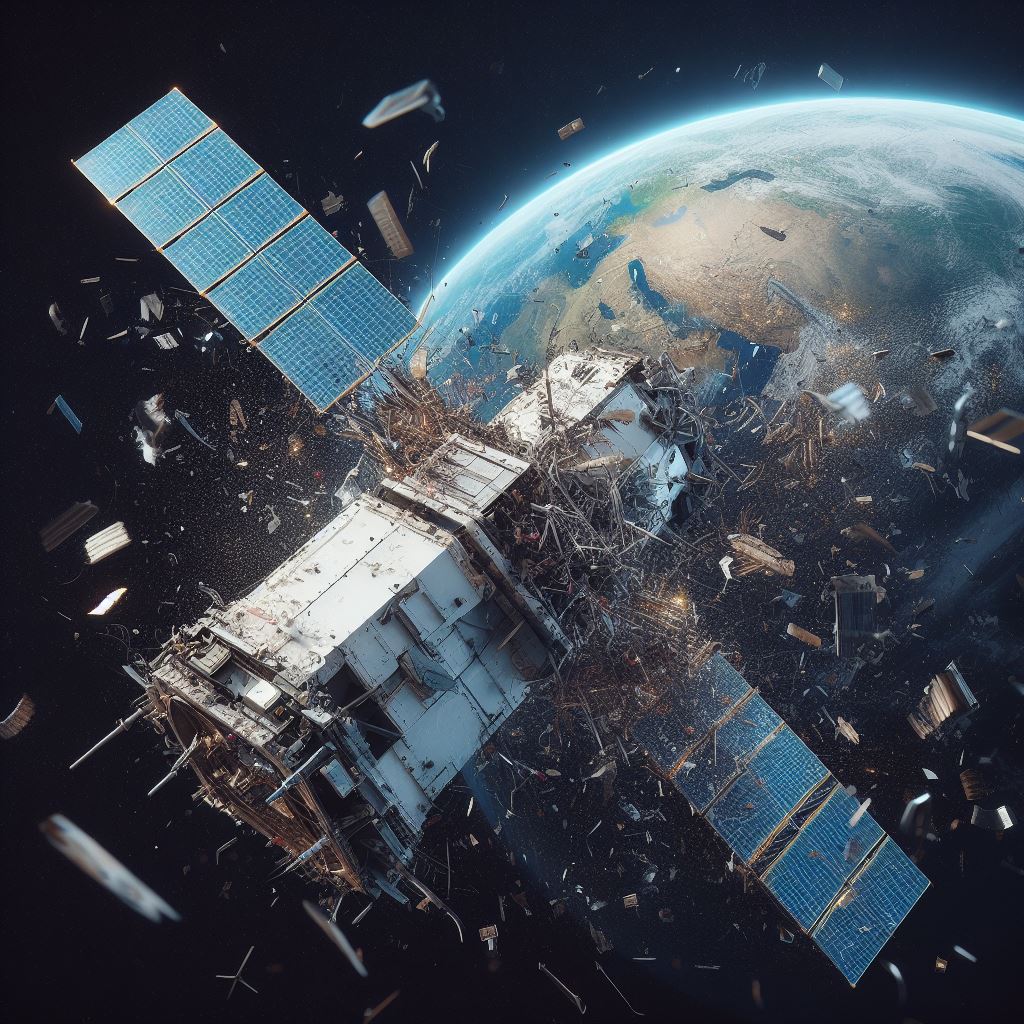
Launch Date
October 14, 1999
Launch Site
TAISC
Launch Pad
LC7
Launch Vehicle
Chang Zheng 4B
NORAD ID
30788
International Designator
1999-057NX
Decay Date
7/19/2007
Name
CBERS 1 DEB
Alternative Name
deb ZY-1 01
Type
Status
Owner
CNSA
Country
China
Constellation
N/A
Related Satellites
Major Events
N/A
Length
0
Diameter
0
Span
0
Dry Mass
0
Launch Mass
0
Shape
N/A
Radar Cross Section
0.026
Visual Magnitude
Unknown
Color
Unknown
Material Composition
Unknown
Payload
Unknown
Purpose
Unknown
Mission
Unknown
Manufacturer
Unknown
Life Expectancy
Unknown
Bus
Unknown
Configuration
Unknown
Motor
Unknown
Equipment
Unknown
Power System
Unknown
ADCS
Unknown
Transmitter Frequency
Unknown
Learn more about satellites and other related topics.
Today's brief highlights the impact of military spending and technology competition on the space economy, new satellite connectivity partnerships, and defense spending pledges in Europe.
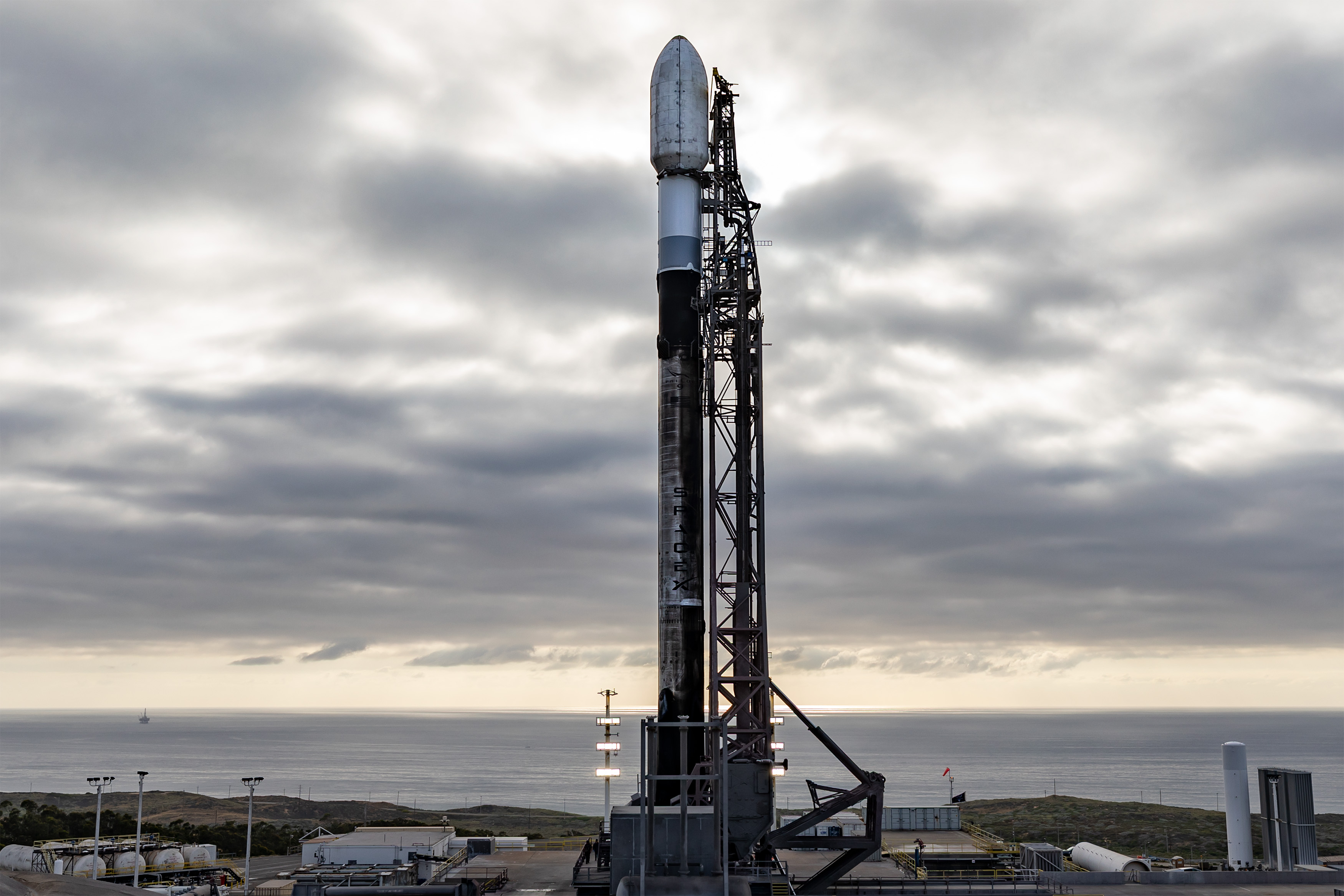
SpaceX CAS500-2 launch success: Falcon 9 flew May 3 at 0700 UTC from Vandenberg with South Korea's imaging satellite and 44 rideshare payloads.

Today's highlights include SpaceX's record-breaking Falcon launches, urgent warnings about orbital collisions, and a doubleheader launch featuring spy and Starlink satellites.
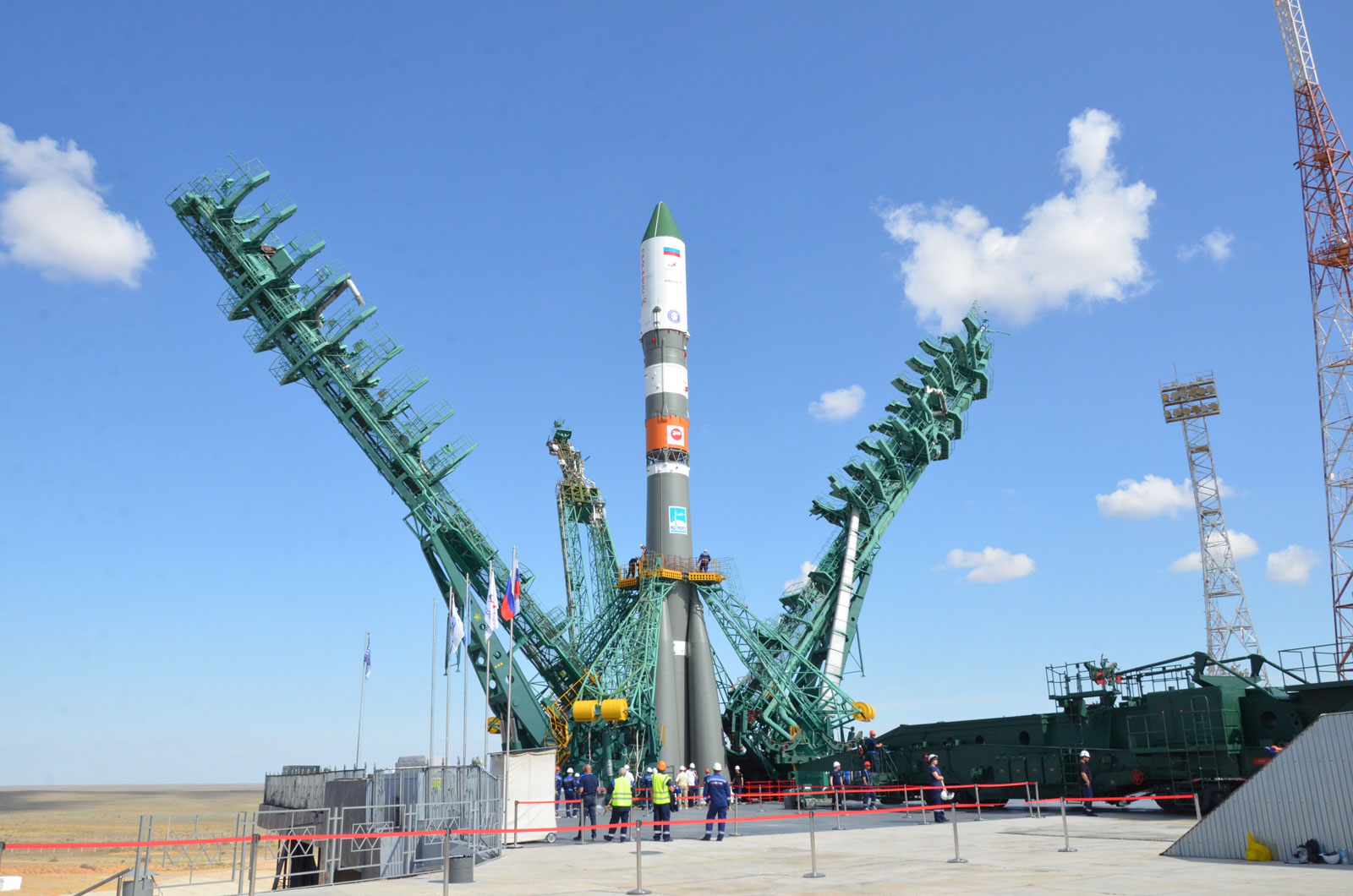
Today's brief covers the Vulcan Centaur's first mission, military space automation insights, and the retirement reflections of a Space Force leader.
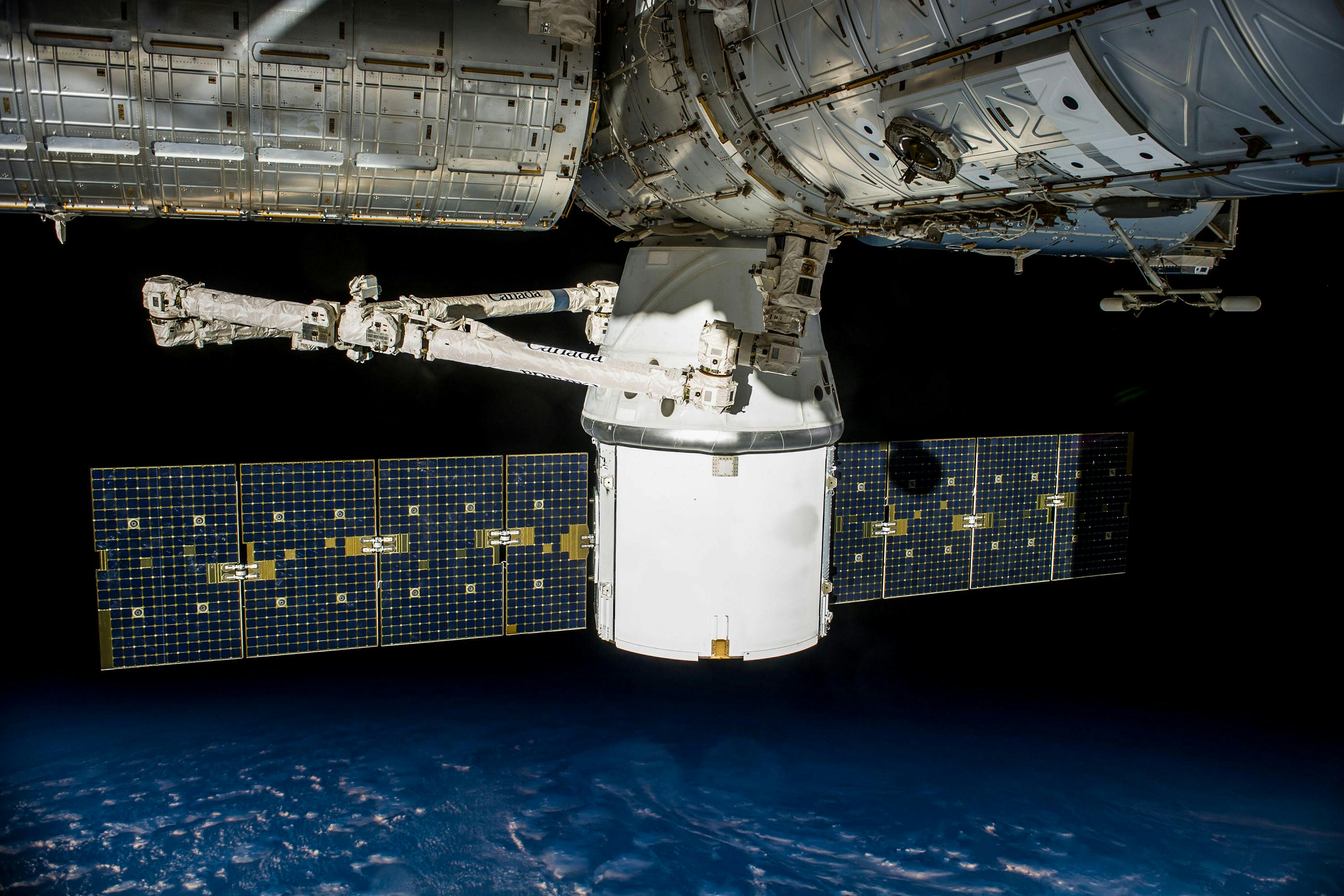
SpaceX celebrates a year of industry milestones, including the successful deployment of Starlink satellites and innovative advancements in rocket technology.

Space highlights include a debut launch of ZhuQue-2E, Firefly's lunar lander timeline, semiconductor funding for satellites, and ISS debris avoidance.
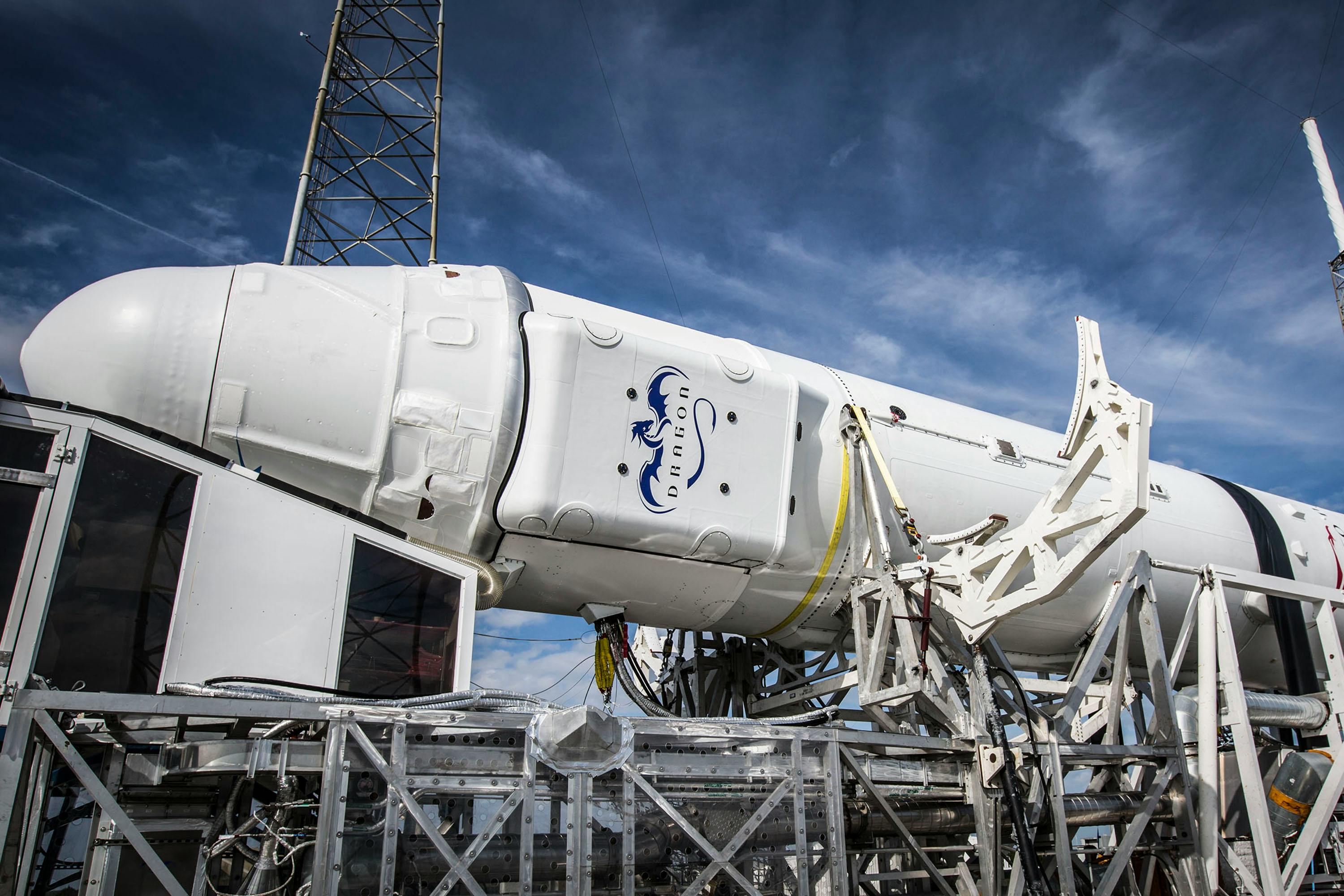
FAA documents expose SpaceX's Starfall reentry vehicle program, targeting in-space manufacturing support as the Starlink constellation holds 10,397 working satellites.
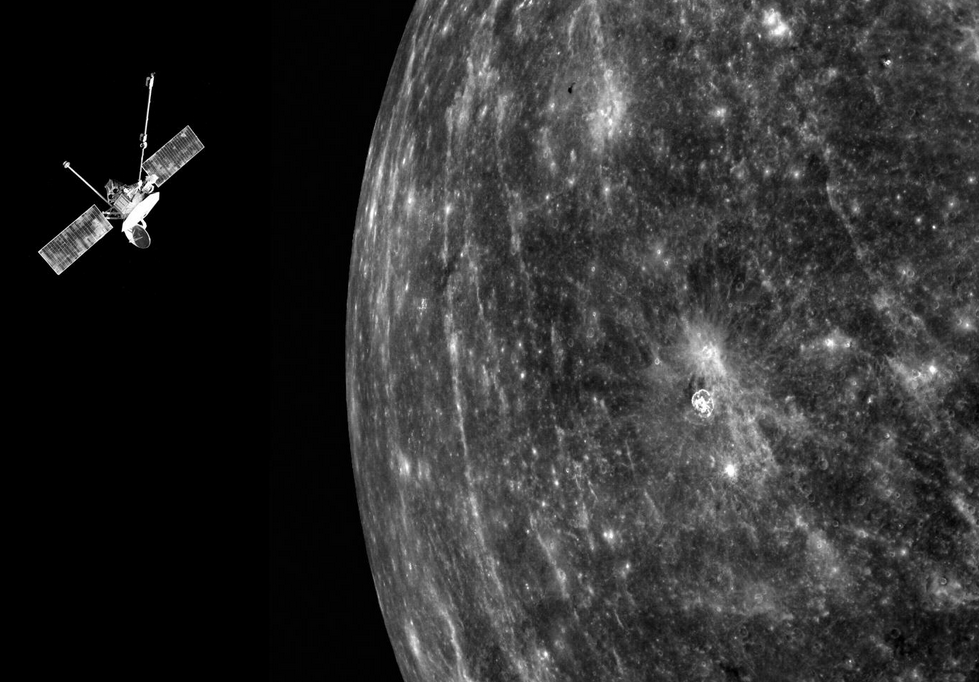
Fifty-one years ago, Mariner 10 revolutionized space exploration by executing the first-ever planetary gravity assist at Venus, pioneering a technique that would transform how we explore the solar system