


Space Brief 5 Aug 2025
Today's Space Brief covers Lockheed Martin's pursuits in missile interception, key military advancements in space integration, the UK launch license for Skyrora, and much more.


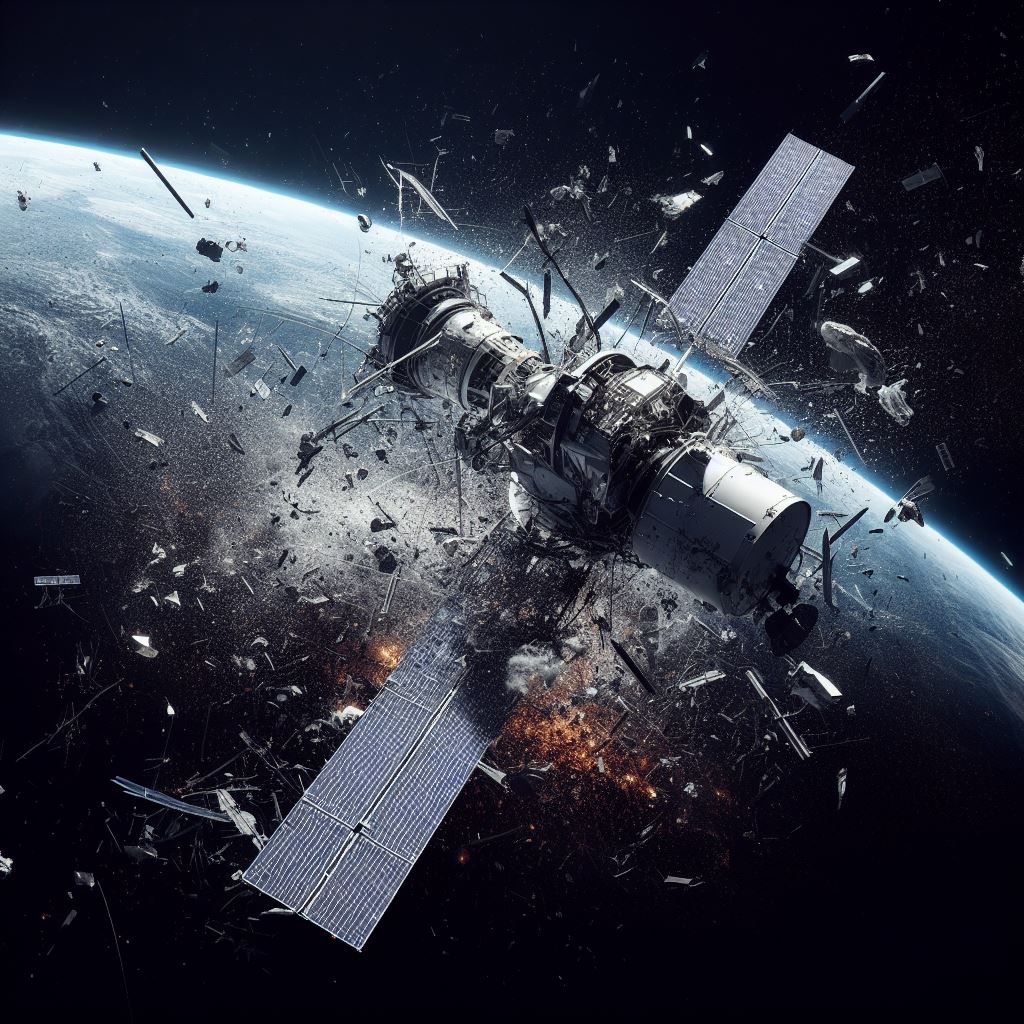
Launch Date
October 14, 1999
Launch Site
TAISC
Launch Pad
LC7
Launch Vehicle
Chang Zheng 4B
NORAD ID
30781
International Designator
1999-057NQ
Decay Date
3/14/2007
Name
CBERS 1 DEB
Alternative Name
deb ZY-1 01
Type
Status
Owner
CNSA
Country
China
Constellation
N/A
Related Satellites
Major Events
N/A
Length
0
Diameter
0
Span
0
Dry Mass
0
Launch Mass
0
Shape
N/A
Radar Cross Section
0.0353
Visual Magnitude
Unknown
Color
Unknown
Material Composition
Unknown
Payload
Unknown
Purpose
Unknown
Mission
Unknown
Manufacturer
Unknown
Life Expectancy
Unknown
Bus
Unknown
Configuration
Unknown
Motor
Unknown
Equipment
Unknown
Power System
Unknown
ADCS
Unknown
Transmitter Frequency
Unknown
Learn more about satellites and other related topics.
Today's Space Brief covers Lockheed Martin's pursuits in missile interception, key military advancements in space integration, the UK launch license for Skyrora, and much more.

SpaceX scrubs Crew-10 launch due to hydraulics issue; successful Falcon 9 launch for NASA missions, and Texas supports SpaceX expansion.
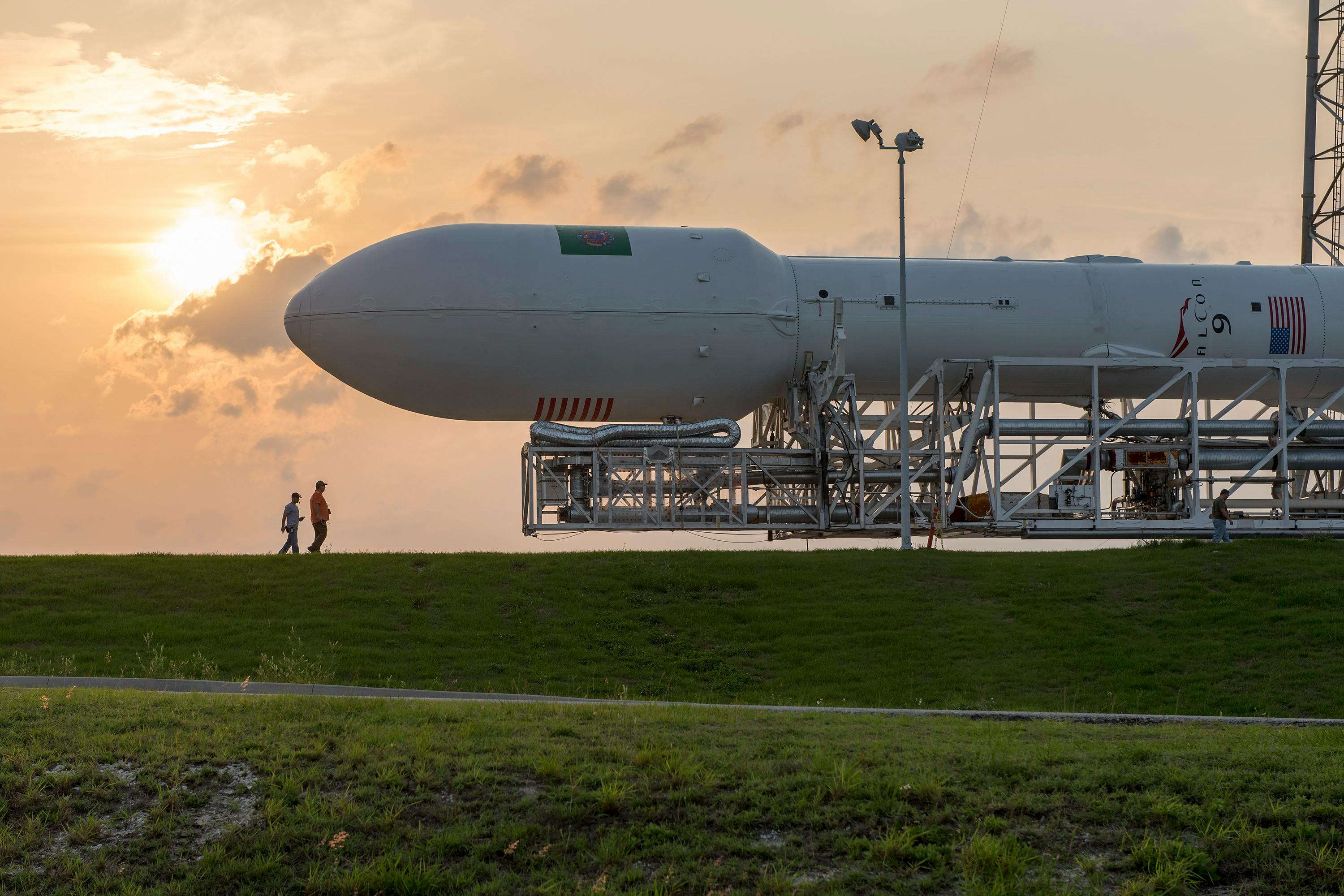
SpaceX successfully launched its 100th Falcon 9 flight, deploying 29 Starlink satellites, while NASA plans to test SpaceX’s Starshield. Additionally, SpaceX engages in social media commentary regarding American Airlines' interest in Amazon's Starlink rival.
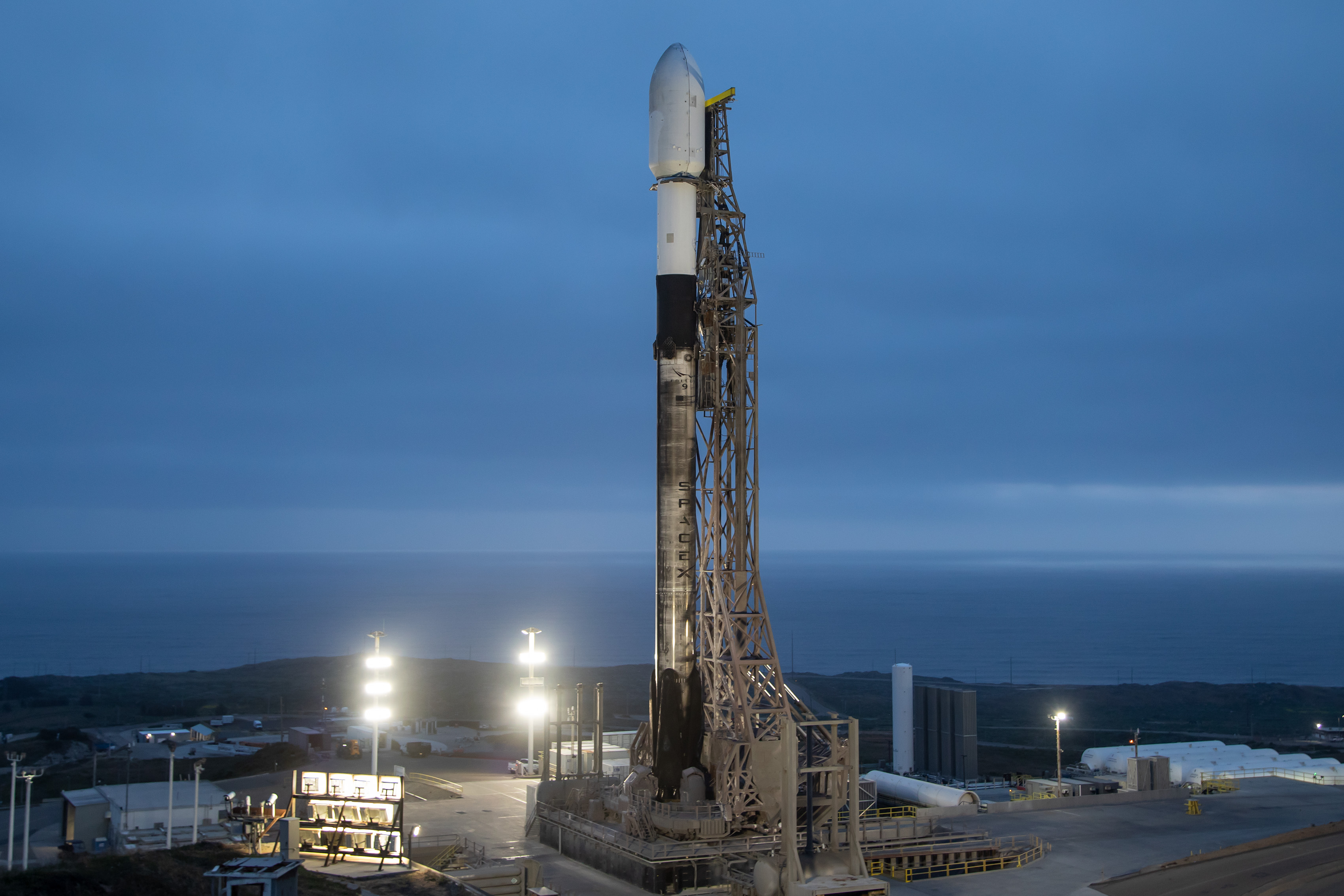
Firefly Aerospace launches return-to-flight Firefly Alpha on March 10 after Flight 6 anomaly. SpaceX also launches EchoStar 25 GEO satellite and multiple Starlink batches this week.
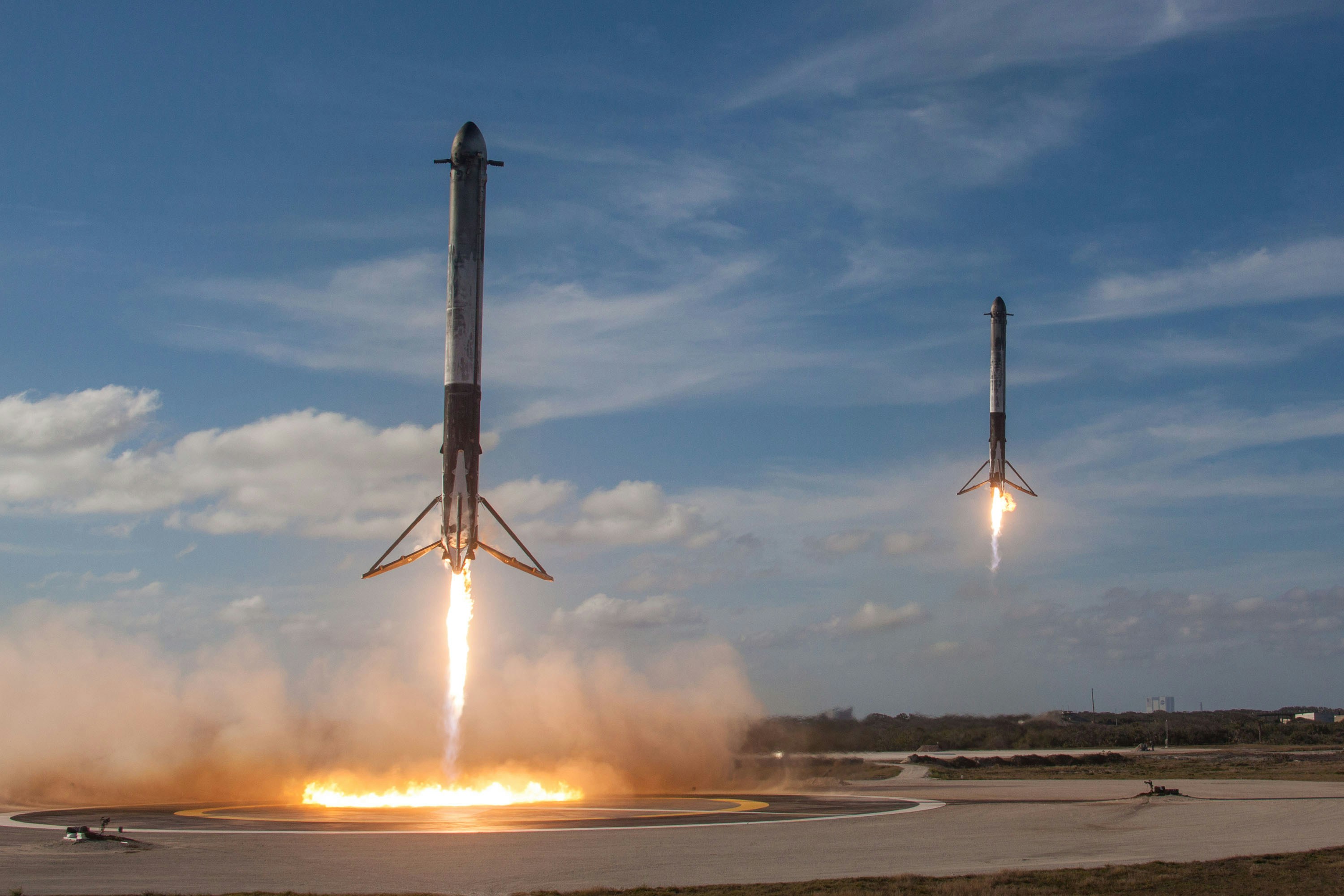
SpaceX achieves a significant milestone with its 250th Starlink mission, and Starlink eyes expansion into South Korea amid rising global demand for satellite internet. Meanwhile, Amazon's Project Kuiper launches its first operational mission, marking increased competition for Starlink.
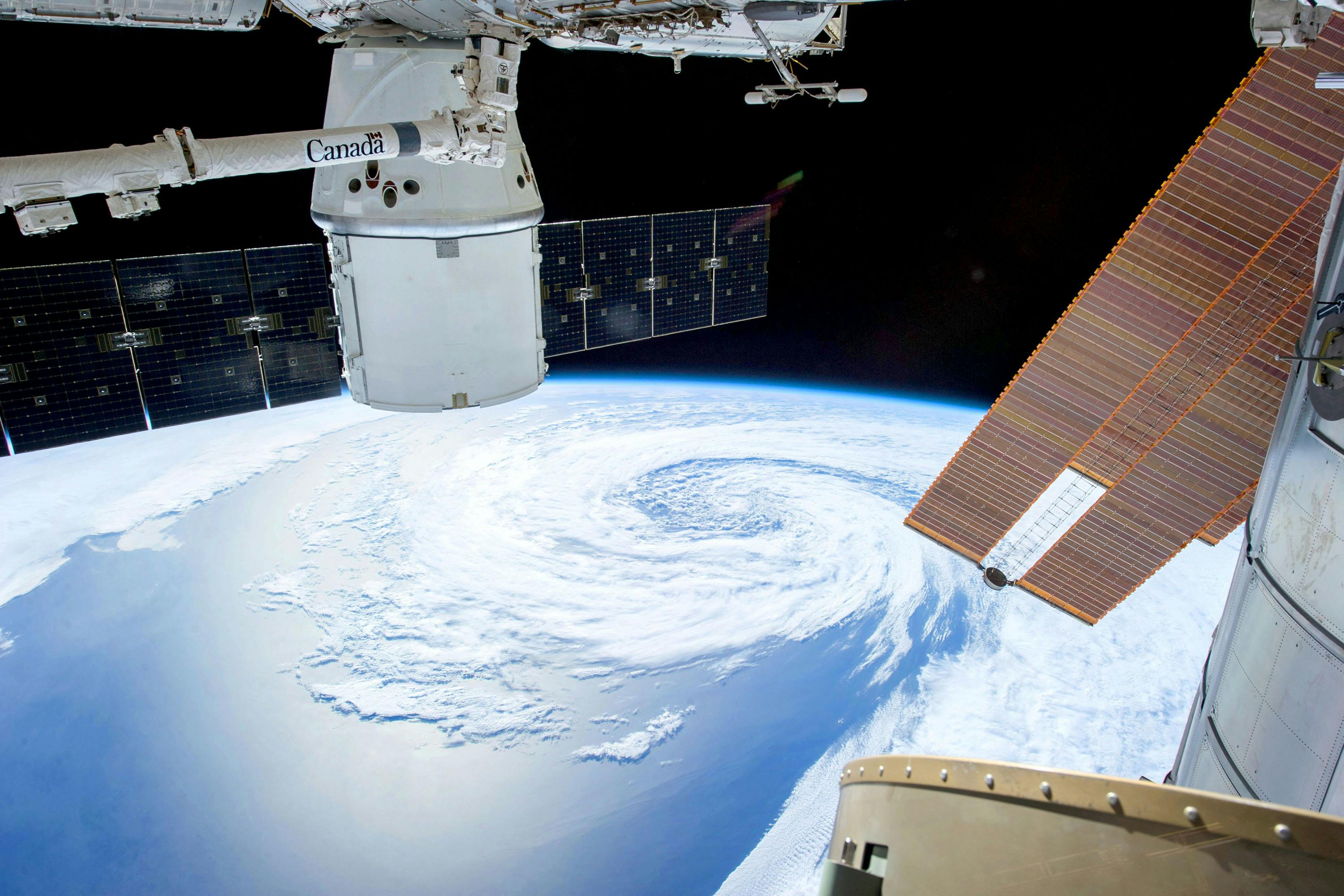
SpaceX successfully launched 28 Starlink satellites from Florida, marking another milestone for their ongoing deployment efforts.
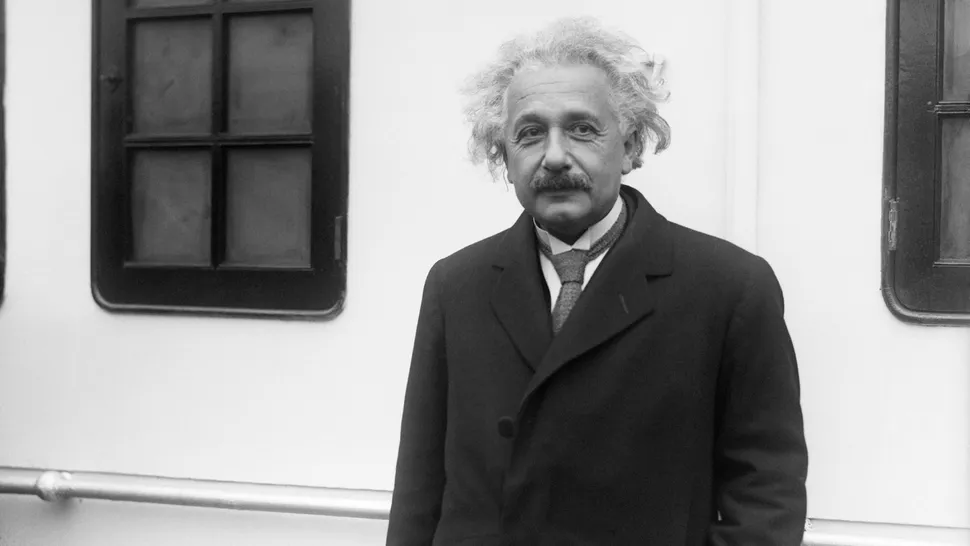
Ask anyone on the street who the smartest person ever was, and most will say Albert Einstein. Exactly 71 years ago today, this genius departed from the world. Today, we examine Einstein's innumerable contributions to astronomy and how he shaped space history for years to come.

The Kessler Syndrome threatens humanity's future in space as cascading satellite collisions create exponential debris growth. With 36,000+ tracked objects and recent incidents accelerating risks, we face a critical juncture: implement solutions now or potentially lose access to low Earth orbit forever.