



Space Brief 11 Nov 2024
SpaceX gears up for a Starlink launch from Florida amid ongoing space policy discussions. A closer look at the OneWeb satellite series in our Satellite Spotlight.



Launch Date
May 10, 1999
Launch Site
TAISC
Launch Pad
LC7
Launch Vehicle
Chang Zheng 4B
NORAD ID
30708
International Designator
1999-025ARS
Epoch
Sat, 04 Jul 2026 06:46:27 GMT
Apogee
Calculating...
Perigee
Calculating...
Inclination
98.68°
Right Ascension
197.66°
Eccentricity
Calculating...
Argument of Perigee
350.78°
Period
101.96 min
Mean Motion
14.12 rev/day
Latitude
Calculating...
Longitude
Calculating...
Altitude
Calculating...
Velocity
Calculating...
Name
FENGYUN 1C DEB
Alternative Name
deb FY-1C
Type
Status
Owner
CASC
Country
China
Constellation
N/A
Related Satellites
Major Events
N/A
1 30708U 99025ARS 26185.28226567 .00000205 00000-0 13425-3 0 9998
2 30708 98.6814 197.6554 0008031 350.7842 21.1677 14.12295236997097
Source: Celestrak
Length
0
Diameter
0
Span
0
Dry Mass
0
Launch Mass
0
Shape
N/A
Radar Cross Section
0.0087
Visual Magnitude
Unknown
Color
Unknown
Material Composition
Unknown
Payload
Unknown
Purpose
Unknown
Mission
Unknown
Manufacturer
Unknown
Life Expectancy
Unknown
Bus
Unknown
Configuration
Unknown
Motor
Unknown
Equipment
Unknown
Power System
Unknown
ADCS
Unknown
Transmitter Frequency
Unknown
Learn more about satellites and other related topics.
SpaceX gears up for a Starlink launch from Florida amid ongoing space policy discussions. A closer look at the OneWeb satellite series in our Satellite Spotlight.

Delve into the latest on military AI leadership debates, Wedgetail funding increases, and the Army's Short Range Reconnaissance Program advancements. Explore how these developments influence satellite tracking and defense initiatives.

Today's brief covers key topics such as SpaceX's latest Starlink launch, the European Space Agency's new initiatives, and Space Force's integration of AI into its operations.
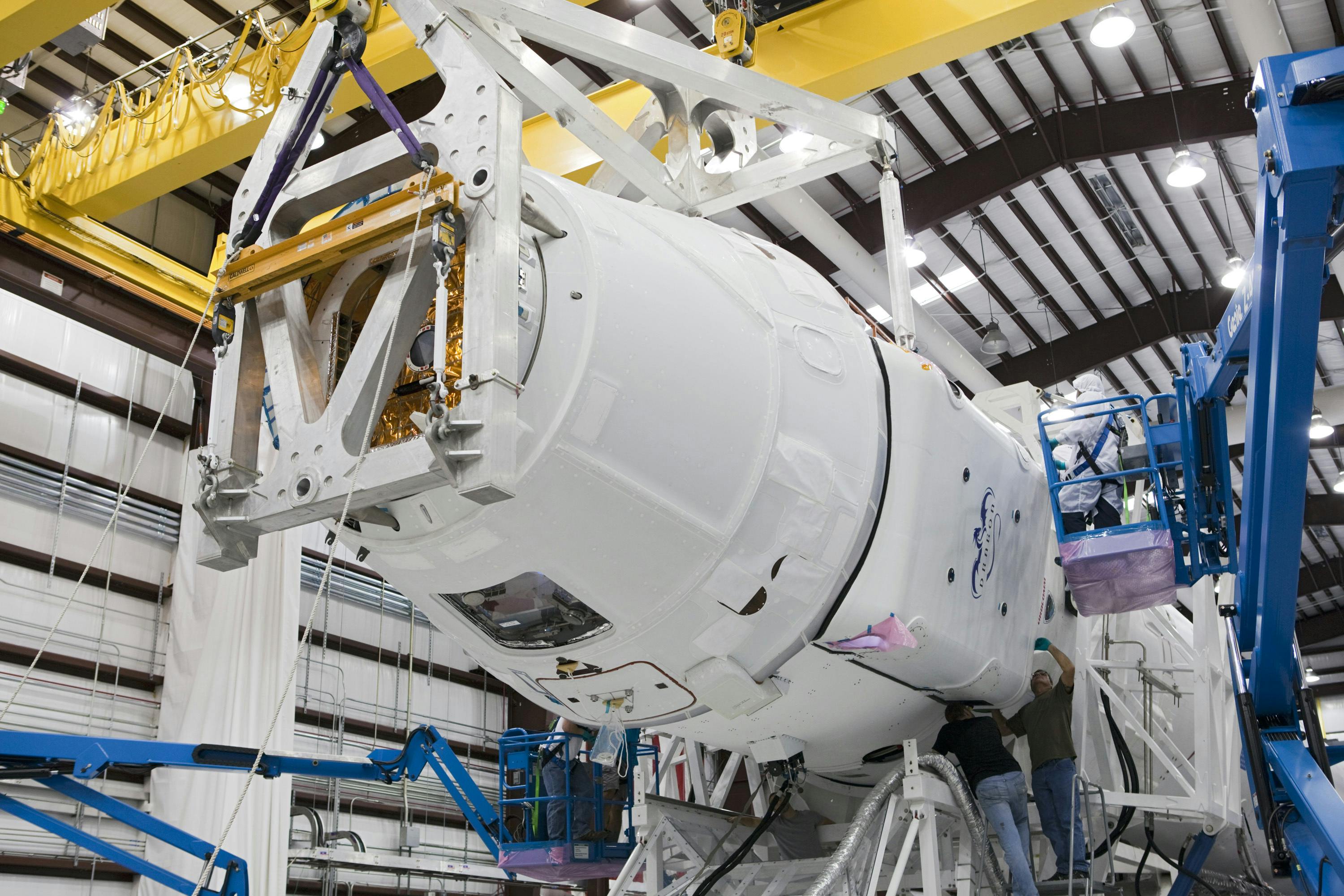
SpaceX marks a milestone with its 250th Starlink mission, continuing to expand its broadband satellite network.

Transporter 16 carries 119 payloads: SpaceX's rideshare mission targets Sun-synchronous orbit from Vandenberg, one of its densest manifests yet.
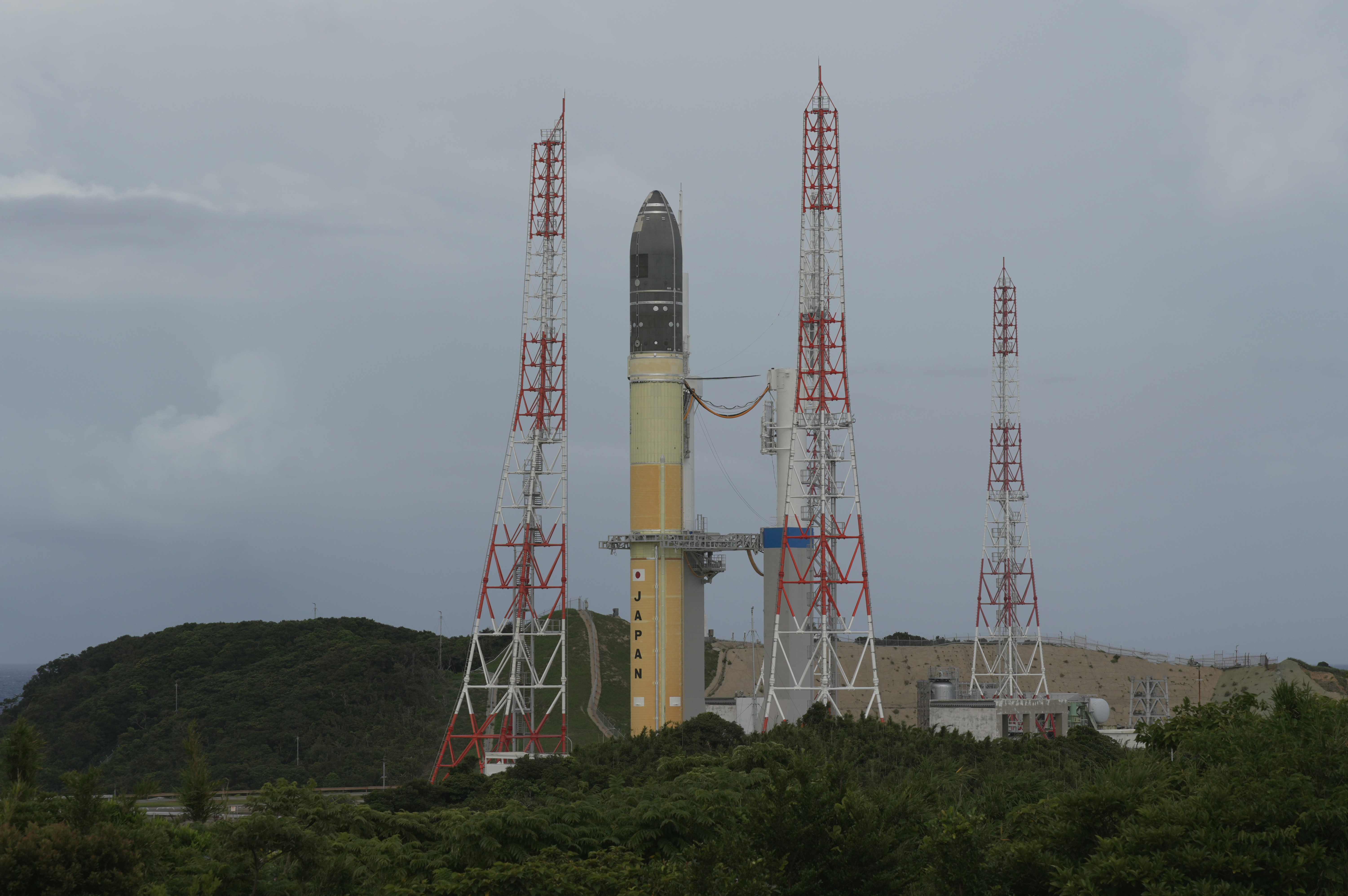
NASA demands Blue Origin find alternate launcher for Artemis moon landers after New Glenn test explosion damaged Cape Canaveral LC-36. Schedule risk to lunar missions.
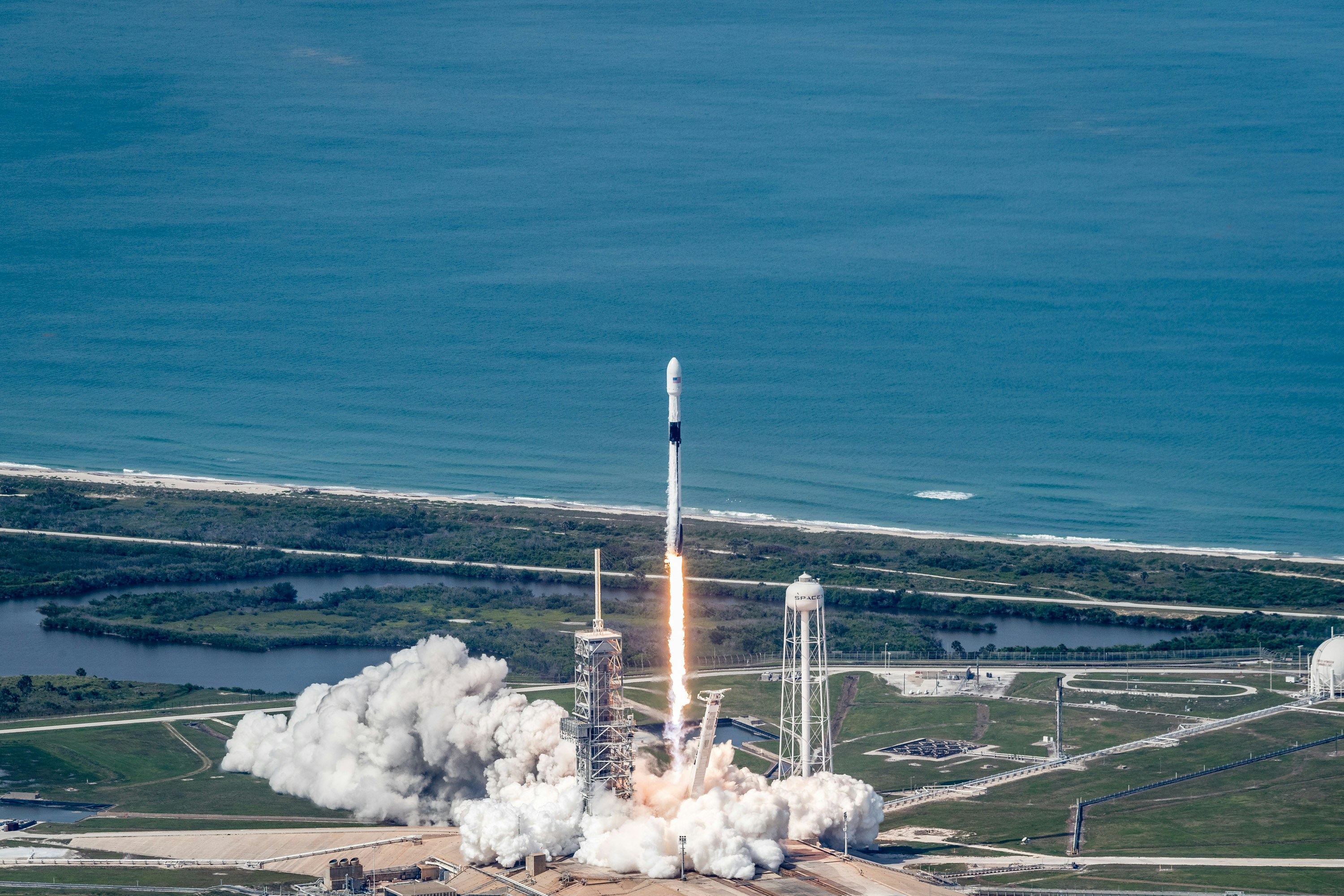
SpaceX continues to make strides in satellite deployment with a successful launch. The European Space Agency's new satellite enhances global atmospheric forecasting, showcasing the expanding role of launches in improving environmental monitoring.

The Kessler Syndrome threatens humanity's future in space as cascading satellite collisions create exponential debris growth. With 36,000+ tracked objects and recent incidents accelerating risks, we face a critical juncture: implement solutions now or potentially lose access to low Earth orbit forever.