


25 Starlinks Lift Off from Vandenberg in Latest Batch | KeepTrack X Report
SpaceX launched 25 more Starlink satellites from Vandenberg SFB on March 8, 2026, pushing the active constellation toward 9,914 working spacecraft.


Launch Date
February 17, 2007
Launch Site
Launch Pad
SLC17B
Launch Vehicle
Delta 7925-10C
NORAD ID
30582
International Designator
2007-004C
Epoch
Tue, 06 Apr 2010 22:45:00 GMT
Apogee
Calculating...
Perigee
Calculating...
Inclination
25.57°
Right Ascension
349.32°
Eccentricity
Calculating...
Argument of Perigee
71.12°
Period
70483.72 min
Mean Motion
0.02 rev/day
Latitude
Calculating...
Longitude
Calculating...
Altitude
Calculating...
Velocity
Calculating...
Name
ARTEMIS P2 (THEMIS C)
Alternative Name
THEMIS C
Type
Status
Owner
GSFC
Country
United States
Constellation
N/A
Related Satellites
Major Events
N/A
1 30582U 07004C 10095.94791667 -.00028999 00000-0 99999-4 0 9990
2 30582 025.5707 349.3222 6489751 071.1237 089.1304 00.02043025 5772
Source: Celestrak
Length
0.5
Diameter
0.8
Span
49.6
Dry Mass
76
Launch Mass
125
Shape
Box + 2 Ant
Radar Cross Section
0.7962
Visual Magnitude
Unknown
Color
Unknown
Material Composition
Unknown
Payload
THEMIS P2
Purpose
Research
Mission
Research
Manufacturer
SWALES
Life Expectancy
2 years
Bus
ATK-A100
Configuration
SMEX-Lite Spacecraft
Motor
Unknown
Equipment
see above
Power System
Solar cells, batteries
ADCS
Unknown
Transmitter Frequency
Unknown
Learn more about satellites and other related topics.
SpaceX launched 25 more Starlink satellites from Vandenberg SFB on March 8, 2026, pushing the active constellation toward 9,914 working spacecraft.

Today's briefing covers the Space Force's AI integration, new naming conventions for satellites, and updates on military and satellite acquisition strategies.
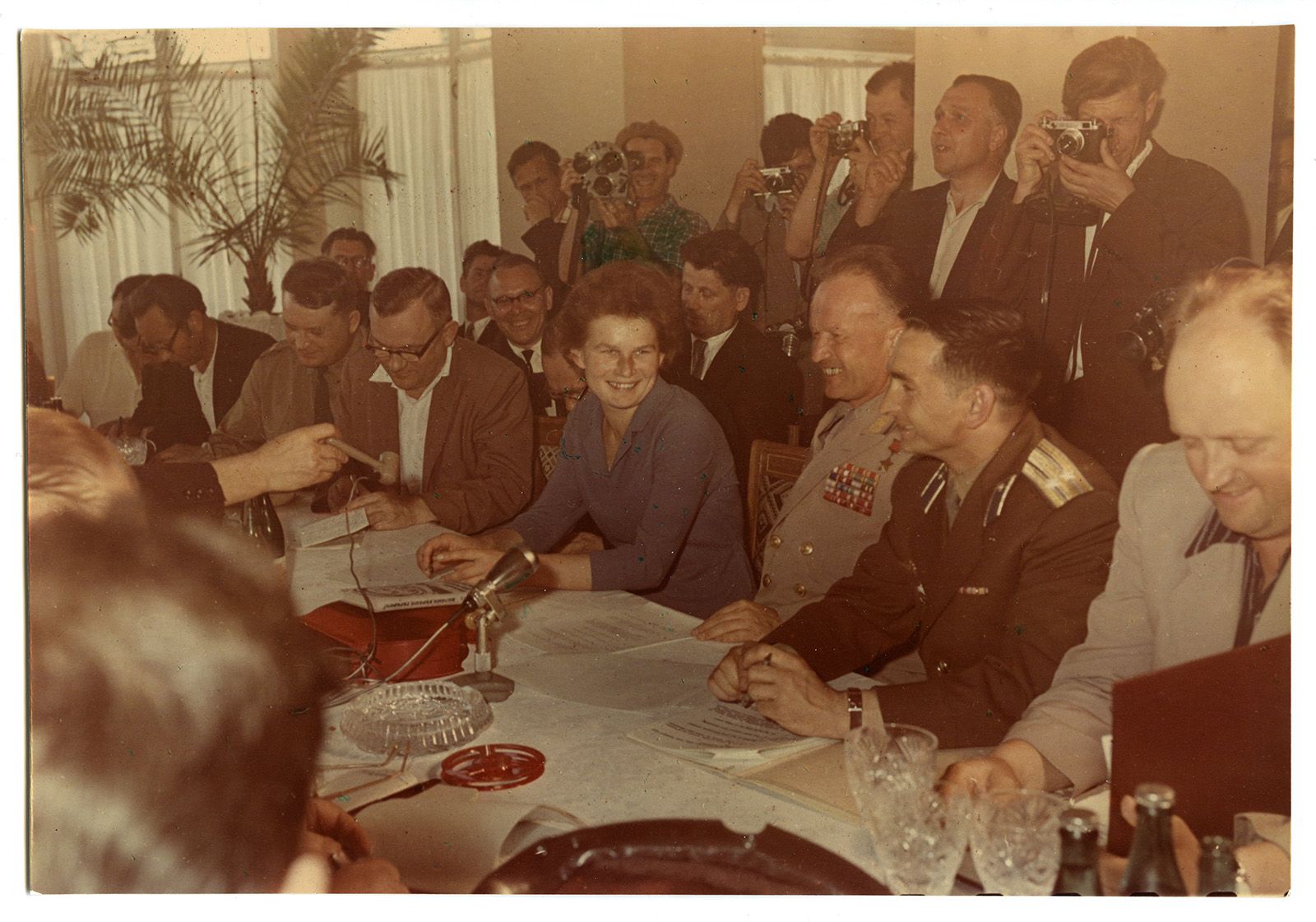
On 16 June 1963, a 26-year-old former textile worker named Valentina Tereshkova launched aboard Vostok 6 and spent nearly three days alone in orbit. She flew 48 times around the Earth, longer than every American astronaut combined, and spotted a dangerous flaw in her descent program that ground controllers had missed.
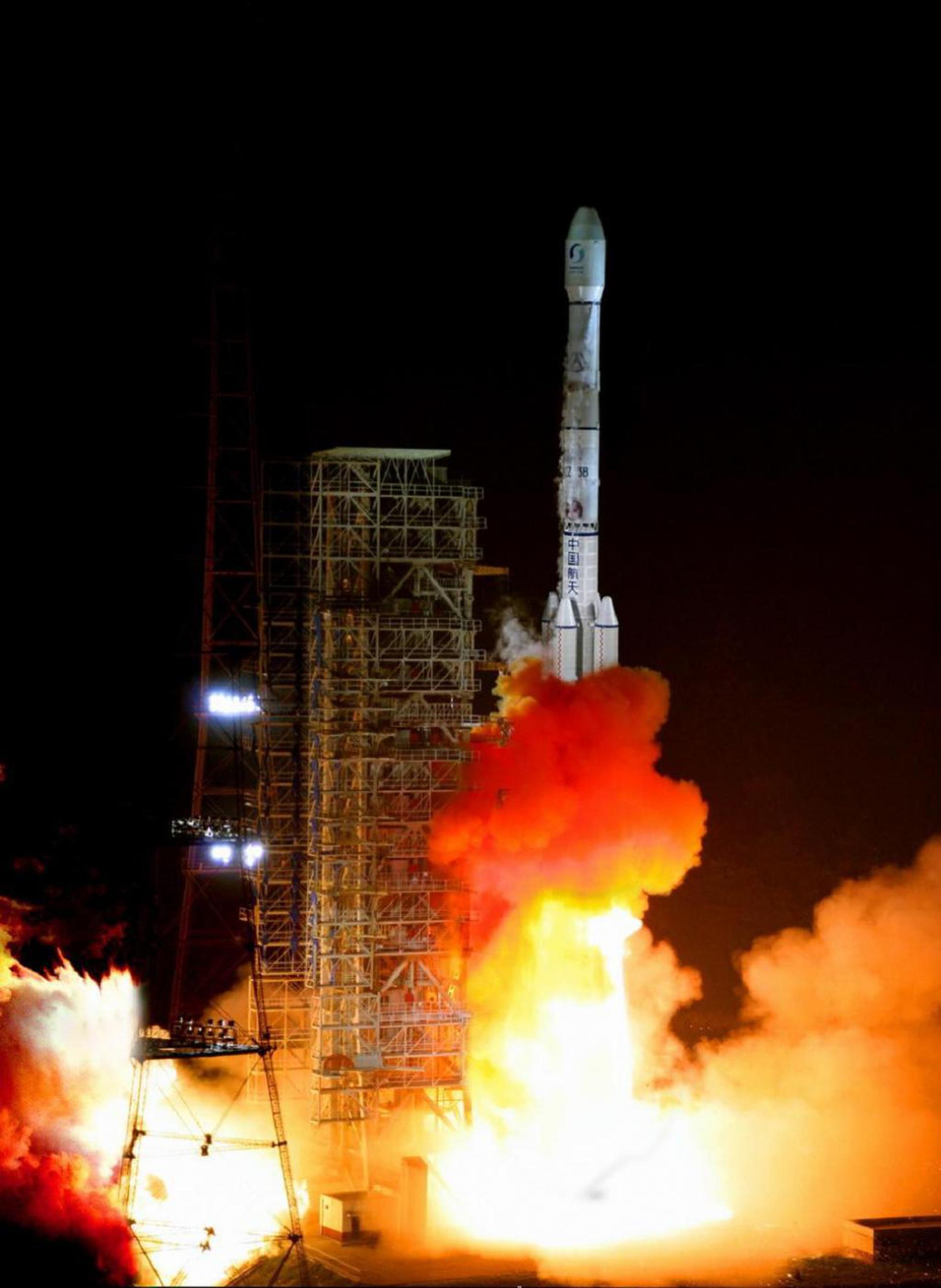
Today's space brief covers new ultraviolet data from the Europa Clipper, challenges in managing space debris, quantum advances in satellite technology, as well as a failed Indian satellite launch and more.

SpaceX successfully launched 28 Starlink satellites from Cape Canaveral, while Starship prepares for its ninth test flight next week.

Today's briefing covers significant developments in international rocket designs, recent astronaut health updates, and advancements in supersonic flight technology.
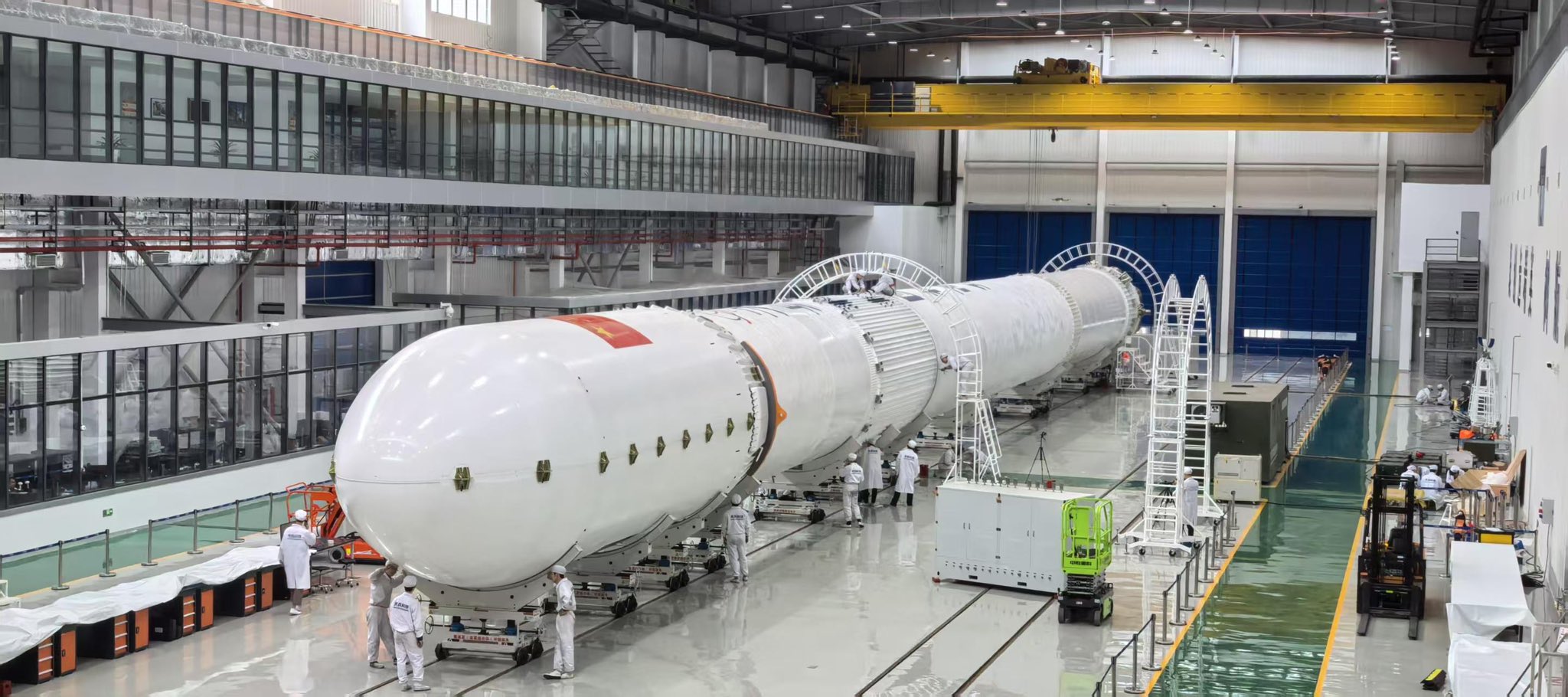
Second Starlink satellite malfunctioned on orbit and generated debris within three months of prior event. Falcon 9 booster completed record 34th mission from Cape Canaveral.
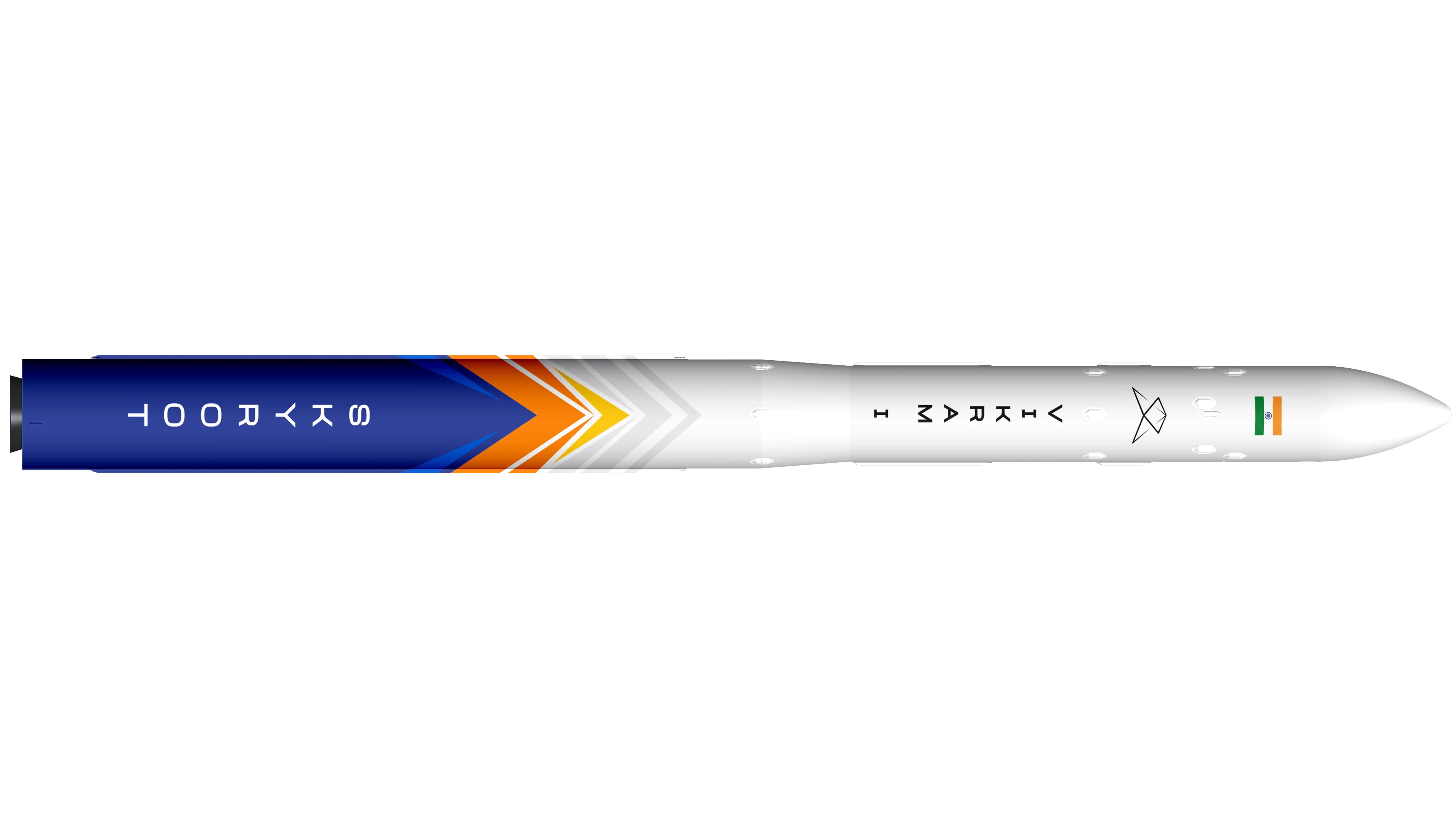
Pentagon's DIU seeks commercial partners for GEO spy satellites. SpaceX unveils space traffic management system. Bahamas rocket landings resume. GPS III falls short in modern warfare.