

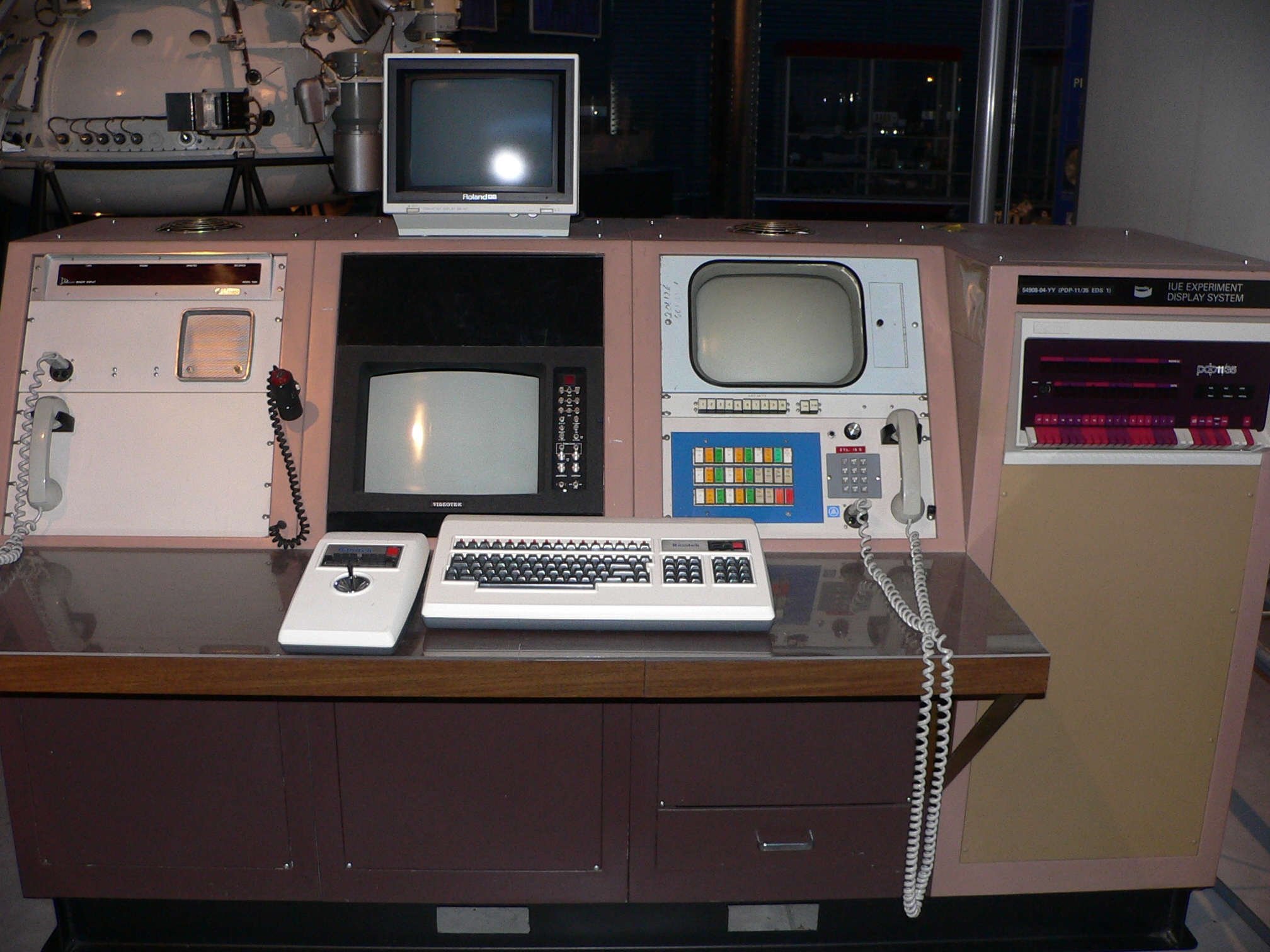
The Day Humanity Gained New Eyes on the Universe
Forty-seven years ago, a revolutionary space telescope changed our view of the cosmos, pioneering international cooperation in space-based astronomy


Launch Date
October 30, 1967
Launch Site
Launch Pad
LC1
Launch Vehicle
Soyuz 11A511
NORAD ID
03022
International Designator
1967-107B
Decay Date
11/2/1967
Name
SL-4 R/B
Alternative Name
Soyuz No. 07 Blok-I
Type
Status
Owner
RVSN
Country
USSR
Constellation
N/A
Related Satellites
Major Events
N/A
Length
7
Diameter
2.7
Span
7
Dry Mass
2700
Launch Mass
2700
Shape
Cyl
Radar Cross Section
Unknown
Visual Magnitude
Unknown
Color
Unknown
Material Composition
Unknown
Payload
11S510
Purpose
Unknown
Mission
Unknown
Manufacturer
PROG
Life Expectancy
Unknown
Bus
Blok-I
Configuration
Unknown
Motor
Unknown
Equipment
Unknown
Power System
Unknown
ADCS
Unknown
Transmitter Frequency
Unknown
Learn more about satellites and other related topics.
Forty-seven years ago, a revolutionary space telescope changed our view of the cosmos, pioneering international cooperation in space-based astronomy

Exploring new defense agreements with Eutelsat, advances in U.S. Space Force projects, and updates on NATO's strategic discussions.
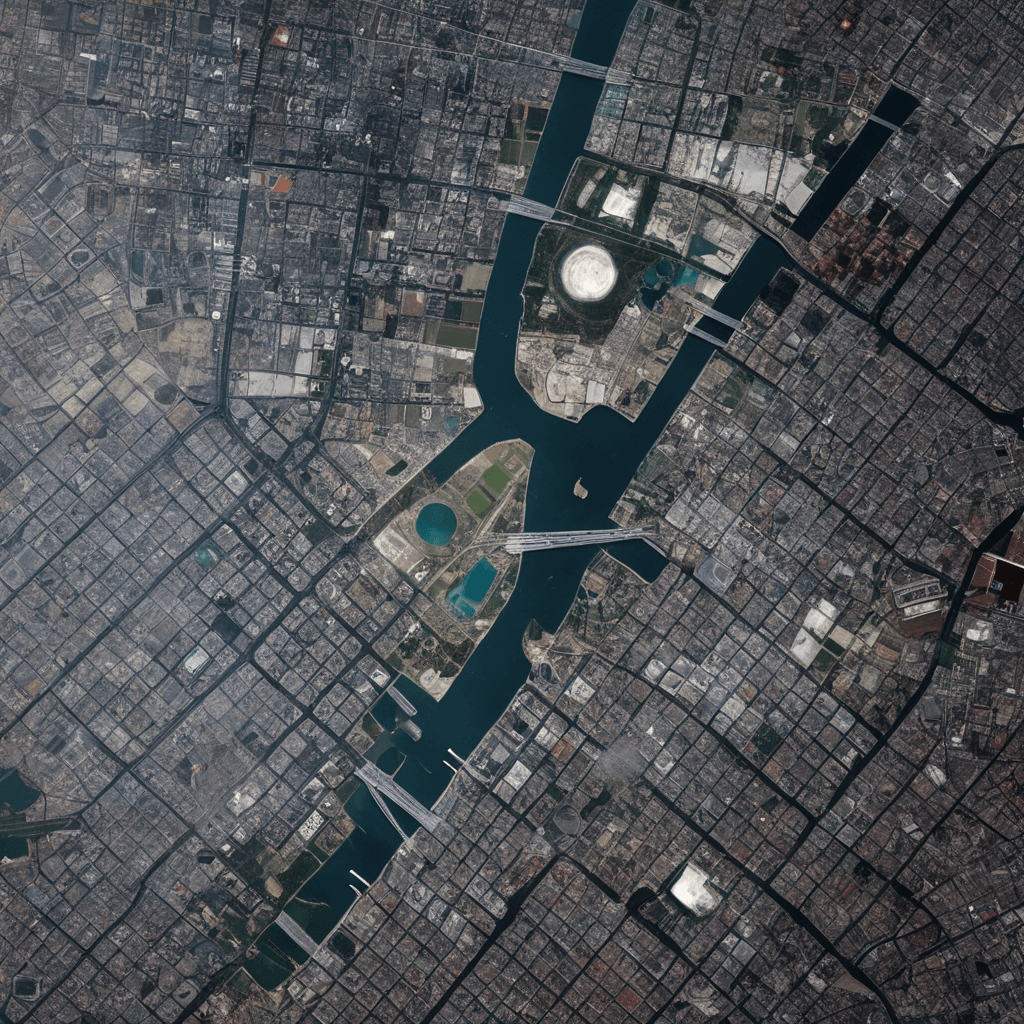
Learn which satellites take photos and why we can't get updates instantly.

Thirty years ago, a Chinese rocket veered off course two seconds after liftoff, destroyed a village, and triggered a political scandal that reshaped how the United States controls space technology to this day
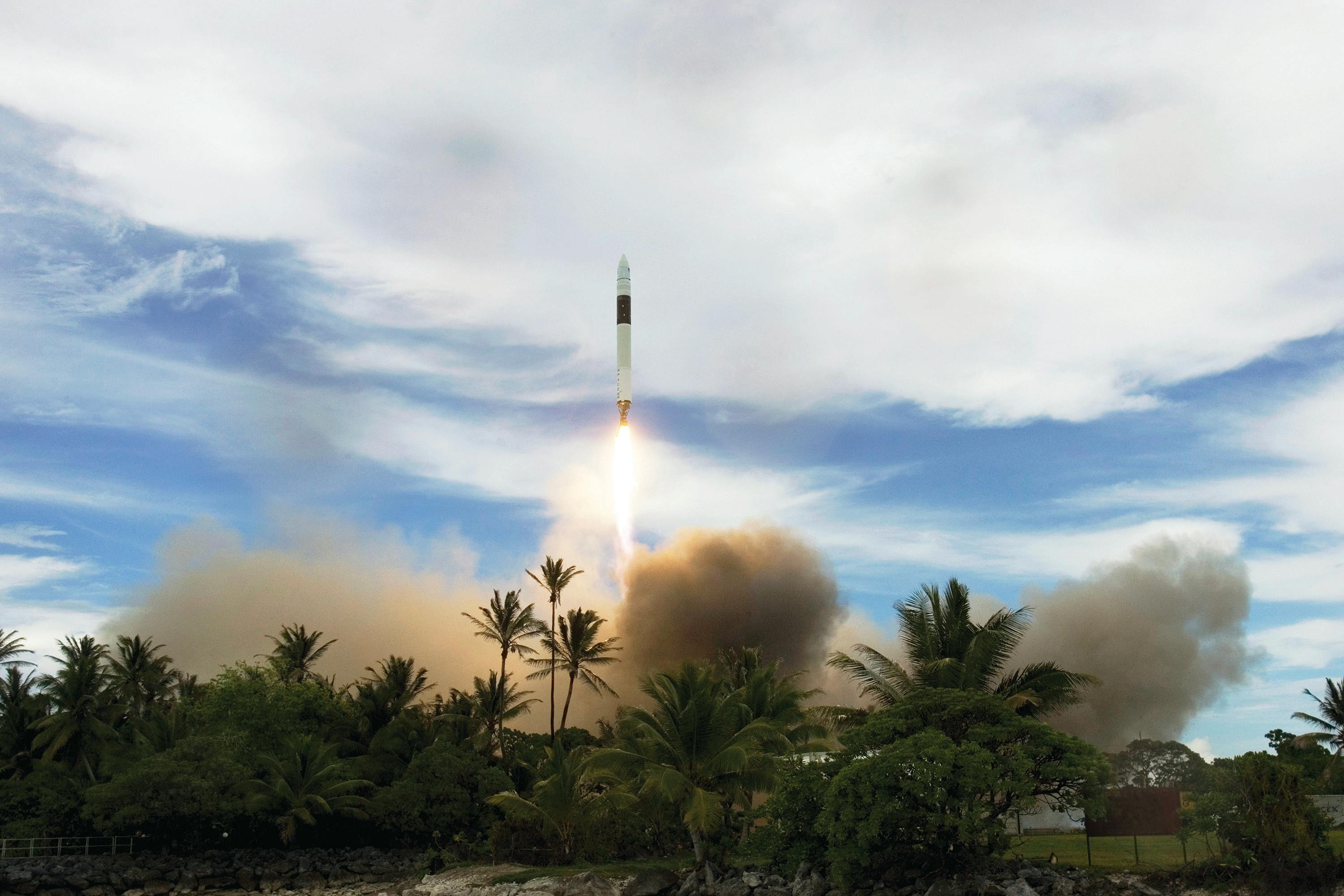
SpaceX's 2024 launch surge sets global records, with Florida making history in the U.S. Find out how these achievements are shaping the commercial space race.
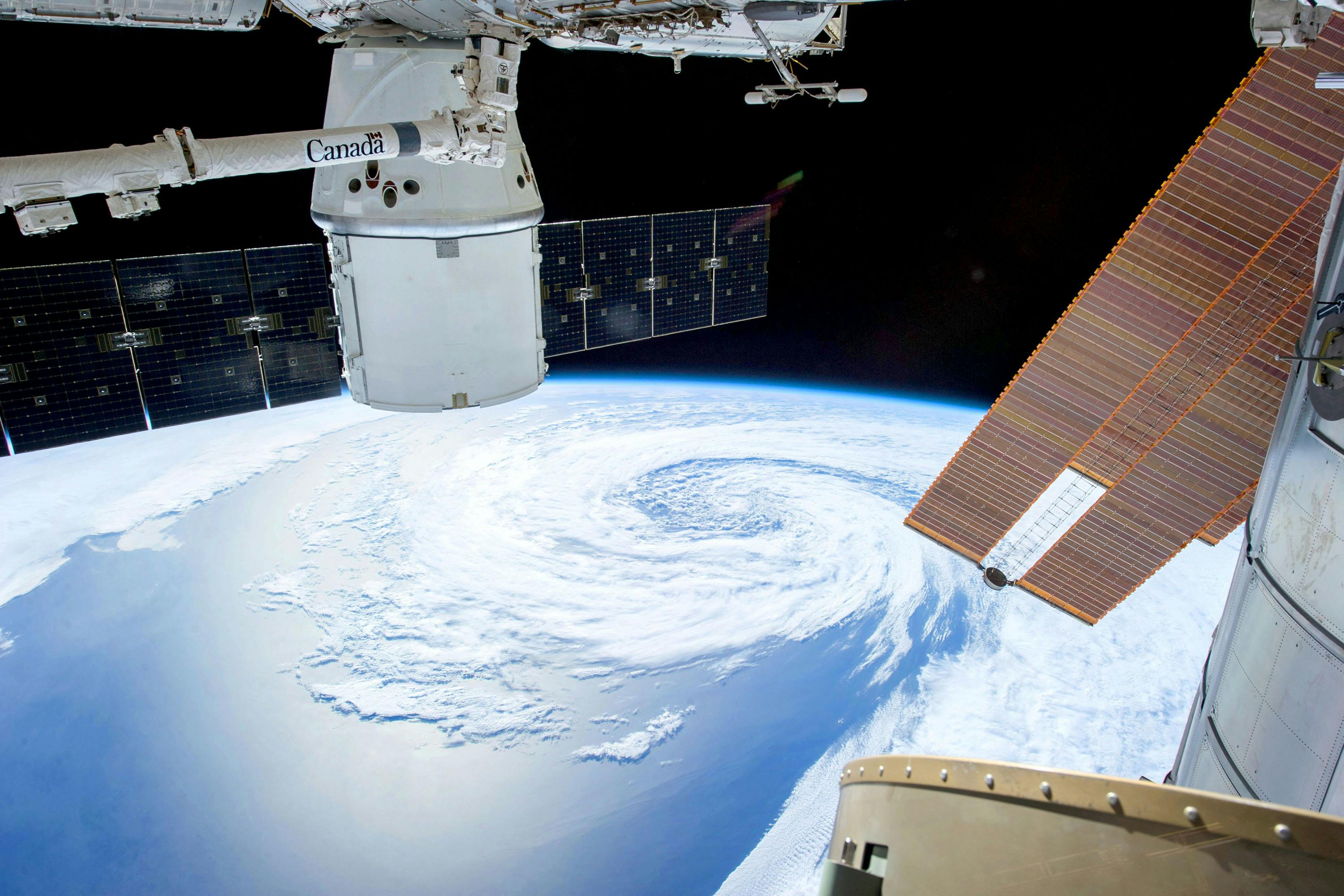
SpaceX continues its robust launch cadence with new Starlink deployments and faces challenges in Starship development following the recent damage to its prototype booster.

Today's Space Brief delves into NASA's lunar nuclear power initiative, a strategic Army data integration project, and a rare SpaceX Falcon booster launch. Also covered are significant advancements in military satellite technology and Navy unmanned surface vehicles.

ESA's Proba-3 spacecraft lost contact last month, grounding the dual-satellite solar eclipse mission. Formation flying between both craft is critical for coronagraph science.