


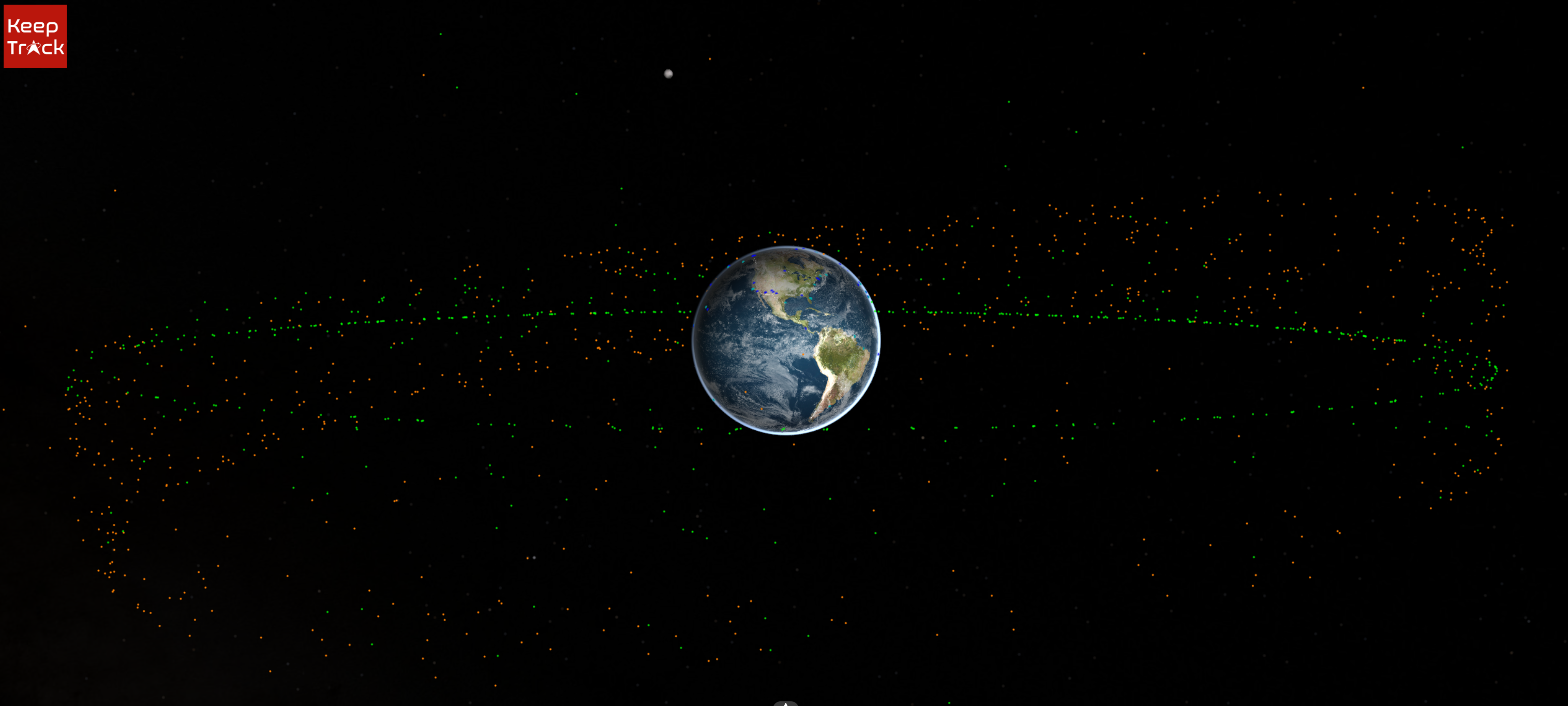
Graveyard Orbit
The final resting place for retired satellites, a disposal orbit where defunct spacecraft are sent to stay out of the way



Launch Date
May 10, 1999
Launch Site
TAISC
Launch Pad
LC7
Launch Vehicle
Chang Zheng 4B
NORAD ID
30217
International Designator
1999-025WA
Epoch
Sat, 04 Jul 2026 04:58:26 GMT
Apogee
Calculating...
Perigee
Calculating...
Inclination
98.45°
Right Ascension
166.36°
Eccentricity
Calculating...
Argument of Perigee
223.80°
Period
101.04 min
Mean Motion
14.25 rev/day
Latitude
Calculating...
Longitude
Calculating...
Altitude
Calculating...
Velocity
Calculating...
Name
FENGYUN 1C DEB
Alternative Name
deb FY-1C
Type
Status
Owner
CASC
Country
China
Constellation
N/A
Related Satellites
Major Events
N/A
1 30217U 99025WA 26185.20725438 .00000424 00000-0 18044-3 0 9991
2 30217 98.4502 166.3599 0138010 223.7985 135.2184 14.25137792 9690
Source: Celestrak
Length
0
Diameter
0
Span
0
Dry Mass
0
Launch Mass
0
Shape
N/A
Radar Cross Section
0.029
Visual Magnitude
Unknown
Color
Unknown
Material Composition
Unknown
Payload
Unknown
Purpose
Unknown
Mission
Unknown
Manufacturer
Unknown
Life Expectancy
Unknown
Bus
Unknown
Configuration
Unknown
Motor
Unknown
Equipment
Unknown
Power System
Unknown
ADCS
Unknown
Transmitter Frequency
Unknown
Learn more about satellites and other related topics.
The final resting place for retired satellites, a disposal orbit where defunct spacecraft are sent to stay out of the way
Pentagon gives Anthropic Friday deadline to loosen military AI policy. Space Force keeps Vulcan grounded over booster issue. Funding boost speeds missile-tracking satellites.

China files ITU paperwork for megaconstellations totaling nearly 200,000 satellites. SpaceX launches first rideshare mission of 2026 from Vandenberg. NASA plans ISS crew medical evacuation.
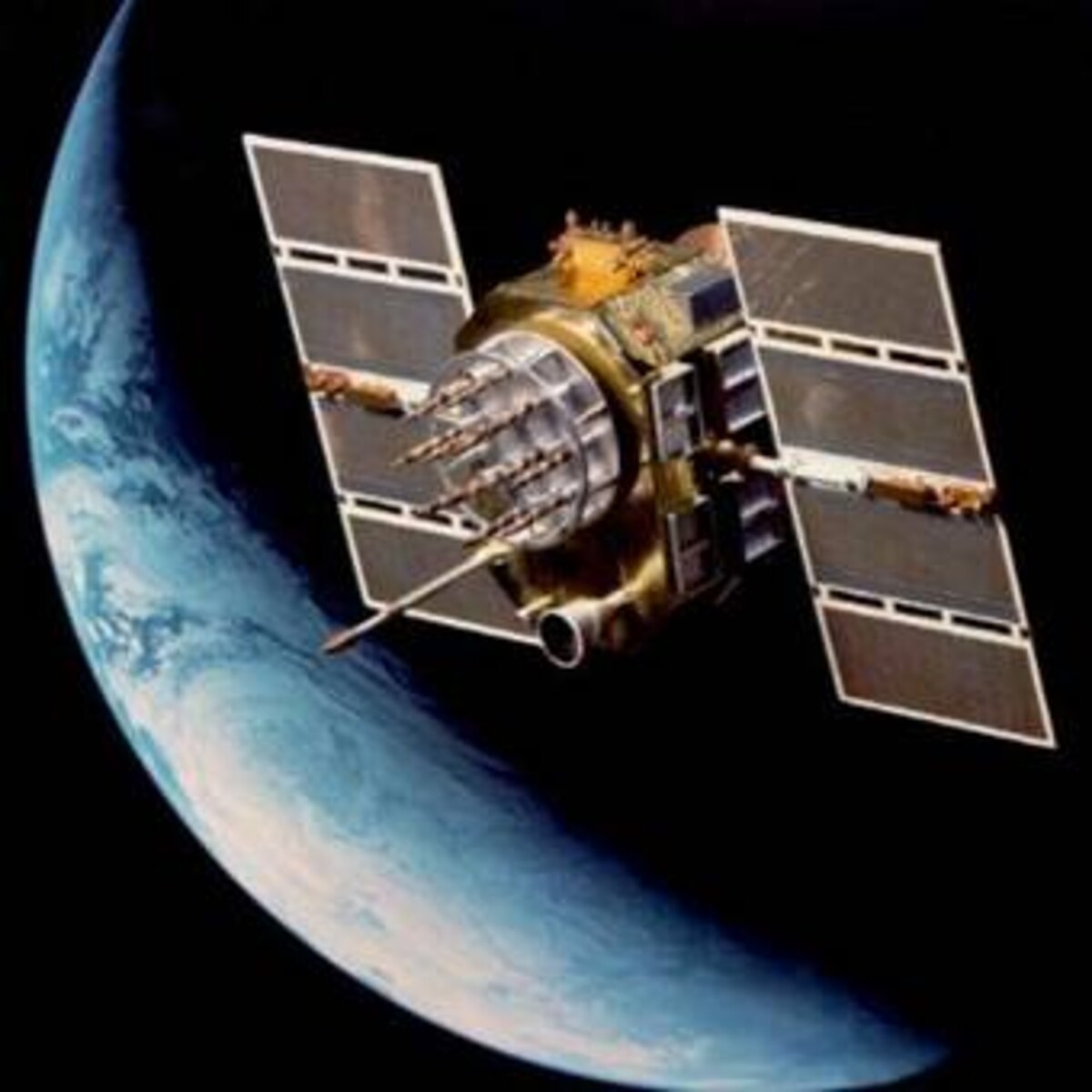
Forty-seven years ago, an Atlas rocket carried the first GPS satellite into orbit, launching a revolution in navigation that would transform daily life across the globe
SpaceX ramps up Raptor 3 testing and the launch landscape heats up with Vulcan and Ariane set to lift off before Starlink missions.
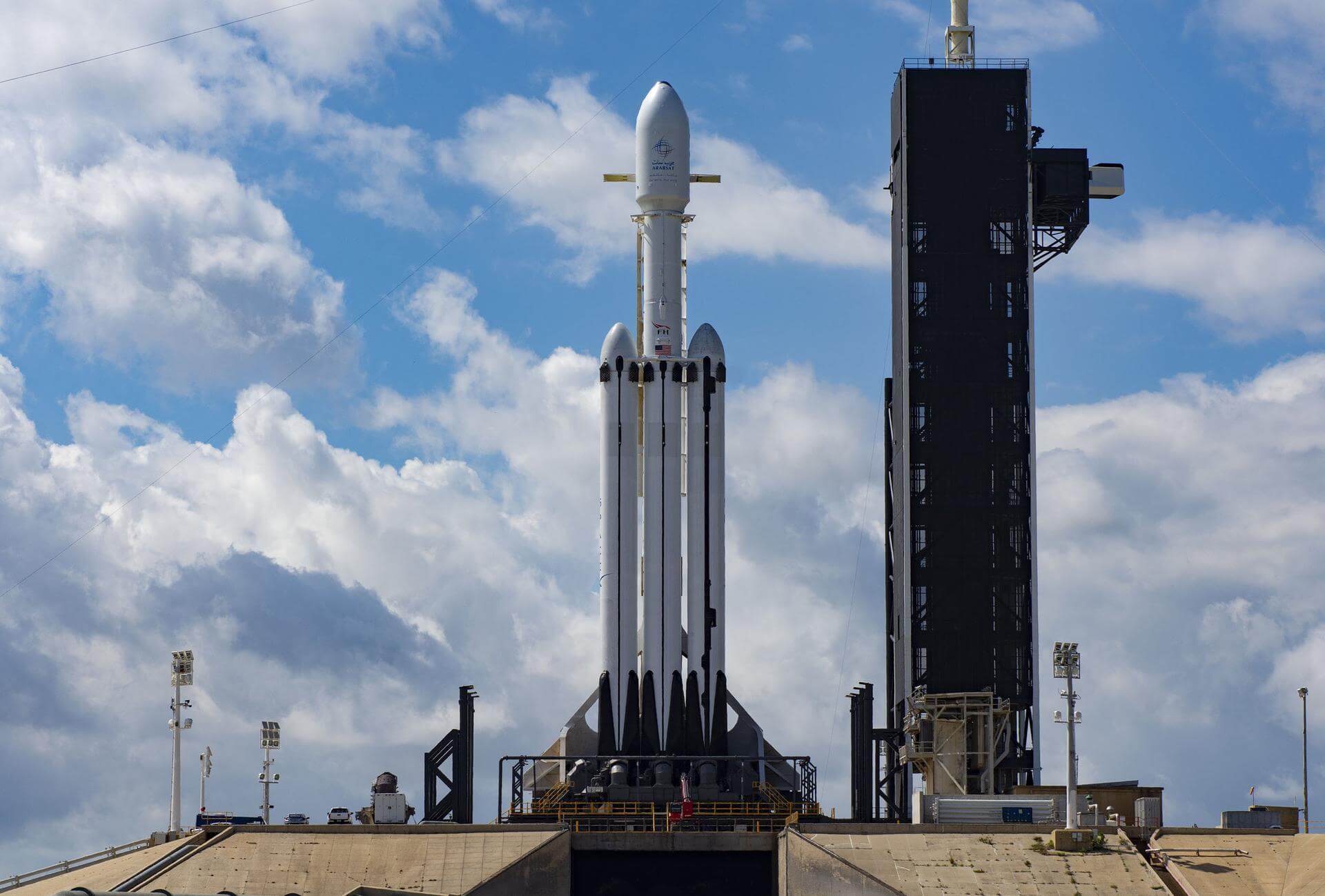
Pentagon requests $8 billion for space-based moving target tracking constellation in FY2027 budget. New NORAD IDs expected as Space Force expands orbital ISR capabilities.
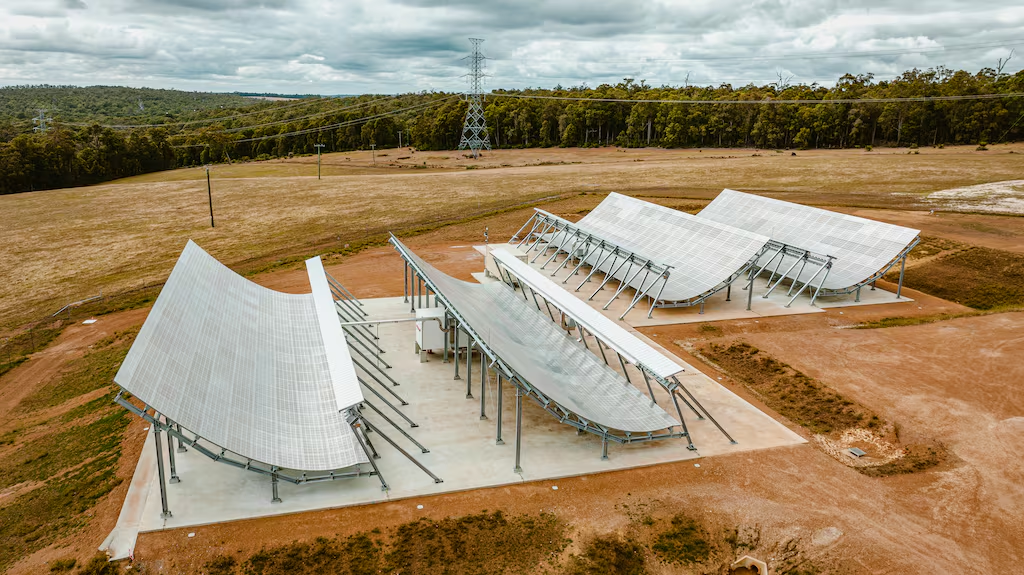
A startup built on Cold War-era radar science now tracks 25,000 objects in orbit - and the Pentagon can't get enough of it. But can its radars really compete with the Space Surveillance Network?

On April 22, 2026, the FAA published a final rule implementing per-launch user fees for commercial space transportation — the first time the U.S. government has charged payload-based fees for rocket launches. Starting at 25 cents per pound with a $30,000 cap, the fees are modest today. By 2033, they won't be.