

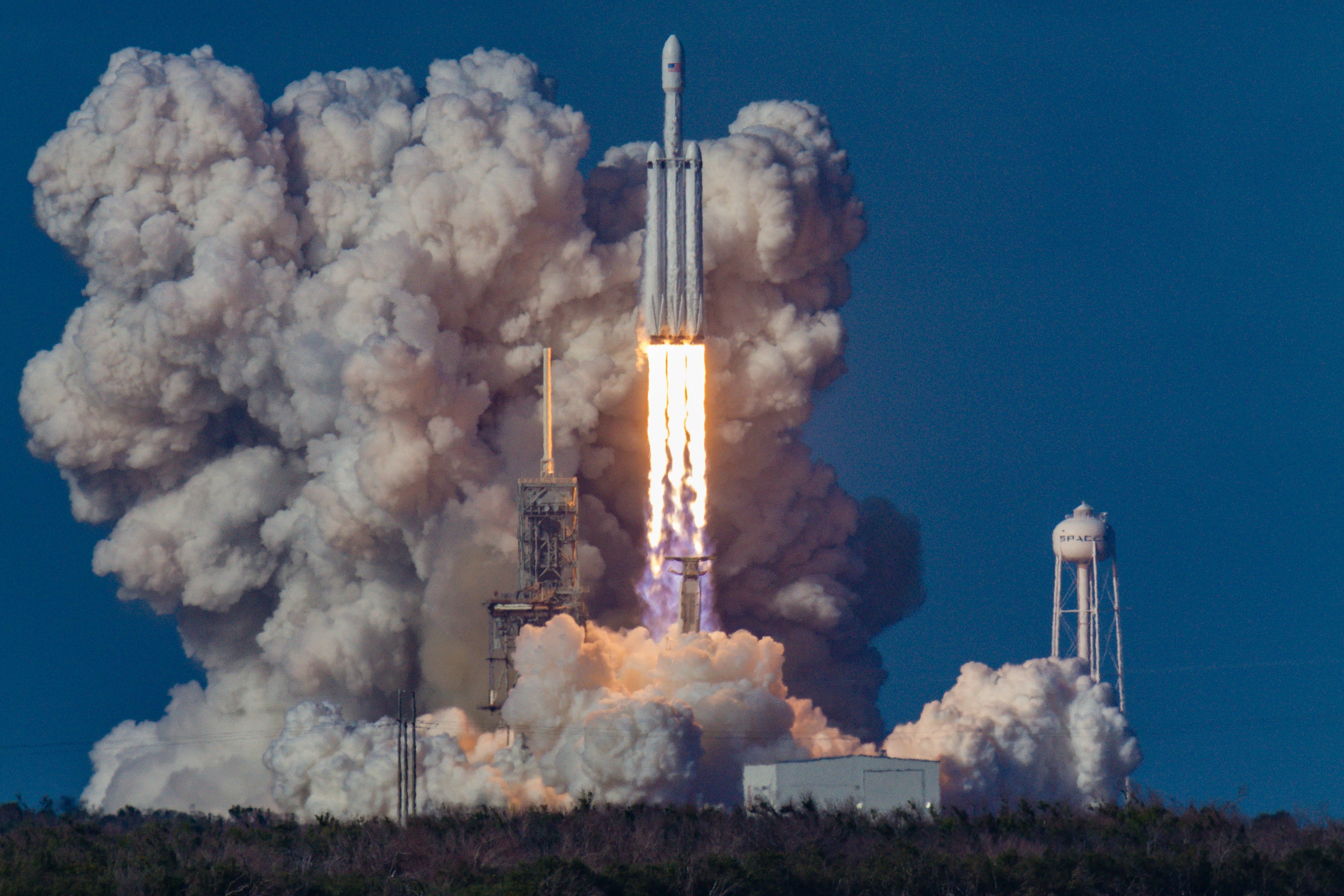
X Report 30 Apr 2025
SpaceX achieves a remarkable milestone with its 50th Falcon 9 launch of 2025, while Starlink continues to expand, facing competition from China's megaconstellation efforts.



Launch Date
May 10, 1999
Launch Site
TAISC
Launch Pad
LC7
Launch Vehicle
Chang Zheng 4B
NORAD ID
30100
International Designator
1999-025RD
Decay Date
7/16/2012
Name
FENGYUN 1C DEB
Alternative Name
deb FY-1C
Type
Status
Owner
CASC
Country
China
Constellation
N/A
Related Satellites
Major Events
N/A
Length
0
Diameter
0
Span
0
Dry Mass
0
Launch Mass
0
Shape
N/A
Radar Cross Section
0.0119
Visual Magnitude
Unknown
Color
Unknown
Material Composition
Unknown
Payload
Unknown
Purpose
Unknown
Mission
Unknown
Manufacturer
Unknown
Life Expectancy
Unknown
Bus
Unknown
Configuration
Unknown
Motor
Unknown
Equipment
Unknown
Power System
Unknown
ADCS
Unknown
Transmitter Frequency
Unknown
Learn more about satellites and other related topics.
SpaceX achieves a remarkable milestone with its 50th Falcon 9 launch of 2025, while Starlink continues to expand, facing competition from China's megaconstellation efforts.
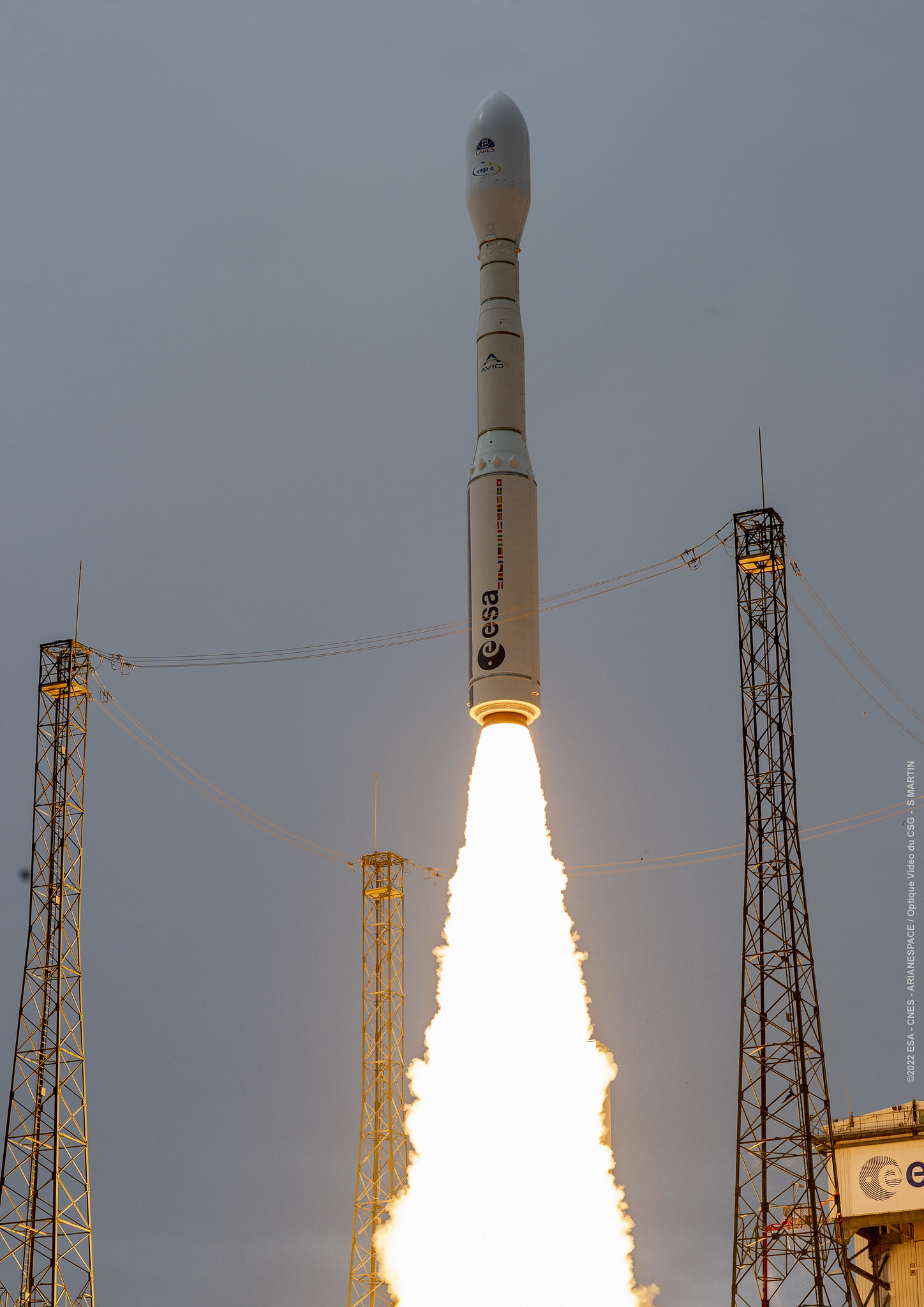
Today's space brief covers SpaceX's new contract with the U.S. Space Force, multiple Starlink launches, Rocket Lab's rapid launch success, and the final mission of Japan's H-IIA rocket.
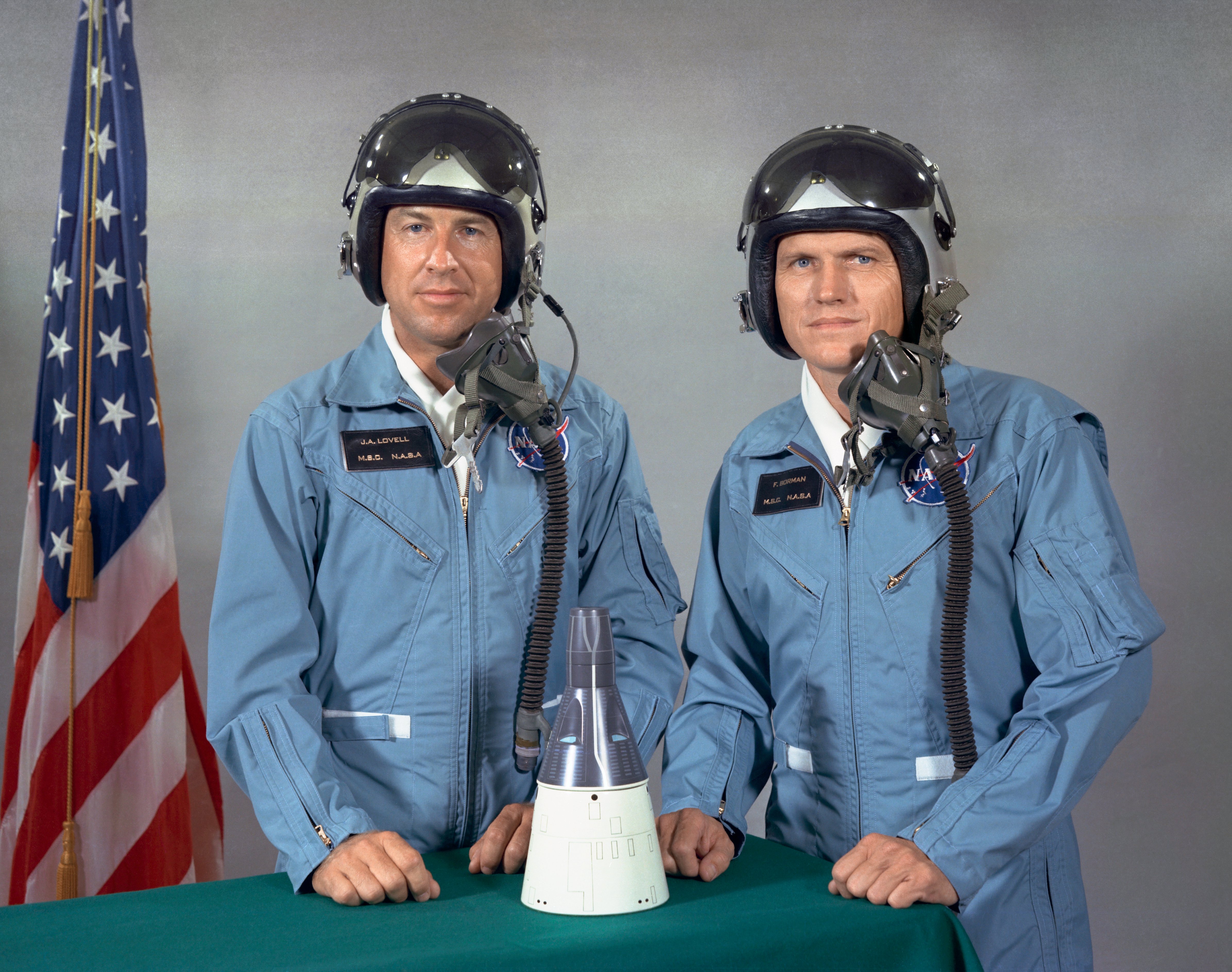
Sixty years ago, Frank Borman and James Lovell launched aboard Gemini 7 for a grueling 14-day mission that would prove humans could endure the journey to the moon and achieve the first true rendezvous in space
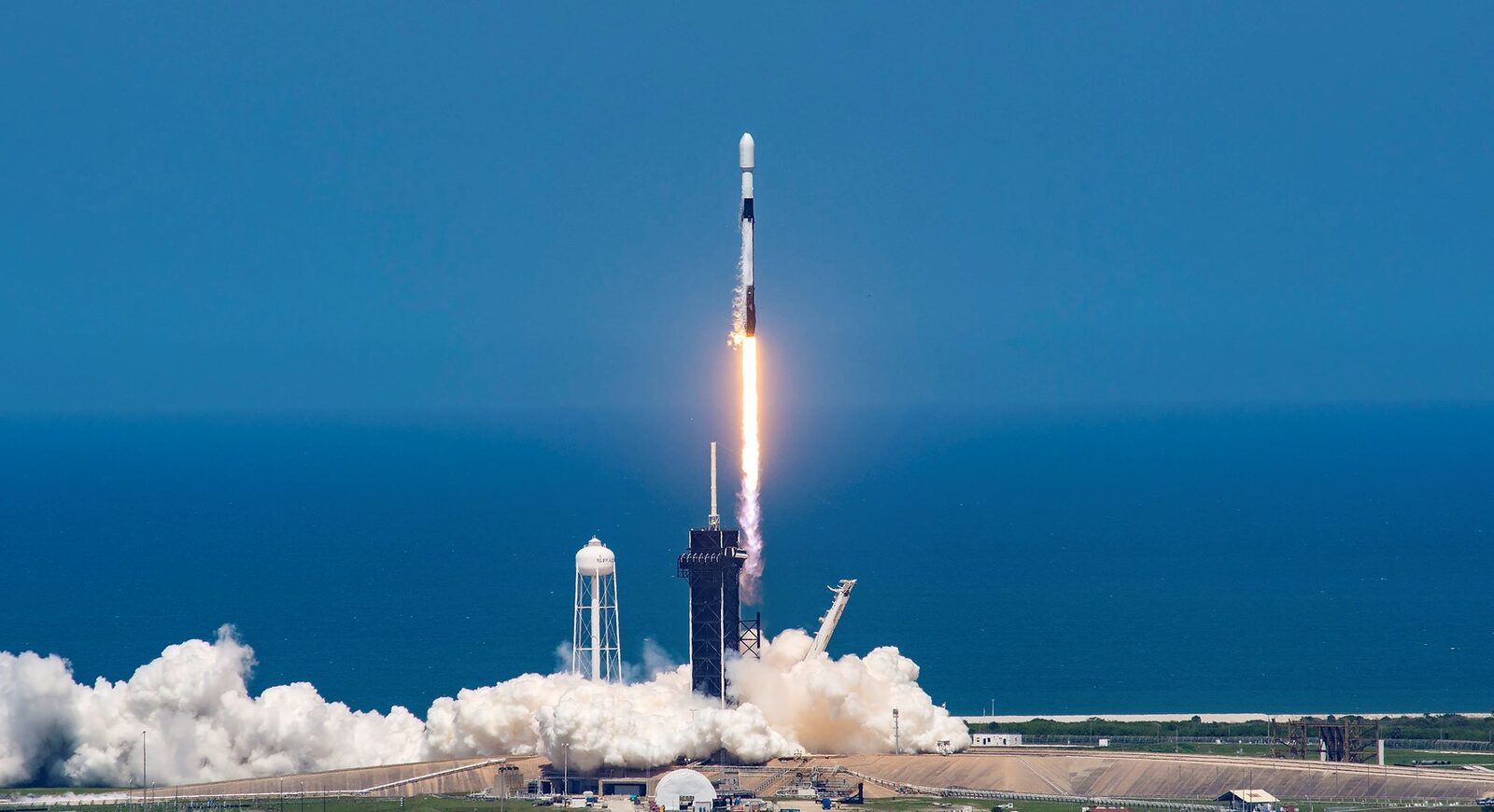
This week: China's Long March 10B debuted successfully, SpaceX merged with xAI, and Starlink topped 10,775 satellites in orbit.
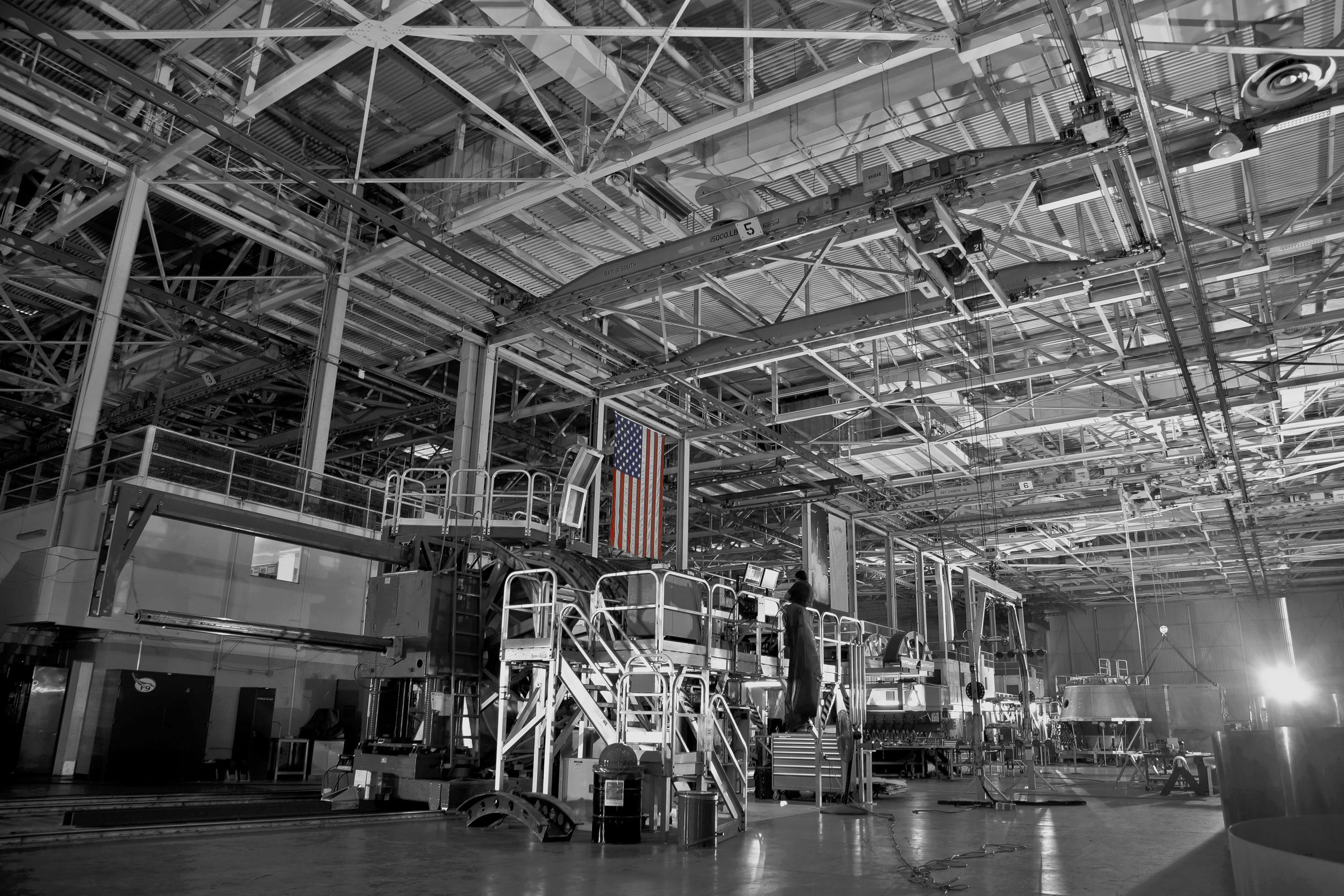
A HIGH-risk conjunction between STARLINK-4621 and the defunct SL-18 rocket body leads the July 11 safety picture, with eight Starlink satellites set to reenter through July 14.
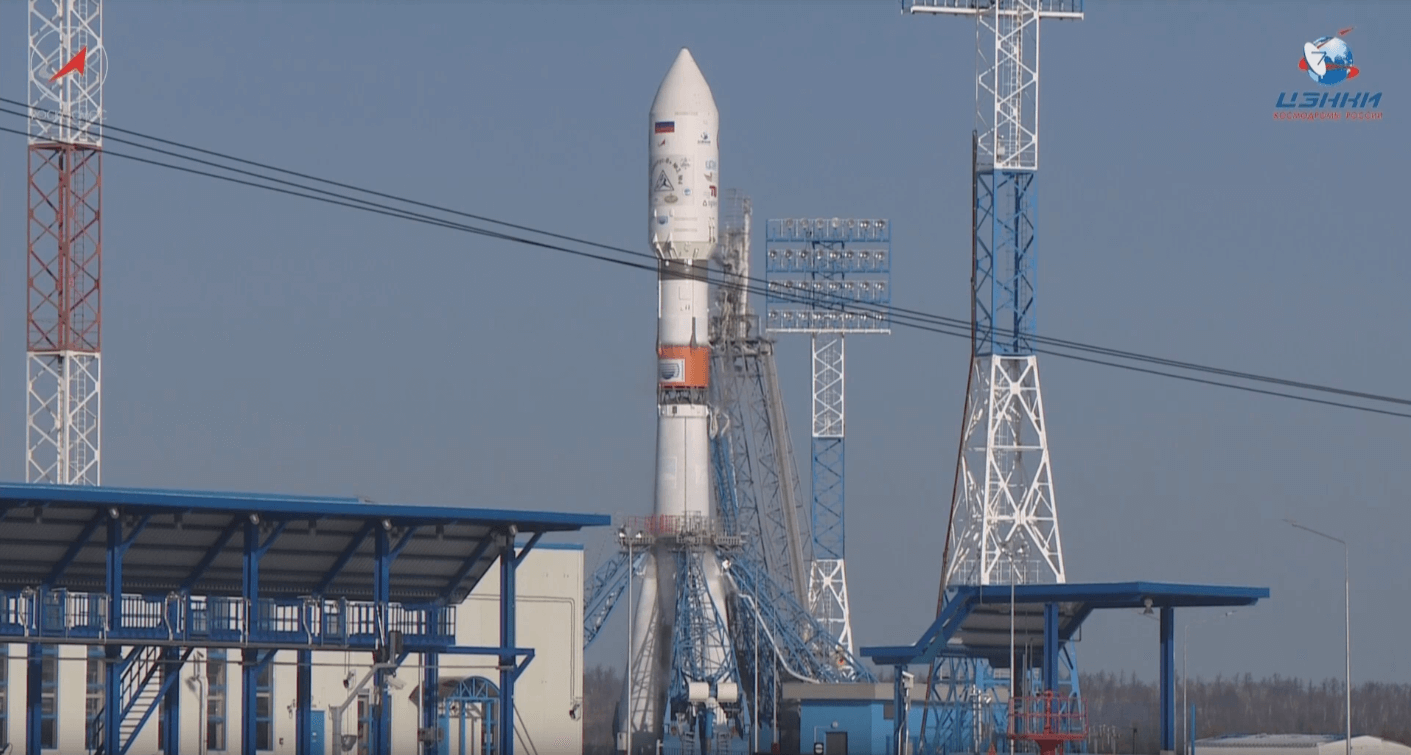
Today's highlights include Canada's and Australia's investment in hypersonic defense, China's successful test of an inflatable space module, and Sweden's support of Ukrainian missile and drone production.
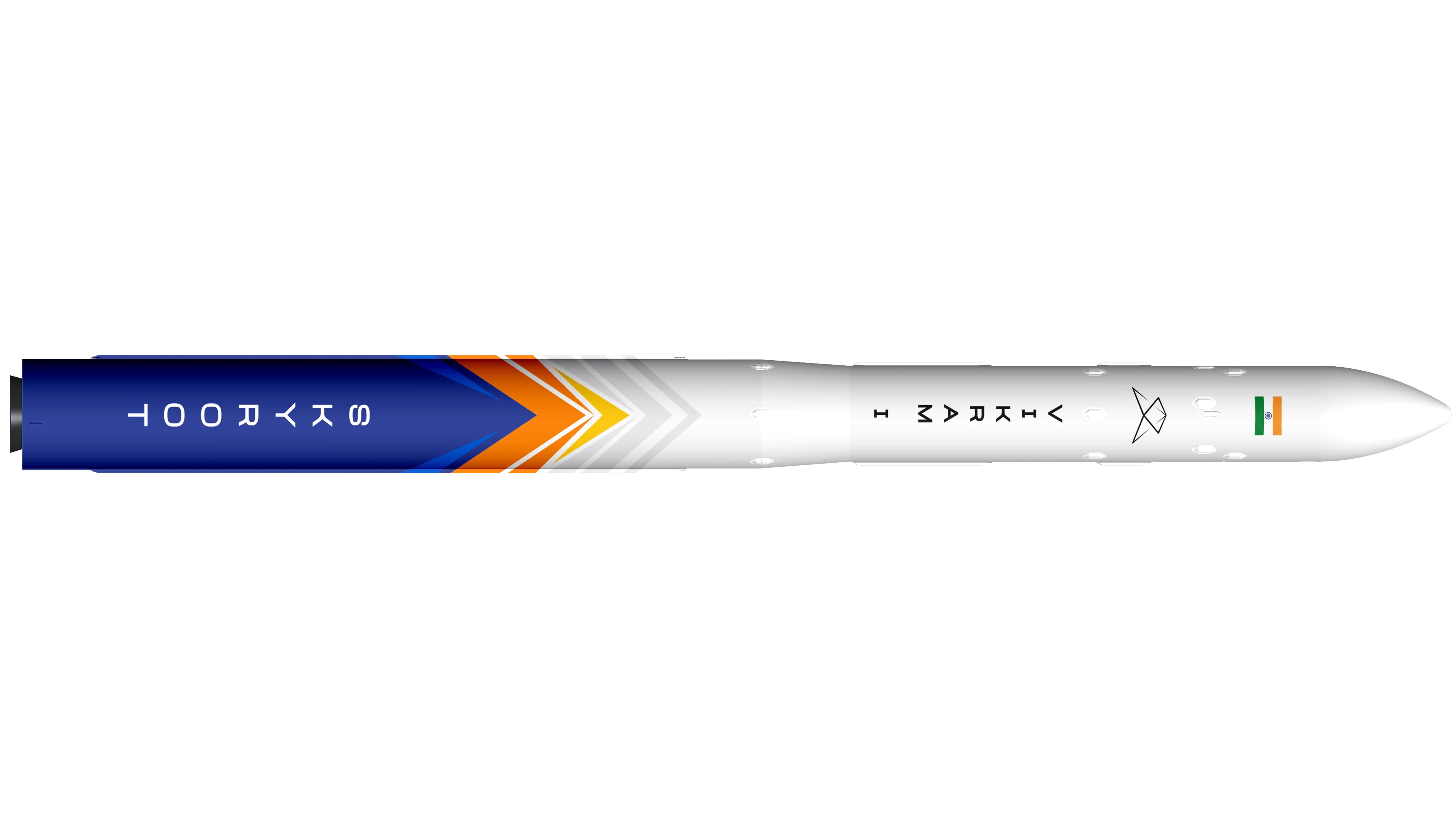
SpaceX rideshare Falcon 9 deployed 81 payloads including military tech demos to sun-synchronous orbit. China's Long March 10B and India's Vikram-I both debut this week among 6 scheduled launches.
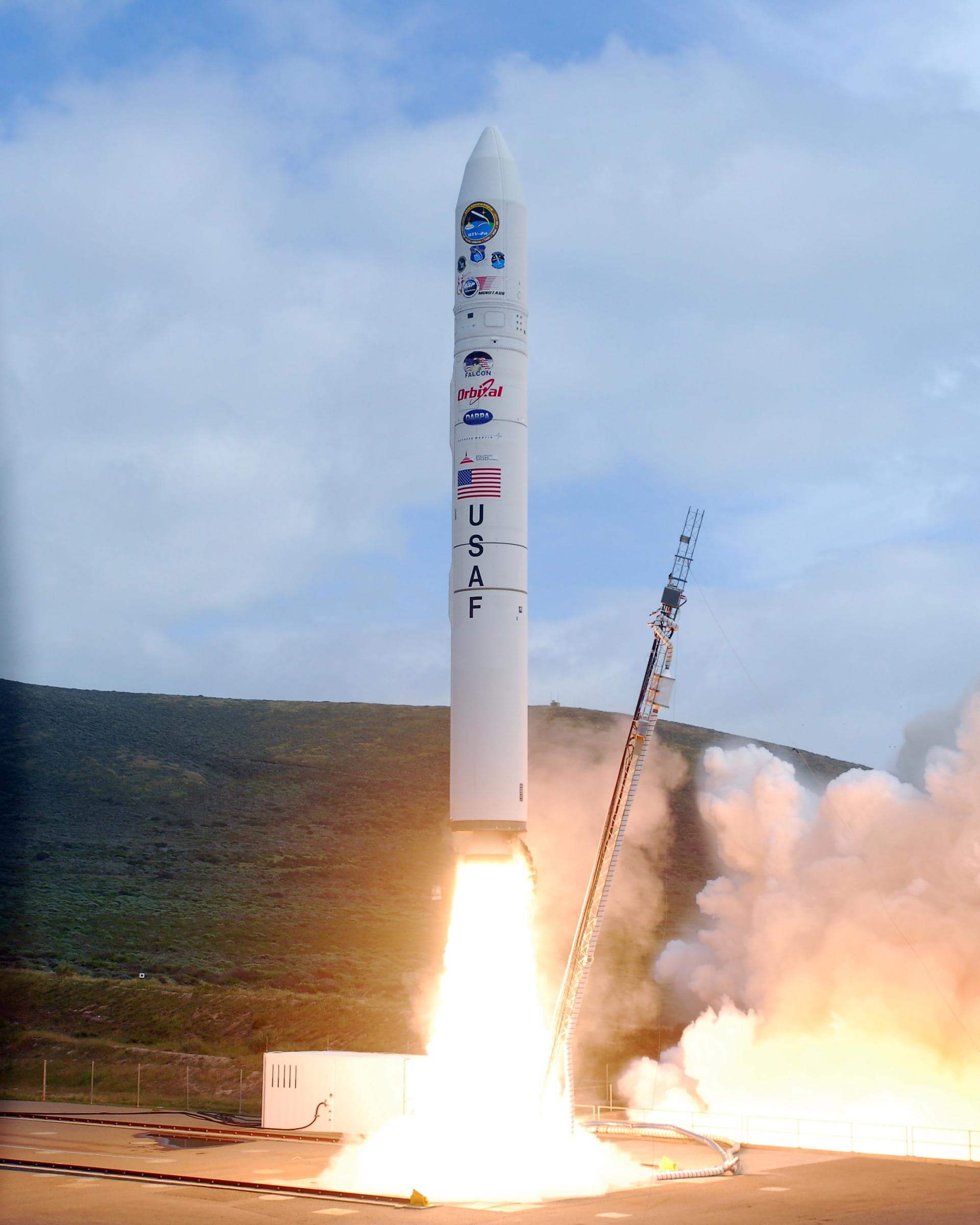
Today's brief covers strategic alignments in U.S. military space operations, a landmark missile defense program, and advances in secure satellite communications.