


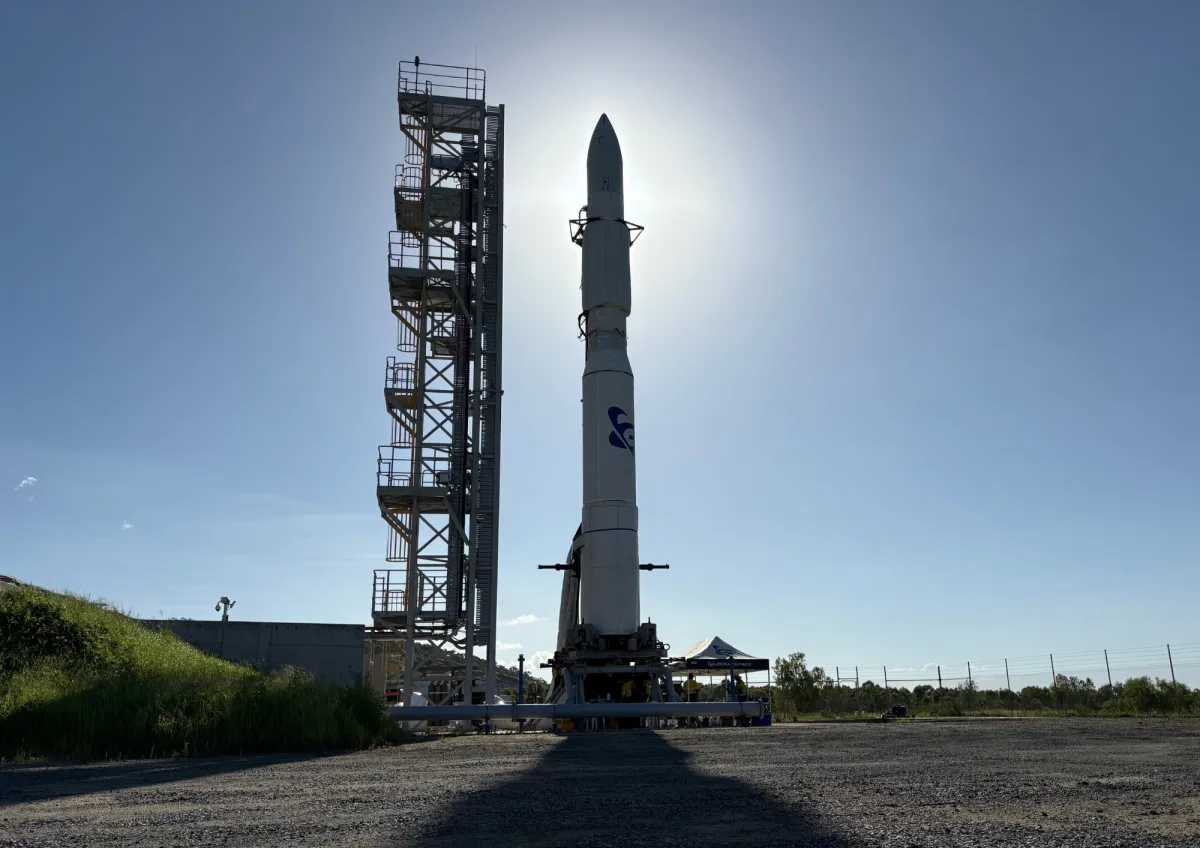
Space Brief 7 Mar 2025
Key insights from the latest SpaceX Starship breakup, the establishment of a new satellite mobile service, and enhancing America's missile shield capabilities through satellites.



Launch Date
May 10, 1999
Launch Site
TAISC
Launch Pad
LC7
Launch Vehicle
Chang Zheng 4B
NORAD ID
29888
International Designator
1999-025GJ
Epoch
Sat, 04 Jul 2026 00:19:09 GMT
Apogee
Calculating...
Perigee
Calculating...
Inclination
99.18°
Right Ascension
30.85°
Eccentricity
Calculating...
Argument of Perigee
166.81°
Period
101.38 min
Mean Motion
14.20 rev/day
Latitude
Calculating...
Longitude
Calculating...
Altitude
Calculating...
Velocity
Calculating...
Name
FENGYUN 1C DEB
Alternative Name
deb FY-1C
Type
Status
Owner
CASC
Country
China
Constellation
N/A
Related Satellites
Major Events
N/A
1 29888U 99025GJ 26185.01330047 .00001400 00000-0 46542-3 0 9999
2 29888 99.1826 30.8503 0272849 166.8096 194.0404 14.20458462 3875
Source: Celestrak
Length
0
Diameter
0
Span
0
Dry Mass
0
Launch Mass
0
Shape
N/A
Radar Cross Section
0.0653
Visual Magnitude
Unknown
Color
Unknown
Material Composition
Unknown
Payload
Unknown
Purpose
Unknown
Mission
Unknown
Manufacturer
Unknown
Life Expectancy
Unknown
Bus
Unknown
Configuration
Unknown
Motor
Unknown
Equipment
Unknown
Power System
Unknown
ADCS
Unknown
Transmitter Frequency
Unknown
Learn more about satellites and other related topics.
Key insights from the latest SpaceX Starship breakup, the establishment of a new satellite mobile service, and enhancing America's missile shield capabilities through satellites.

In today's briefing: China accelerates its satellite megaconstellation. A comprehensive ESA-led optical data network is in the works, marking a key step in satellite communications. NASA's Artemis II crew visits Ohio in preparation for their lunar journey. SpaceX's record-breaking rocket launches continue. Plus, insights into nuclear rockets that could drastically shorten Mars missions.
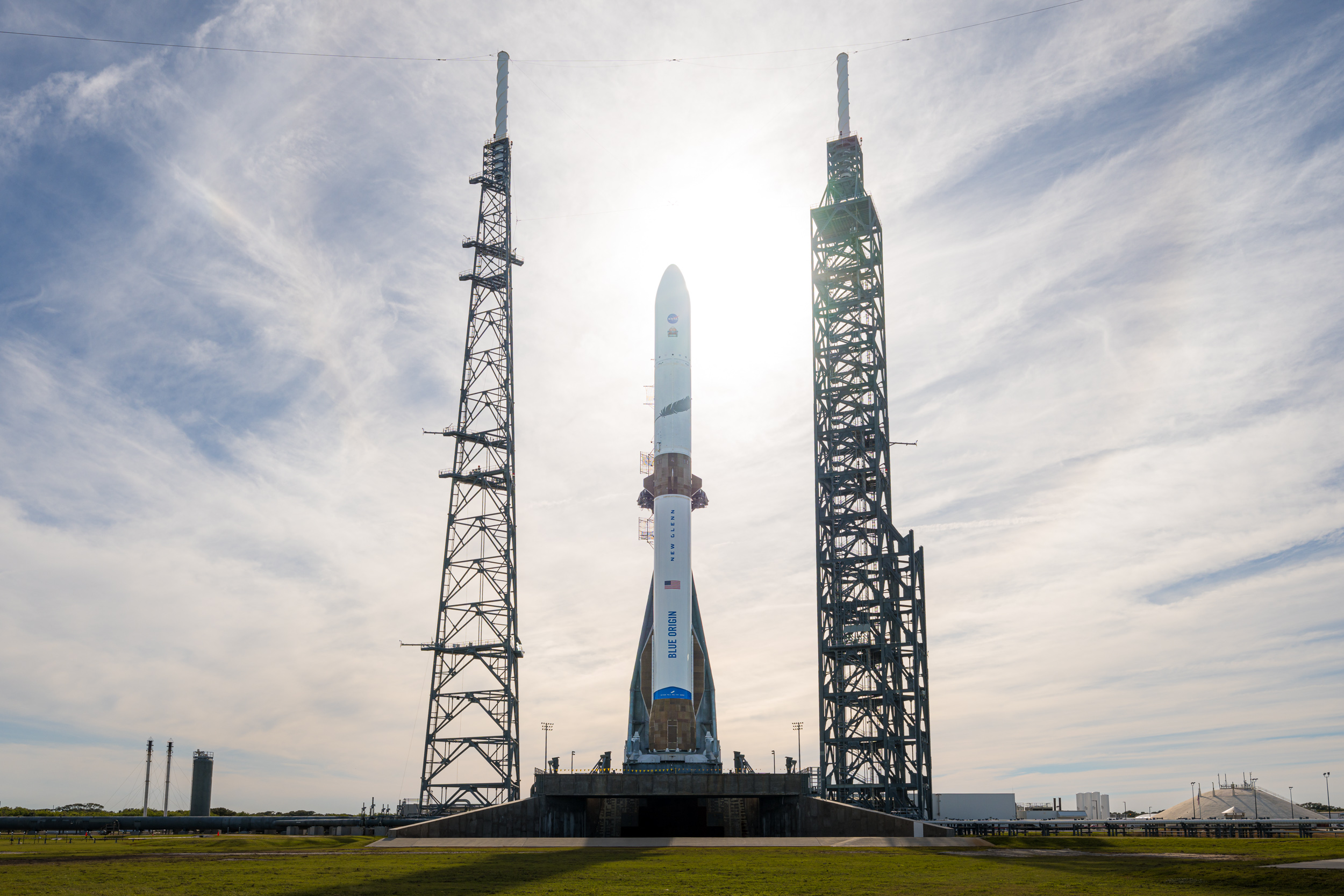
Artemis 2 astronauts completed first crewed lunar flyby since Apollo 17, traveling 690,000 miles aboard Orion. Four crew validated deep-space systems.

SpaceX targets a $75B IPO valuing the company at $1.75T, as 50+ new Starlink satellites reach orbit via dual coast launches.

Today's recap covers SpaceX's role in record launch numbers, the FCC's spectrum allocation for launches, and the historical portrayal of the Ingenuity helicopter.

Today's brief highlights key advancements in space technology and innovative military initiatives. Featuring deep space tracking system upgrades, a push towards quantum communications in orbit, and critical radar developments.
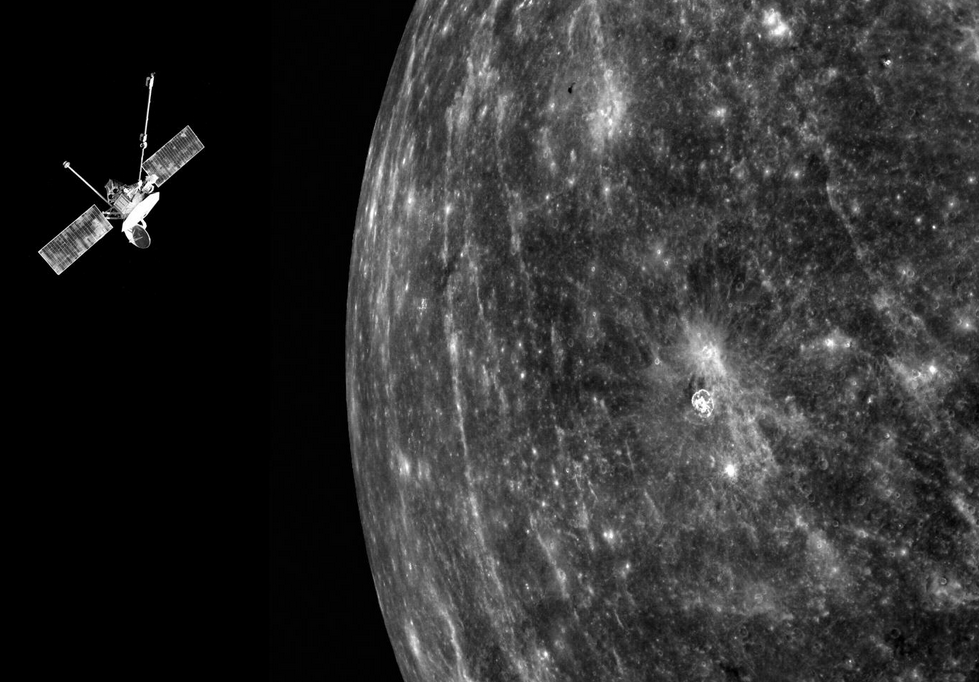
Fifty-one years ago, Mariner 10 revolutionized space exploration by executing the first-ever planetary gravity assist at Venus, pioneering a technique that would transform how we explore the solar system

Transporter 16 carries 119 payloads: SpaceX's rideshare mission targets Sun-synchronous orbit from Vandenberg, one of its densest manifests yet.