


X Report 28 Aug 2025
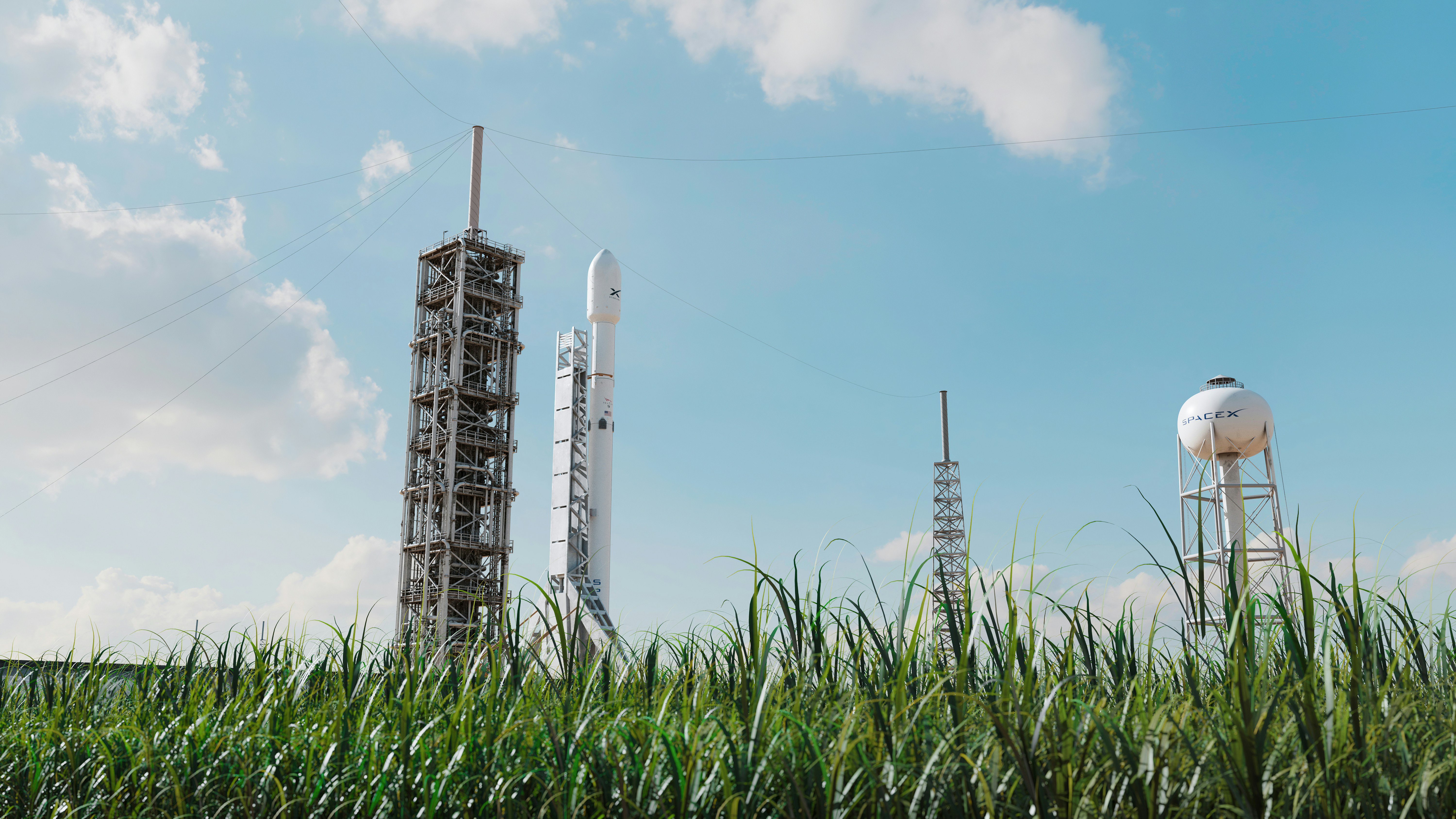
SpaceX continues to break records with the Falcon 9's 30th flight while Starship's successful test flight propels the program forward after recent challenges.



Launch Date
May 10, 1999
Launch Site
TAISC
Launch Pad
LC7
Launch Vehicle
Chang Zheng 4B
NORAD ID
29872
International Designator
1999-025FS
Epoch
Fri, 03 Jul 2026 12:16:52 GMT
Apogee
Calculating...
Perigee
Calculating...
Inclination
98.33°
Right Ascension
200.25°
Eccentricity
Calculating...
Argument of Perigee
63.56°
Period
100.01 min
Mean Motion
14.40 rev/day
Latitude
Calculating...
Longitude
Calculating...
Altitude
Calculating...
Velocity
Calculating...
Name
FENGYUN 1C DEB
Alternative Name
deb FY-1C
Type
Status
Owner
CASC
Country
China
Constellation
N/A
Related Satellites
Major Events
N/A
1 29872U 99025FS 26184.51171399 .00002622 00000-0 61448-3 0 9998
2 29872 98.3334 200.2525 0234938 63.5555 298.9531 14.39837555 15085
Source: Celestrak
Length
0
Diameter
0
Span
0
Dry Mass
0
Launch Mass
0
Shape
N/A
Radar Cross Section
0.0095
Visual Magnitude
Unknown
Color
Unknown
Material Composition
Unknown
Payload
Unknown
Purpose
Unknown
Mission
Unknown
Manufacturer
Unknown
Life Expectancy
Unknown
Bus
Unknown
Configuration
Unknown
Motor
Unknown
Equipment
Unknown
Power System
Unknown
ADCS
Unknown
Transmitter Frequency
Unknown
Learn more about satellites and other related topics.
SpaceX continues to break records with the Falcon 9's 30th flight while Starship's successful test flight propels the program forward after recent challenges.
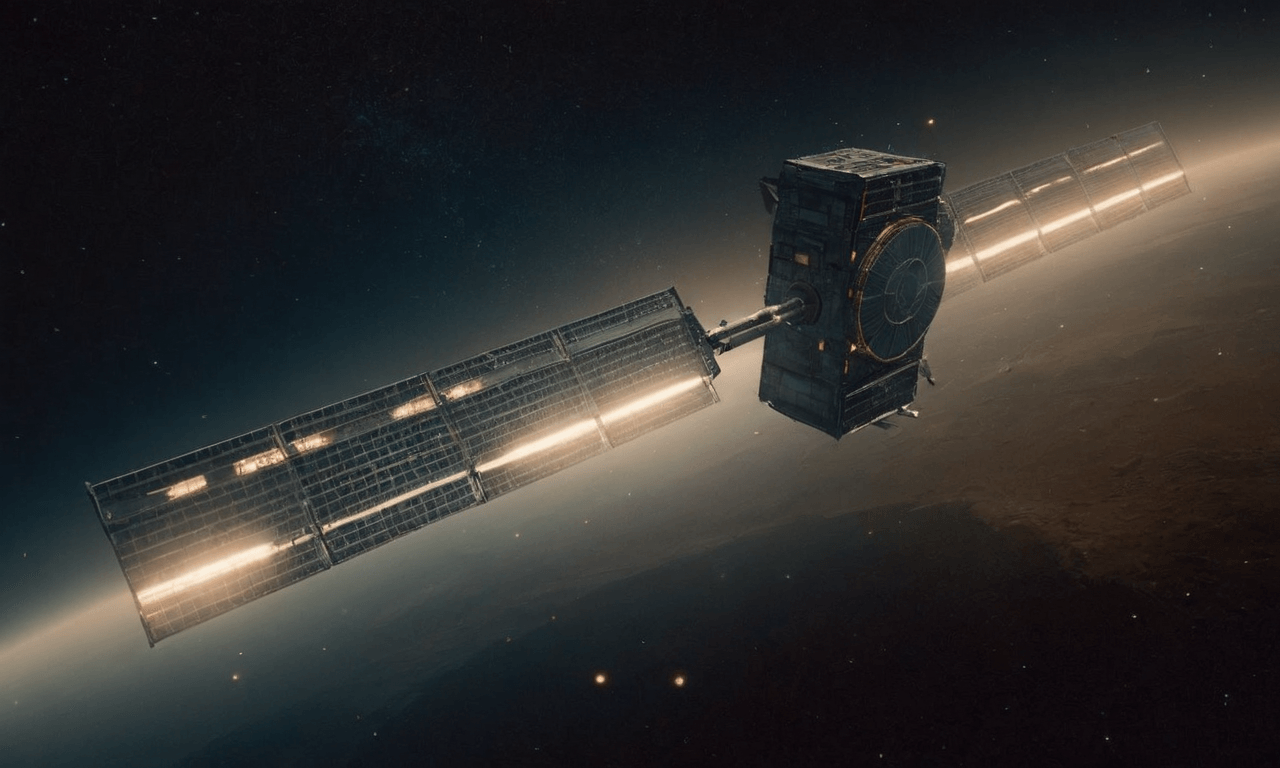
Today's Space Brief covers Rocket Lab's IoT satellite launch, SpaceX's European Galileo satellites, FAA's fine on SpaceX, Polaris Dawn mission achievements, and more.
Today's highlights include advances in space tracking technology by the US Space Force, SpaceX's infrastructure expansion, and a spectacular birthday landing on Earth. Additionally, we spotlight a significant exoplanetary discovery and satellite updates.

Key updates include a potential delay for the Starship lunar lander, successful static fire tests for Ship 38, and the latest Starlink satellite launch plans.
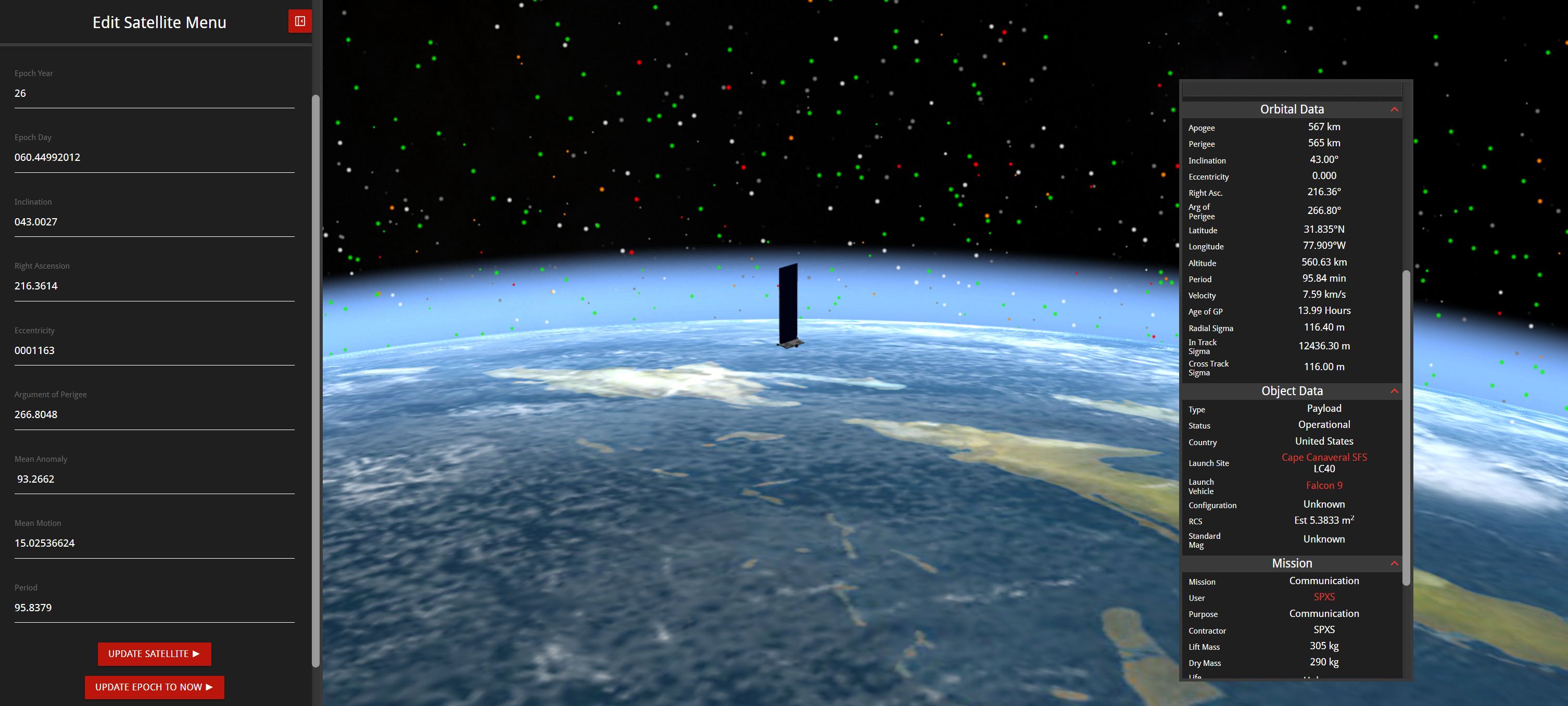
The compact data format that describes every tracked satellite orbit in just two lines of text, and how to read it
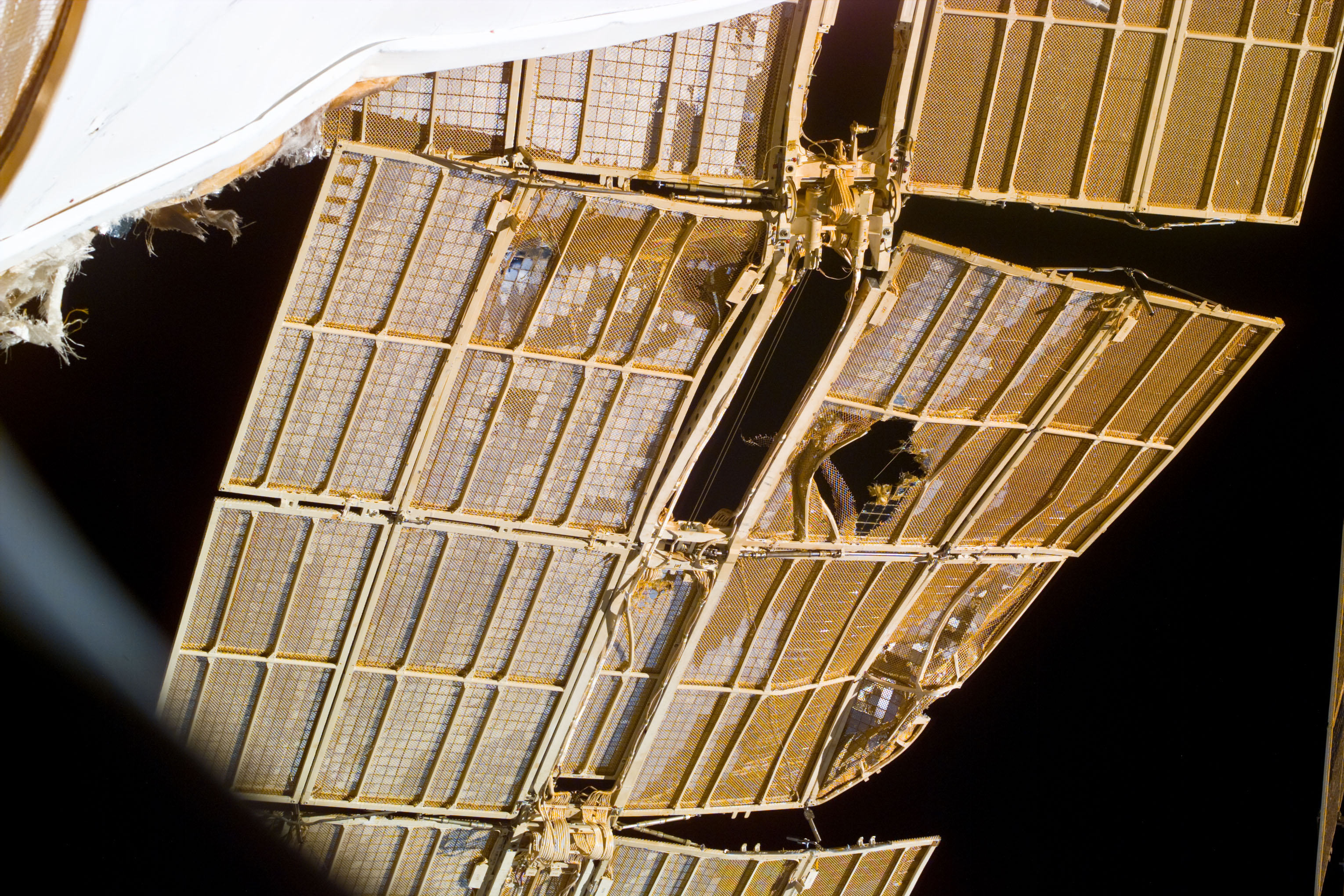
On 25 June 1997, a seven-ton cargo ship under hand control drifted into Mir's Spektr module, breached the hull, and left three crew members listening to their air hiss into space. It remains the worst collision in the history of human spaceflight.

Falcon Heavy flew for the first time in eighteen months on April 29, 2026, expending its center core to push Viasat's final ViaSat-3 satellite toward geostationary orbit. The mission is a flagship rocket doing what only it can still do, for an operator betting six tons of high-throughput hardware on a market Starlink is rapidly redefining.
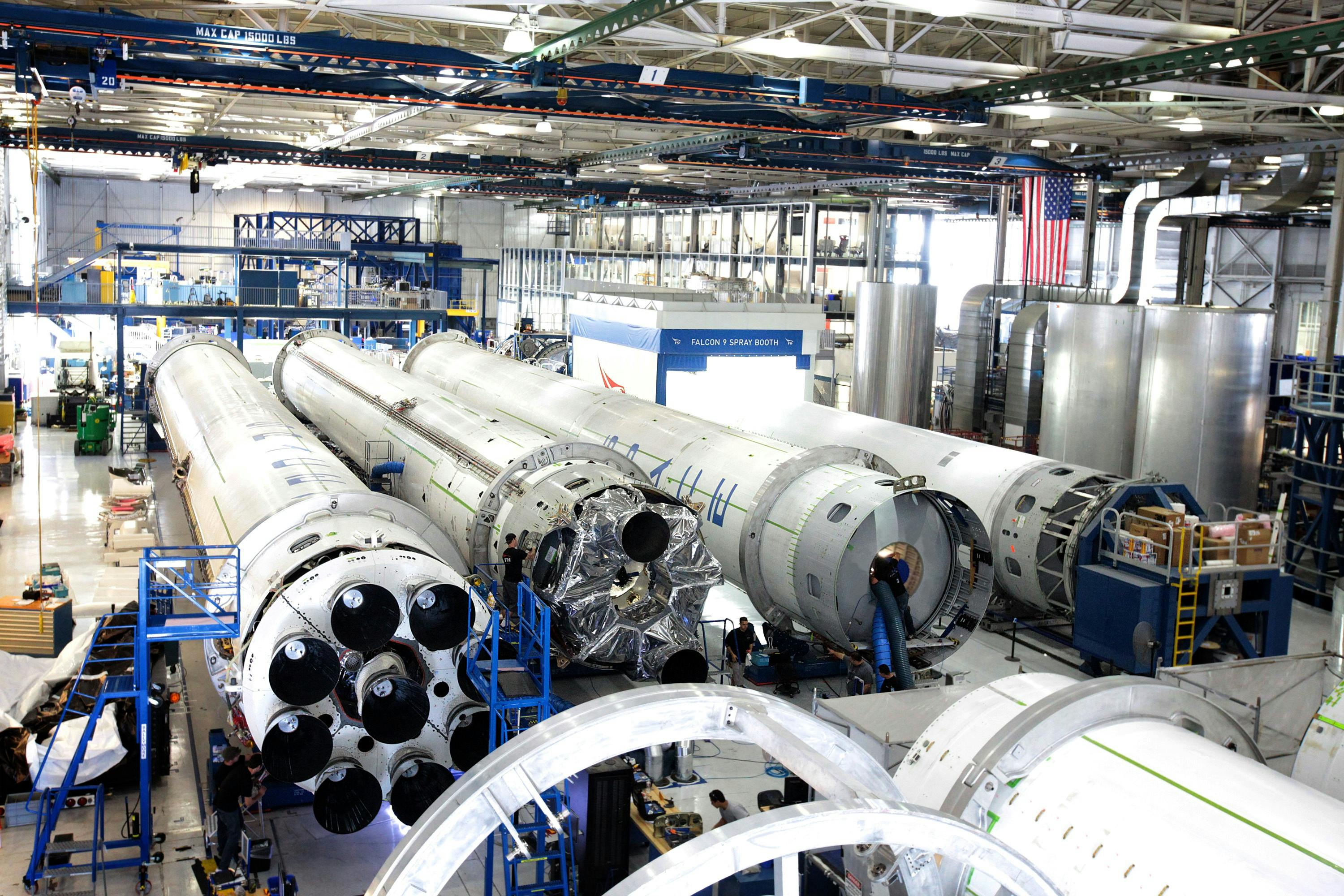
Amid multiple new launches, SpaceX marks its 300th orbital flight milestone at Cape Canaveral while pushing forward with cargo and reentry missions.