


Two-Line Element Set (TLE)
The compact data format that describes every tracked satellite orbit in just two lines of text, and how to read it


Launch Date
May 10, 1999
Launch Site
TAISC
Launch Pad
LC7
Launch Vehicle
Chang Zheng 4B
NORAD ID
29859
International Designator
1999-025FD
Epoch
Fri, 03 Jul 2026 09:50:34 GMT
Apogee
Calculating...
Perigee
Calculating...
Inclination
98.34°
Right Ascension
358.87°
Eccentricity
Calculating...
Argument of Perigee
25.28°
Period
104.73 min
Mean Motion
13.75 rev/day
Latitude
Calculating...
Longitude
Calculating...
Altitude
Calculating...
Velocity
Calculating...
Name
FENGYUN 1C DEB
Alternative Name
deb FY-1C
Type
Status
Owner
CASC
Country
China
Constellation
N/A
Related Satellites
Major Events
N/A
1 29859U 99025FD 26184.41012511 .00001568 00000-0 12295-2 0 9995
2 29859 98.3437 358.8702 0293384 25.2786 336.2400 13.74937814967648
Source: Celestrak
Length
0
Diameter
0
Span
0
Dry Mass
0
Launch Mass
0
Shape
N/A
Radar Cross Section
0.057
Visual Magnitude
Unknown
Color
Unknown
Material Composition
Unknown
Payload
Unknown
Purpose
Unknown
Mission
Unknown
Manufacturer
Unknown
Life Expectancy
Unknown
Bus
Unknown
Configuration
Unknown
Motor
Unknown
Equipment
Unknown
Power System
Unknown
ADCS
Unknown
Transmitter Frequency
Unknown
Learn more about satellites and other related topics.
The compact data format that describes every tracked satellite orbit in just two lines of text, and how to read it
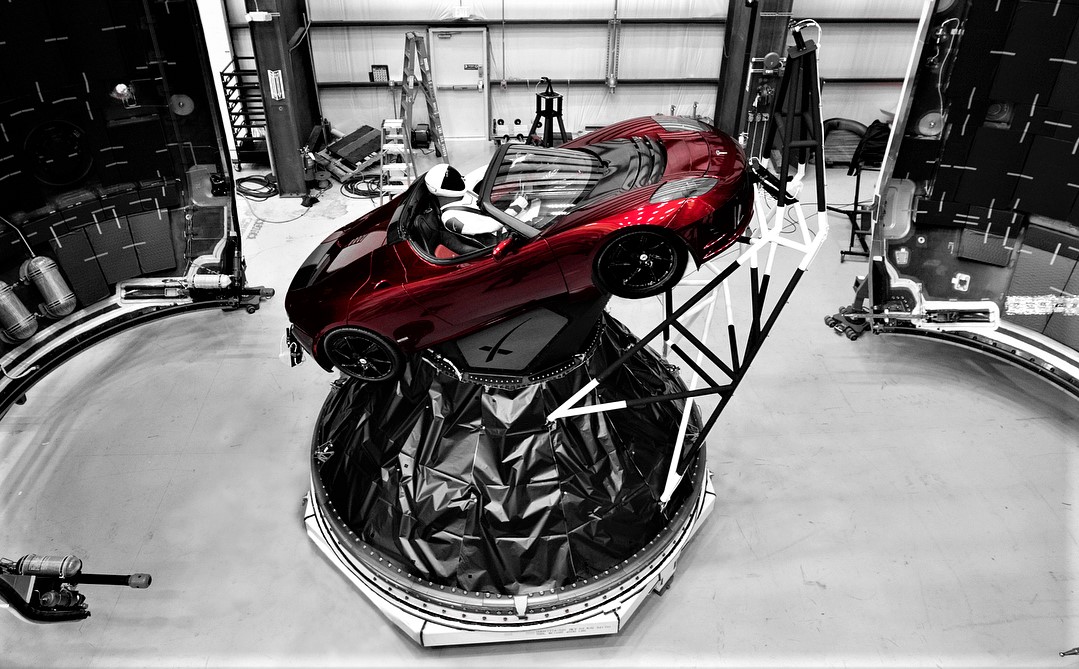
Seven years ago, SpaceX revolutionized spaceflight by launching the most powerful operational rocket in the world, carrying with it a cherry-red Tesla Roadster that captured global imagination
Today's updates focus on significant developments in U.S. national security space launches, Army space training, potential shifts in satellite procurement strategies, and the Meteor 2-21 satellite.

Record-breaking Chinese launches, SDA funding issues, and a new Starlink milestone highlight today's space news.

Exploring new defense agreements with Eutelsat, advances in U.S. Space Force projects, and updates on NATO's strategic discussions.

Today's brief covers China's intense launch schedule, a new Arctic military constellation, Muon Space's defense innovations, and SpaceX's classified NROL-77 mission.
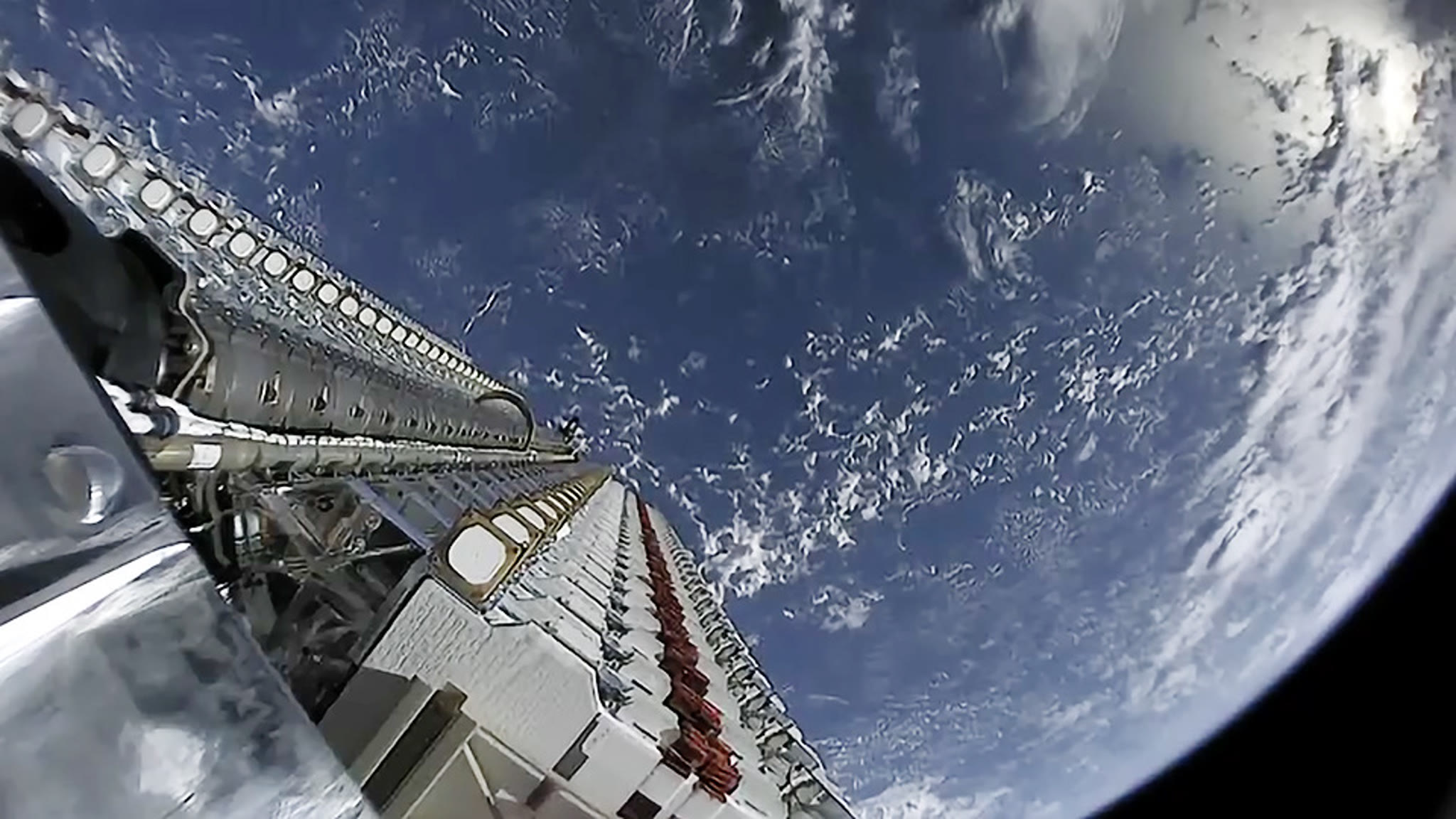
Starlink satellites fired their thrusters to dodge a collision roughly 300,000 times in 2025, about 822 times a day. Behind that number is a fragile, half-automated system of warnings, probabilities, and judgment calls that decides which close approaches are worth a maneuver and which are just noise.
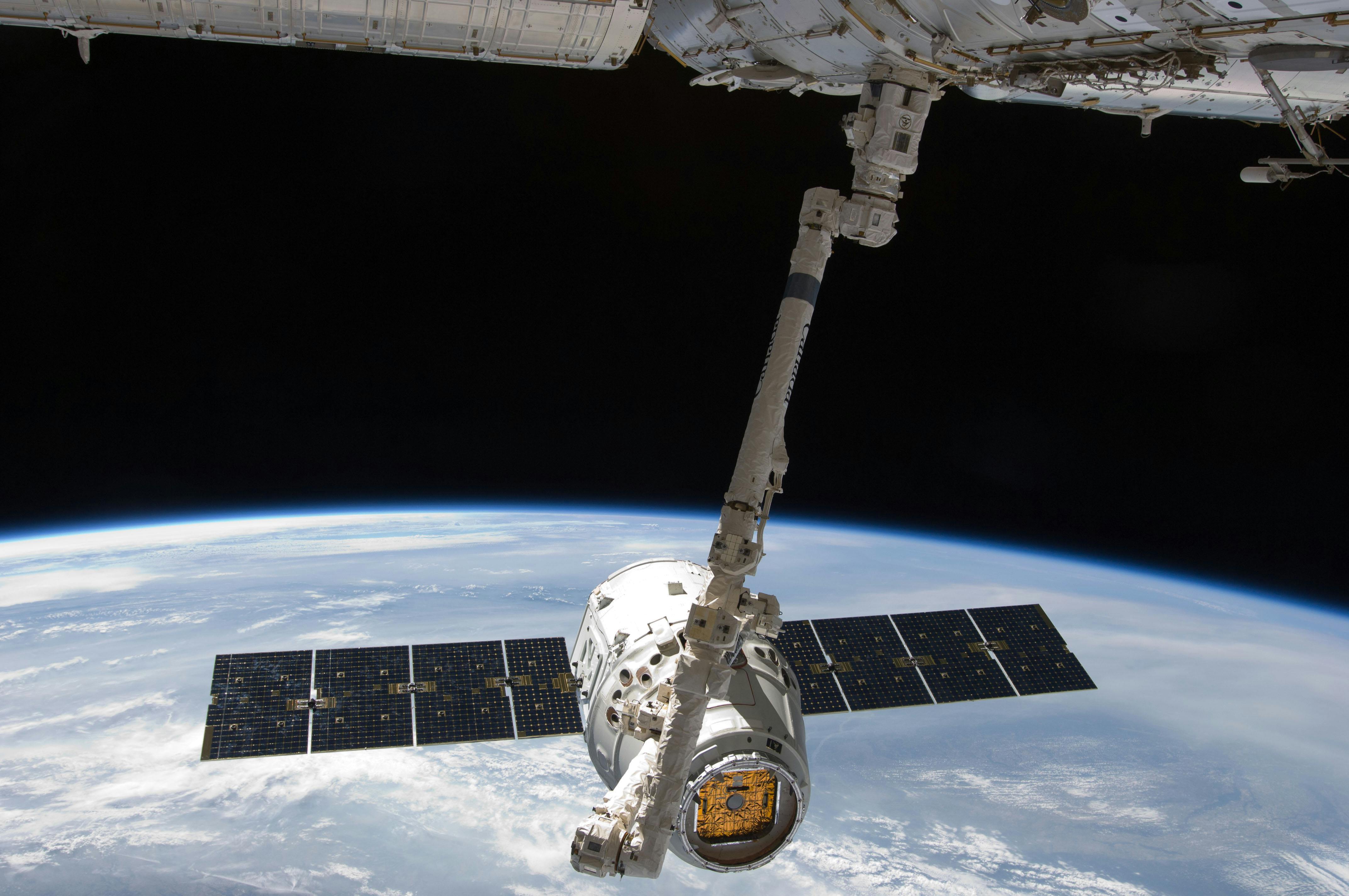
SpaceX successfully launches 21 Starlink satellites and deploys a new batch of spy satellites for the US government.