


Space Brief 16 Sep 2025
Today's brief highlights the impact of military spending and technology competition on the space economy, new satellite connectivity partnerships, and defense spending pledges in Europe.


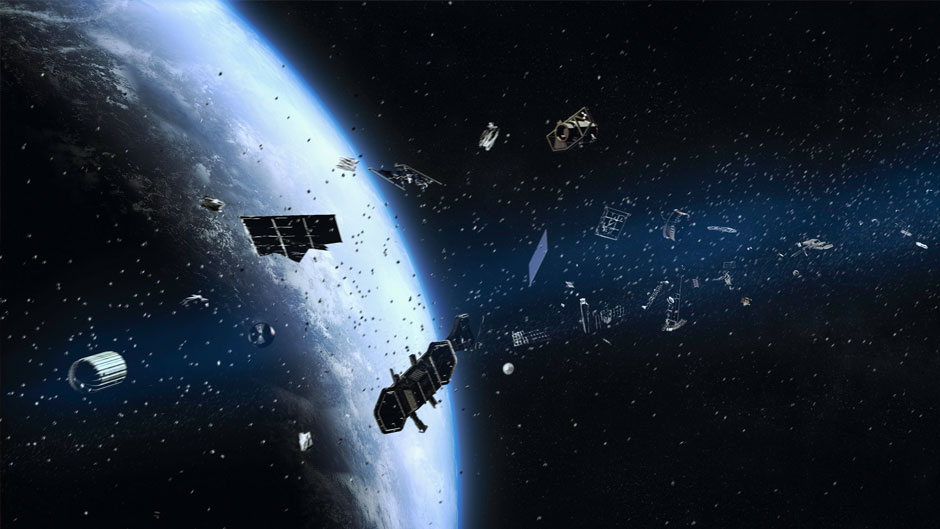
Launch Date
May 10, 1999
Launch Site
TAISC
Launch Pad
LC7
Launch Vehicle
Chang Zheng 4B
NORAD ID
29783
International Designator
1999-025BZ
Decay Date
6/10/2023
Name
FENGYUN 1C DEB
Alternative Name
deb FY-1C
Type
Status
Owner
CASC
Country
China
Constellation
N/A
Related Satellites
Major Events
N/A
Length
0
Diameter
0
Span
0
Dry Mass
0
Launch Mass
0
Shape
N/A
Radar Cross Section
0.028
Visual Magnitude
Unknown
Color
Unknown
Material Composition
Unknown
Payload
Unknown
Purpose
Unknown
Mission
Unknown
Manufacturer
Unknown
Life Expectancy
Unknown
Bus
Unknown
Configuration
Unknown
Motor
Unknown
Equipment
Unknown
Power System
Unknown
ADCS
Unknown
Transmitter Frequency
Unknown
Learn more about satellites and other related topics.
Today's brief highlights the impact of military spending and technology competition on the space economy, new satellite connectivity partnerships, and defense spending pledges in Europe.
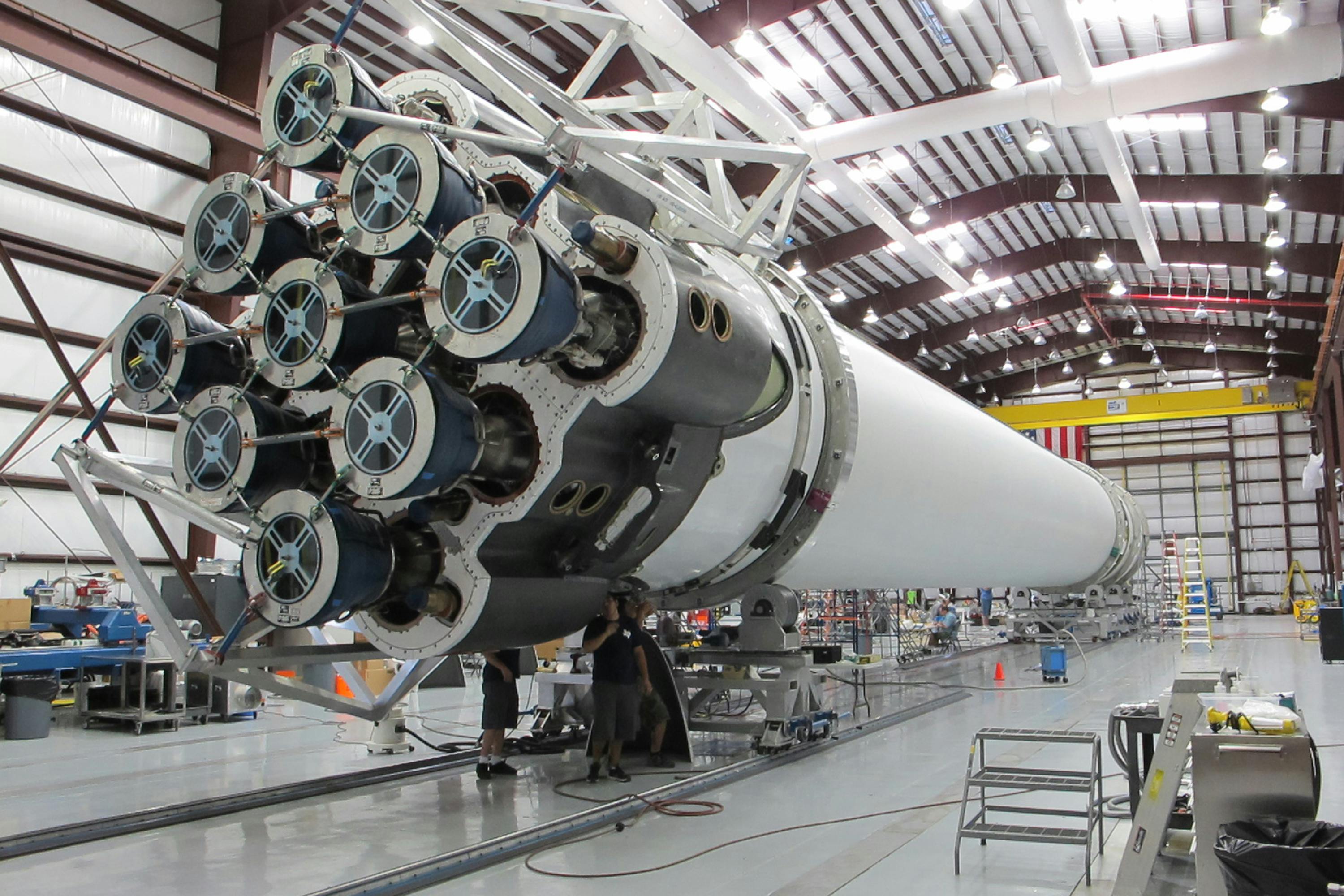
SpaceX launched 25 Starlink satellites from Vandenberg SFB on March 8, growing a constellation now totaling 9,924 active orbital nodes.
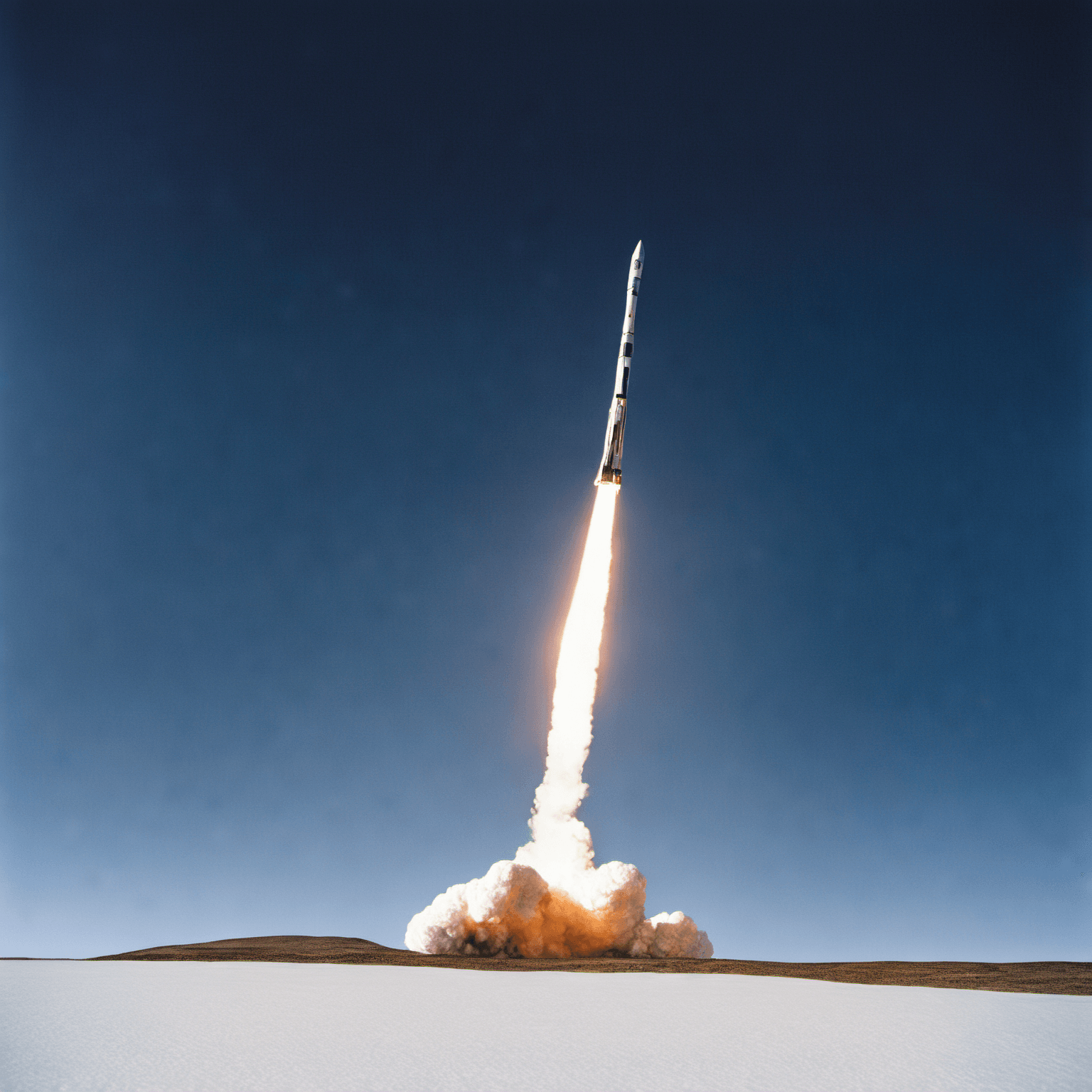
Rocket Lab's successful Electron return to flight, China's third Shenlong mission, lessons from Virgin Orbit's failure in the UK, Hubble's 30-year post-repair anniversary, and a summary of recent global launches.

Today marks a significant milestone as SpaceX successfully launches another batch of Starlink satellites, boosting global connectivity efforts.

SpaceX successfully launched Northrop Grumman's new Cygnus XL cargo spacecraft to the ISS, marking a significant advancement in cargo delivery capabilities.
SpaceX's disk-shaped Starfall reentry vehicle debuts as the constellation hits 10,671 working satellites across low Earth orbit.
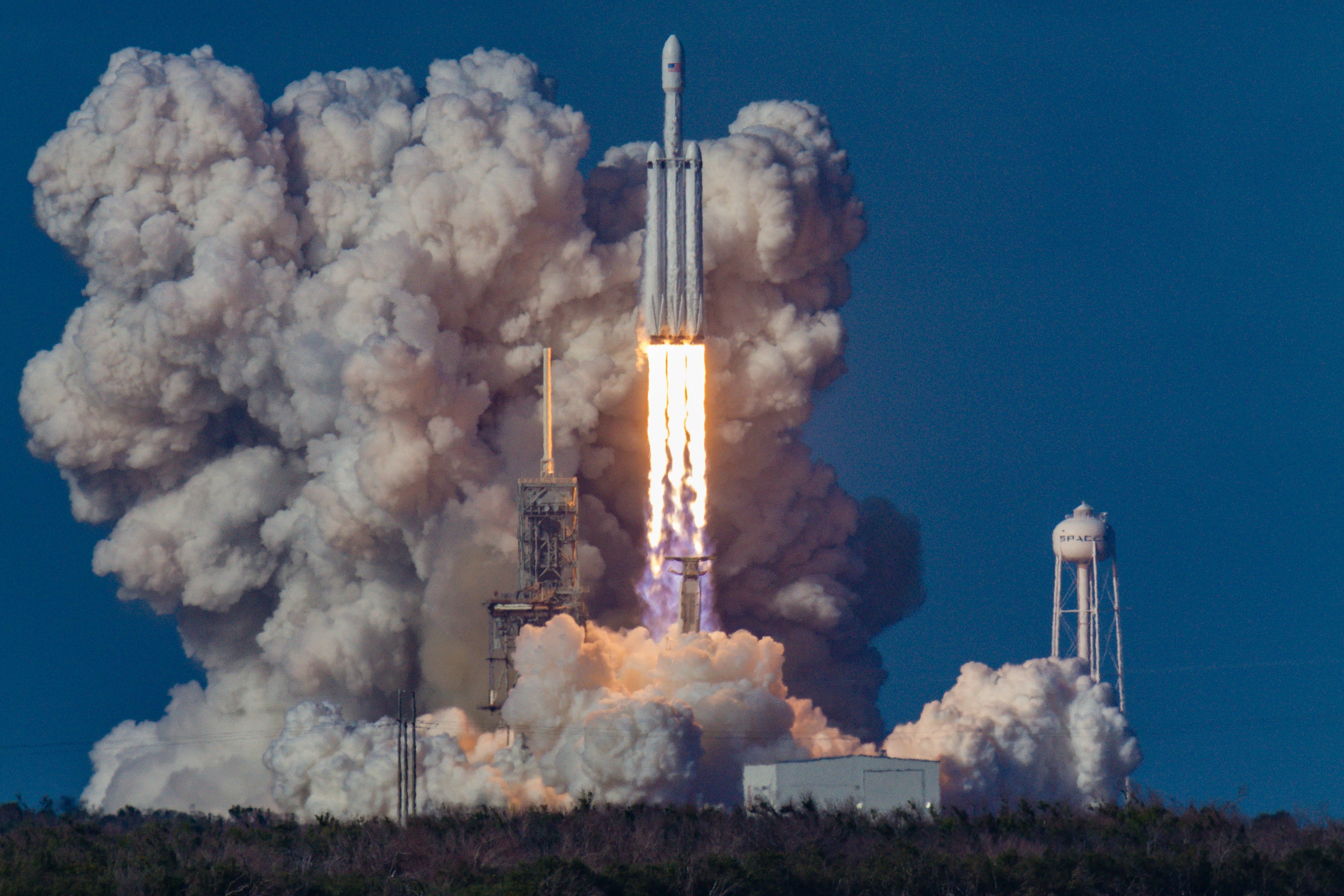
SpaceX's Falcon 9 rockets propel space exploration and connectivity forward with a moon landing mission, Starlink deployment, and readiness for another Starship launch trial.
SpaceX ignited all 33 next-gen Raptor V3 engines on the Super Heavy booster at Starbase, Texas, marking a critical milestone toward the next Starship flight.