

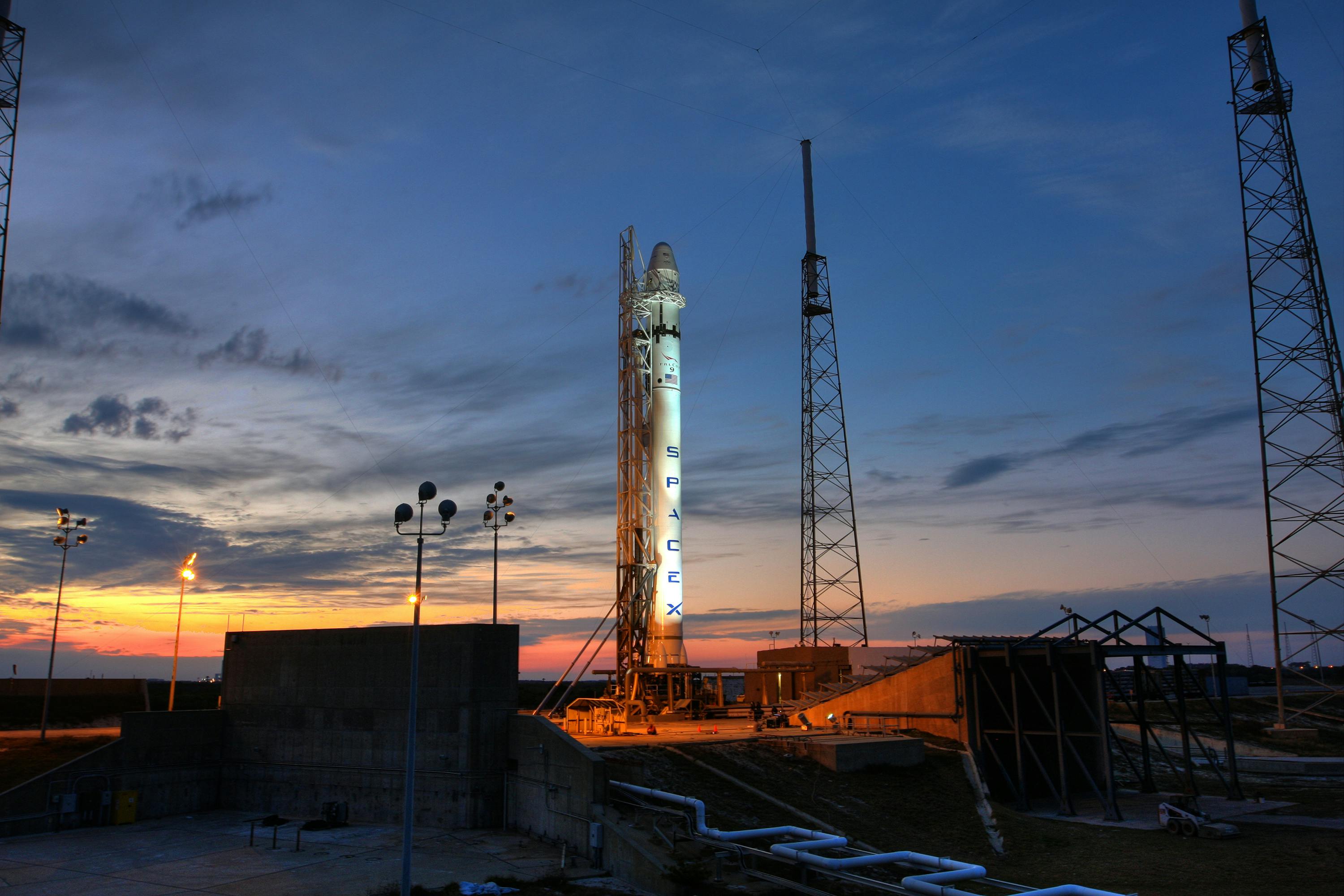
Vandenberg Set to Overtake All Sites as SpaceX Pivots from Falcon 9 | KeepTrack X Report
SpaceX shifts launch priorities to Vandenberg as Falcon 9 era winds down, while Anthropic signs orbital data center deal with the company.


Launch Date
May 10, 1999
Launch Site
TAISC
Launch Pad
LC7
Launch Vehicle
Chang Zheng 4B
NORAD ID
29719
International Designator
1999-025H
Decay Date
7/30/2007
Name
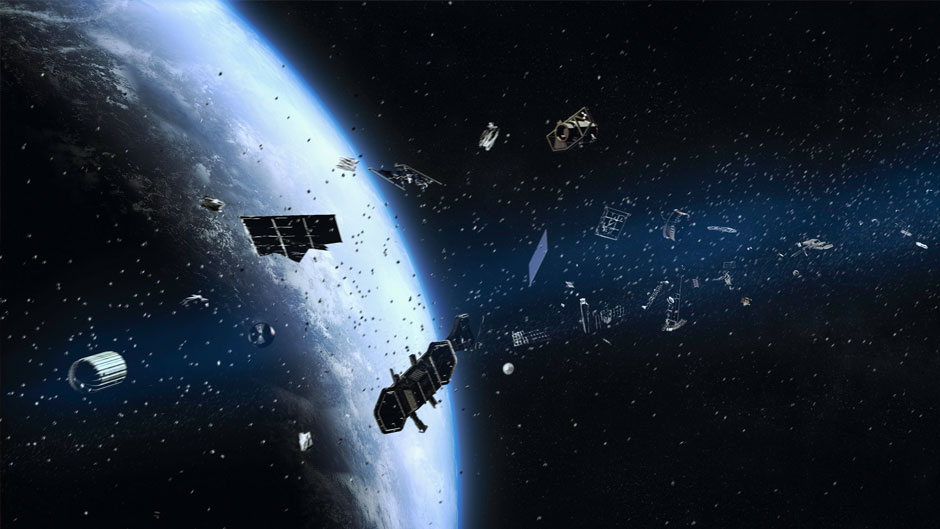
FENGYUN 1C DEB
Alternative Name
deb FY-1C
Type
Status
Owner
CASC
Country
China
Constellation
N/A
Related Satellites
Major Events
N/A
Length
0
Diameter
0
Span
0
Dry Mass
0
Launch Mass
0
Shape
N/A
Radar Cross Section
0.0462
Visual Magnitude
Unknown
Color
Unknown
Material Composition
Unknown
Payload
Unknown
Purpose
Unknown
Mission
Unknown
Manufacturer
Unknown
Life Expectancy
Unknown
Bus
Unknown
Configuration
Unknown
Motor
Unknown
Equipment
Unknown
Power System
Unknown
ADCS
Unknown
Transmitter Frequency
Unknown
Learn more about satellites and other related topics.
SpaceX shifts launch priorities to Vandenberg as Falcon 9 era winds down, while Anthropic signs orbital data center deal with the company.
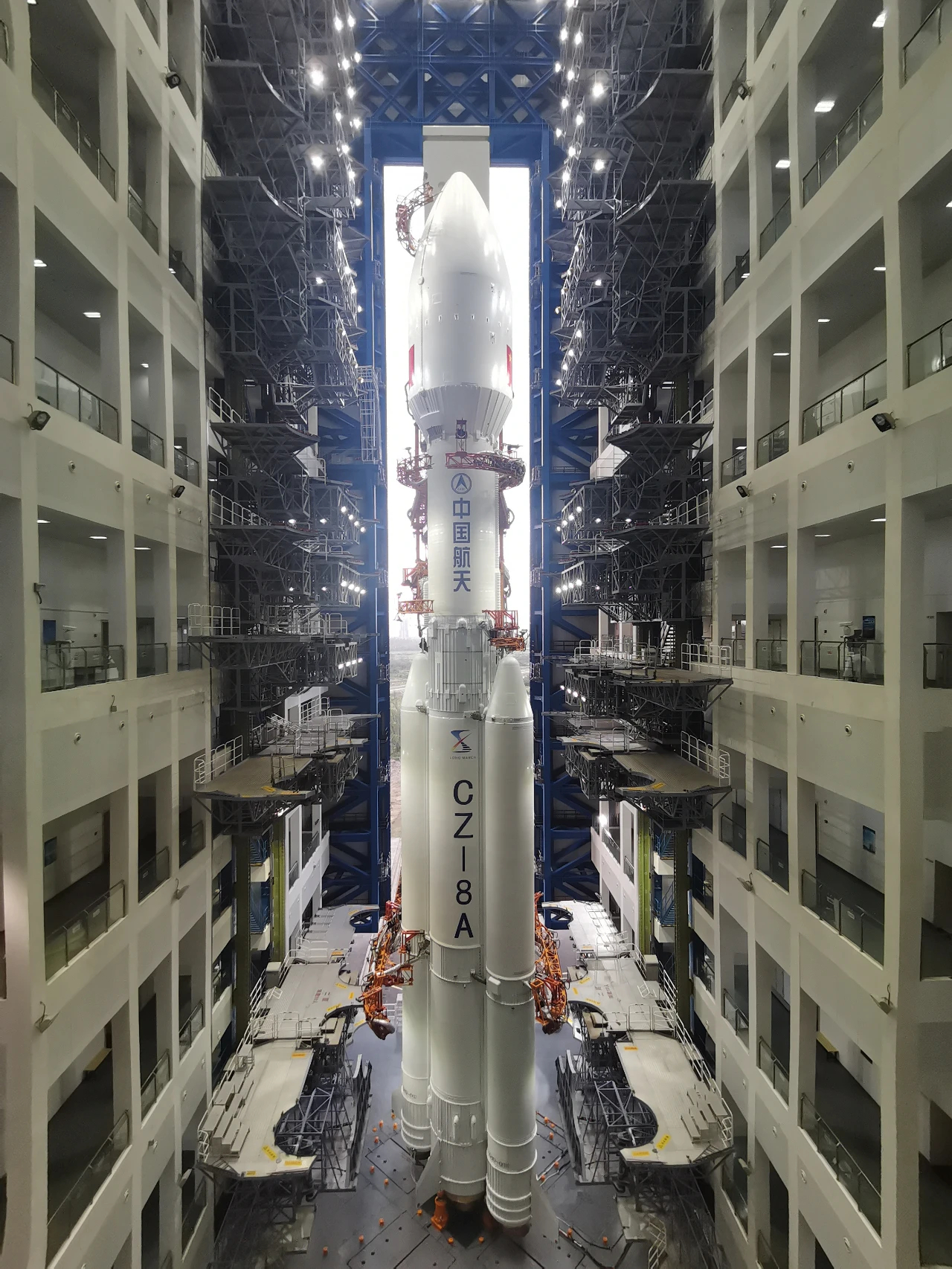
Today's briefing covers Rocket Lab's strategic acquisition, Space Dynamics Lab's new collaboration with the Space Force, and shifts within the Pentagon's AI division.

Key topics today include the US Space Force's new international strategy, China's partnership with Pakistan for astronaut training, and conservation concerns over SpaceX landing proposals.
Space Force awards first-of-its-kind $52M contract to Starfish Space for deorbiting defunct satellites. AST SpaceMobile selected for Missile Defense Agency SHIELD program. $26B Space Force budget confirmed.
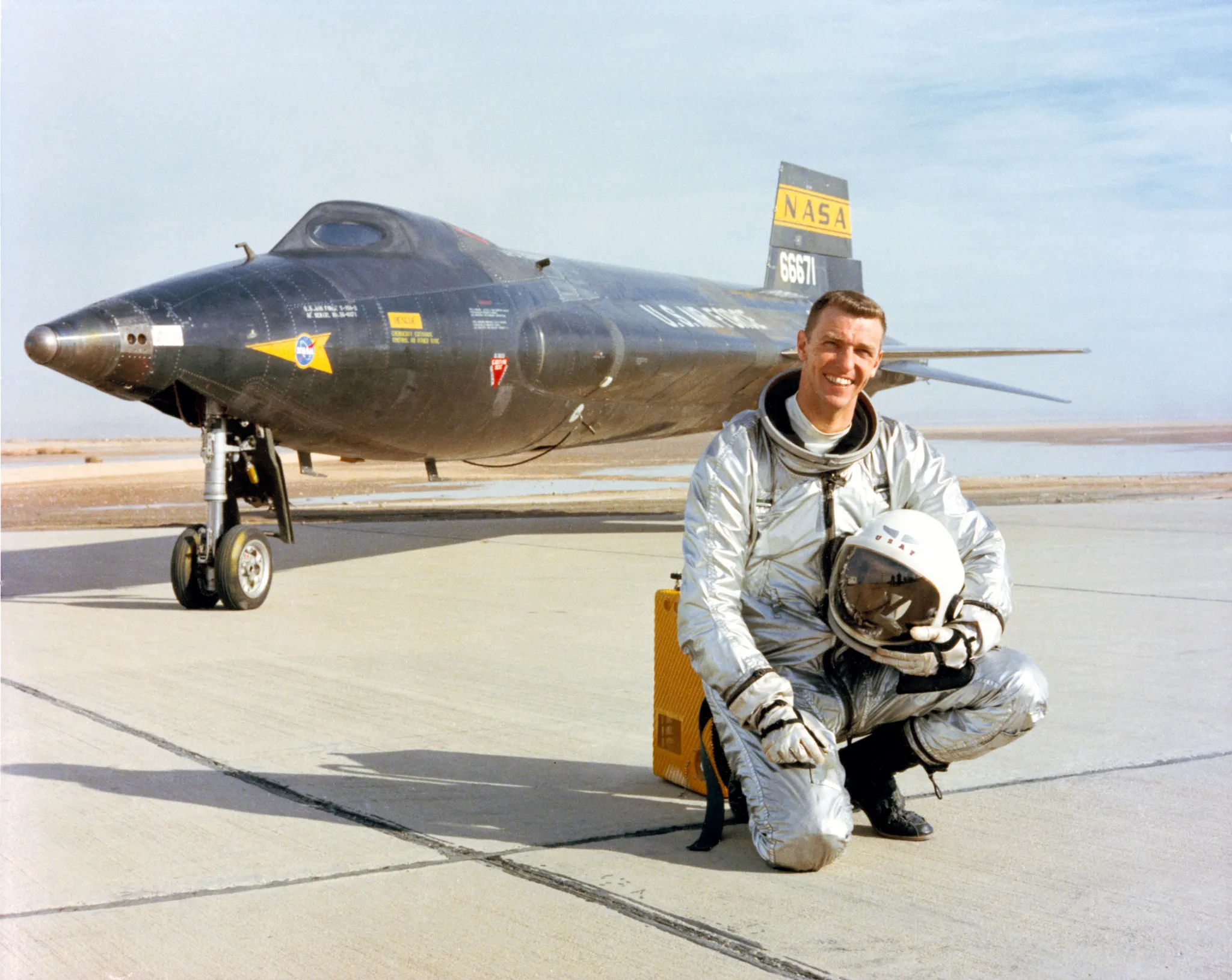
On 29 June 1965, a young Air Force test pilot rode a rocket-powered airplane to 280,600 feet above the California desert. He landed ten minutes later as the youngest person ever to earn astronaut wings.
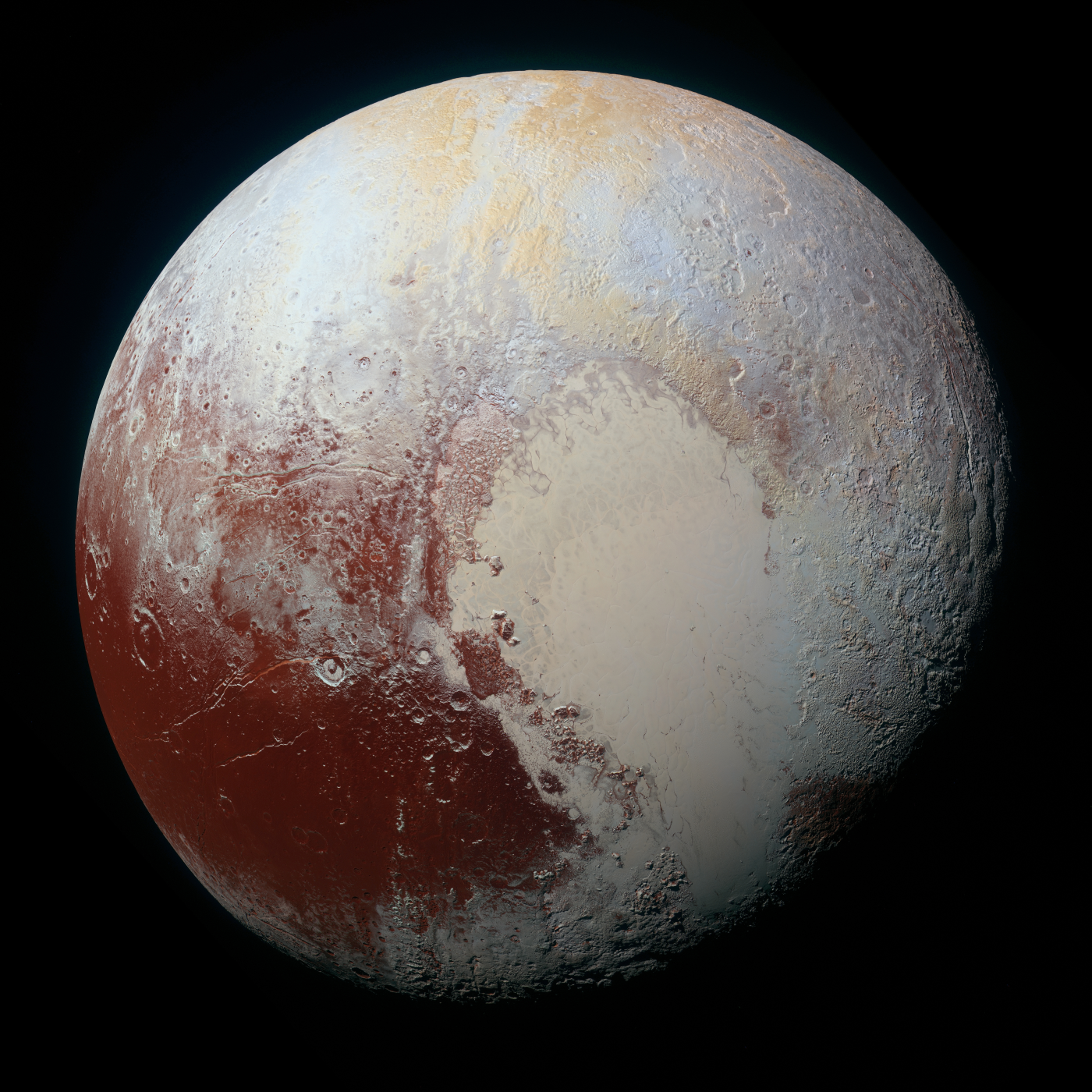
Ninety-five years ago, a 24-year-old astronomer with no college degree made one of astronomy's most remarkable discoveries, finding a new planet that would challenge our understanding of the solar system
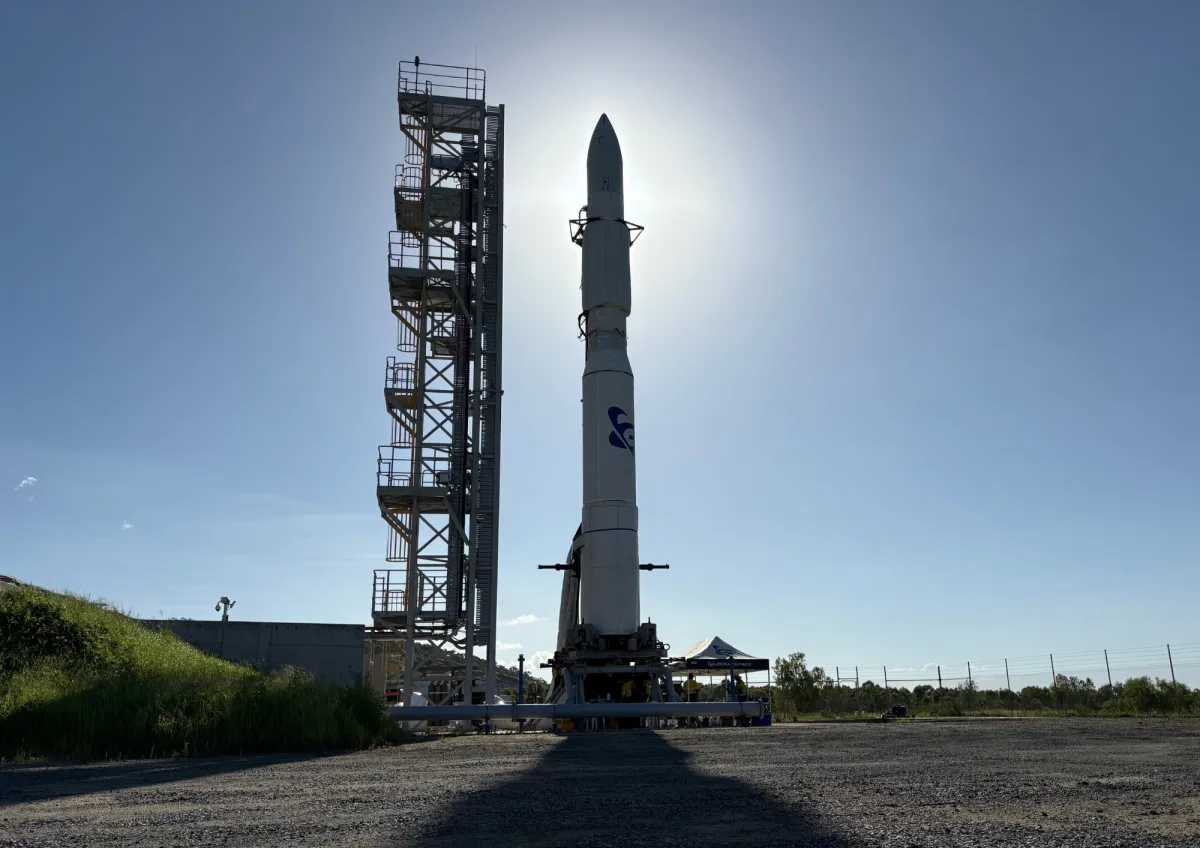
DARPA's accidental SpaceX detection highlights Earth as a natural sensor, while SpaceX's Fram2 launches into a polar orbit. Helsinki's defense budget rise hints at increased military satellite activity.
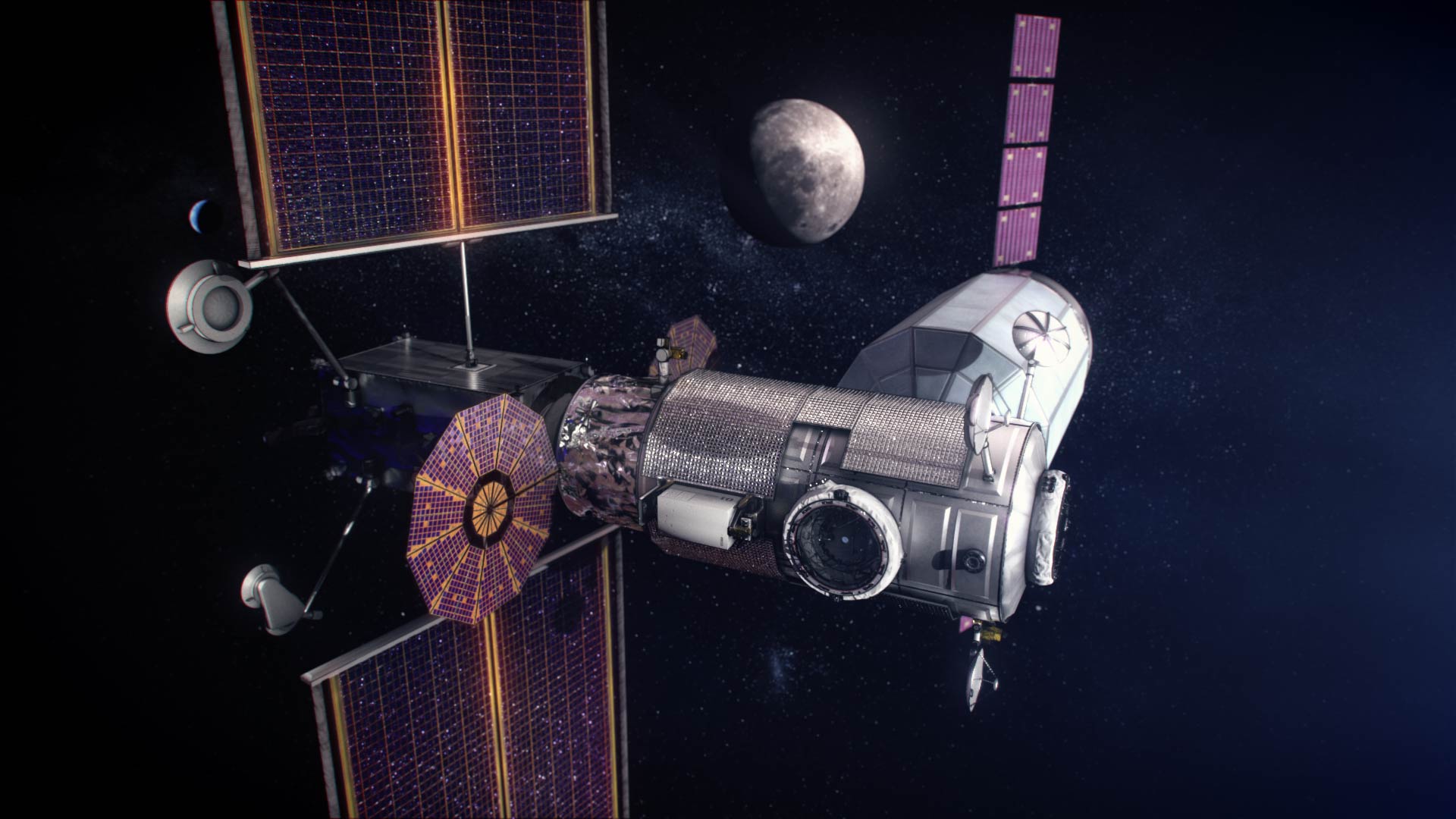
The volume of space between Earth and the Moon is roughly a thousand times larger than the orbit we actually watch, and almost none of it is under surveillance. As the U.S. and China race to build lunar outposts, the Space Force is scrambling to put eyes on a region it has been effectively blind to.