

SpaceX Lofts 45 Payloads Including Korean CAS500-2 | KeepTrack X Report
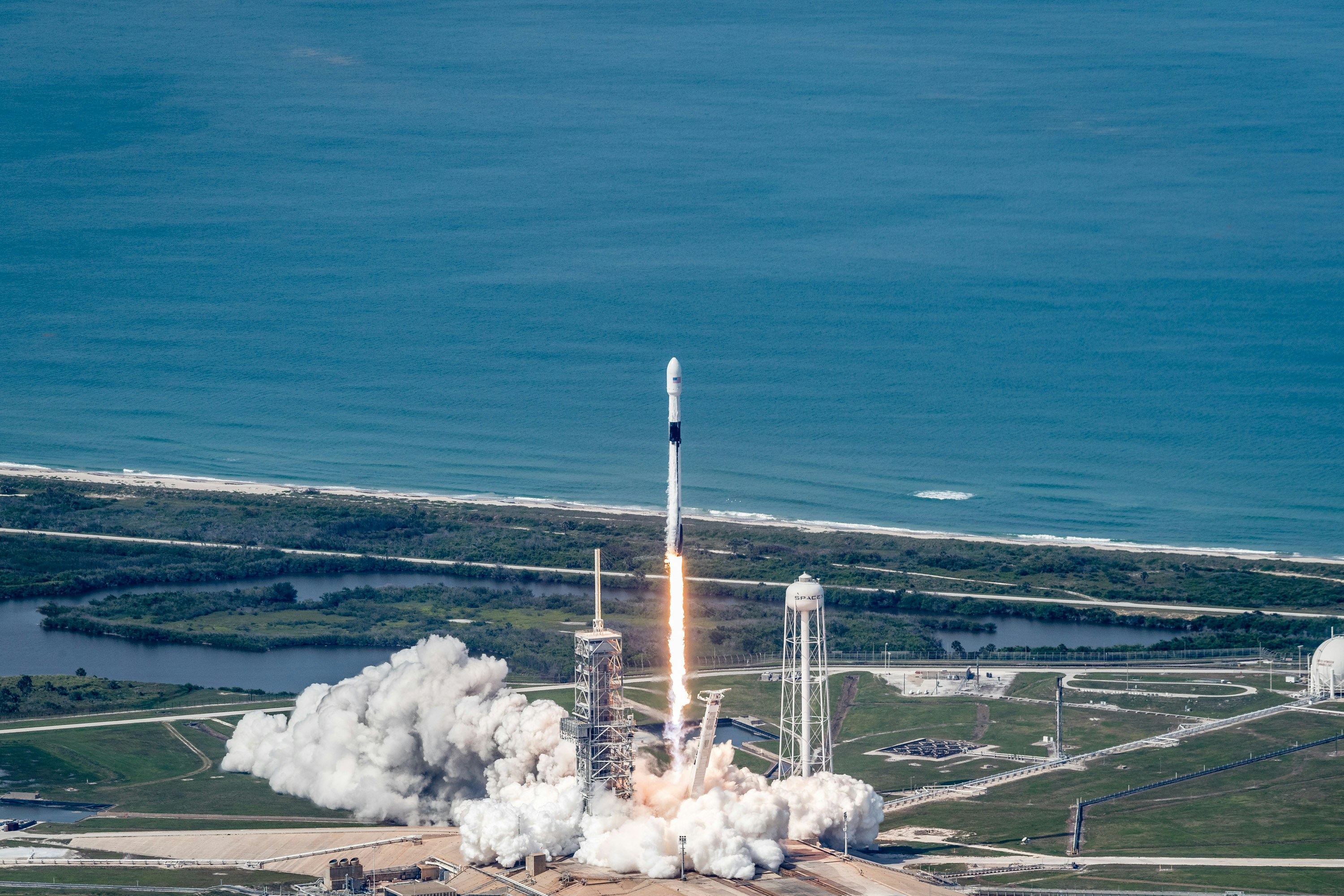
SpaceX's Falcon 9 rideshare lifted 45 satellites including South Korea's CAS500-2 Earth observer from Vandenberg at 0700 UTC May 3.



Launch Date
November 18, 1989
Launch Site
AFWTR
Launch Pad
SLC2W
Launch Vehicle
Delta 5920-8
NORAD ID
29702
International Designator
1989-089DD
Decay Date
12/19/2006
Name
DELTA 1 DEB
Alternative Name
Delta 189 major piece
Type
Status
Owner
GSFC
Country
United States
Constellation
N/A
Related Satellites
Major Events
N/A
Length
0
Diameter
0
Span
0
Dry Mass
0
Launch Mass
0
Shape
N/A
Radar Cross Section
0.0113
Visual Magnitude
Unknown
Color
Unknown
Material Composition
Unknown
Payload
26m2 piece
Purpose
Unknown
Mission
Unknown
Manufacturer
Unknown
Life Expectancy
Unknown
Bus
Unknown
Configuration
Unknown
Motor
Unknown
Equipment
Unknown
Power System
Unknown
ADCS
Unknown
Transmitter Frequency
Unknown
Learn more about satellites and other related topics.
SpaceX's Falcon 9 rideshare lifted 45 satellites including South Korea's CAS500-2 Earth observer from Vandenberg at 0700 UTC May 3.

SpaceX targets May 19 for Starship Flight 12 debut, while CRS-34 delivers 6,500 lbs of cargo to ISS aboard a Falcon 9.

Today's brief explores rising investments in space with defense ties, potential Space Force-NRO coordination, and more, offering insight into current military and defense satellite dynamics.
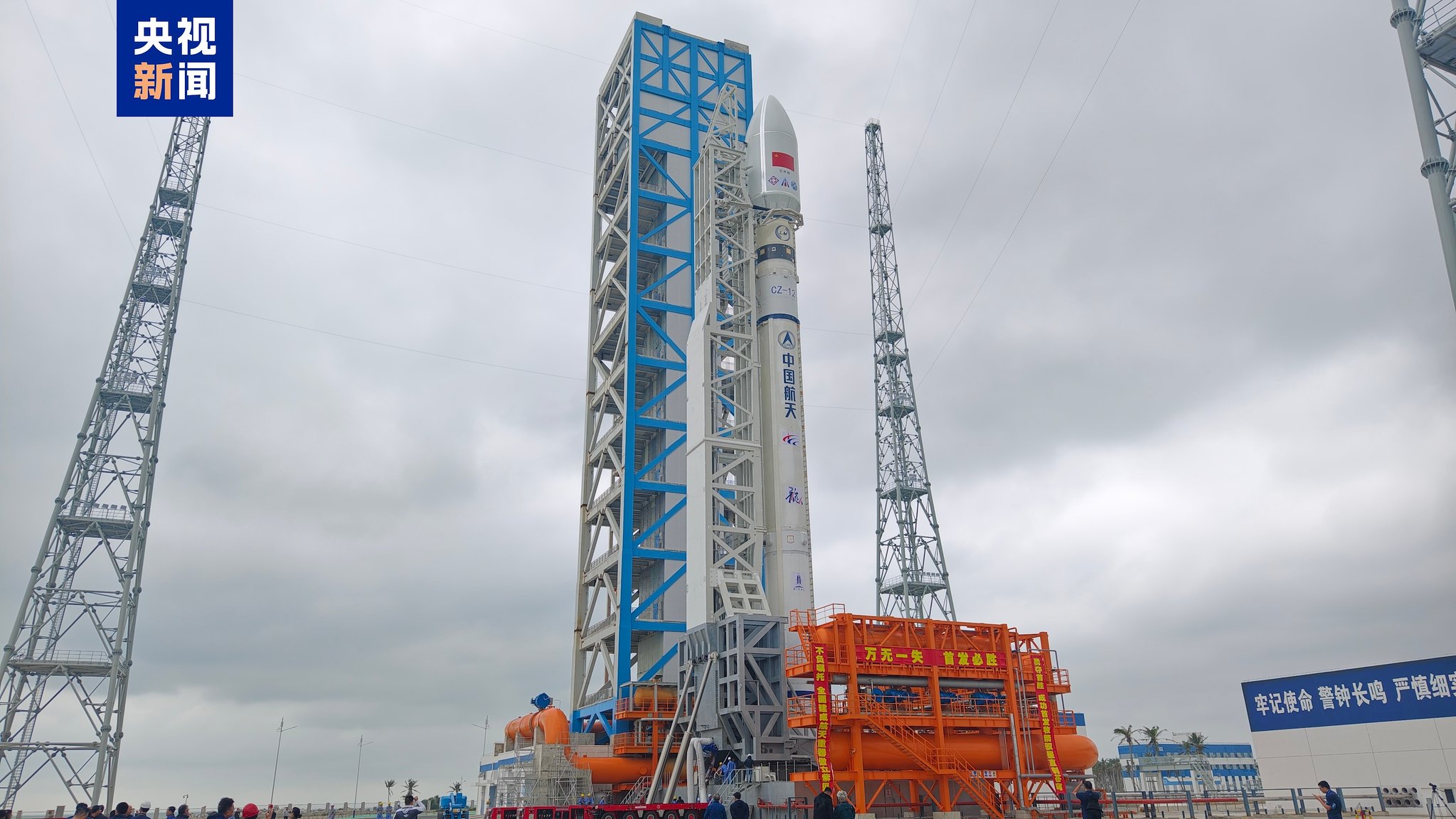
Demand surges for nuclear power in space including lunar surface reactors. Pentagon commits $1B as anchor investor in L3Harris missile unit. Orbion delivers 33 electric thrusters for military sats.

Today's Space Brief highlights major developments in satellite launches, regulatory milestones for spectrum sales, and the evolving landscape of space-related cyber conflicts.
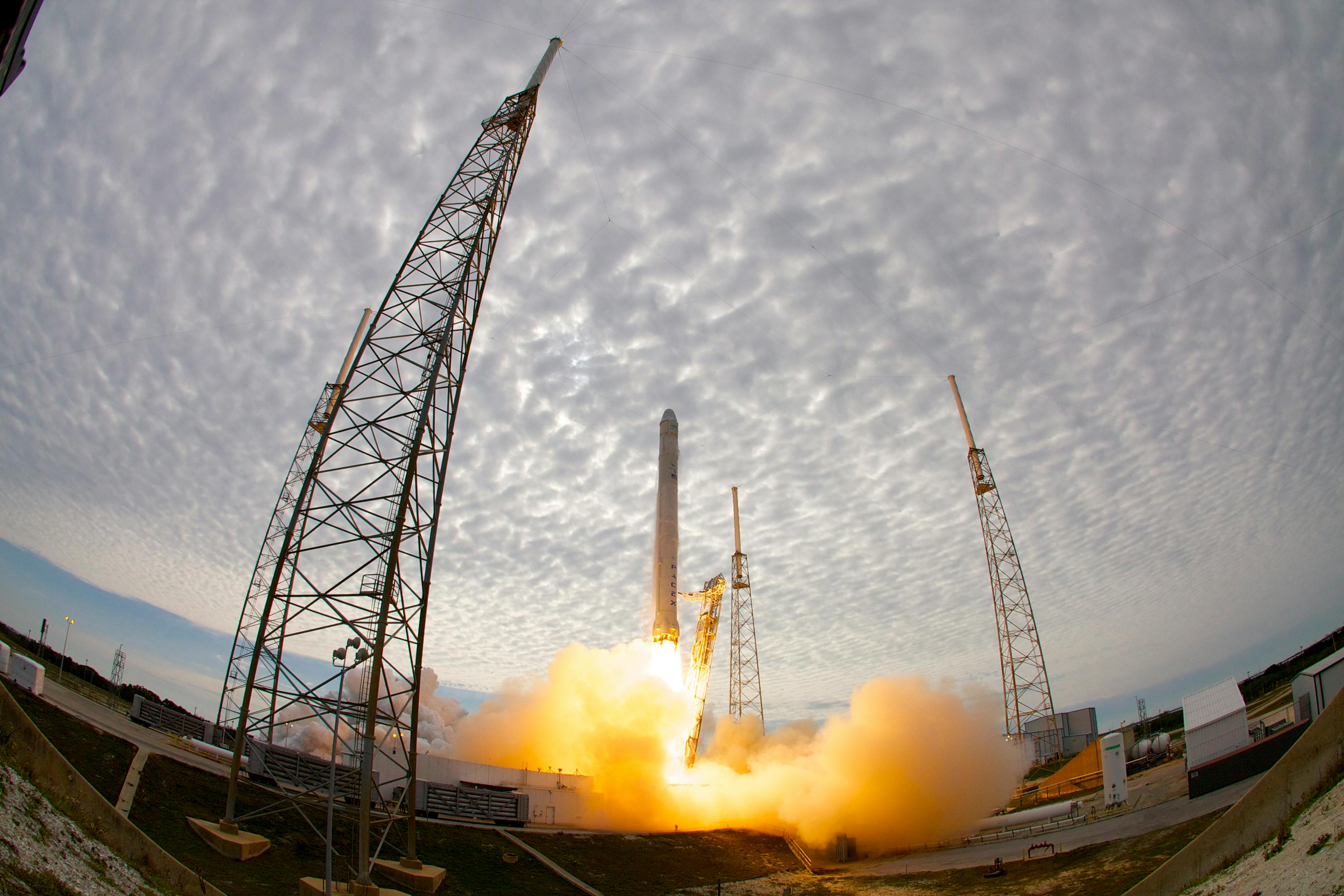
Major breakthroughs as SpaceX prepares to bring astronauts home and multiple launches unfold this week.

SpaceX targets May 19 for Starship V3's debut from Launch Pad 2, while the FCC approves a $2.4B EchoStar spectrum deal for Starlink.
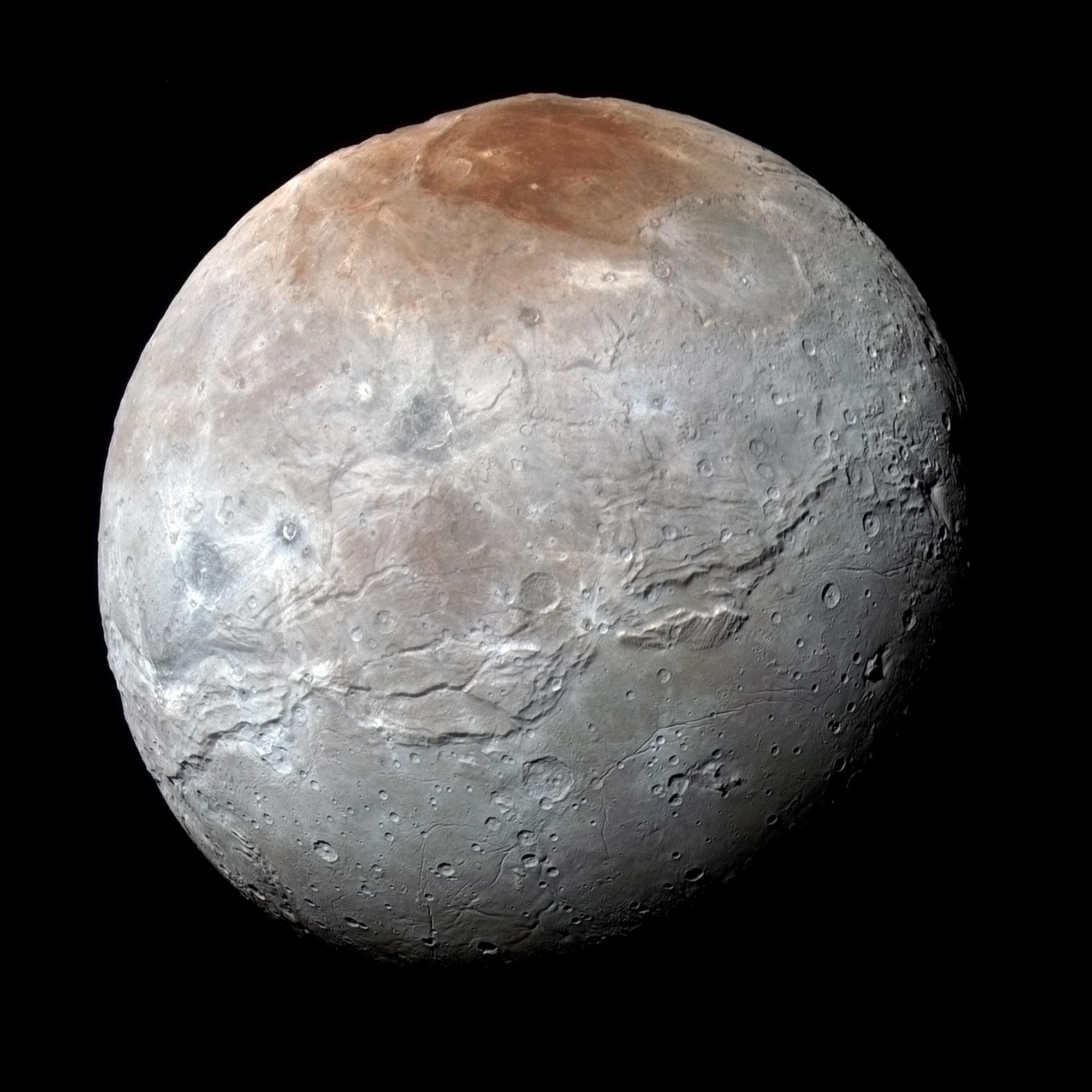
On 22 June 1978, an astronomer at the U.S. Naval Observatory looked at photographic plates that had been stamped 'image defective' and noticed a small bump on the side of Pluto. The bump was a moon, and finding it finally let astronomers weigh a planet that had fooled them for half a century.