TACSAT 2 (29653)

COSPAR: 2006-058A | Alt Name: Tacsat 2
DECAYED

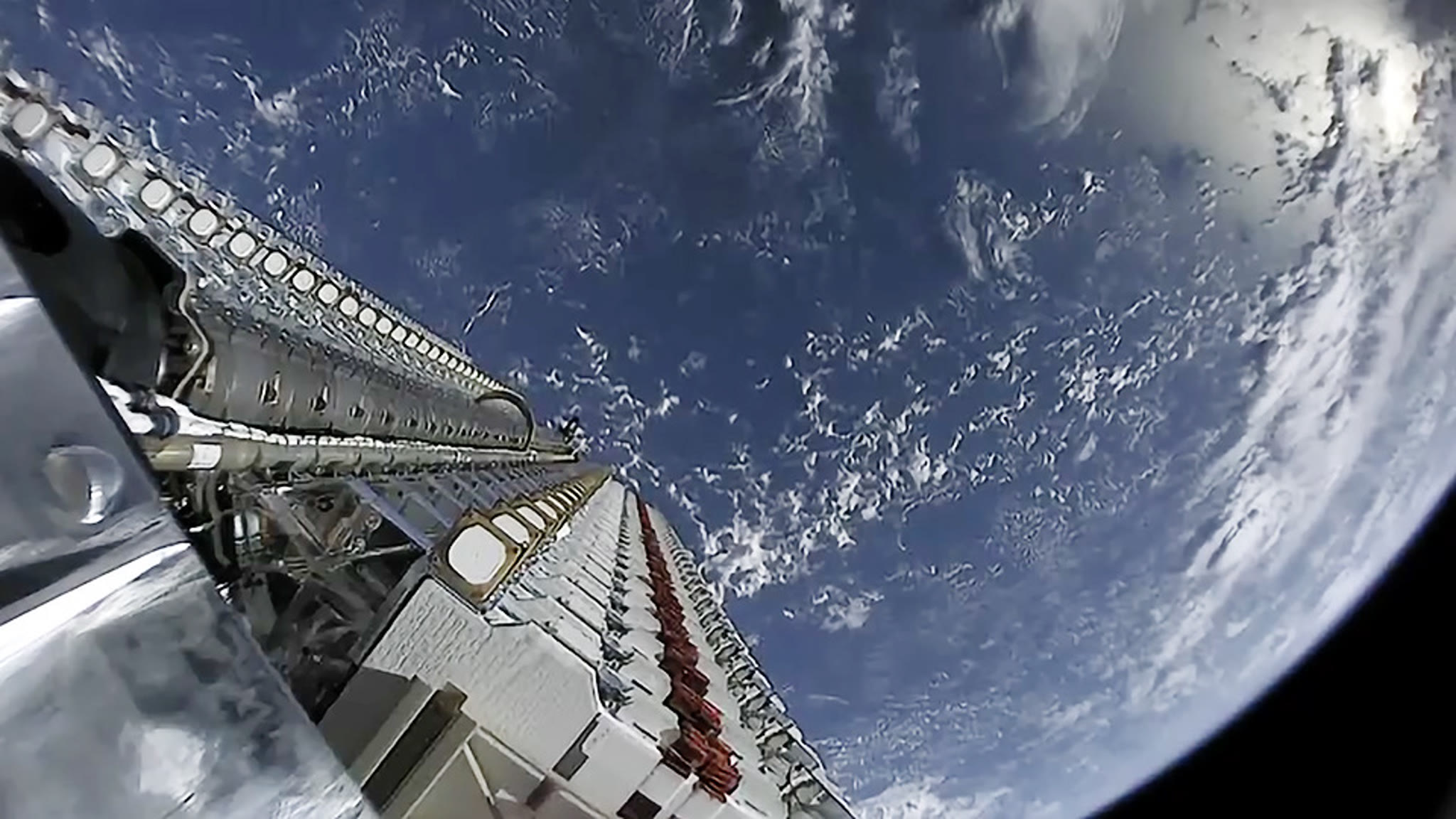
Image
TACSAT 2 Satellite Image
Additional Sources
Launch Details

Launch Date

December 16, 2006

Launch Site

WLPIS

Launch Pad

Pad 0B

Launch Vehicle

Minotaur I

Orbital Elements

NORAD ID

29653

International Designator

2006-058A

Decay Date

2/5/2011

Basic Satellite Info

Name

TACSAT 2

Alternative Name

Tacsat 2

Type

Payload

Status

Decayed

Owner

AFRL

Country

United States

Constellation

N/A

Related Satellites

Major Events

N/A

Summary
TACSAT 2 was a technology and imaging satellite launched on December 16, 2006, from Wallops Flight Facility Pad 0B using a Minotaur I launch vehicle. The spacecraft, based on the Roadrunner Bus (NGMB), measured 1.7 meters in length with a diameter of 1 meter and had a span of 5.5 meters. It weighed 370 kilograms at launch and was equipped with two deployable fixed solar arrays for power generation along with batteries. TACSAT 2 operated under the ownership of AFRL, manufactured by MICSY, and utilized a BHT-200 Hall Effect Thruster as its propulsion system. The satellite's primary mission involved technology demonstration and imaging capabilities in orbit.
Physical Characteristics

Length

1.7

Diameter

1

Span

5.5

Dry Mass

370

Launch Mass

370

Shape

Cyl + 2 Pan

Radar Cross Section

2.2862

Visual Magnitude

Unknown

Color

Unknown

Material Composition

Unknown

Technical Details

Payload

Tacsat 2

Purpose

Technology, imaging

Mission

Technology, imaging

Manufacturer

MICSY

Life Expectancy

Unknown

Bus

SN-200

Configuration

Roadrunner Bus (NGMB, Next Generation Multifunctional Bus)

Motor

BHT-200 Hall Effect Thruster

Equipment

see above

Power System

2 deployable fixed solar arrays, batteries

ADCS

Unknown

Transmitter Frequency

Unknown

Satellite Articles

View All Posts »

Learn more about satellites and other related topics.

Aurora 7 and the Day NASA Almost Lost Scott Carpenter

Aurora 7 and the Day NASA Almost Lost Scott Carpenter

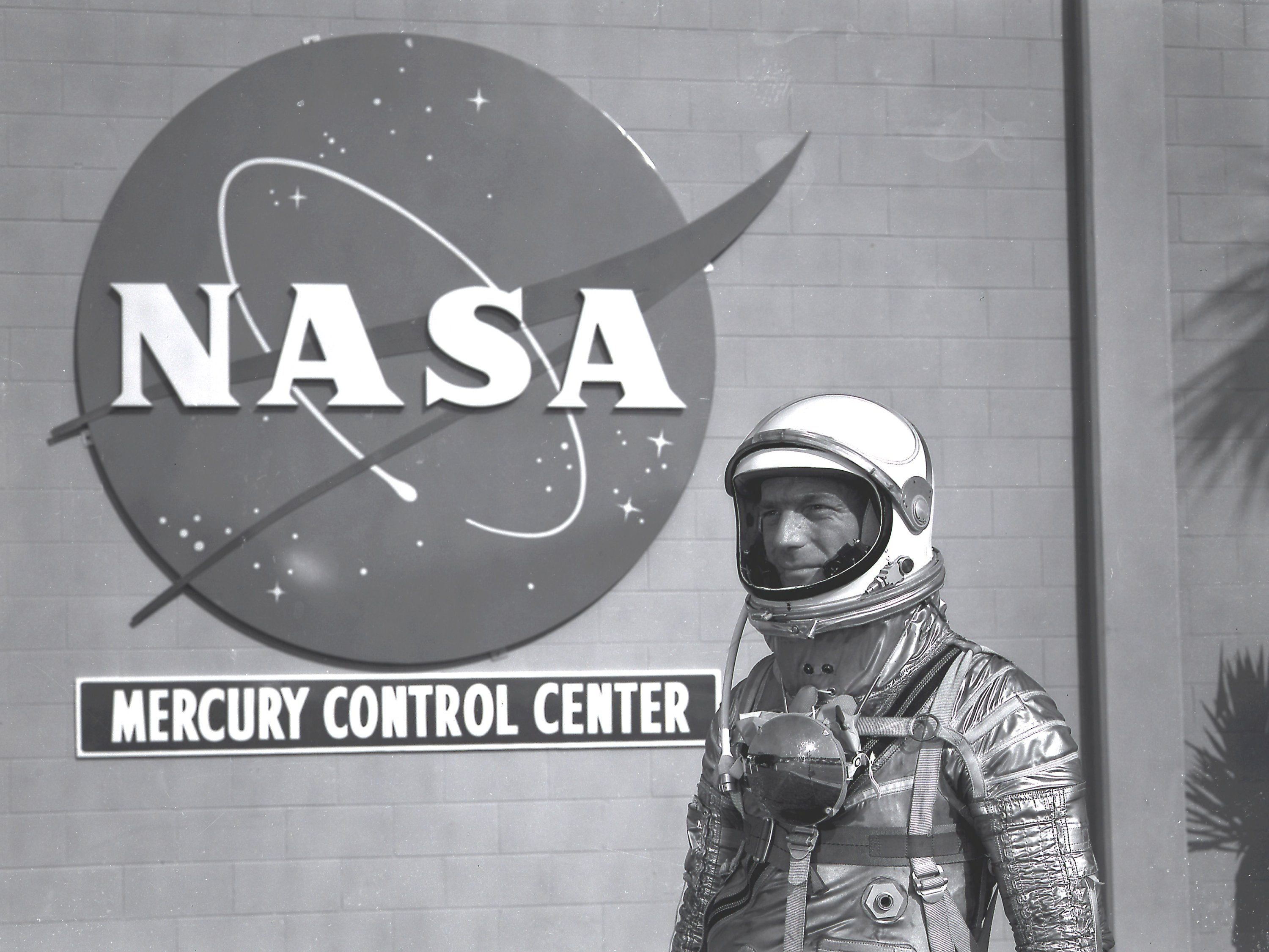
Exactly 64 years ago today, Scott Carpenter became the fourth American to orbit the Earth aboard Aurora 7. His five-hour flight produced new science, a tense reentry, and 39 minutes of silence in which the country wondered if it had just lost its astronaut.

X Report 26 Feb 2025

X Report 26 Feb 2025

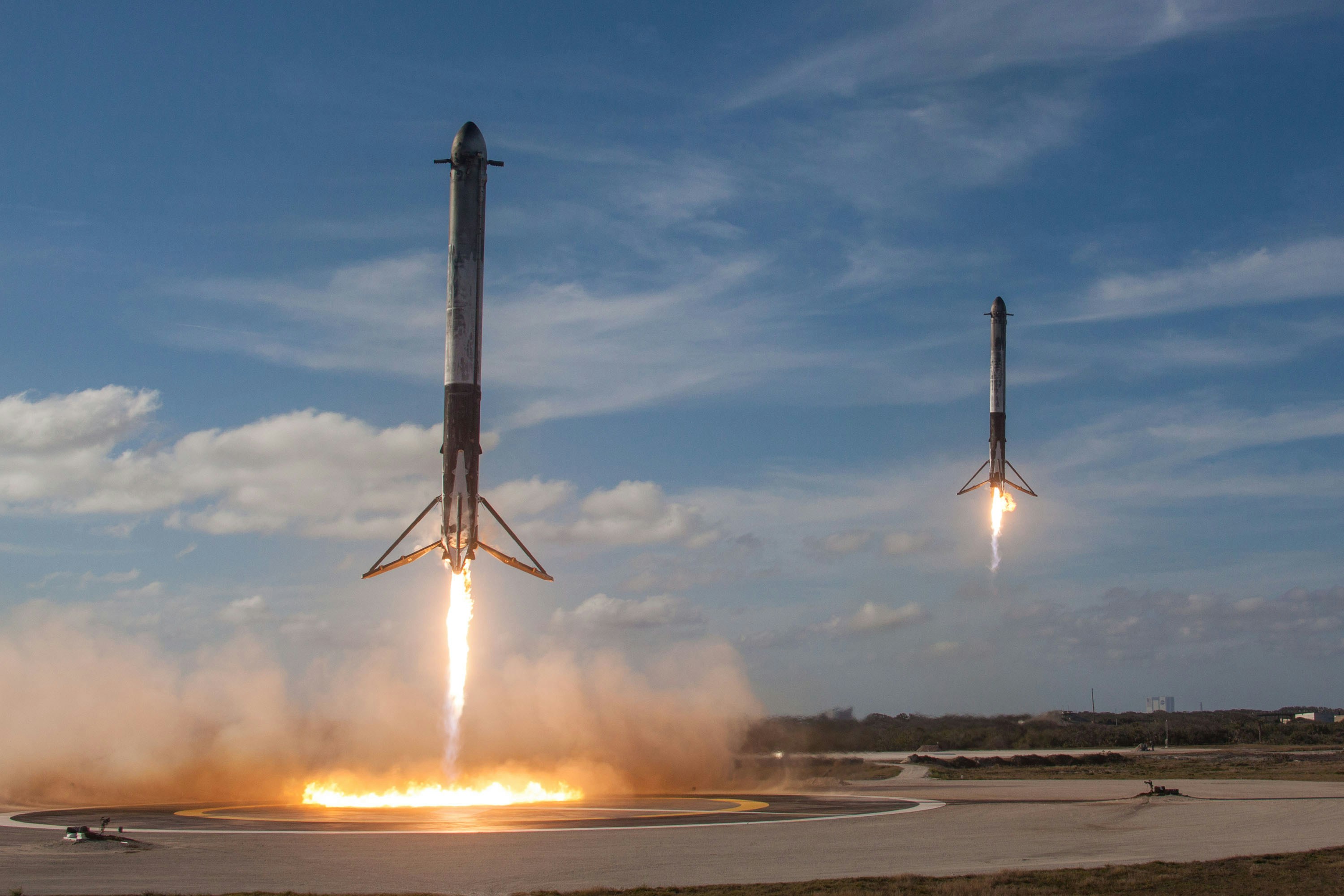
SpaceX progresses with Starship Flight 8 preparations, completes investigation into Flight 7 mishap, and prepares for upcoming launches.

SpaceX Falcon 9 Grounded After Rare Launch Failure

SpaceX Falcon 9 Grounded After Rare Launch Failure

The FAA grounds SpaceX's Falcon 9 rocket after a launch mishap, potentially impacting NASA's crewed missions and disrupting SpaceX's ambitious launch schedule.

Joe Engle and the Youngest Astronaut Wings Ever Earned

Joe Engle and the Youngest Astronaut Wings Ever Earned

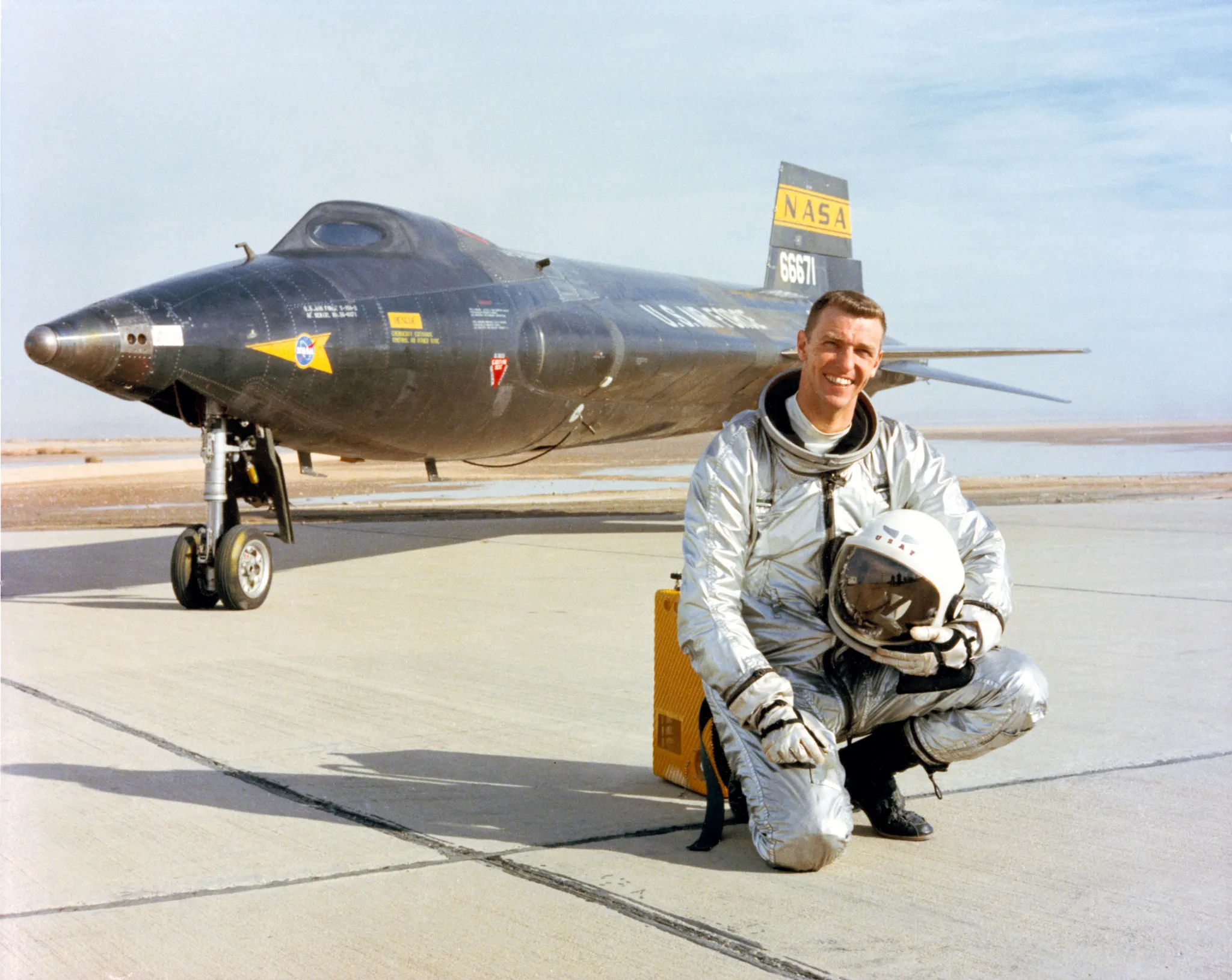
On 29 June 1965, a young Air Force test pilot rode a rocket-powered airplane to 280,600 feet above the California desert. He landed ten minutes later as the youngest person ever to earn astronaut wings.

Space Brief 11 Nov 2025

Space Brief 11 Nov 2025

Record-breaking Chinese launches, SDA funding issues, and a new Starlink milestone highlight today's space news.

Space Brief 17 Feb 2025

Space Brief 17 Feb 2025

Today's brief covers the first astronaut with a disability preparing for the ISS mission, SpaceX’s recent Starlink launch, funding breakthroughs for satellite tech company K2 Space, and updates on the Artemis program's challenges.

The 300,000 Swerves Keeping Low Earth Orbit From Crashing

The 300,000 Swerves Keeping Low Earth Orbit From Crashing

Starlink satellites fired their thrusters to dodge a collision roughly 300,000 times in 2025, about 822 times a day. Behind that number is a fragile, half-automated system of warnings, probabilities, and judgment calls that decides which close approaches are worth a maneuver and which are just noise.

Orion Crew Returns After Historic Lunar Mission | KeepTrack Space Brief

Orion Crew Returns After Historic Lunar Mission | KeepTrack Space Brief

Artemis 2's four-person crew splashed down April 10 after first crewed lunar flyby since Apollo 17. Orion performance data critical for Artemis 3 south pole landing planning.