

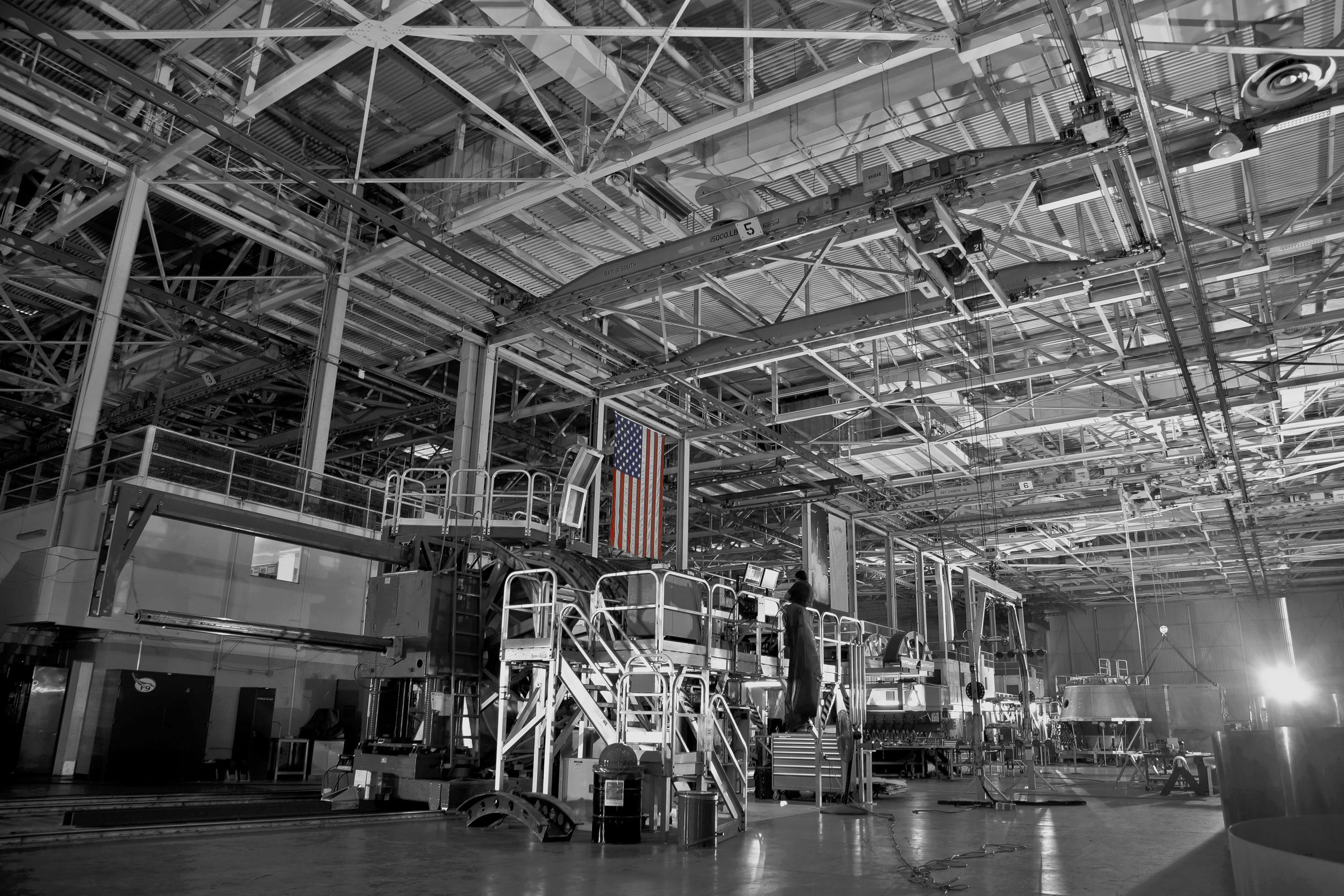
X Report 10 May 2025
SpaceX continues its rapid launch cadence by deploying 28 Starlink satellites while expanding its service with collaborations such as United Airlines and Entel in Chile.



Launch Date
September 14, 2006
Launch Site
Launch Pad
LC31
Launch Vehicle
Soyuz-U-PVB
NORAD ID
29604
International Designator
2006-039D
Decay Date
11/18/2006
Name
COSMOS 2423 DEB
Alternative Name
deb Kosmos-2423
Type
Status
Owner
KVR
Country
Russia
Constellation
N/A
Related Satellites
Major Events
N/A
Length
0
Diameter
0
Span
0
Dry Mass
0
Launch Mass
0
Shape
N/A
Radar Cross Section
Unknown
Visual Magnitude
Unknown
Color
Unknown
Material Composition
Unknown
Payload
Unknown
Purpose
Unknown
Mission
Unknown
Manufacturer
Unknown
Life Expectancy
Unknown
Bus
Unknown
Configuration
Unknown
Motor
Unknown
Equipment
Unknown
Power System
Unknown
ADCS
Unknown
Transmitter Frequency
Unknown
Learn more about satellites and other related topics.
SpaceX continues its rapid launch cadence by deploying 28 Starlink satellites while expanding its service with collaborations such as United Airlines and Entel in Chile.

Today's report highlights the causes behind a recent Starship explosion, a significant delay in Axiom-4's launch, and the ongoing tension surrounding SpaceX's market dominance.
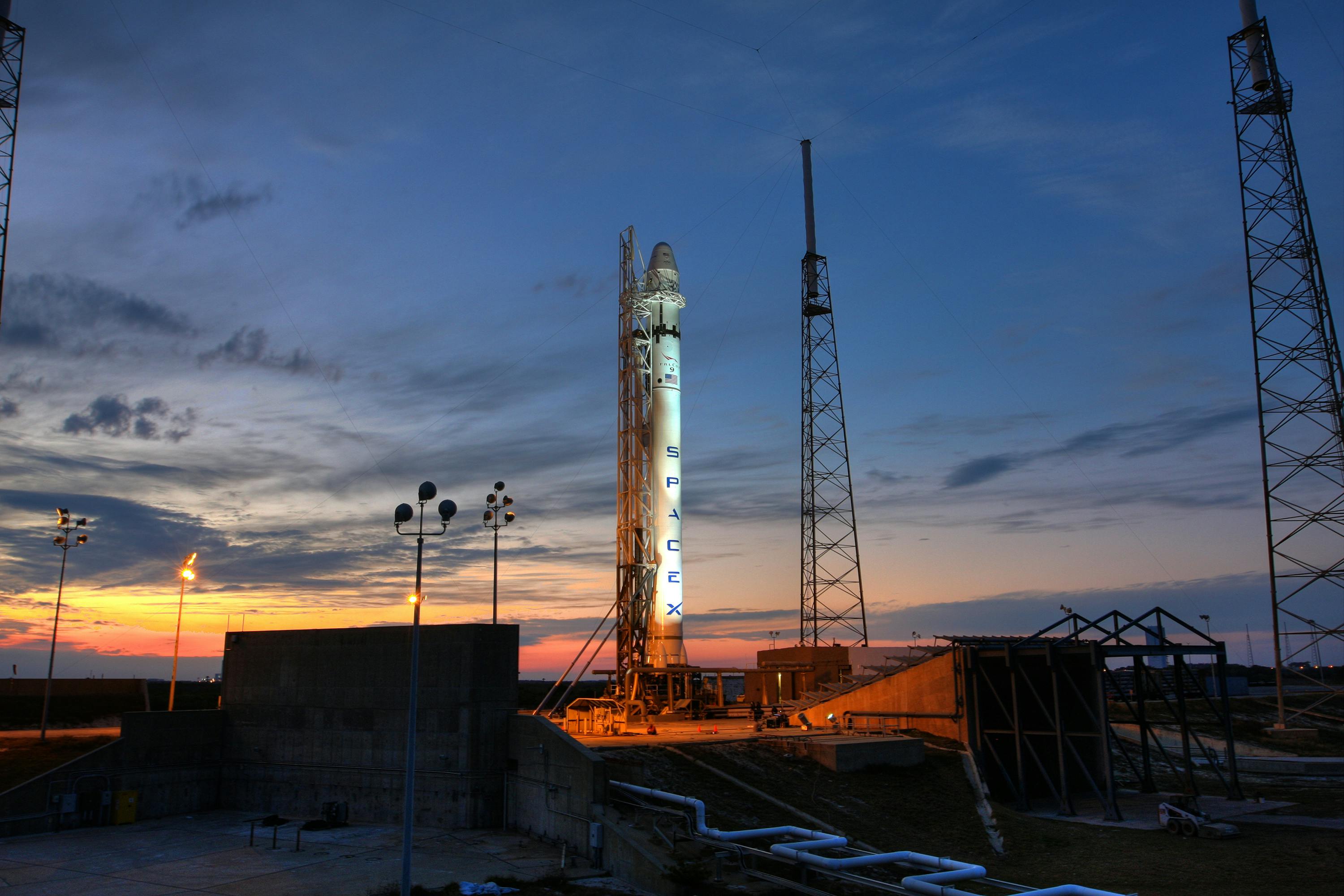
SpaceX launches 29 Starlink satellites in first deployment since recent satellite issues. Falcon 9 also delivers Italy's COSMO-SkyMed CSG-FM3 from Vandenberg. Starship plans solidified for 2026.

On May 4, 1989, Space Shuttle Atlantis lifted off from LC-39B carrying Magellan, NASA's first interplanetary mission since 1978. The eleven-year drought ended in a payload bay, and the radar that emerged would map ninety-eight percent of Venus through clouds that no camera could ever see through.
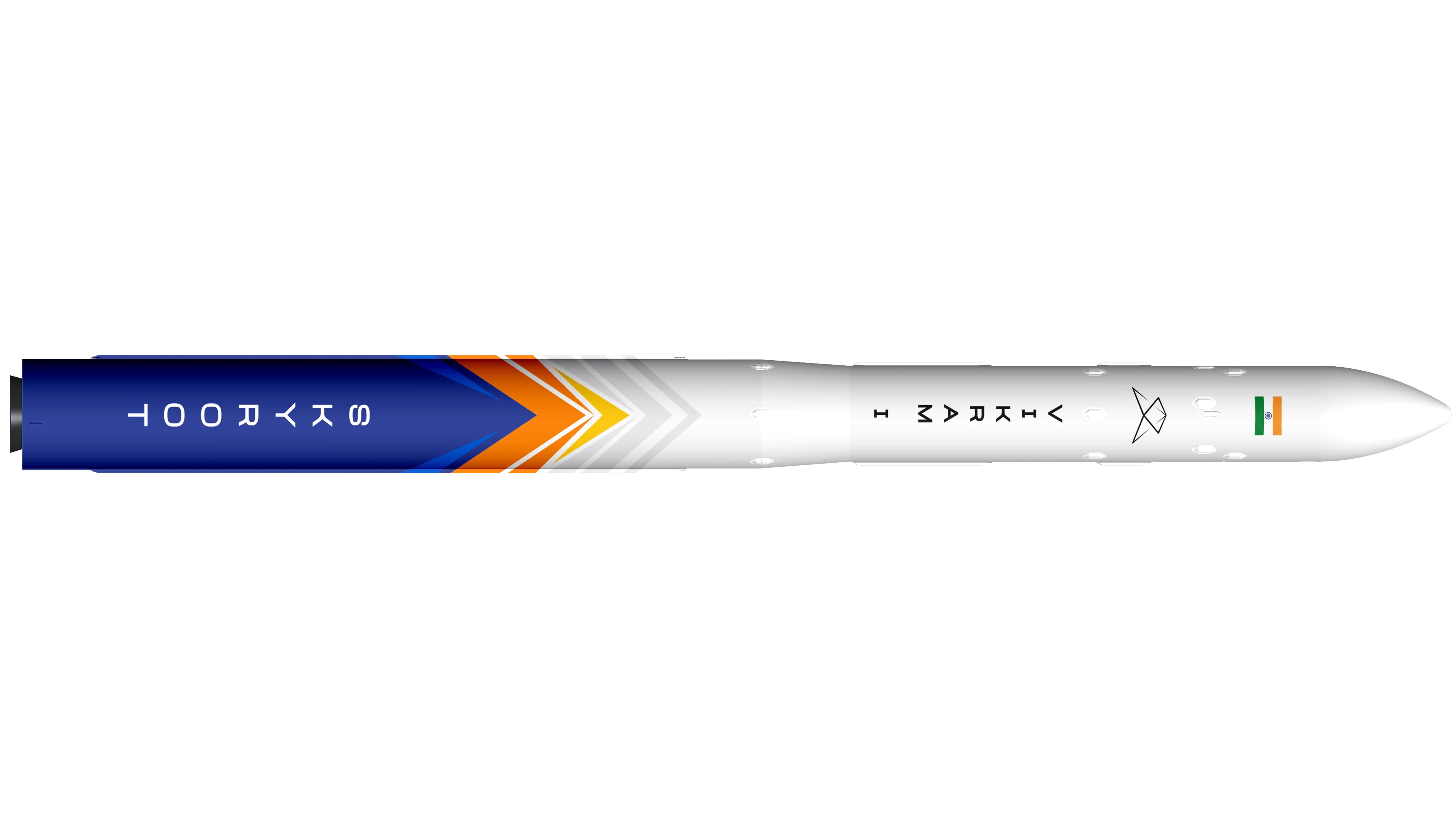
Hypersonica completes Mach 6+ hypersonic missile flight test in Norway covering 300+ km. Pentagon seeks commercial GEO spy satellites. Gilat wins $9M Israeli defense satcom deal.

Starlink satellite count April 2026: 10,191 working of 10,209 in orbit. SpaceX flew its 1,000th Starlink of 2026 on April 14, adding 29 more sats.

SpaceX kicks off a busy week with five Falcon 9 missions planned, while the impressive layout of Raptor engines on Starship captures imaginations.

Falcon Heavy flew for the first time in eighteen months on April 29, 2026, expending its center core to push Viasat's final ViaSat-3 satellite toward geostationary orbit. The mission is a flagship rocket doing what only it can still do, for an operator betting six tons of high-throughput hardware on a market Starlink is rapidly redefining.