

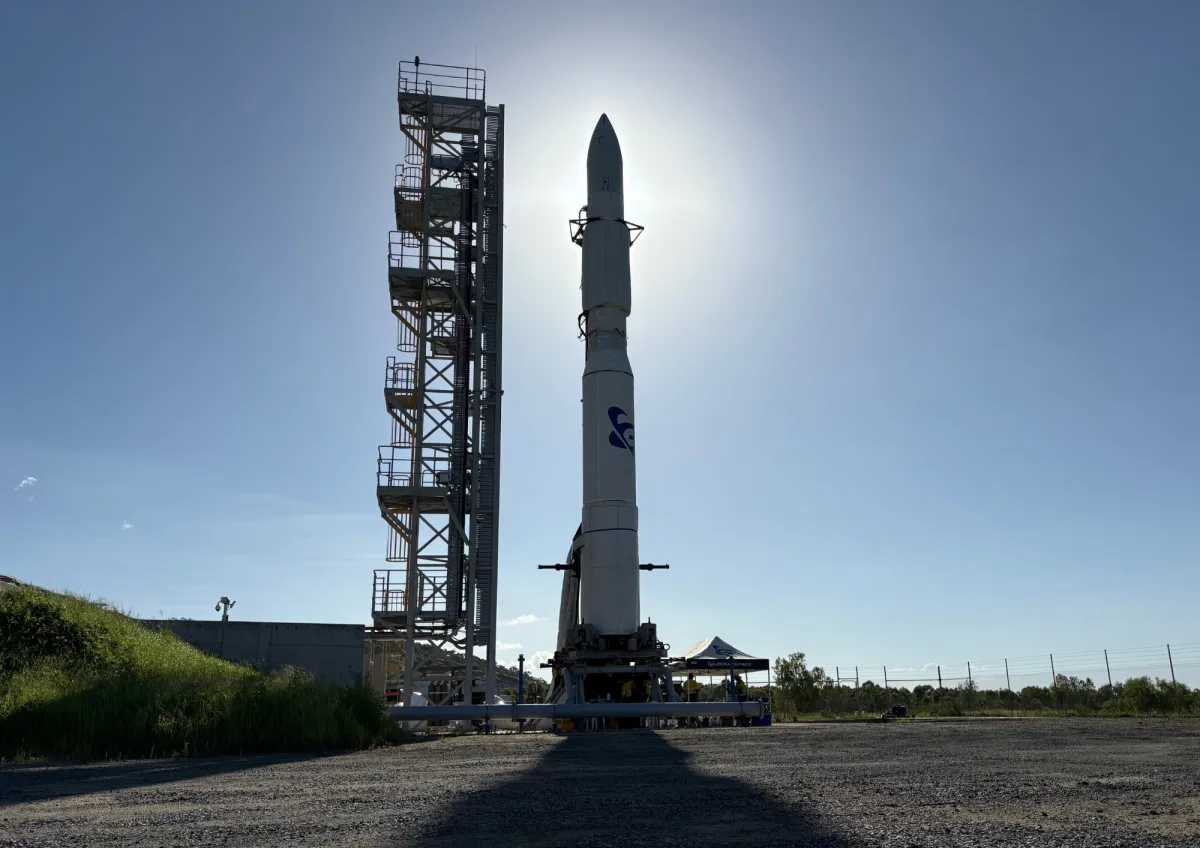
Space Brief 23 Apr 2025
Today's brief highlights the US Space Force's new space conflict doctrine, Ukraine's search for Starlink alternatives, and updates on regional military activities affecting space dynamics.


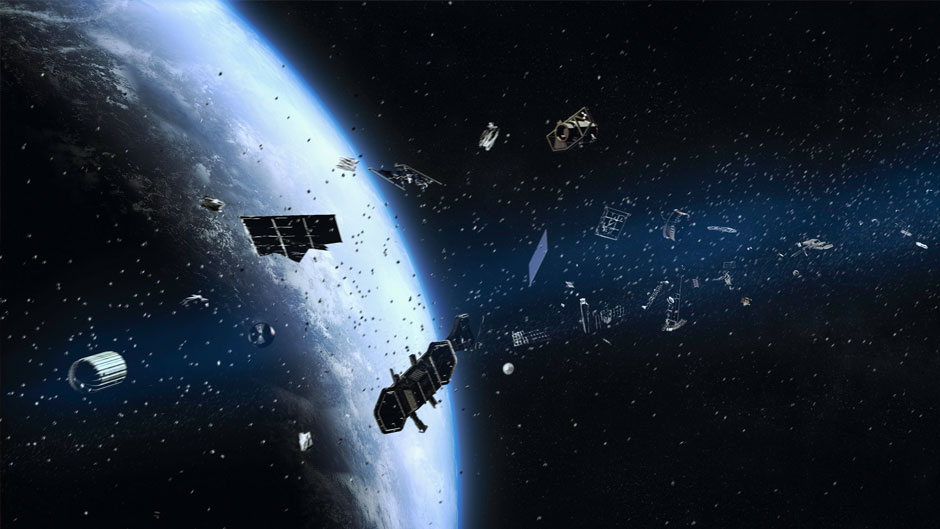
Launch Date
November 4, 2006
Launch Site
AFWTR
Launch Pad
SLC6
Launch Vehicle
Delta 4M
NORAD ID
29559
International Designator
2006-050Z
Decay Date
5/15/2011
Name
DELTA 4 DEB
Alternative Name
deb Delta 320
Type
Status
Owner
AFSMC
Country
United States
Constellation
N/A
Related Satellites
Major Events
N/A
Length
0
Diameter
0
Span
0
Dry Mass
0
Launch Mass
0
Shape
N/A
Radar Cross Section
0.034
Visual Magnitude
Unknown
Color
Unknown
Material Composition
Unknown
Payload
deb DCSS-4 F06
Purpose
Unknown
Mission
Unknown
Manufacturer
ULAD
Life Expectancy
Unknown
Bus
Unknown
Configuration
Unknown
Motor
Unknown
Equipment
Unknown
Power System
Unknown
ADCS
Unknown
Transmitter Frequency
Unknown
Learn more about satellites and other related topics.
Today's brief highlights the US Space Force's new space conflict doctrine, Ukraine's search for Starlink alternatives, and updates on regional military activities affecting space dynamics.
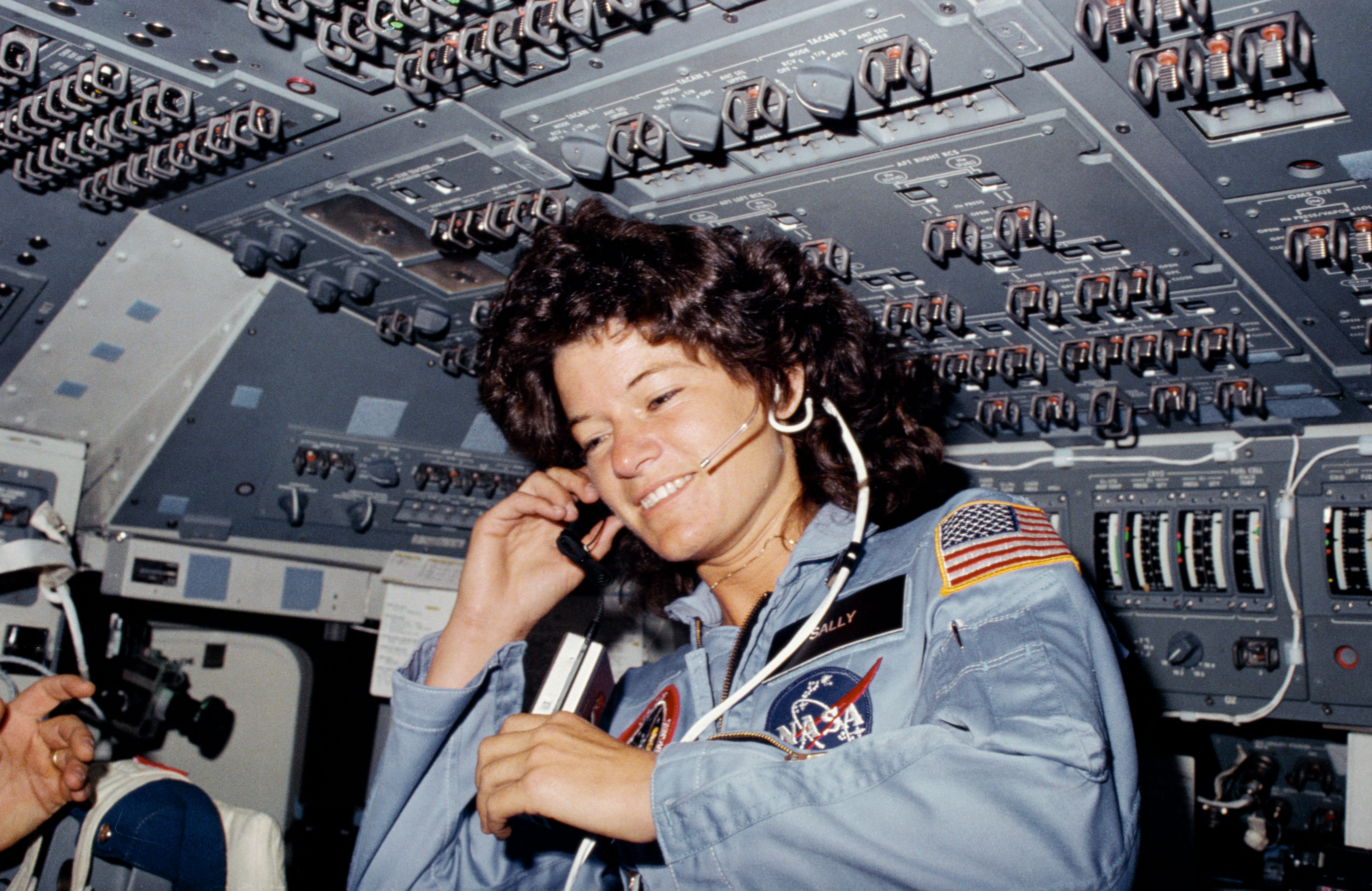
At 7:33 on the morning of 18 June 1983, a 32-year-old astrophysicist named Sally Ride rode Challenger off Pad 39A and became the first American woman in space. She got there two decades after the Soviets, and only after months of being asked whether spaceflight would damage her reproductive organs and whether she planned to cry.

In 2024, China launched 68 orbital missions. In 2025, the number jumped to 97. In 2026, state media and Western analysts agree the target is 140 or more. Most of that growth is being driven by two state-backed mega-constellations, a half-dozen private launch companies hitting stride, and a deliberate national pivot toward commercial space. Beijing is no longer trying to catch SpaceX. It is trying to build an industrial base that outlasts one.
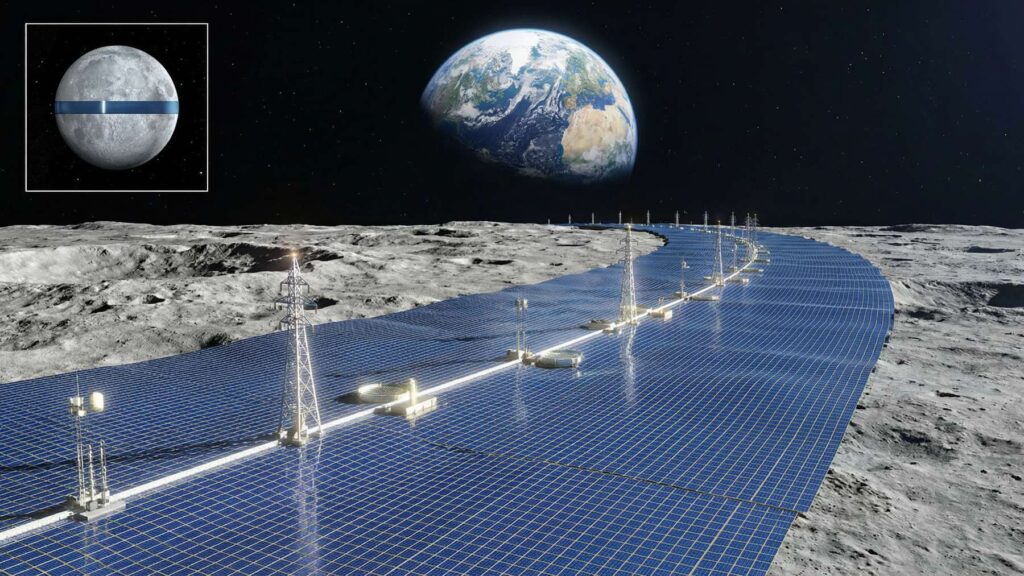
A 220-year-old Japanese construction company wants to build an 11,000-kilometer belt of solar cells around the lunar equator and beam the power back to Earth. The physics checks out. Everything else is another story.
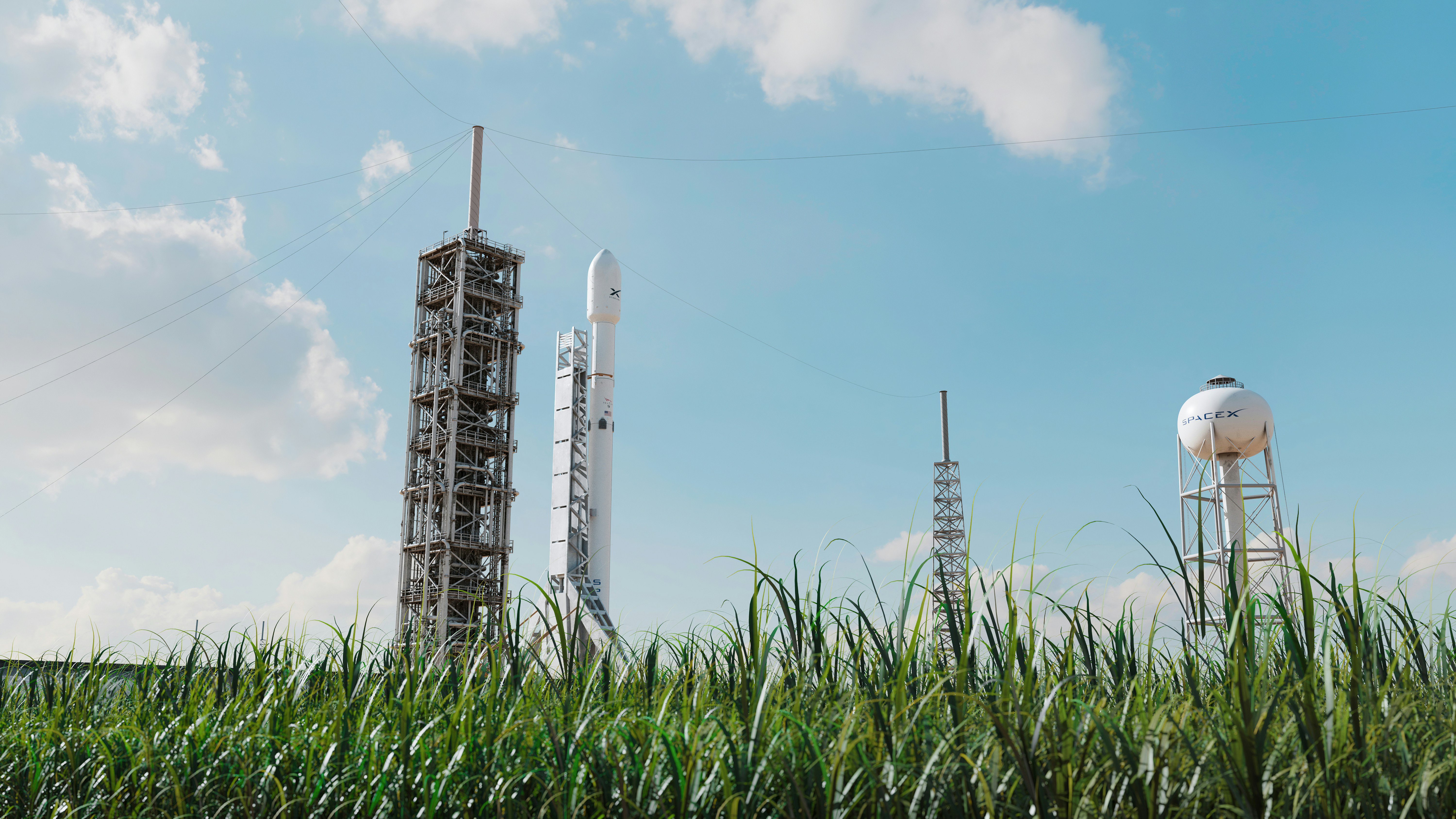
SpaceX continues to break records with the Falcon 9's 30th flight while Starship's successful test flight propels the program forward after recent challenges.

Trump's interim Air Force One—a $400M Boeing 747-8—equipped with Starlink for presidential communications. First confirmed LEO constellation use for White House comms.
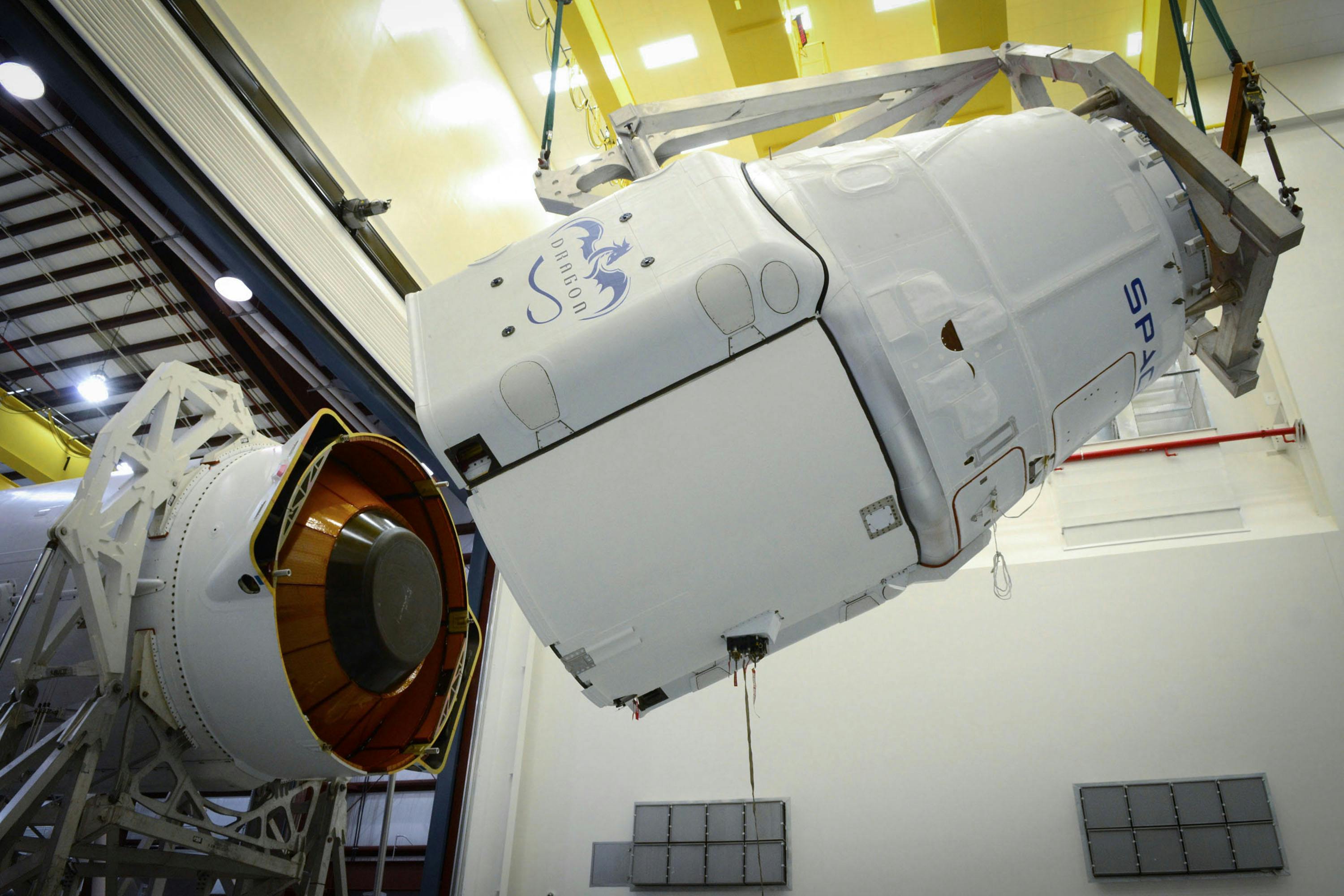
SpaceX advances with Starship, gains FCC approval for new services, and predicts a future shift in spacecraft dominance.
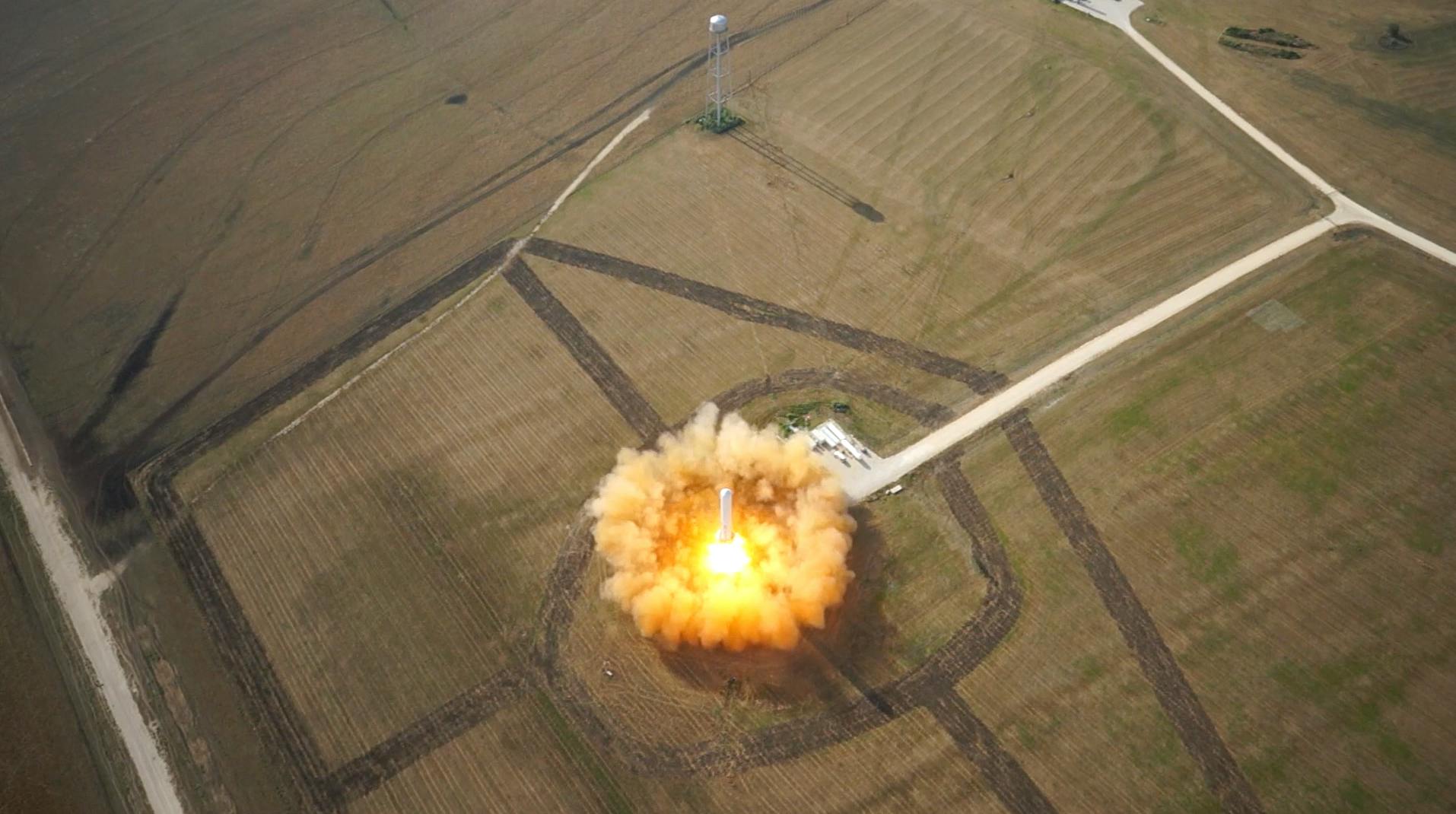
SpaceX progresses with plans for Starship launches from a ULA site while continuing its Starlink expansion. New satellite tracking update enhances user engagement.