


Space Brief 10 Sep 2025
Today's highlights include China's launch of a mystery spysat, Maxar's terrain data for U.S. Army systems, and multiple U.S. defense firms enhancing satellite capabilities.


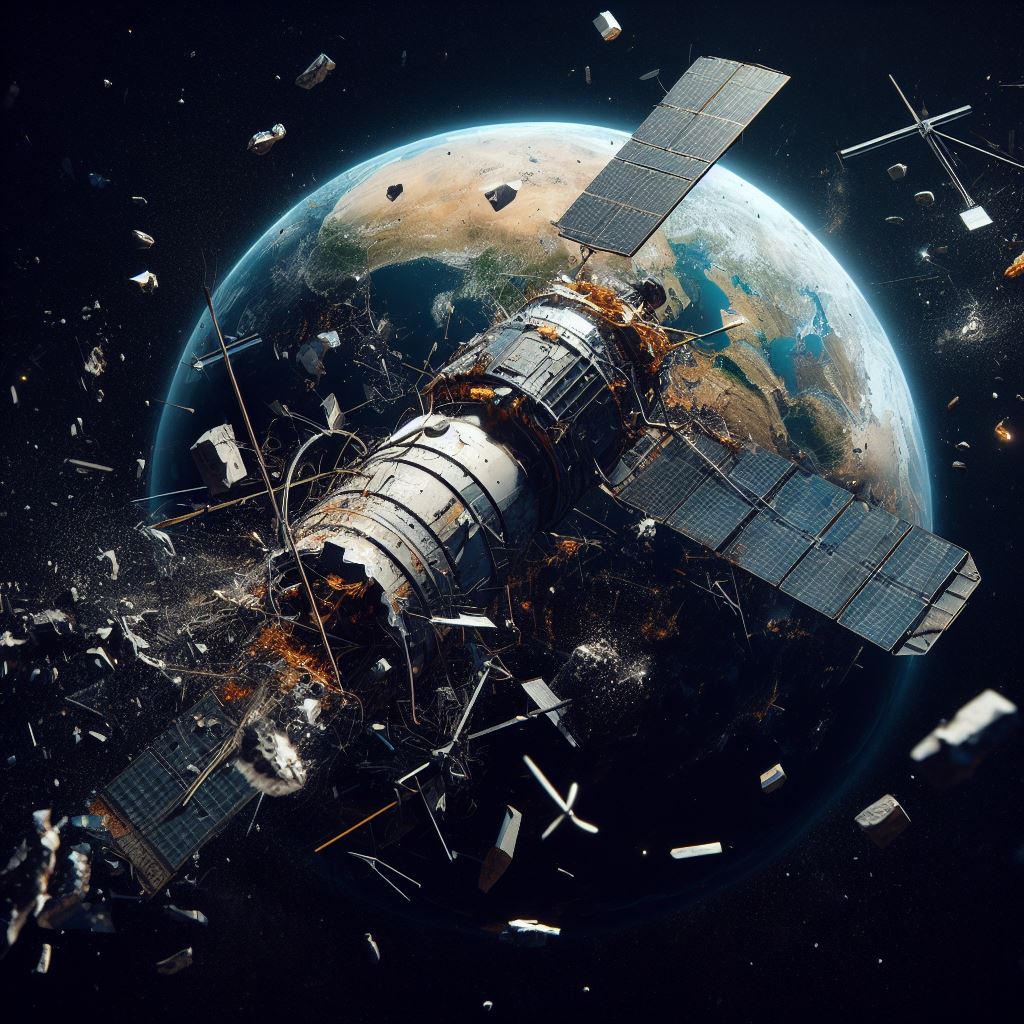
Launch Date
April 7, 1971
Launch Site
PLMSC
Launch Pad
LC43/4
Launch Vehicle
Vostok 8A92M
NORAD ID
29294
International Designator
1971-028E
Decay Date
10/28/2007
Name
COSMOS 405 DEB
Alternative Name
deb Kosmos-405
Type
Status
Owner
KVR
Country
Russia
Constellation
N/A
Related Satellites
Major Events
N/A
Length
0
Diameter
0
Span
0
Dry Mass
0
Launch Mass
0
Shape
N/A
Radar Cross Section
0.0153
Visual Magnitude
Unknown
Color
Unknown
Material Composition
Unknown
Payload
Unknown
Purpose
Unknown
Mission
Unknown
Manufacturer
Unknown
Life Expectancy
Unknown
Bus
Unknown
Configuration
Unknown
Motor
Unknown
Equipment
Unknown
Power System
Unknown
ADCS
Unknown
Transmitter Frequency
Unknown
Learn more about satellites and other related topics.
Today's highlights include China's launch of a mystery spysat, Maxar's terrain data for U.S. Army systems, and multiple U.S. defense firms enhancing satellite capabilities.

Starship testing progresses at the Cape; Lynk Global secures funding amidst rising satellite competition.
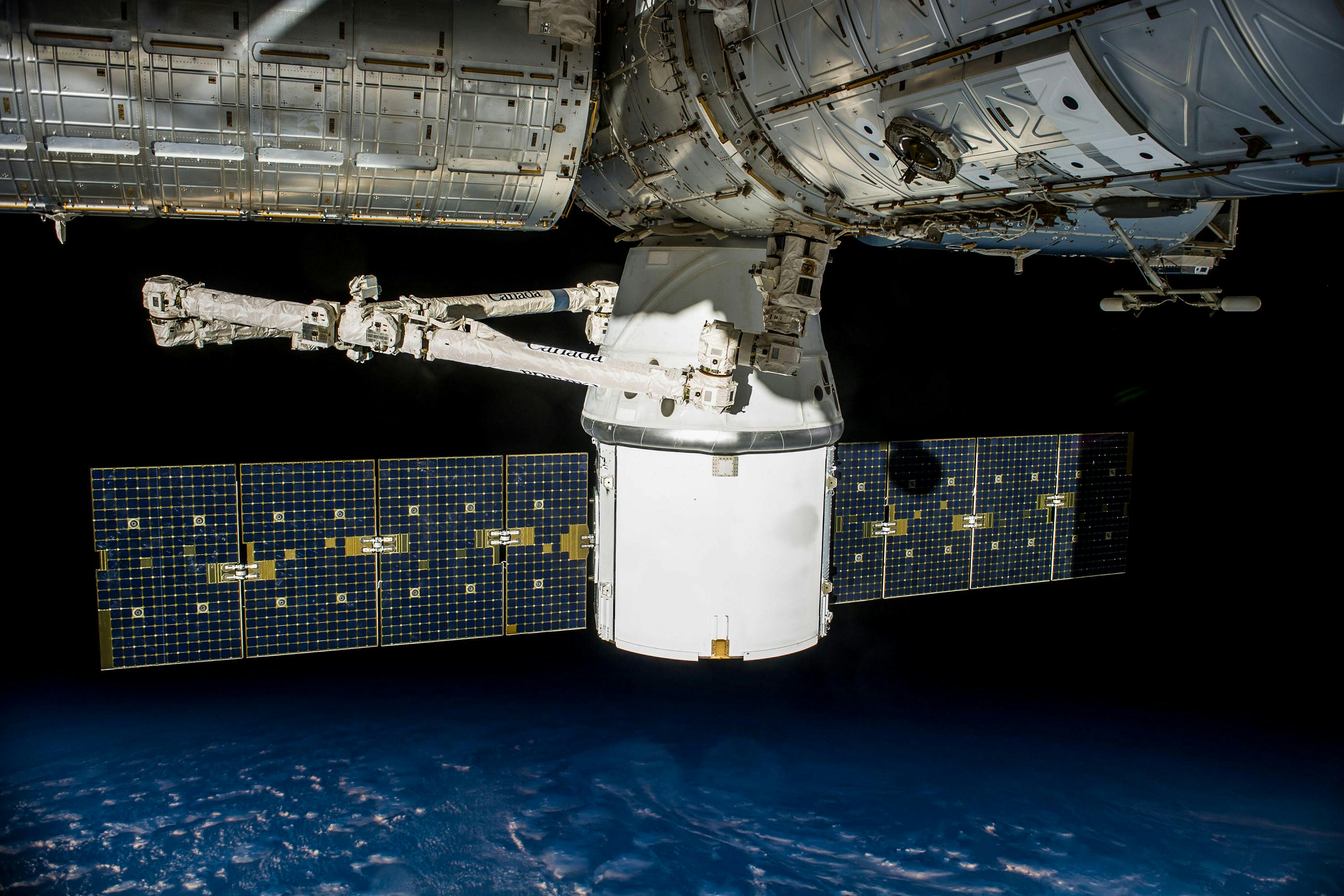
Today's report highlights a catastrophic failure during Starship preparations, significant advancements in Starlink services in Ukraine and India, and the successful launch of 28 Starlink satellites.

SpaceX continues to push forward with its ambitious plans as the FAA investigates Starship debris reports, while Starlink maintains robust satellite operations.
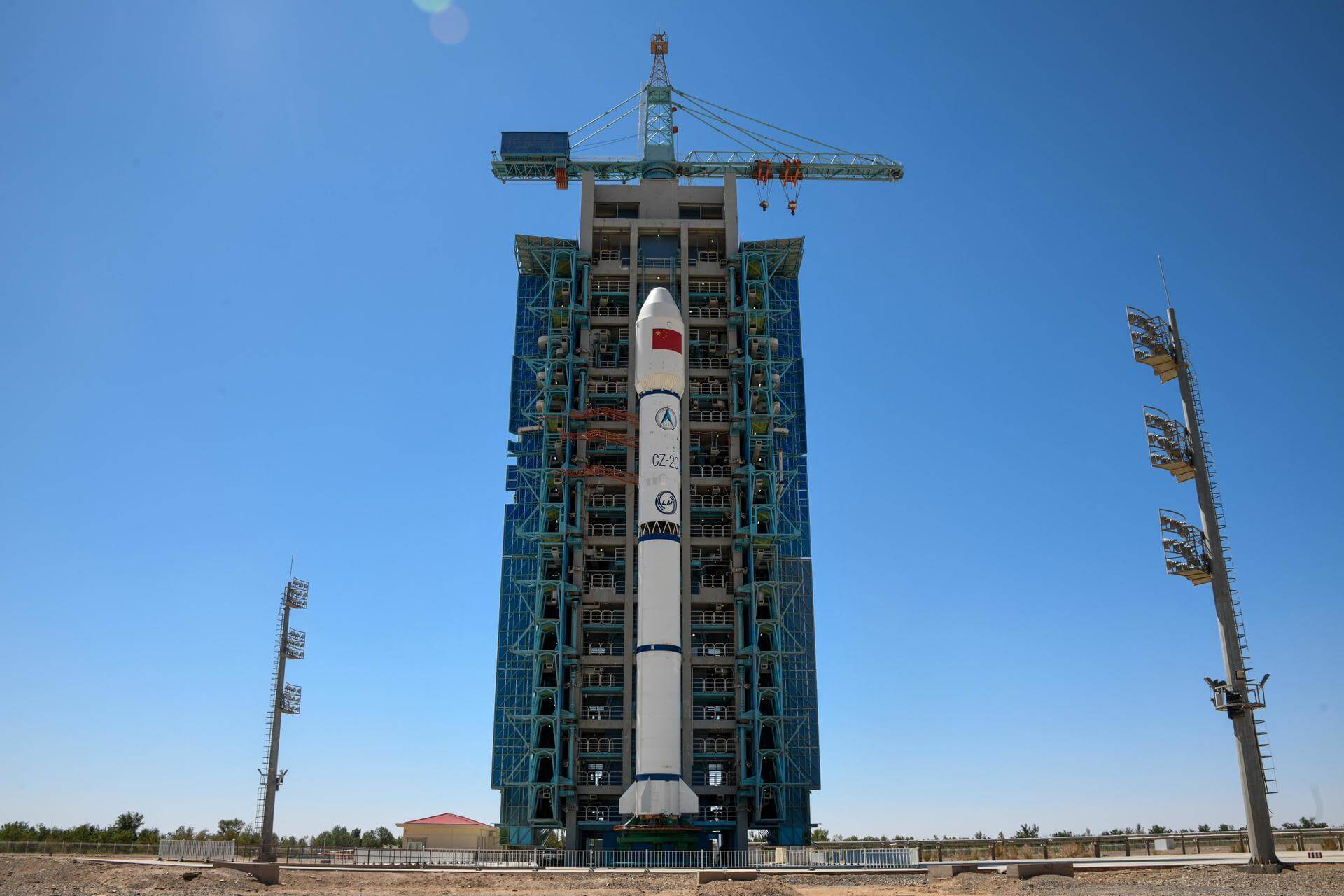
Today's brief covers the investigation into Musk-Putin calls, SpaceX launch restrictions impacts, Pentagon's space investment strategies, ABL Space's pivot in focus, and Israel's defense export developments.

SpaceX readies Starship Flight 13 for July 16 launch to deploy first Starlink V3 satellites as Falcon 9 logs its 600th booster reuse.
Today's brief covers China's record-breaking launch year, SpaceX's continued Starlink deployments, Blue Origin's launch challenges, and innovations in satellite maneuverability.
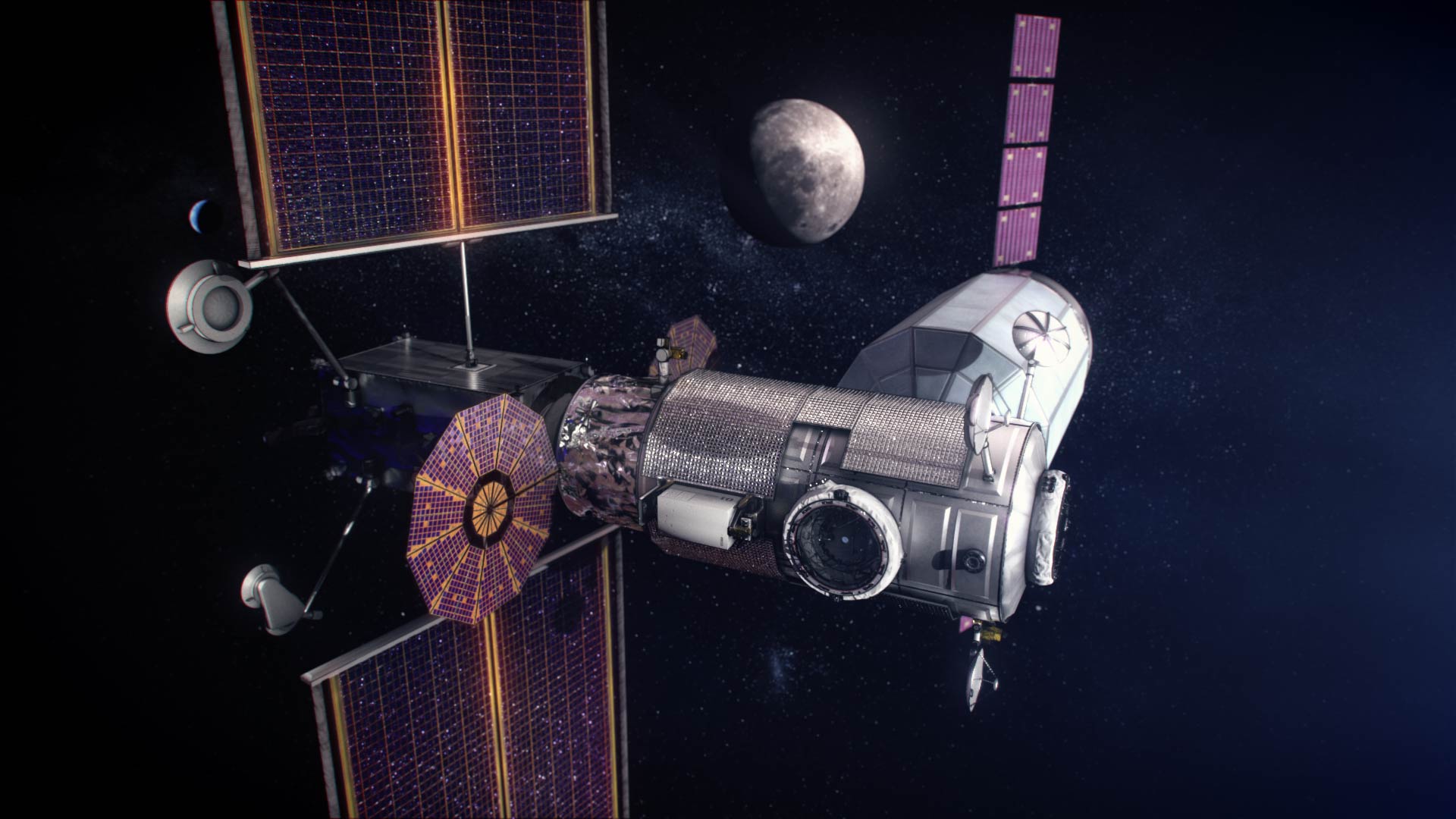
The volume of space between Earth and the Moon is roughly a thousand times larger than the orbit we actually watch, and almost none of it is under surveillance. As the U.S. and China race to build lunar outposts, the Space Force is scrambling to put eyes on a region it has been effectively blind to.