


Starlink Constellation Size Nears 10,000, X Report 16 Mar 2026
Starlink constellation size in March 2026: 9,996 satellites in orbit and 9,986 working from 11,504 launched, as SpaceX deorbits legacy V1.0 hardware.



Launch Date
December 17, 1981
Launch Site
PLMSC
Launch Pad
LC132/2
Launch Vehicle
Kosmos 11K65M
NORAD ID
29288
International Designator
1981-120S
Epoch
Sat, 04 Jul 2026 22:44:47 GMT
Apogee
Calculating...
Perigee
Calculating...
Inclination
82.96°
Right Ascension
59.74°
Eccentricity
Calculating...
Argument of Perigee
88.69°
Period
119.32 min
Mean Motion
12.07 rev/day
Latitude
Calculating...
Longitude
Calculating...
Altitude
Calculating...
Velocity
Calculating...
Name
SL-8 DEB
Alternative Name
deb S3M
Type
Status
Owner
RVSN
Country
Russia
Constellation
N/A
Related Satellites
Major Events
N/A
1 29288U 81120S 26185.94777020 .00000155 00000+0 16636-2 0 9993
2 29288 82.9618 59.7369 0010786 88.6933 271.5362 12.06821297514579
Source: Celestrak
Length
0
Diameter
0
Span
0
Dry Mass
0
Launch Mass
0
Shape
N/A
Radar Cross Section
0.0059
Visual Magnitude
Unknown
Color
Unknown
Material Composition
Unknown
Payload
Unknown
Purpose
Unknown
Mission
Unknown
Manufacturer
OAZ
Life Expectancy
Unknown
Bus
Unknown
Configuration
Unknown
Motor
Unknown
Equipment
Unknown
Power System
Unknown
ADCS
Unknown
Transmitter Frequency
Unknown
Learn more about satellites and other related topics.
Starlink constellation size in March 2026: 9,996 satellites in orbit and 9,986 working from 11,504 launched, as SpaceX deorbits legacy V1.0 hardware.

SpaceX successfully launches 21 Starlink satellites from Florida, marking another milestone in its satellite internet constellation. The Falcon 9 rocket was also successfully recovered at sea.

Hanwha Systems in talks with MDA Space and Telesat for South Korean defense satellite constellation. SpaceX preps GPS satellite launch for Space Force. Seismic networks now track space junk reentry.
SpaceX Crew-11 made an emergency return from the ISS on Jan. 15 after a medical crisis, spotlighting gaps in space rescue infrastructure.
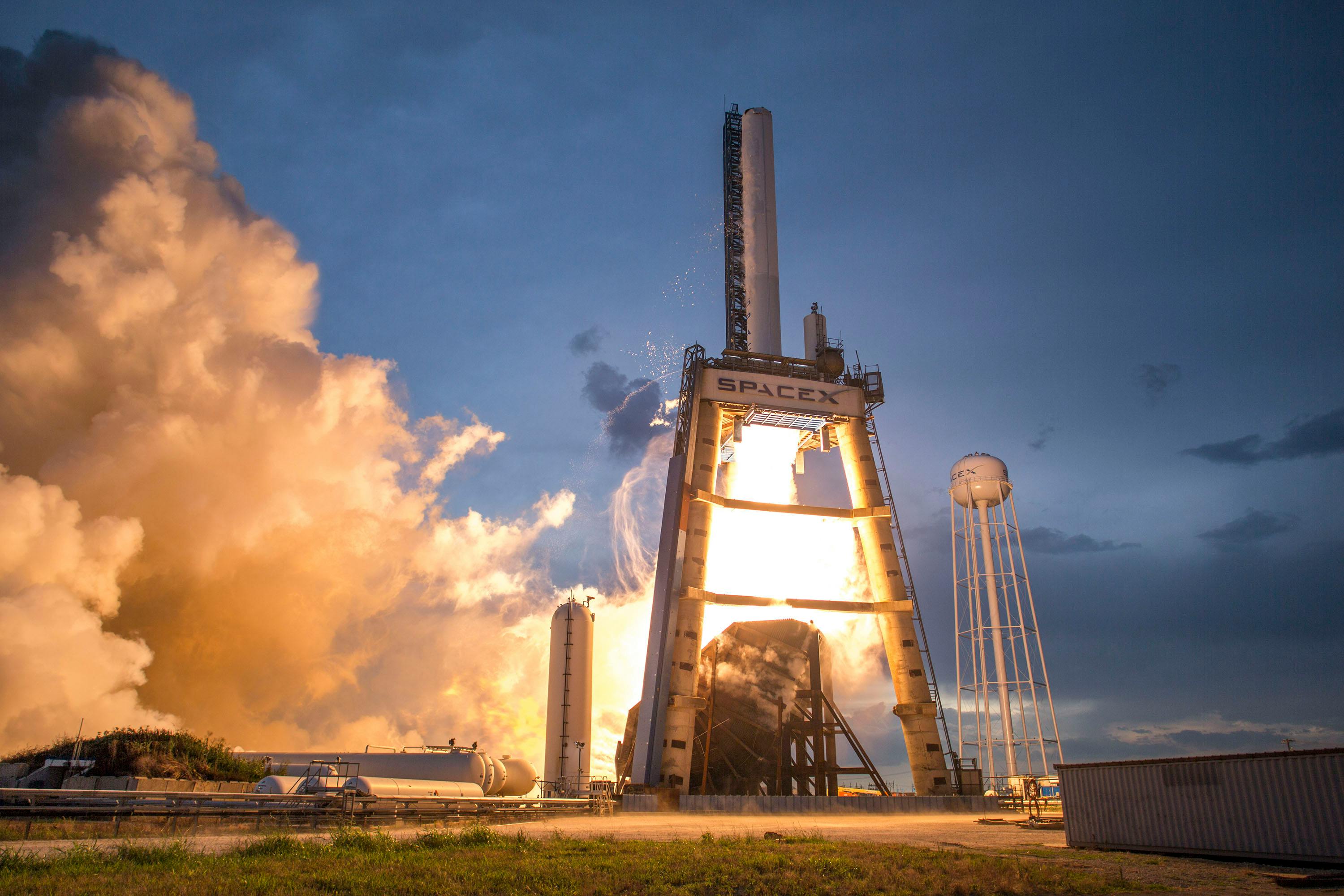
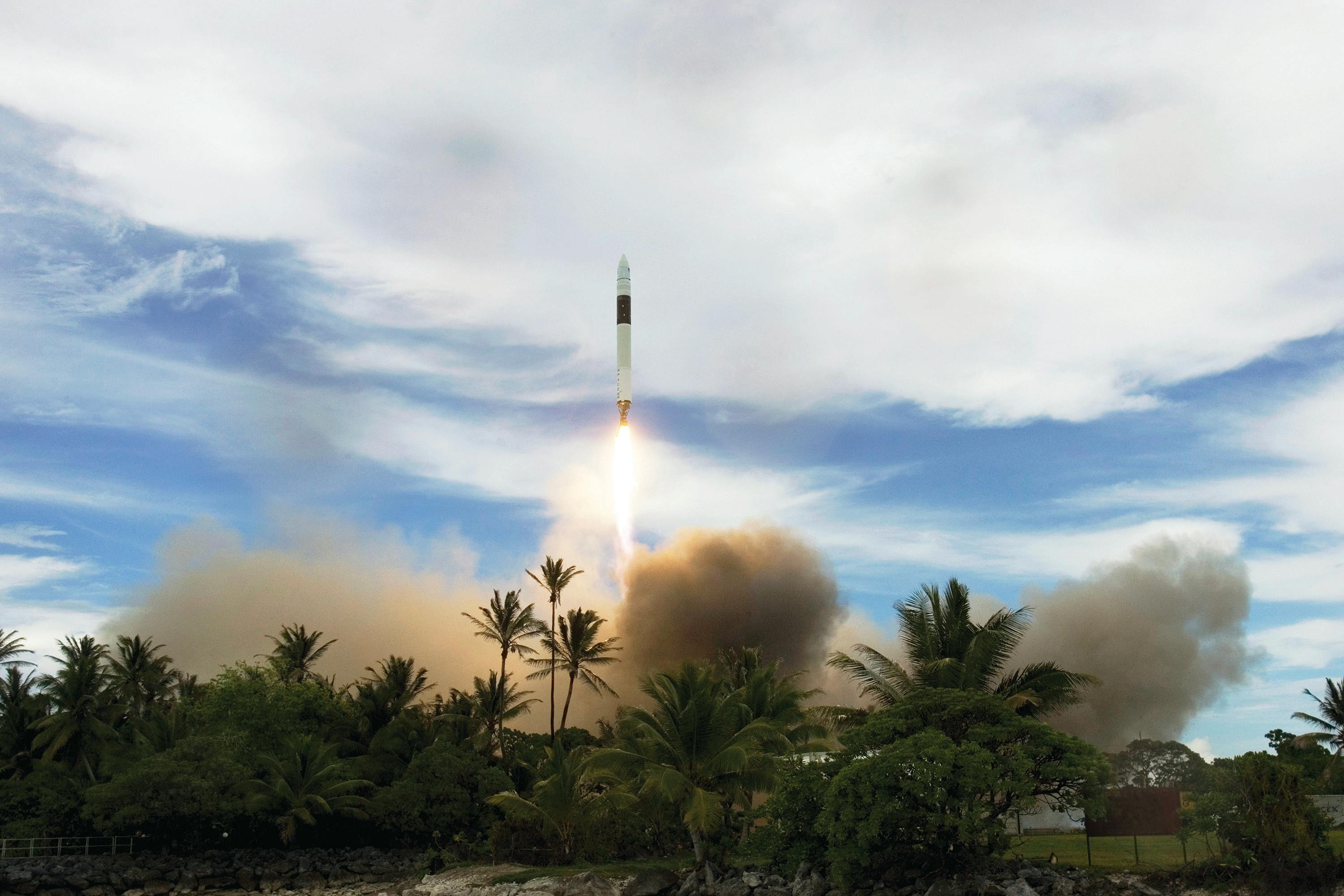
SpaceX continues its Starship testing while advancing Starlink deployments, and collaborates on satellite missions with industry partners.
SpaceX gears up for significant 2026 launches while a Starlink satellite anomaly provides insights into its operations.
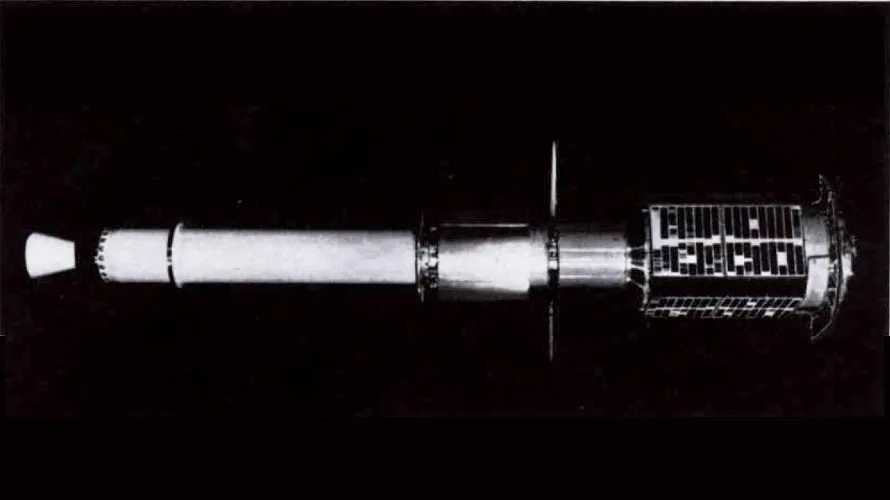
On April 27, 1961, a Scout rocket lifted a 37-kilogram NASA satellite into orbit from Wallops Island carrying the first serious instrument for detecting cosmic gamma rays. Explorer 11 operated for seven months before its tape recorder failed. In that time it registered 22 gamma-ray photons - a pitiful number by modern standards, but enough to launch an entire branch of astronomy.

Space Force awards $3.2 billion to 12 companies for Golden Dome boost-phase missile interceptor prototypes. Initial operational capability targeted for 2028.