

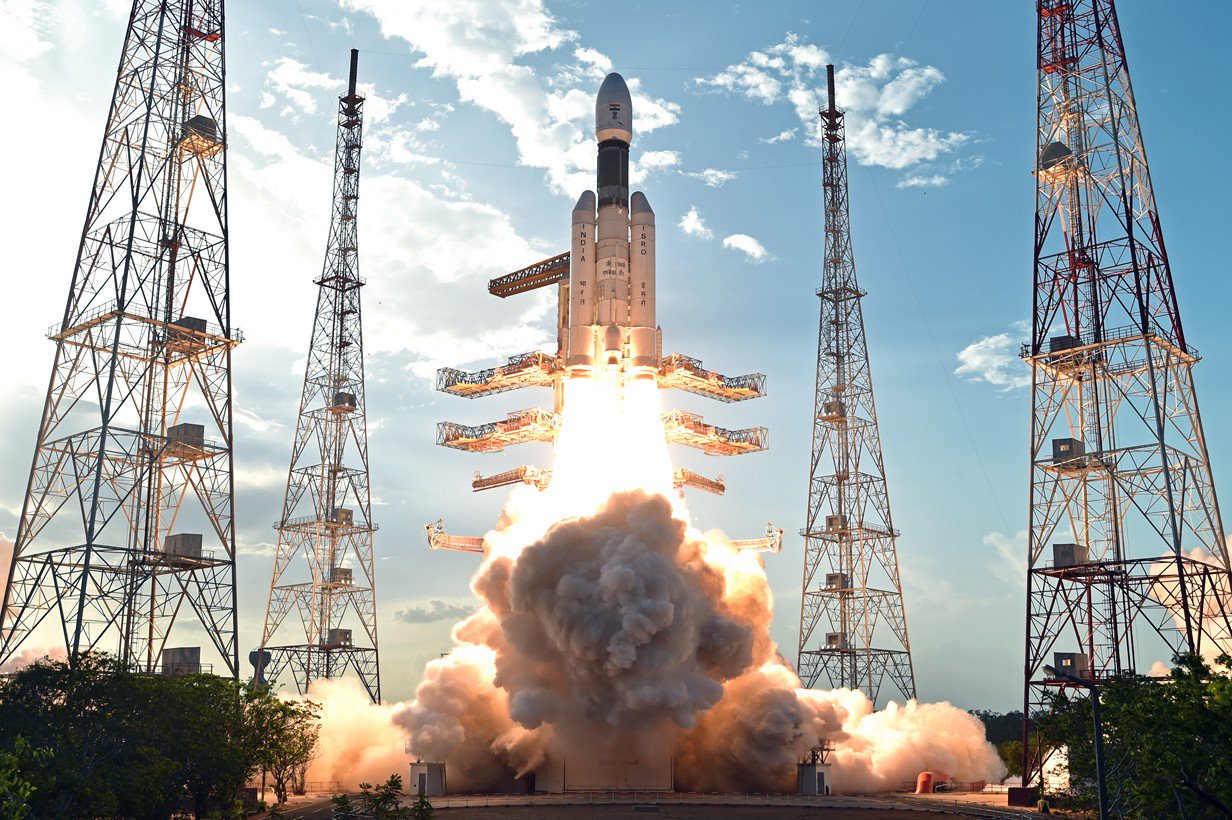
Space Brief 1 Oct 2025
Today's brief covers an increase in Chinese satellite launches, the operational status of the Space Force's ATLAS software, and a significant fundraising event in the defense sector.


Launch Date
May 3, 2006
Launch Site
PLMSC
Launch Pad
LC16/2
Launch Vehicle
Soyuz-U-PVB
NORAD ID
29259
International Designator
2006-017E
Decay Date
7/20/2006
Name
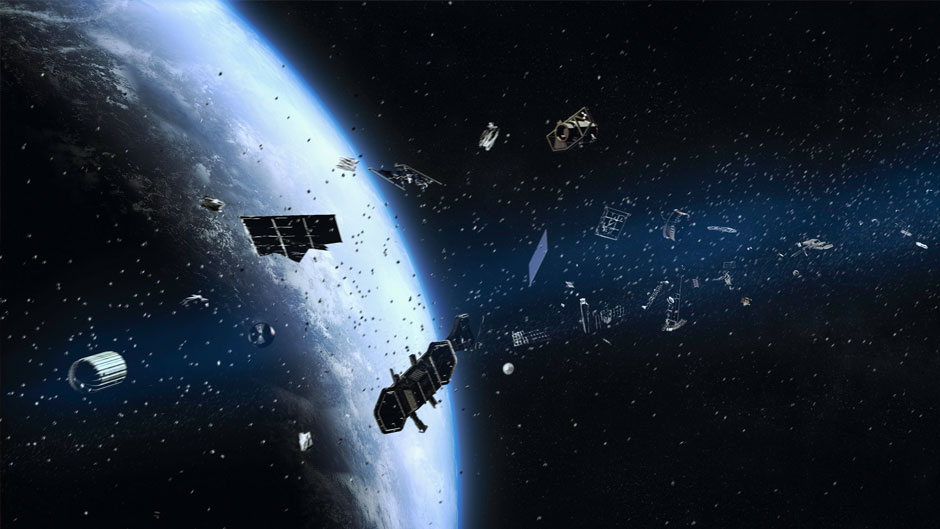
COSMOS 2420 DEB
Alternative Name
Kosmos-2420 solar panel
Type
Status
Owner
KVR
Country
Russia
Constellation
N/A
Related Satellites
Major Events
N/A
Length
0
Diameter
0
Span
0
Dry Mass
0
Launch Mass
0
Shape
N/A
Radar Cross Section
Unknown
Visual Magnitude
Unknown
Color
Unknown
Material Composition
Unknown
Payload
Kobal't-M part
Purpose
Unknown
Mission
Unknown
Manufacturer
Unknown
Life Expectancy
Unknown
Bus
Unknown
Configuration
Unknown
Motor
Unknown
Equipment
Unknown
Power System
Unknown
ADCS
Unknown
Transmitter Frequency
Unknown
Learn more about satellites and other related topics.
Today's brief covers an increase in Chinese satellite launches, the operational status of the Space Force's ATLAS software, and a significant fundraising event in the defense sector.

Explore the latest developments in international defense collaborations, aerospace advancements, and emerging military trends shaping our orbital environments.
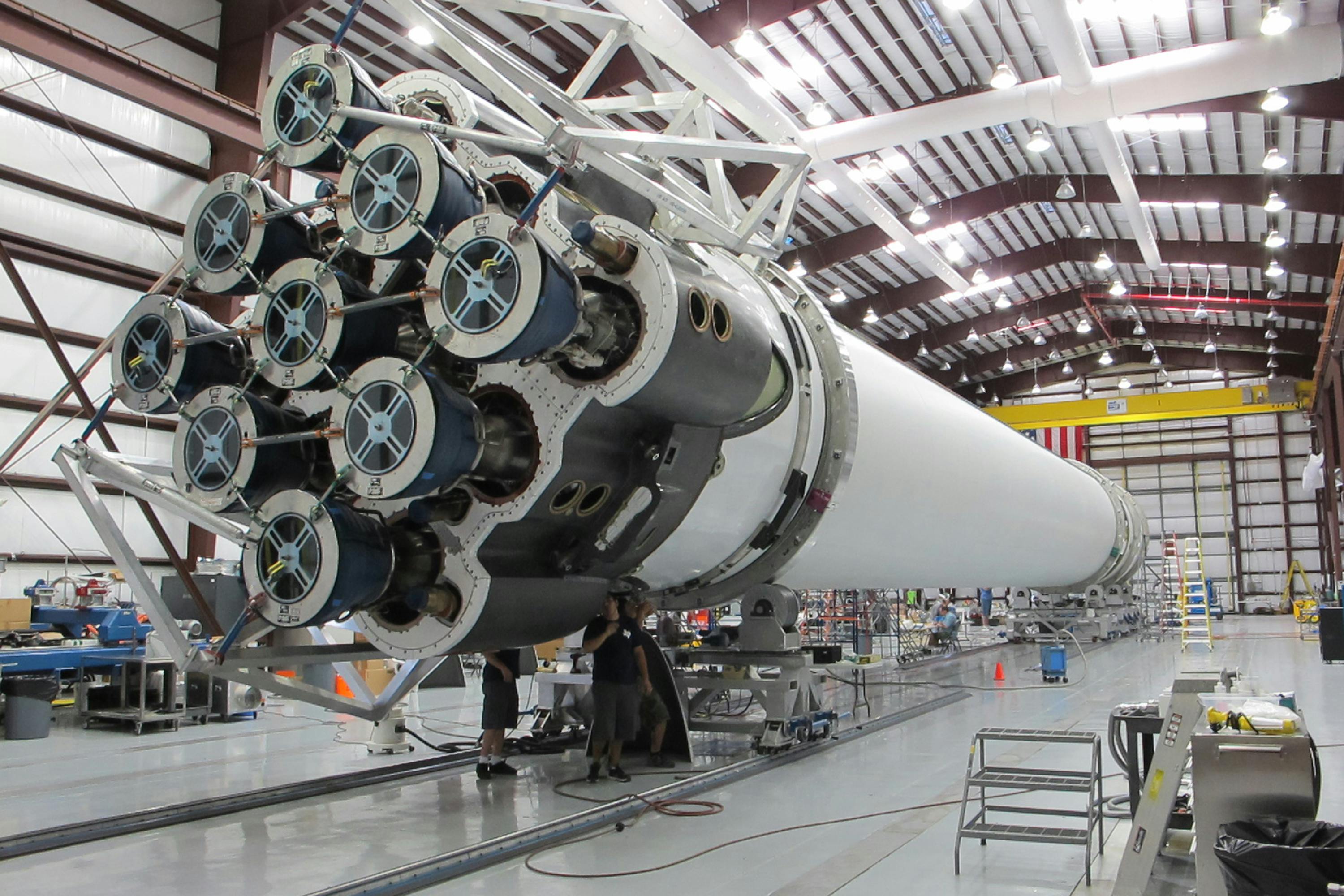
SpaceX makes strides in various sectors, from Starlink expanding services on United Airlines to new hardware aimed at enhancing home connectivity.
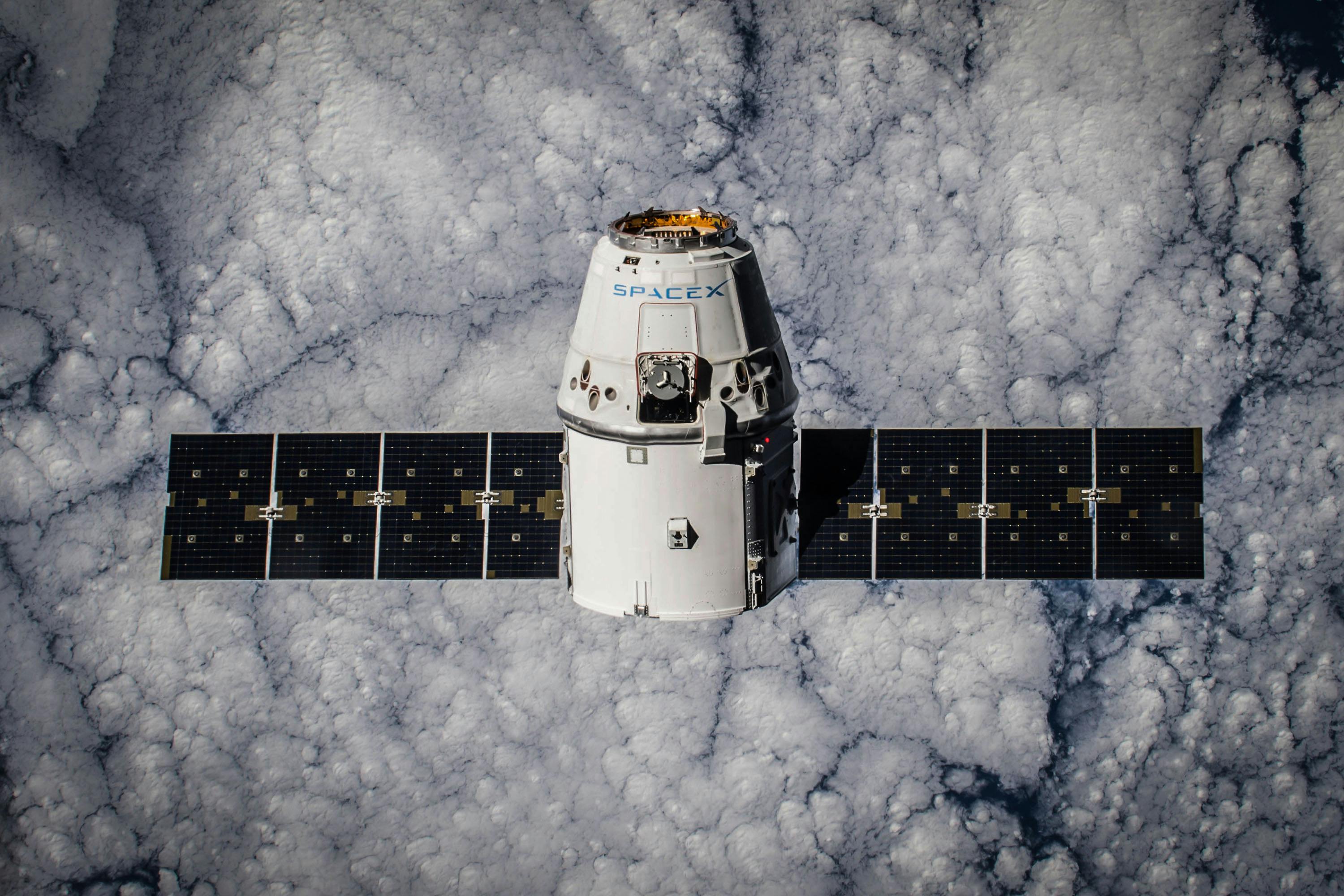
SpaceX continues making strides in satellite deployments and Starship preparations while managing challenges in space traffic.
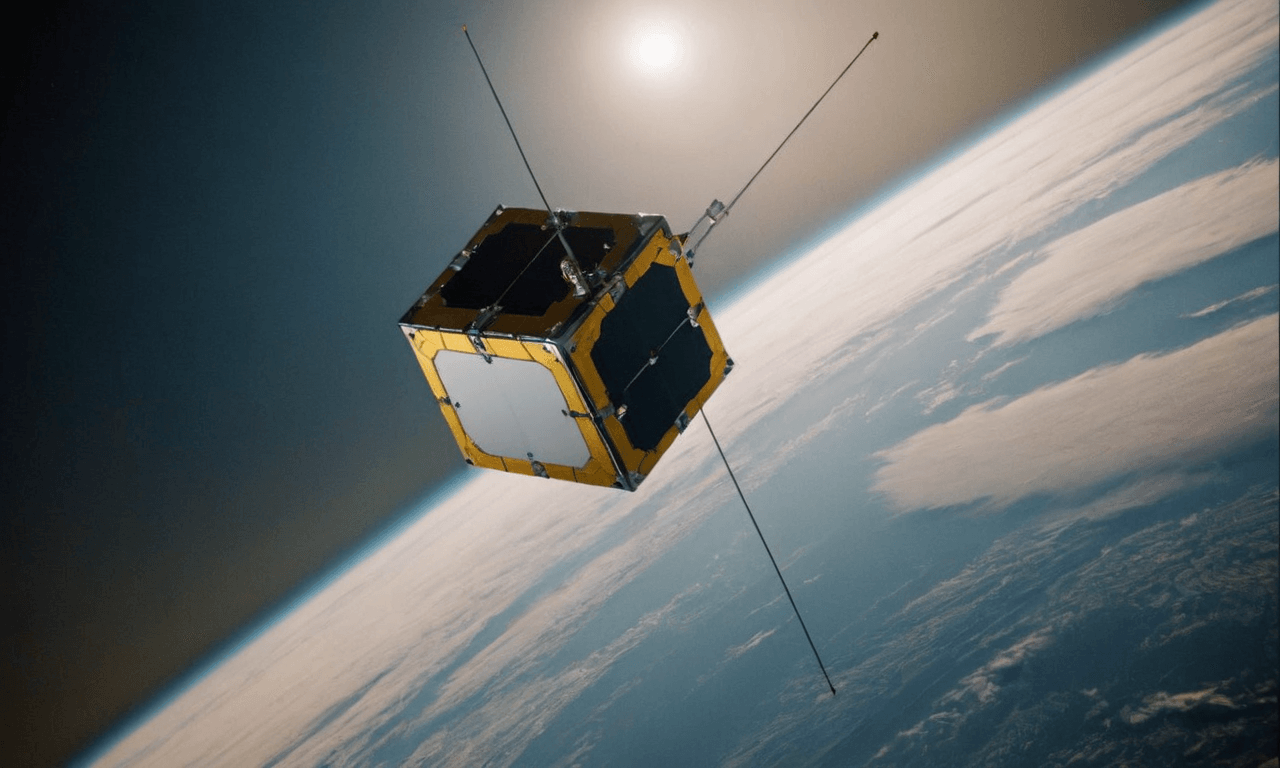
Today's brief covers China's Yaogan-43 satellite launch, delays in ESA's BepiColombo mission, regulatory approval for OHB's KKR deal, and an upcoming Sentinel-2C launch.

Key military and technology developments in space; US Space Force and Army strategize national security with new rocket certifications and space training initiatives.
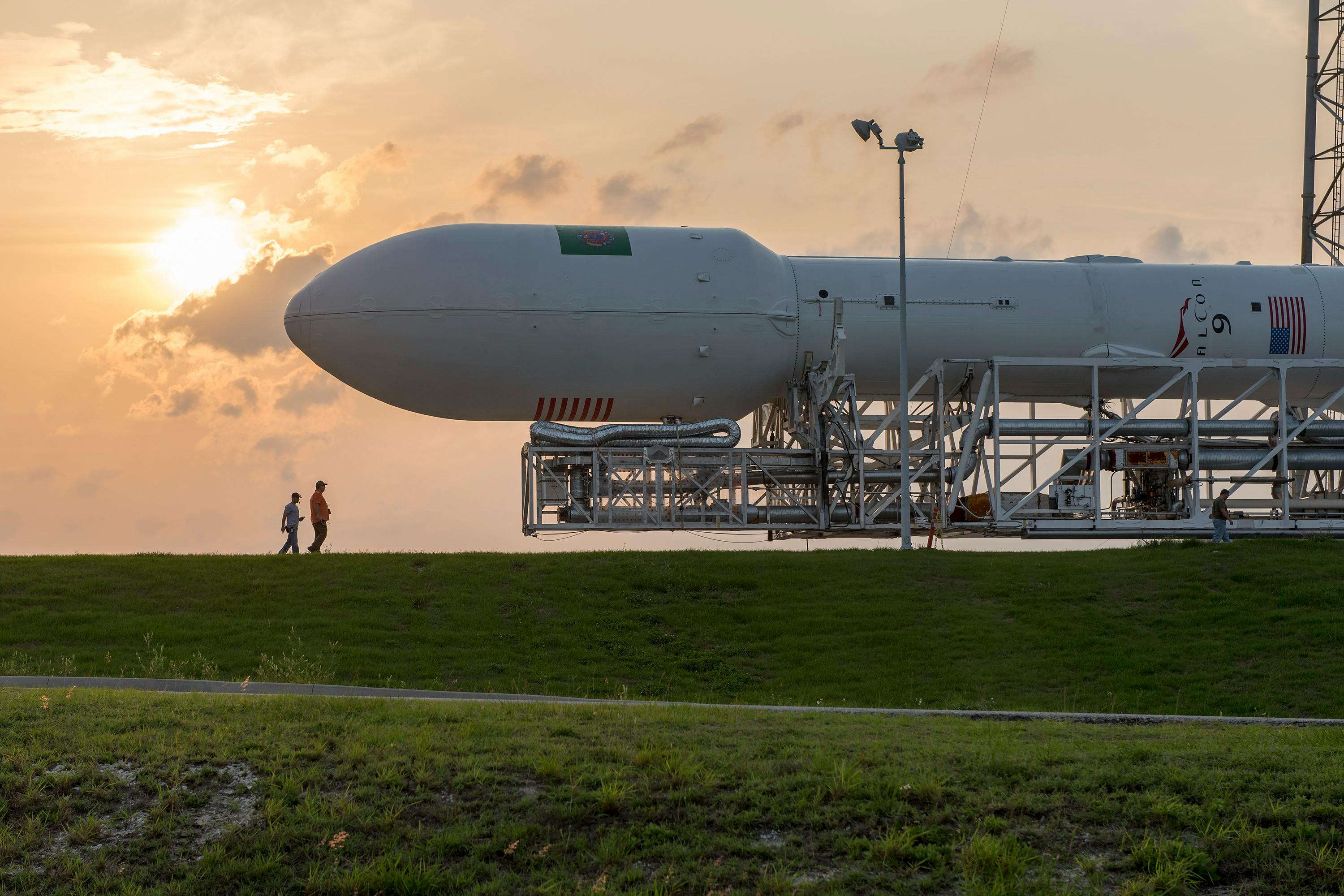
Today's Space Brief highlights SpaceX Crew-8's return, Intelsat-33e satellite breakup, SpaceX's upcoming Starship tests, and notable launches including China's new mega-constellation.

Thirty-nine years ago, the loss of Space Shuttle Challenger and its seven crew members forever transformed our approach to spaceflight safety and risk management