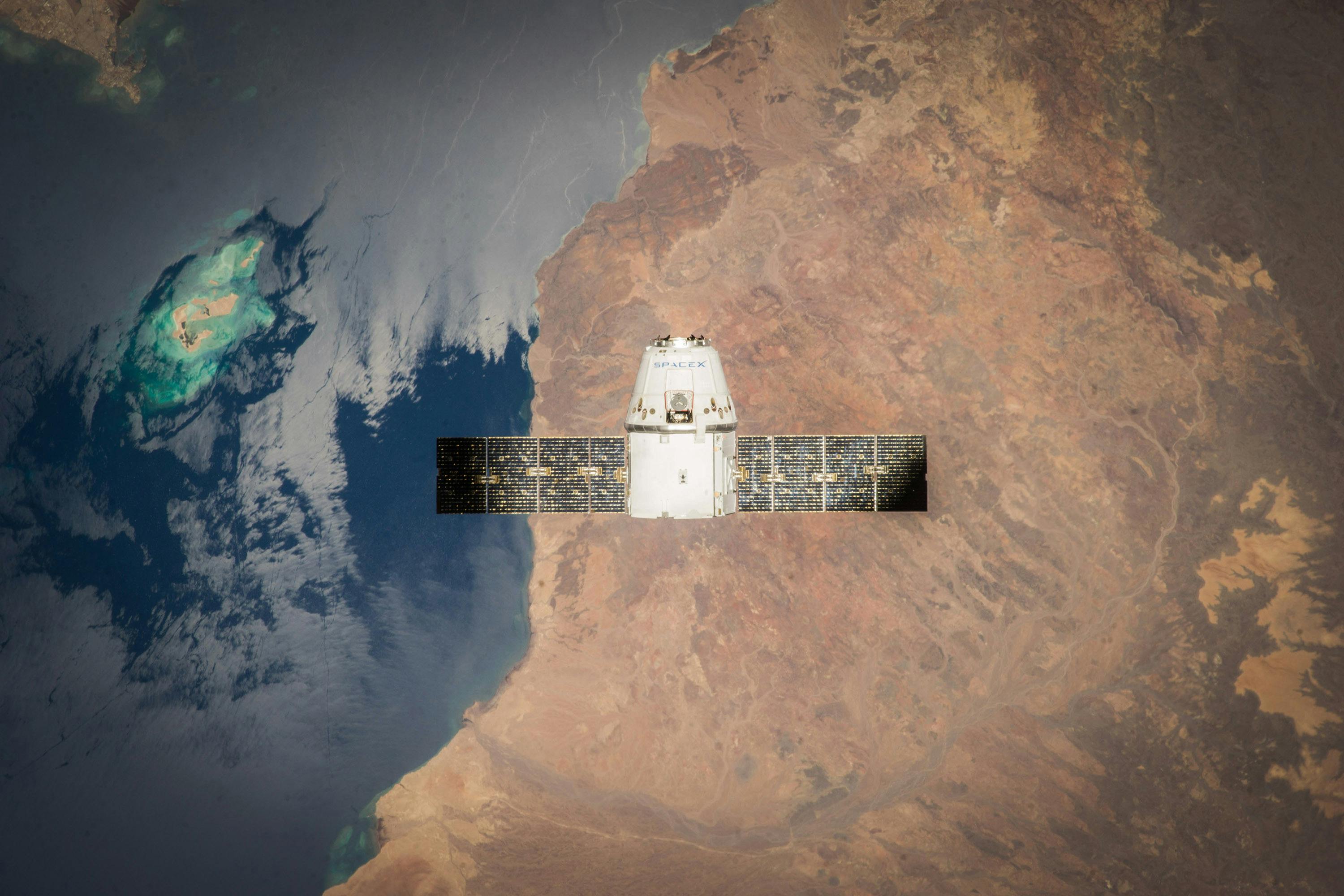
SL-24 R/B (29253)

COSPAR: 2006-029B | Alt Name: Dnepr plume shield
DECAYED

Image
SL-24 R/B Satellite Image
Additional Sources
Launch Details

Launch Date

July 12, 2006

Launch Site

DLS

Launch Pad

Sh370/11

Launch Vehicle

Dnepr

Orbital Elements

NORAD ID

29253

International Designator

2006-029B

Decay Date

2/23/2015

Basic Satellite Info

Name

SL-24 R/B

Alternative Name

Dnepr plume shield

Type

Rocket Body

Status

Space Junk

Owner

KTRAS

Country

Russia

Constellation

N/A

Related Satellites

Major Events

N/A

Summary
A rocket body, also commonly referred to as an upper stage or spent rocket stage, is the structural shell left behind after a rocket has delivered its payload to orbit. These large and often heavy pieces of space hardware can remain in orbit for years, posing significant collision hazards as part of the growing space debris problem. If left uncontrolled, rocket bodies have the potential to reenter Earth's atmosphere unpredictably, which can lead to falling debris in populated areas. Additionally, they risk colliding with operational satellites or the International Space Station, creating more debris and putting human life at risk.
Physical Characteristics

Length

2.5

Diameter

2.5

Span

2.5

Dry Mass

50

Launch Mass

50

Shape

Cone

Radar Cross Section

10.2677

Visual Magnitude

Unknown

Color

Unknown

Material Composition

Unknown

Technical Details

Payload

GDS

Purpose

Unknown

Mission

Unknown

Manufacturer

YUZHUA

Life Expectancy

Unknown

Bus

Unknown

Configuration

Unknown

Motor

Unknown

Equipment

Unknown

Power System

Unknown

ADCS

Unknown

Transmitter Frequency

Unknown

Satellite Articles

View All Posts »

Learn more about satellites and other related topics.

The Kessler Syndrome

The Kessler Syndrome

The Kessler Syndrome threatens humanity's future in space as cascading satellite collisions create exponential debris growth. With 36,000+ tracked objects and recent incidents accelerating risks, we face a critical juncture: implement solutions now or potentially lose access to low Earth orbit forever.

The Day Humanity First Used a Planet to Navigate the Solar System

The Day Humanity First Used a Planet to Navigate the Solar System

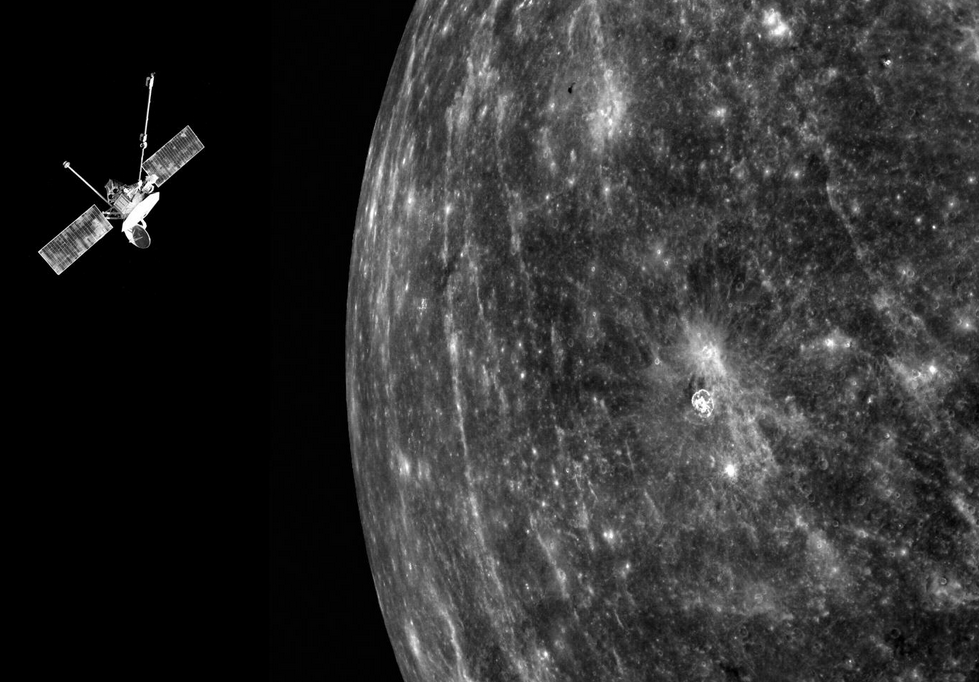
Fifty-one years ago, Mariner 10 revolutionized space exploration by executing the first-ever planetary gravity assist at Venus, pioneering a technique that would transform how we explore the solar system

Space Brief 11 Jan 2025

Space Brief 11 Jan 2025

Today's brief covers SpaceX's NROL-153 launch, US Space Force activities in Greenland, Starlink's record-breaking flight, and a OneWeb satellite glitch. Plus, our Satellite Spotlight shines on Duchifat-1.

Space Brief 5 Dec 2024

Space Brief 5 Dec 2024

Today's brief highlights Umbra Space's contract extension with the NRO, Trump's Space Force ambitions, FibreCoat's new funding targeting defense markets, and key US defense sentiments. Explore notable military and commercial satellite activities.

Space Brief 5 Oct 2025

Space Brief 5 Oct 2025

Today's brief covers significant advancements in national security space launches, ongoing rocket developments, and critical updates from the space industry.

Katalyst Link Clears Tests for $500M SPARCS Rescue | KeepTrack Space Brief

Katalyst Link Clears Tests for $500M SPARCS Rescue | KeepTrack Space Brief

Katalyst's Link spacecraft passes key testing milestone ahead of June 2026 launch to rescue NASA's $500M SPARCS telescope. In-space servicing mission will create trackable conjunction risk during approach and docking phase.

Space Brief 6 Feb 2025

Space Brief 6 Feb 2025

Today's brief covers a diverse range of topics, including reentry mission approvals, leadership changes in the Space Development Agency, and innovative military satellite communications.

X Report 25 Jan 2025

X Report 25 Jan 2025

SpaceX advances Starship infrastructure, President Trump considers closing the National Space Council, and 23 new Starlink satellites boost global connectivity.