METEOR 2-5 DEB (29198)

COSPAR: 1979-095P | Alt Name: deb Meteor-2
DECAYED

Image
METEOR 2-5 DEB Satellite Image
Additional Sources
Launch Details

Launch Date

October 31, 1979

Launch Site

PLMSC

Launch Pad

LC43/4

Launch Vehicle

Vostok 8A92M

Orbital Elements

NORAD ID

29198

International Designator

1979-095P

Decay Date

10/12/2024

Basic Satellite Info

Name

METEOR 2-5 DEB

Alternative Name

deb Meteor-2

Type

Debris

Status

Space Junk

Owner

KVR

Country

Russia

Constellation

N/A

Related Satellites

Major Events

N/A

Summary
Space debris, also known as space junk, encompasses all non-functional objects orbiting Earth such as defunct satellites, spent rocket stages, and fragments from collisions or disintegrations. Over time, this debris can accumulate and create an increasingly hazardous environment in orbit. Even tiny fragments, traveling at extremely high velocities, can inflict significant damage on operational satellites and spacecraft. If left unmanaged, the density of debris raises the risk of catastrophic collisions and further fragmentation, compounding the problem and threatening the safety and sustainability of space activities.
Physical Characteristics

Length

0

Diameter

0

Span

0

Dry Mass

0

Launch Mass

0

Shape

N/A

Radar Cross Section

0.0095

Visual Magnitude

Unknown

Color

Unknown

Material Composition

Unknown

Technical Details

Payload

Unknown

Purpose

Unknown

Mission

Unknown

Manufacturer

Unknown

Life Expectancy

Unknown

Bus

Unknown

Configuration

Unknown

Motor

Unknown

Equipment

Unknown

Power System

Unknown

ADCS

Unknown

Transmitter Frequency

Unknown

Satellite Articles

View All Posts »

Learn more about satellites and other related topics.

Space Brief 25 Oct 2024

Space Brief 25 Oct 2024

Today's highlights include Crew-8's return amid weather delays, new space tourism announcements by Deep Blue Aerospace, and Europe's efforts to combat space debris. Plus, another successful SpaceX launch and the ESA backed Zero Debris Charter gains international traction.

SpaceX IPO Surges 20%; China Debuts Tallest Rocket | KeepTrack Space Brief

SpaceX IPO Surges 20%; China Debuts Tallest Rocket | KeepTrack Space Brief

SpaceX shares jump 20% on first trading day after historic IPO. China launches tallest rocket while LandSpace preps second landing attempt. Tracking data.

Santa Maria Spaceport (Azores)

Santa Maria Spaceport (Azores)

Europe's Atlantic outpost enters the launch business. How Portugal's first licensed spaceport in the Azores is preparing for suborbital flights in 2026 and positioning to receive ESA's Space Rider in 2028.

Space Force Awards $3.2B for Orbital Missile Interceptors | KeepTrack Space Brief

Space Force Awards $3.2B for Orbital Missile Interceptors | KeepTrack Space Brief

Space Force awards $3.2 billion to 12 companies for Golden Dome boost-phase missile interceptor prototypes. Initial operational capability targeted for 2028.

Earthquake Sensors Repurposed to Track Space Debris Reentry | KeepTrack Space Brief

Earthquake Sensors Repurposed to Track Space Debris Reentry | KeepTrack Space Brief

Scientists use earthquake sensors to track space debris reentry via sonic boom detection. SpaceX launches 25 Starlink satellites in seventh mission of 2026. NASA and DOE partner for lunar nuclear power.

Space Brief 5 Nov 2024

Space Brief 5 Nov 2024

Today's highlights include SpaceX's Dragon cargo mission to the ISS, the first wooden satellite launch, and updates on NASA's Voyager mission. Additionally, the Space Force's X-37B space plane showcases unique aerobraking strategies.

SpaceX Launches GPS Satellite in Third Mission Reassigned From ULA | KeepTrack Space Brief

SpaceX Launches GPS Satellite in Third Mission Reassigned From ULA | KeepTrack Space Brief

SpaceX launches GPS satellite for Space Force — third consecutive GPS mission reassigned from ULA. Space Force nears selection of next-gen GEO spy satellite contractors. Northwood Space lands $49M deal.

Geosynchronous Orbit (GEO)

Geosynchronous Orbit (GEO)

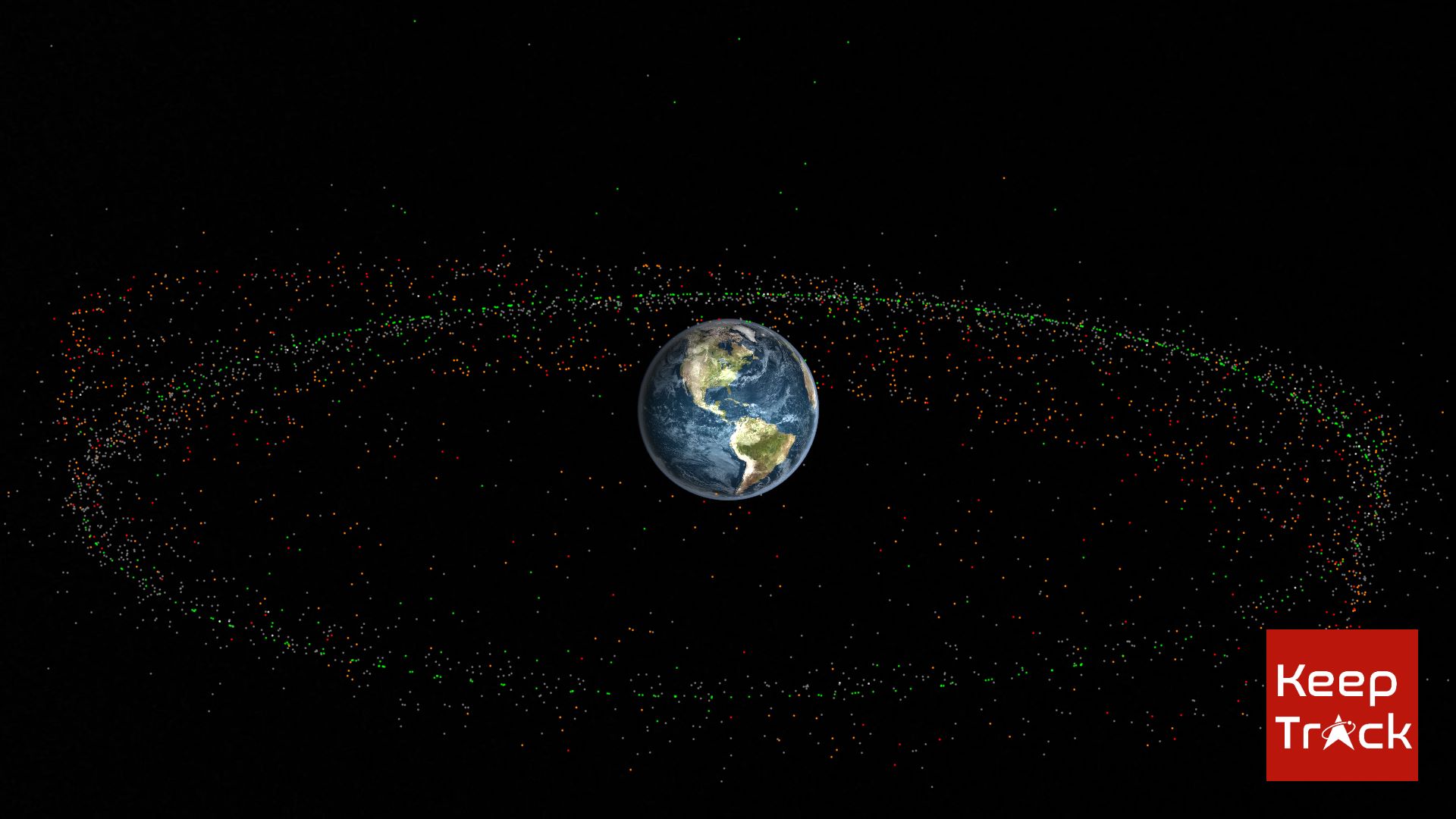
Understanding the unique orbital sweet spot that keeps satellites perfectly positioned above Earth