



Space Brief 30 Jul 2025
Today's highlights include Space Force's new satcom design contracts, advances in AI training tools, Pentagon drone policy shifts, and the first Eris launch's failure.



Launch Date
May 13, 1978
Launch Site
AFWTR
Launch Pad
SLC3E
Launch Vehicle
Atlas F/SVS
NORAD ID
29197
International Designator
1978-047C
Epoch
Sat, 04 Jul 2026 00:30:04 GMT
Apogee
Calculating...
Perigee
Calculating...
Inclination
63.63°
Right Ascension
39.87°
Eccentricity
Calculating...
Argument of Perigee
2.38°
Period
110.40 min
Mean Motion
13.04 rev/day
Latitude
Calculating...
Longitude
Calculating...
Altitude
Calculating...
Velocity
Calculating...
Name
ATLAS F DEB
Alternative Name
SVS yo weight
Type
Status
Owner
SAMSO
Country
United States
Constellation
N/A
Related Satellites
Major Events
N/A
1 29197U 78047C 26185.02088720 .00205428 00000-0 47464-1 0 9990
2 29197 63.6321 39.8735 0997667 2.3764 145.1335 13.04386879760781
Source: Celestrak
Length
0
Diameter
0
Span
0
Dry Mass
0
Launch Mass
0
Shape
N/A
Radar Cross Section
0.0817
Visual Magnitude
Unknown
Color
Unknown
Material Composition
Unknown
Payload
Unknown
Purpose
Unknown
Mission
Unknown
Manufacturer
Unknown
Life Expectancy
Unknown
Bus
Unknown
Configuration
Unknown
Motor
Unknown
Equipment
Unknown
Power System
Unknown
ADCS
Unknown
Transmitter Frequency
Unknown
Learn more about satellites and other related topics.
Today's highlights include Space Force's new satcom design contracts, advances in AI training tools, Pentagon drone policy shifts, and the first Eris launch's failure.

ESA-China SMILE spacecraft successfully launched from Kourou to image Earth's magnetosphere. First continuous global views of solar wind interaction now in orbit.

Space Force issues call for launch providers at Cape Canaveral and Vandenberg. Vandenberg opens Space Launch Complex 14 bidding with Feb 12 deadline. Electra pitches hybrid aircraft to Pentagon.
Today's highlights include strategic shifts in the defense sector, innovations in solar technology for space, and developments in satellite-related military projects.
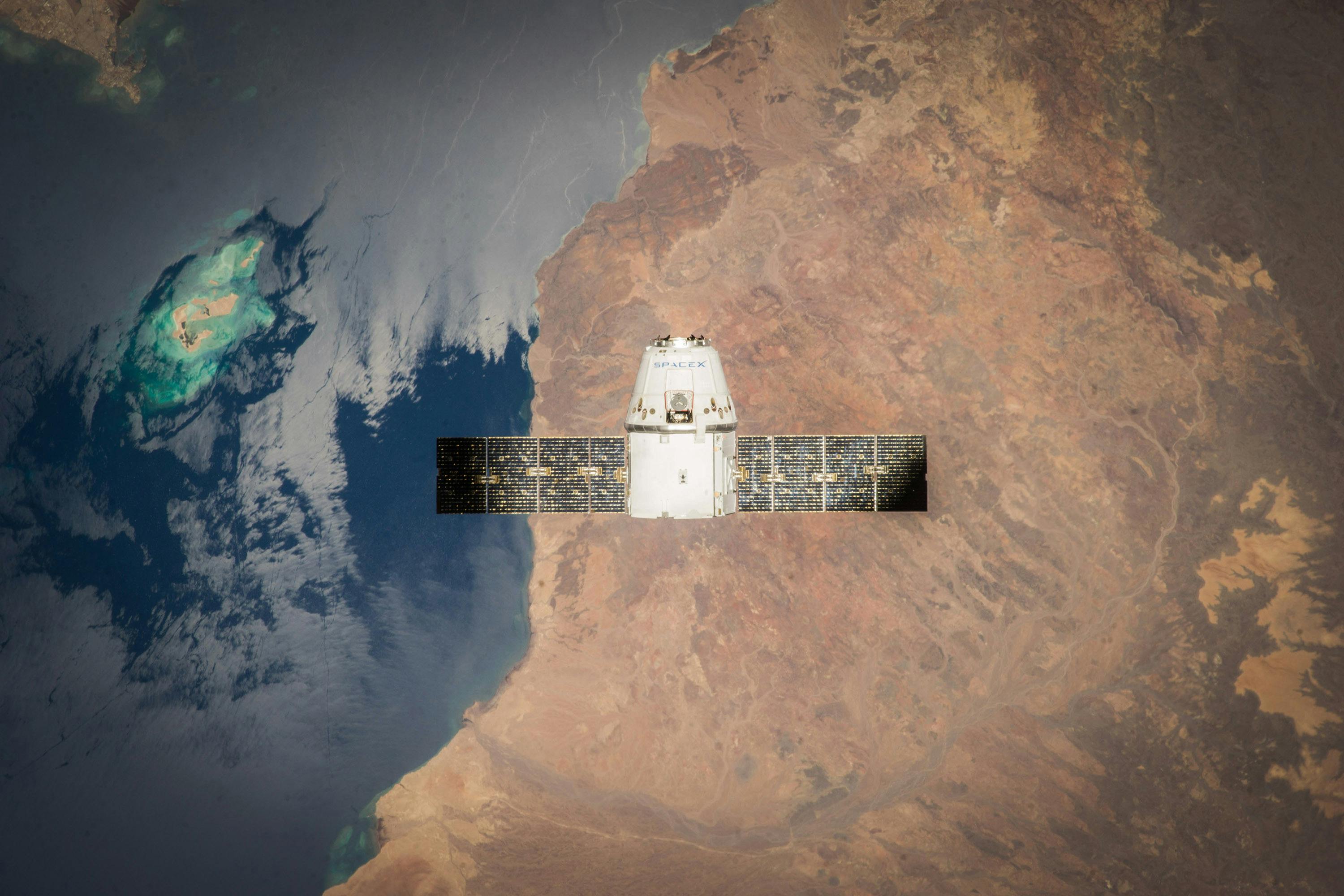
SpaceX continues to push boundaries with the successful launch of 28 Starlink satellites and significant testing preparations for upcoming Crew-11 and Starship missions.

Today's brief covers significant advancements in materials technology for space applications, a U.S. Navy contract for rocket production facilities, and NATO's upcoming classified cloud system.
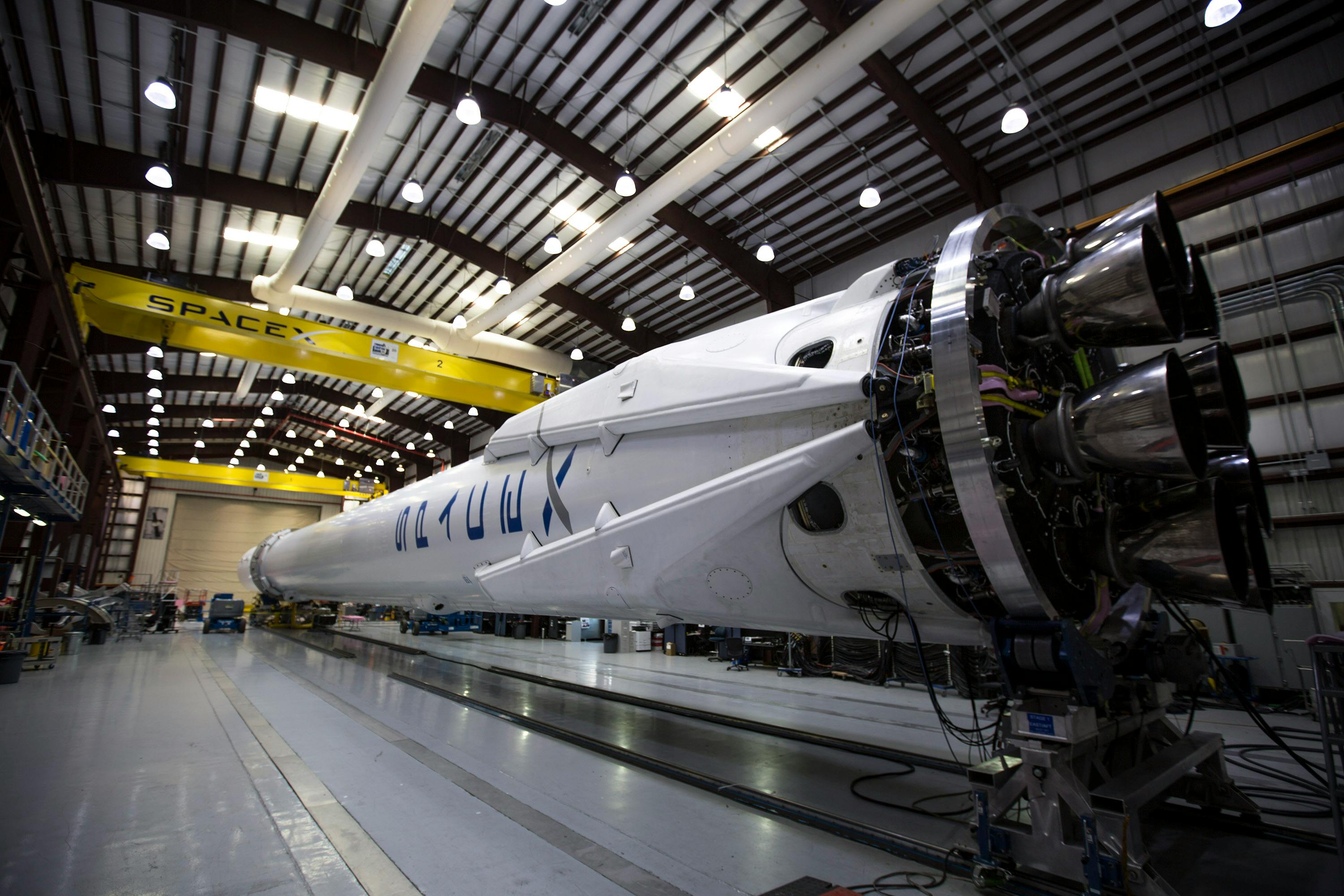
SpaceX makes strides on Starship launch pad, upcoming Starlink infusions from California and Florida, and regulatory challenges loom with FCC and C-band spectrum.
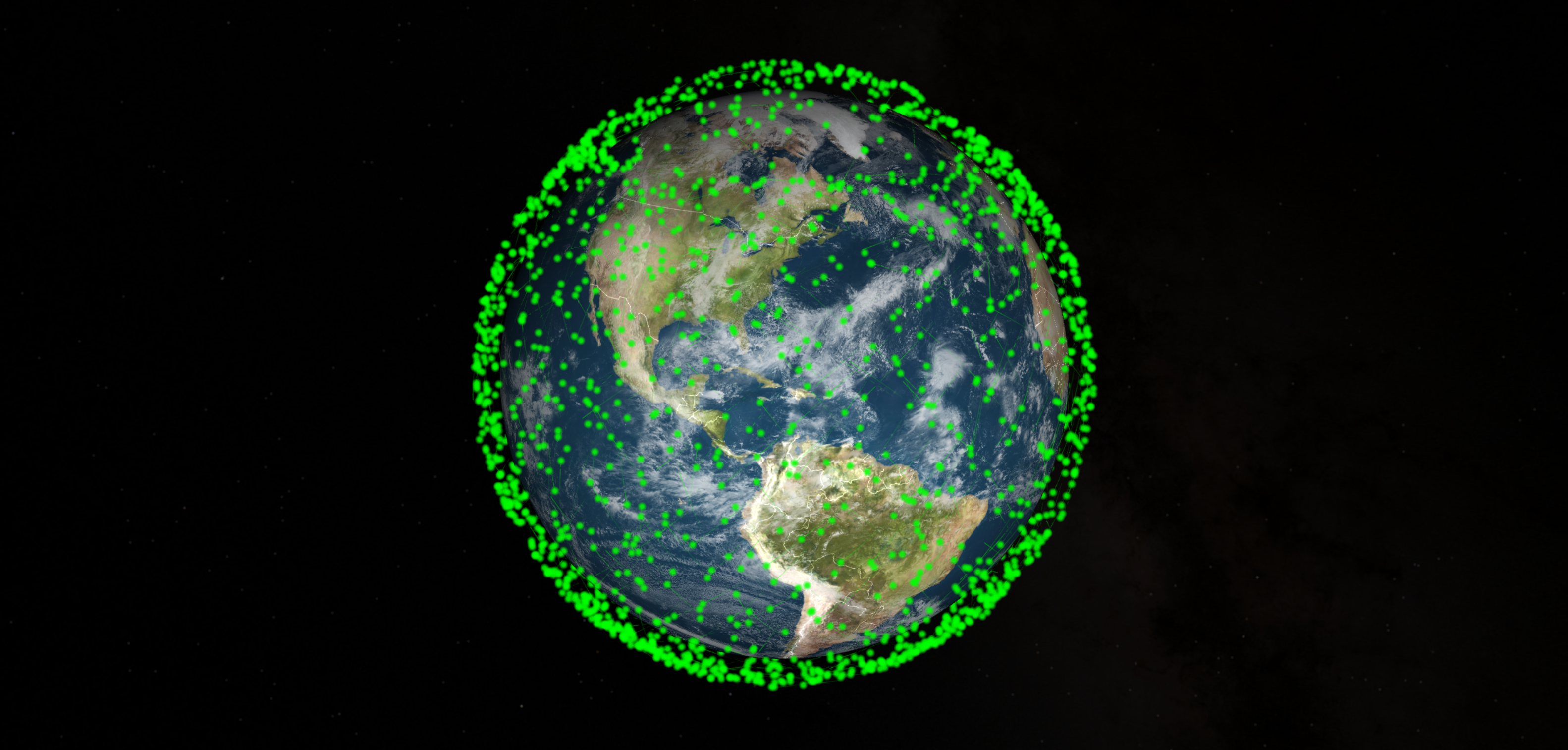
SpaceX quietly built the world's largest 4G network without a single cell tower. Over 650 satellites now connect standard smartphones directly from orbit, and most people carrying compatible phones don't know the service exists.