

X Report 1 Nov 2025
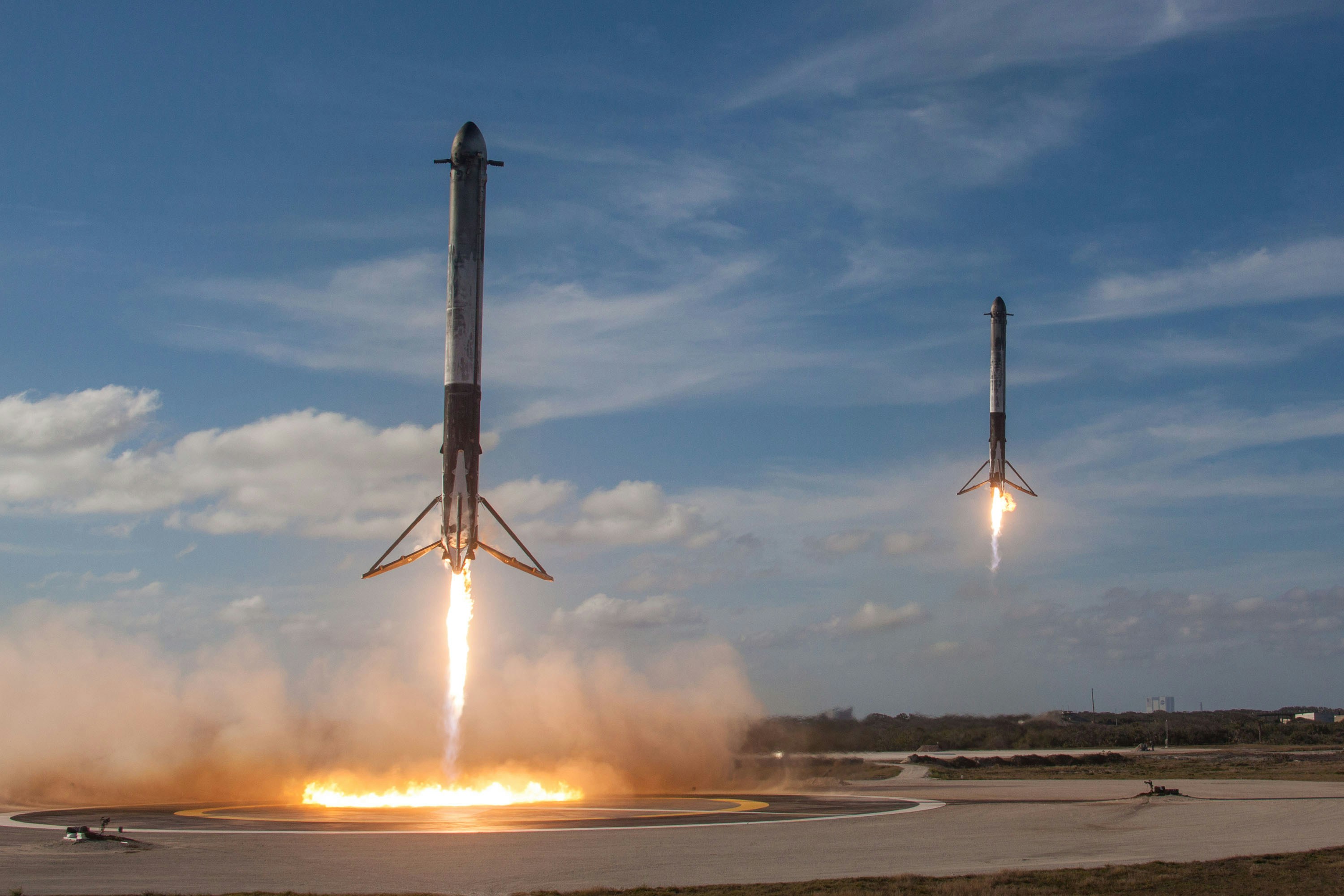
SpaceX marks a significant milestone with its 100th Starlink mission launch and makes impressive progress on lunar lander development for Artemis III.



Launch Date
May 26, 2006
Launch Site
SUBL
Launch Pad
BLA -
Launch Vehicle
Shtil'-1
NORAD ID
29158
International Designator
2006-019B
Decay Date
5/10/2009
Name
KOMPAS-2 DEB
Alternative Name
Shtil'-1 Payload Capsule
Type
Status
Owner
MAK
Country
Russia
Constellation
N/A
Related Satellites
Major Events
N/A
Length
1.5
Diameter
0.5
Span
1.5
Dry Mass
20
Launch Mass
20
Shape
Cone
Radar Cross Section
0.354
Visual Magnitude
Unknown
Color
Unknown
Material Composition
Unknown
Payload
Unknown
Purpose
Unknown
Mission
Unknown
Manufacturer
MAK
Life Expectancy
Unknown
Bus
Unknown
Configuration
Unknown
Motor
Unknown
Equipment
Unknown
Power System
Unknown
ADCS
Unknown
Transmitter Frequency
Unknown
Learn more about satellites and other related topics.
SpaceX marks a significant milestone with its 100th Starlink mission launch and makes impressive progress on lunar lander development for Artemis III.

Today's coverage includes the cancellation of DARPA's DRACO nuclear propulsion project, global shifts in Earth observation strategy, and new developments in satellite technology and military collaborations.
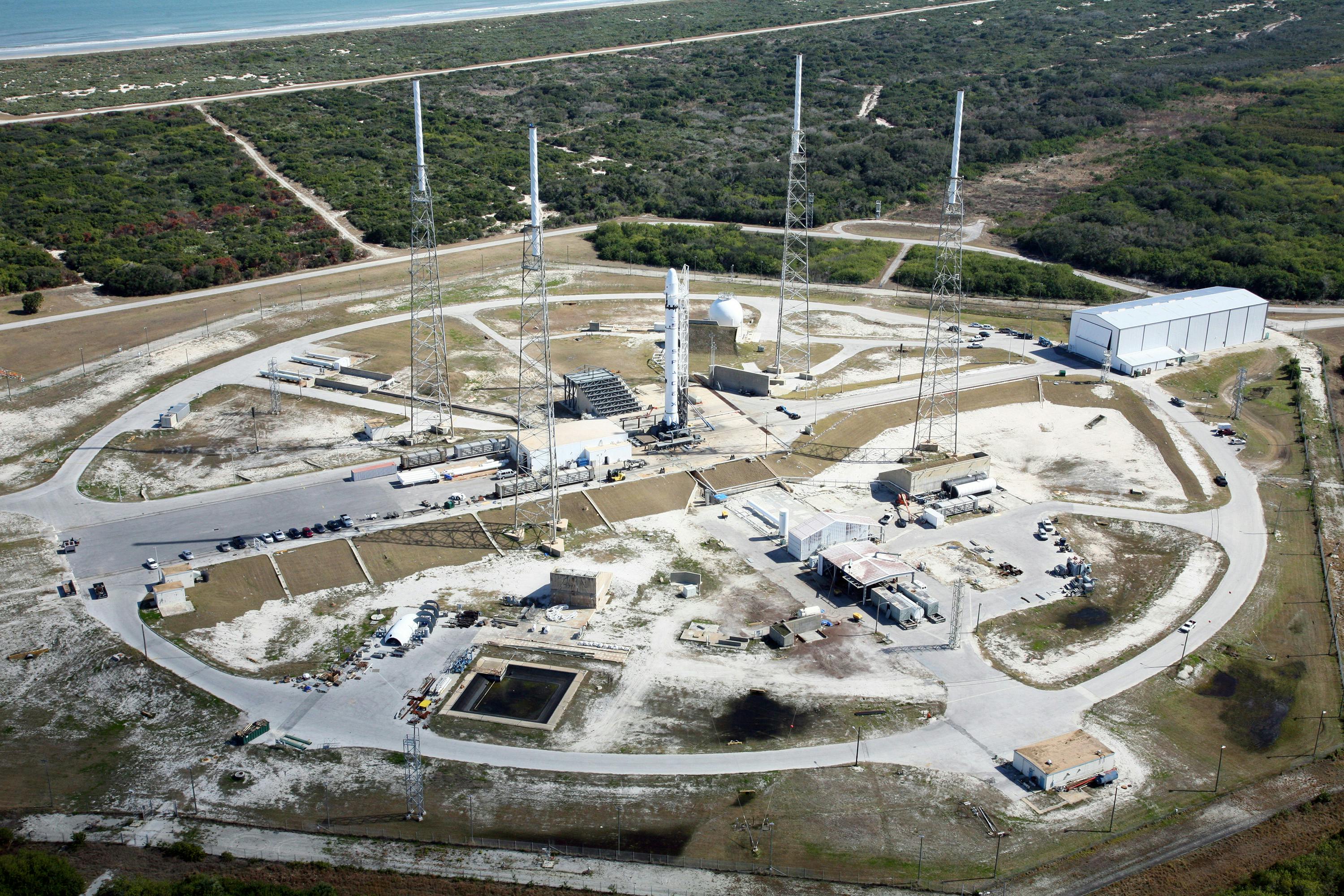
SpaceX plans to lower orbits of 4,400 Starlink satellites after two collision-concern incidents. Cosmo-SkyMed Earth observation satellite launched for Italy from Vandenberg.
Today's briefing covers the U.S. Space Force's substantial investments in commercial satellite services, a strategic military shift, Chinese space station upgrades, and NASA's policy changes.

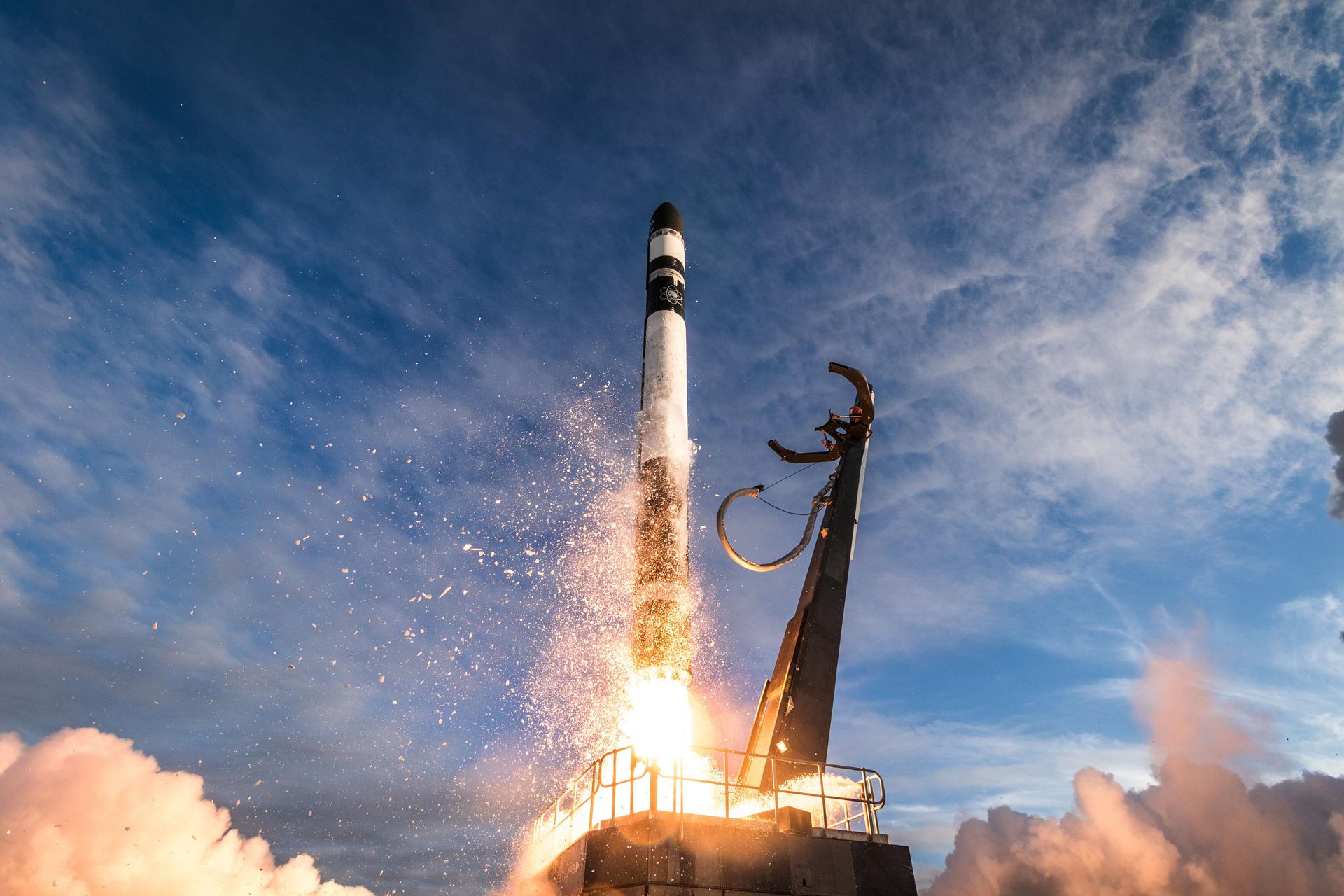
Today's Space Brief covers major developments including the public debut of Voyager Technologies, advancements in defense by Sierra Space, and Pentagon's mega-constellation challenges. Also featured are new software selections by the Space Force and legislative actions on acquisition pilots.
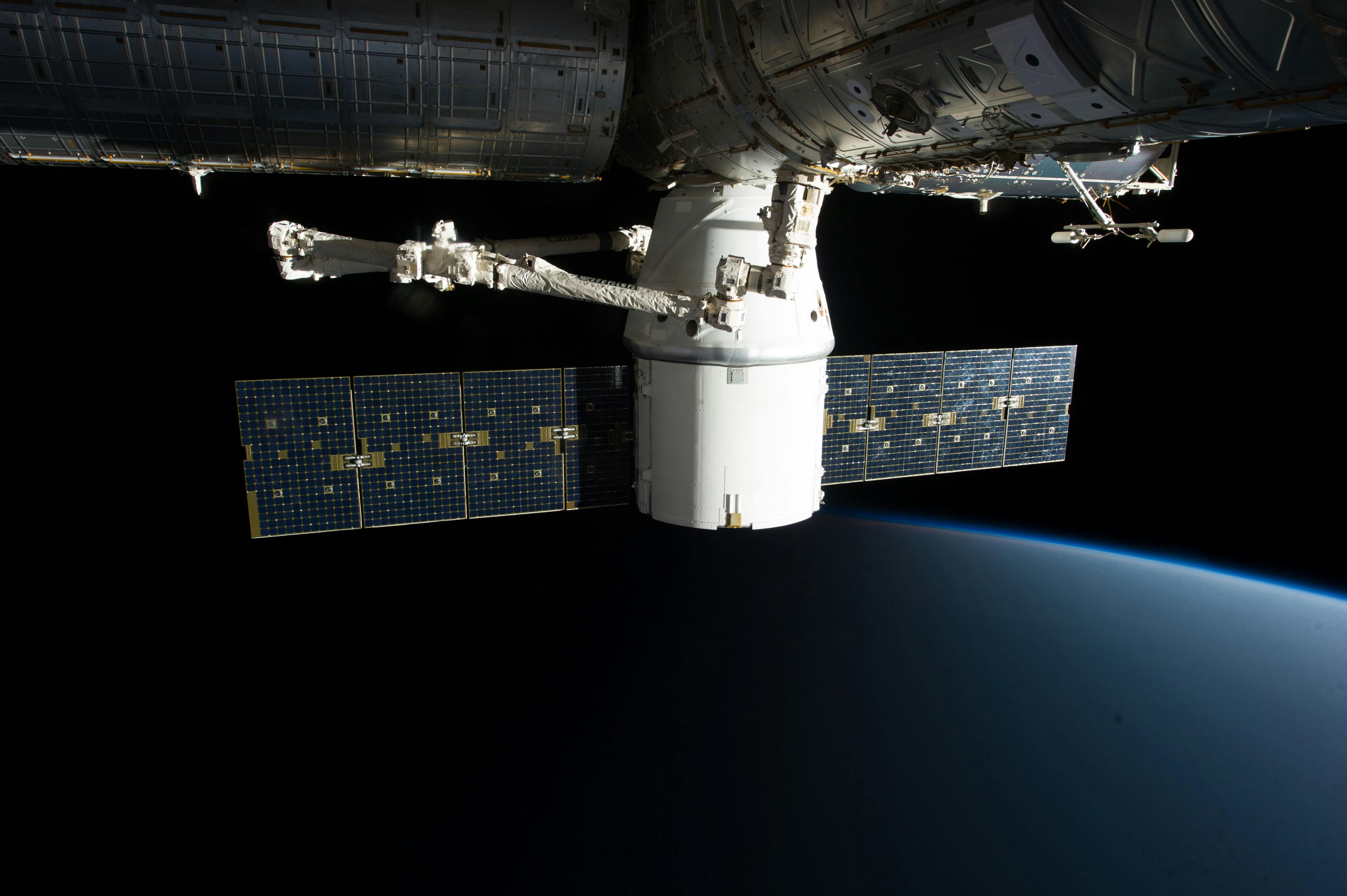
Starship V3 completes its first full-duration static fire in April 2026, with Flight 12 targeting May. Dual Falcon 9s push Starlink to 10,242 working.
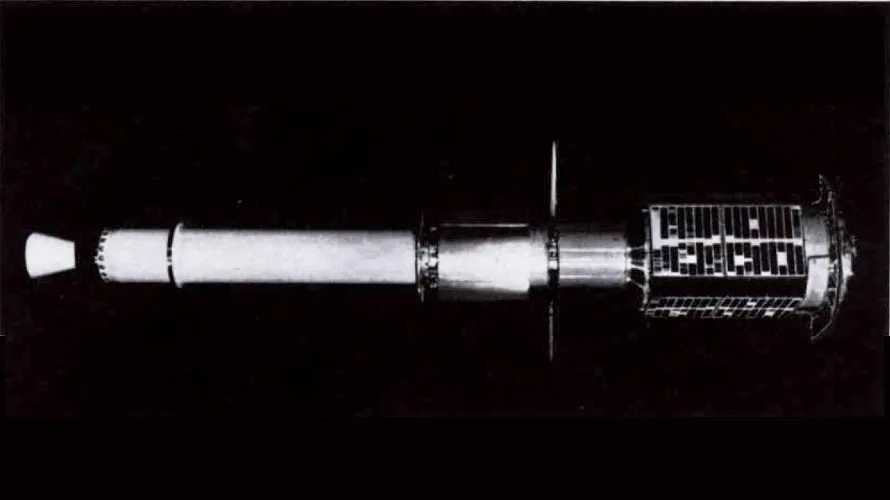
On April 27, 1961, a Scout rocket lifted a 37-kilogram NASA satellite into orbit from Wallops Island carrying the first serious instrument for detecting cosmic gamma rays. Explorer 11 operated for seven months before its tape recorder failed. In that time it registered 22 gamma-ray photons - a pitiful number by modern standards, but enough to launch an entire branch of astronomy.

SpaceX achieved significant milestones with the launch of its 500th Falcon 9 rocket and the deployment of a European weather satellite, showcasing its ongoing impact in space exploration and satellite technology.