


X Report 24 Nov 2025
SpaceX successfully launches 28 Starlink satellites on a new Falcon 9 rocket from California, marking a significant milestone for their satellite constellation.



Launch Date
November 28, 1991
Launch Site
AFWTR
Launch Pad
SLC3W
Launch Vehicle
Atlas E
NORAD ID
29074
International Designator
1991-082BV
Epoch
Thu, 02 Jul 2026 23:50:38 GMT
Apogee
Calculating...
Perigee
Calculating...
Inclination
98.57°
Right Ascension
276.36°
Eccentricity
Calculating...
Argument of Perigee
117.16°
Period
98.68 min
Mean Motion
14.59 rev/day
Latitude
Calculating...
Longitude
Calculating...
Altitude
Calculating...
Velocity
Calculating...
Name
DMSP 5D-2 F11 DEB
Alternative Name
deb DMSP F-11
Type
Status
Owner
AFSMC
Country
United States
Constellation
N/A
Related Satellites
Major Events
N/A
1 29074U 91082BV 26183.99349994 .00007816 00000-0 16633-2 0 9991
2 29074 98.5729 276.3604 0008511 117.1578 243.0490 14.59265097132902
Source: Celestrak
Length
0
Diameter
0
Span
0
Dry Mass
0
Launch Mass
0
Shape
N/A
Radar Cross Section
0.0077
Visual Magnitude
Unknown
Color
Unknown
Material Composition
Unknown
Payload
Unknown
Purpose
Unknown
Mission
Unknown
Manufacturer
Unknown
Life Expectancy
Unknown
Bus
Unknown
Configuration
Unknown
Motor
Unknown
Equipment
Unknown
Power System
Unknown
ADCS
Unknown
Transmitter Frequency
Unknown
Learn more about satellites and other related topics.
SpaceX successfully launches 28 Starlink satellites on a new Falcon 9 rocket from California, marking a significant milestone for their satellite constellation.
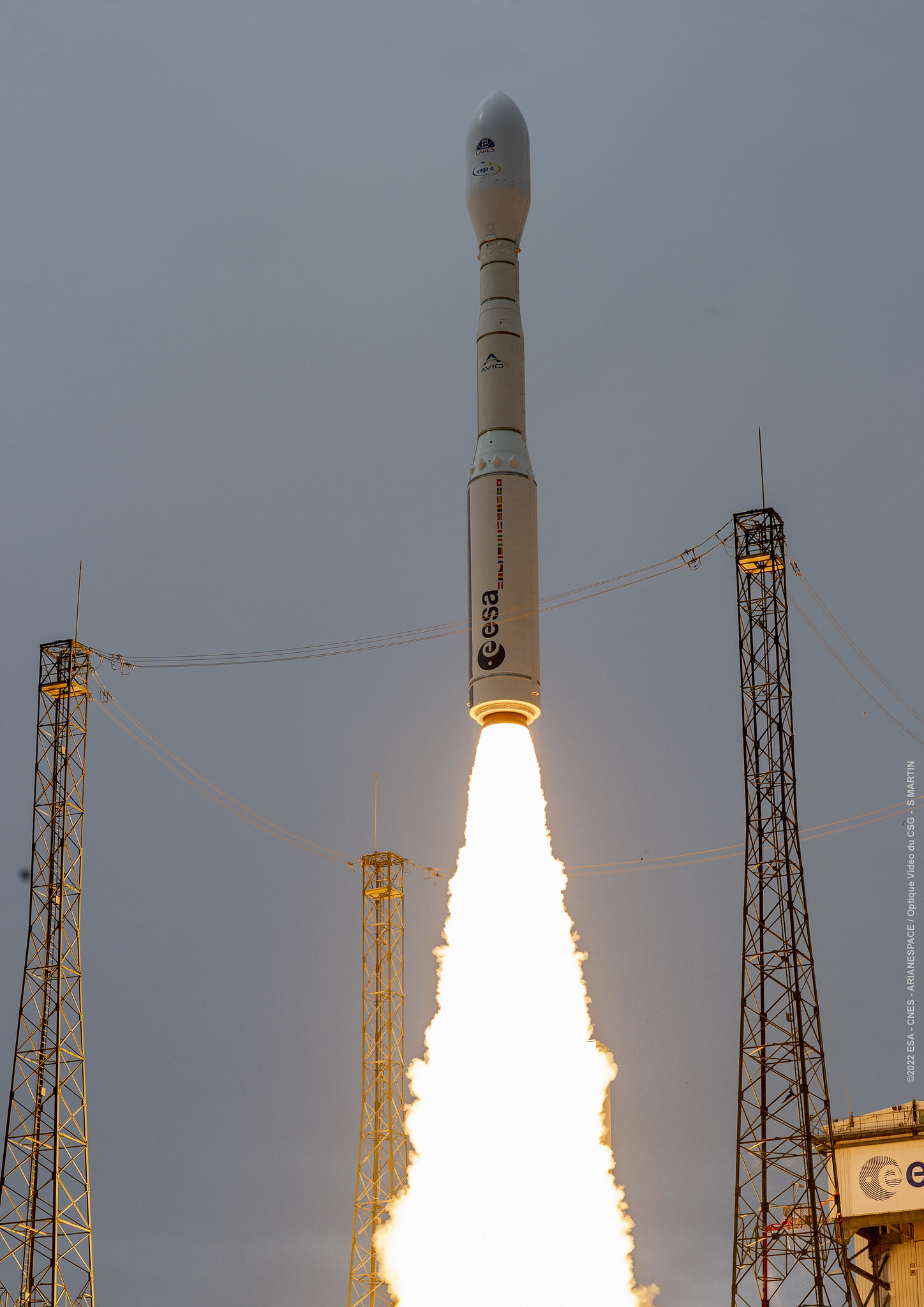
Today's brief covers South Korea's fourth spy satellite launch, potential changes in drone deployment strategies by the US Air Force, and the largest-ever spectrum-sharing demonstration set by the Pentagon.
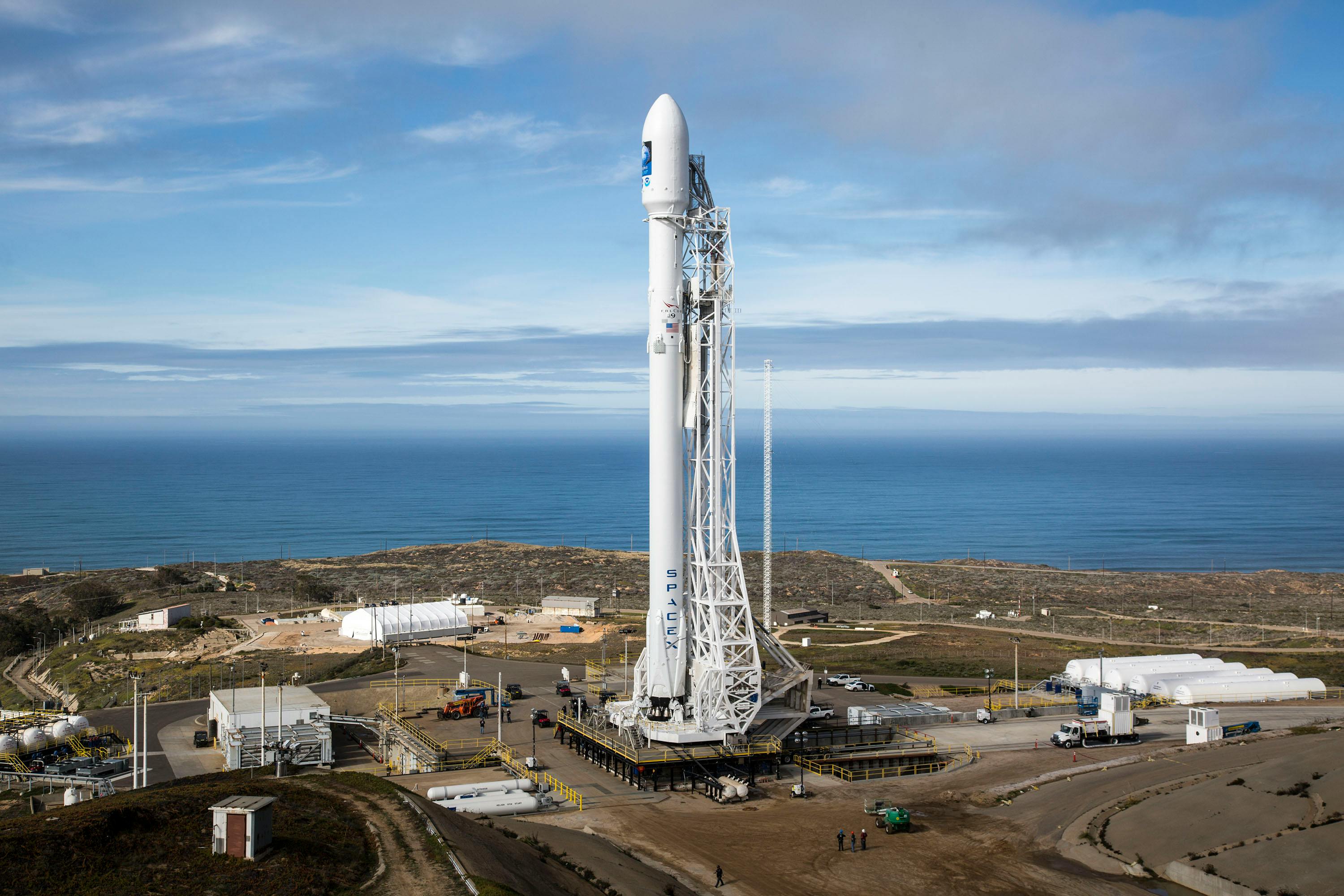
SpaceX's Crew-10 astronauts are set to return to Earth, while Impulse Space takes strides in spacecraft capabilities. Additionally, SpaceX prepares to launch 24 Amazon Project Kuiper satellites.
SpaceX readies Starlink 17-32 launch of 25 satellites from Vandenberg. Orbital data center economics draw attention from Musk and Bezos. 9,614 Starlink sats on orbit.
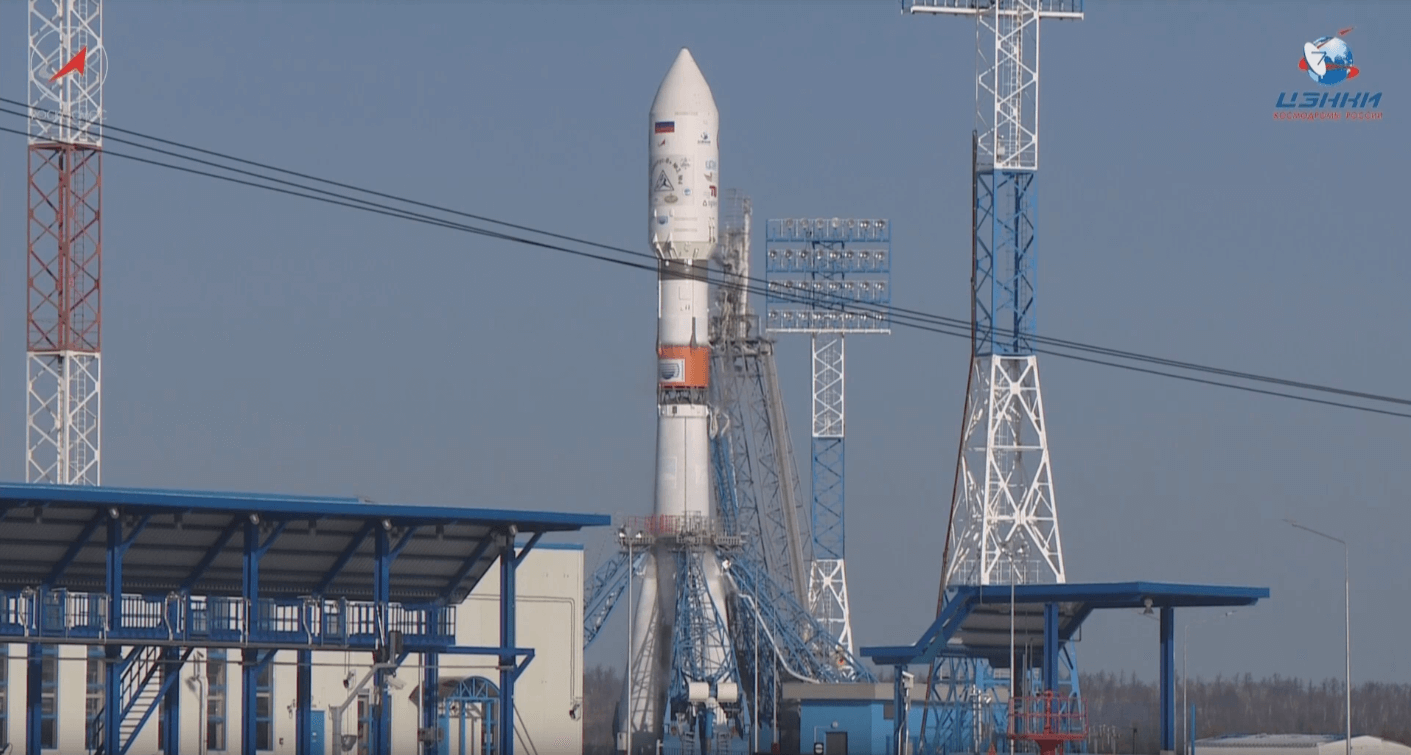
Today’s Space Brief covers the deployment of a new optical sensor for the Space Force, SpaceX's recent Starlink satellite launch, and significant investment in space cargo vehicles.
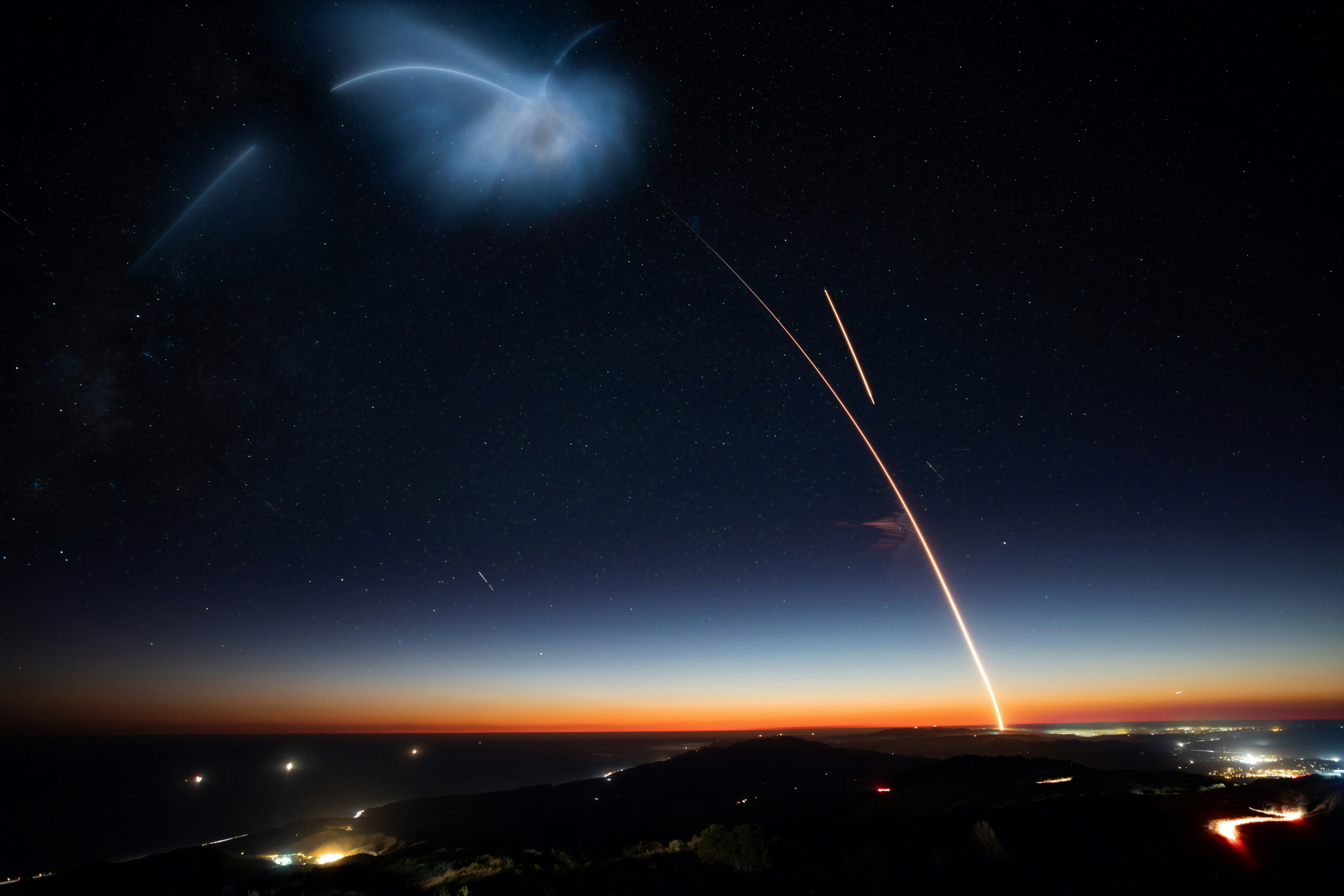
SpaceX successfully launched 24 Starlink satellites aboard a brand-new Falcon 9 rocket. The company aims for five missions this week, bolstering its satellite internet constellation.

On April 22, 2026, the FAA published a final rule implementing per-launch user fees for commercial space transportation — the first time the U.S. government has charged payload-based fees for rocket launches. Starting at 25 cents per pound with a $30,000 cap, the fees are modest today. By 2033, they won't be.

Today's brief highlights a significant geospatial data collaboration between Maxar and Saab, defense budget discussions affecting satellite deployments, and the naming of new military command chiefs.