


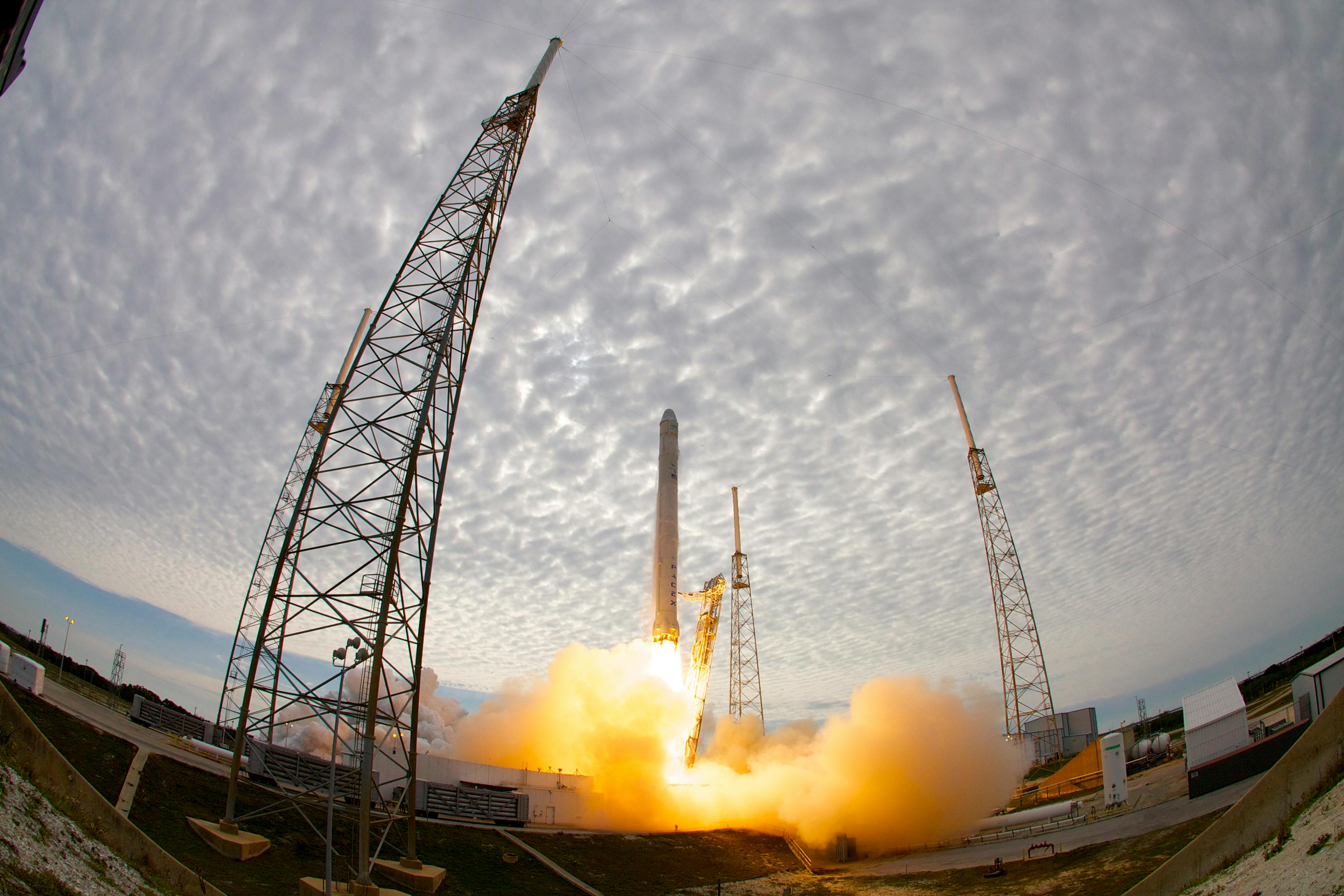
X Report 20 Nov 2024
SpaceX conducts another Starship test flight, with high-profile audience; SEOPS secures Falcon 9 for rideshare mission; Ontario partners with Starlink for rural connectivity.


Launch Date
April 15, 2006
Launch Site
AFWTR
Launch Pad
SLC8
Launch Vehicle
Minotaur I
NORAD ID
29052
International Designator
2006-011F
Epoch
Sat, 04 Jul 2026 03:43:09 GMT
Apogee
Calculating...
Perigee
Calculating...
Inclination
72.03°
Right Ascension
347.57°
Eccentricity
Calculating...
Argument of Perigee
132.49°
Period
100.58 min
Mean Motion
14.32 rev/day
Latitude
Calculating...
Longitude
Calculating...
Altitude
Calculating...
Velocity
Calculating...
Name
FORMOSAT-3 FM2
Alternative Name
COSMIC 1-2
Type
Status
Owner
NSPO
Country
Taiwan
Constellation
N/A
Related Satellites
Major Events
N/A
1 29052U 06011F 26185.15497621 .00000525 00000-0 21062-3 0 9999
2 29052 72.0333 347.5750 0037722 132.4927 227.9410 14.31631757 55214
Source: Celestrak
Length
0.2
Diameter
1
Span
4.3
Dry Mass
56
Launch Mass
62
Shape
Cyl + 2 Pan
Radar Cross Section
0.562
Visual Magnitude
Unknown
Color
Unknown
Material Composition
Unknown
Payload
FORMOSAT 3 FM2
Purpose
Earth observation
Mission
Earth observation
Manufacturer
OSCD
Life Expectancy
5 years (design); 14 years (achieved)
Bus
Microstar
Configuration
MicroStar
Motor
Unknown
Equipment
Unknown
Power System
2 deployable solar arrays, batteries
ADCS
Unknown
Transmitter Frequency
Unknown
Learn more about satellites and other related topics.
SpaceX conducts another Starship test flight, with high-profile audience; SEOPS secures Falcon 9 for rideshare mission; Ontario partners with Starlink for rural connectivity.
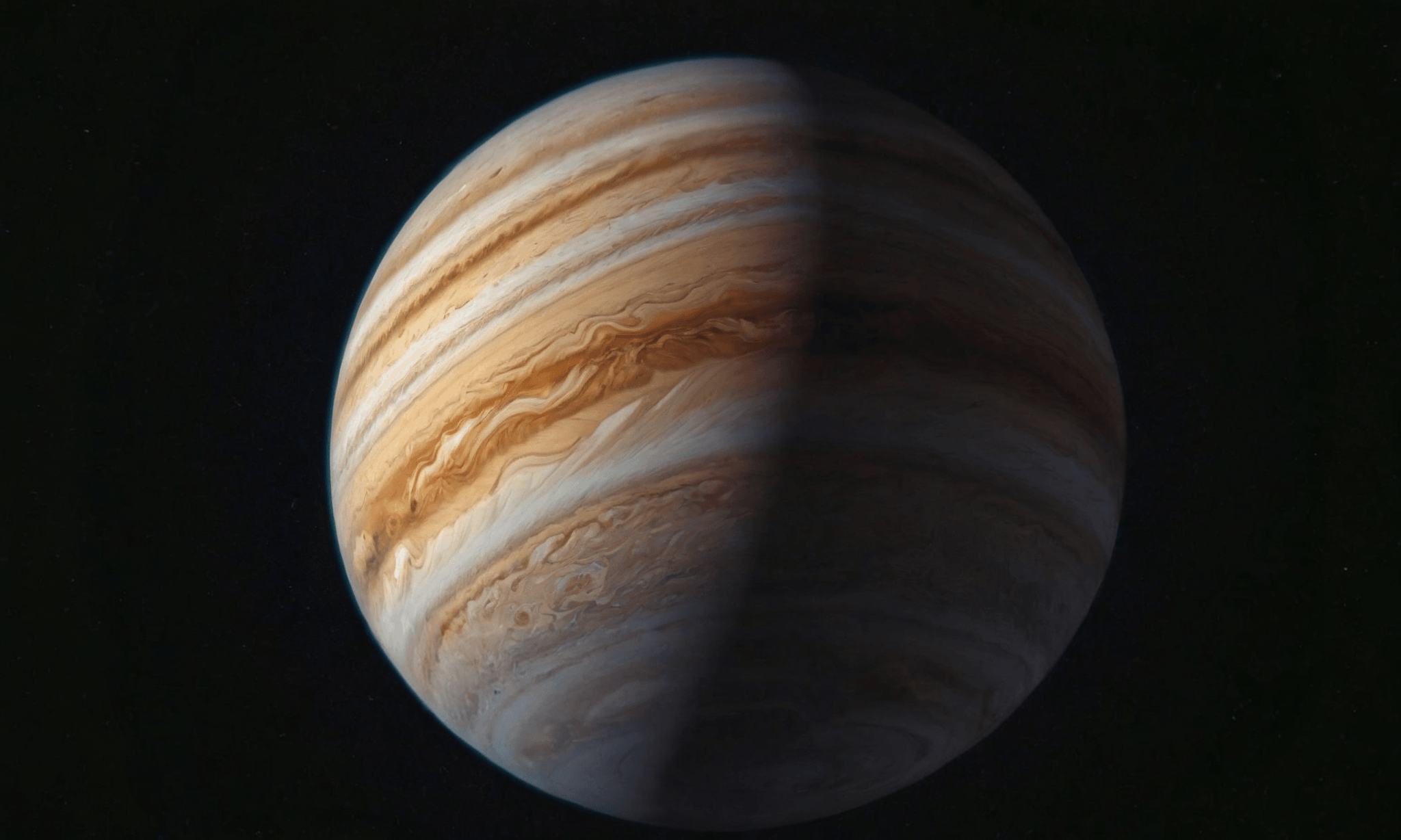
Today’s Space Brief covers a rescued lunar orbiter, a thorough pre-launch check for a Jupiter-bound mission, and leadership changes in a satellite communication company. We also spotlight a recently launched CubeSat and an innovative act of deorbiting.

SpaceX gears up for significant 2026 launches while a Starlink satellite anomaly provides insights into its operations.

Crew-11 astronauts arrive in Houston following first-ever ISS medical evacuation. Starlink continues robust satellite deployment schedule with ongoing constellation expansion.
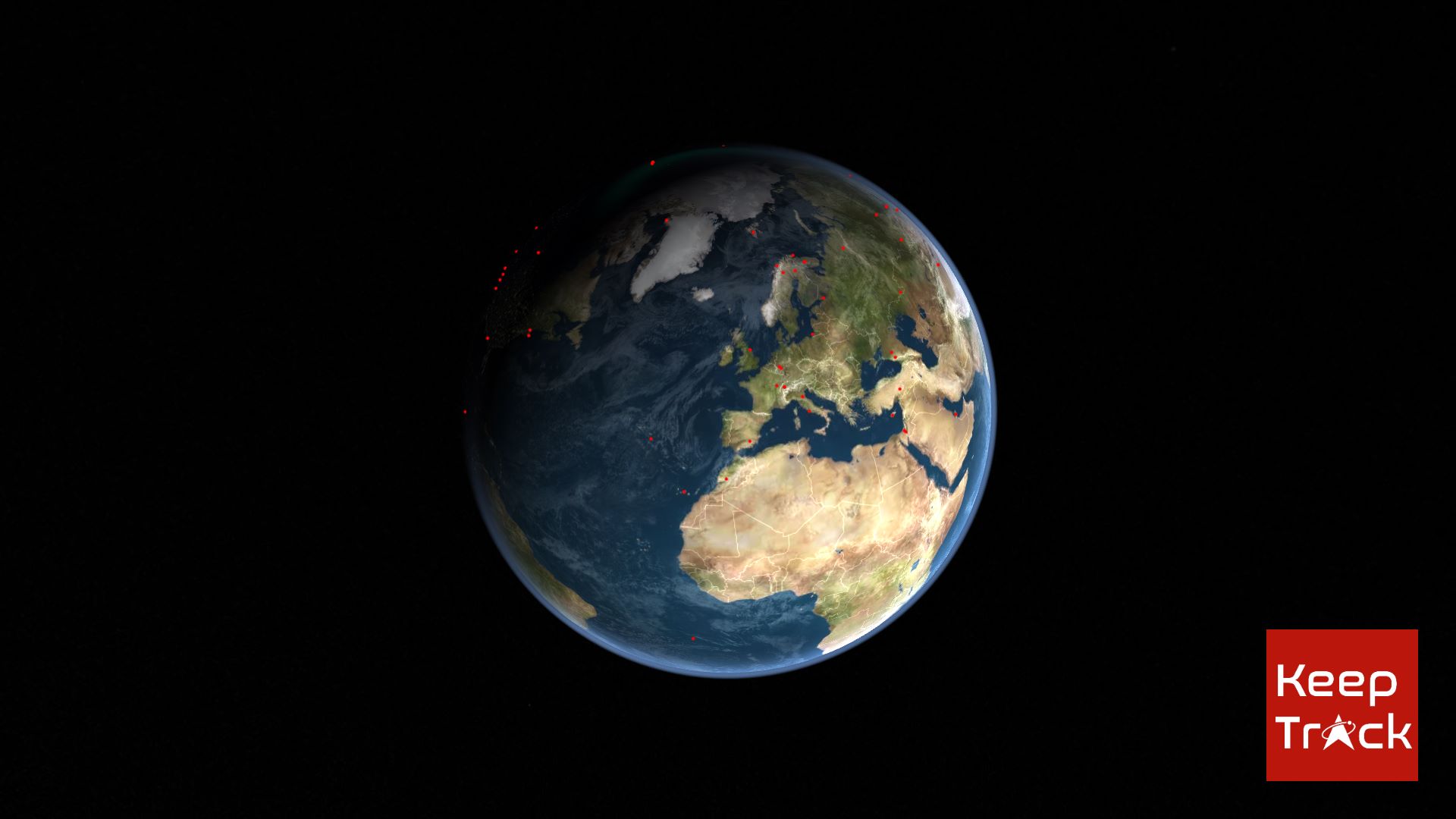
How our ability to track and predict objects in orbit has become the foundation of space safety in an increasingly crowded cosmic neighborhood
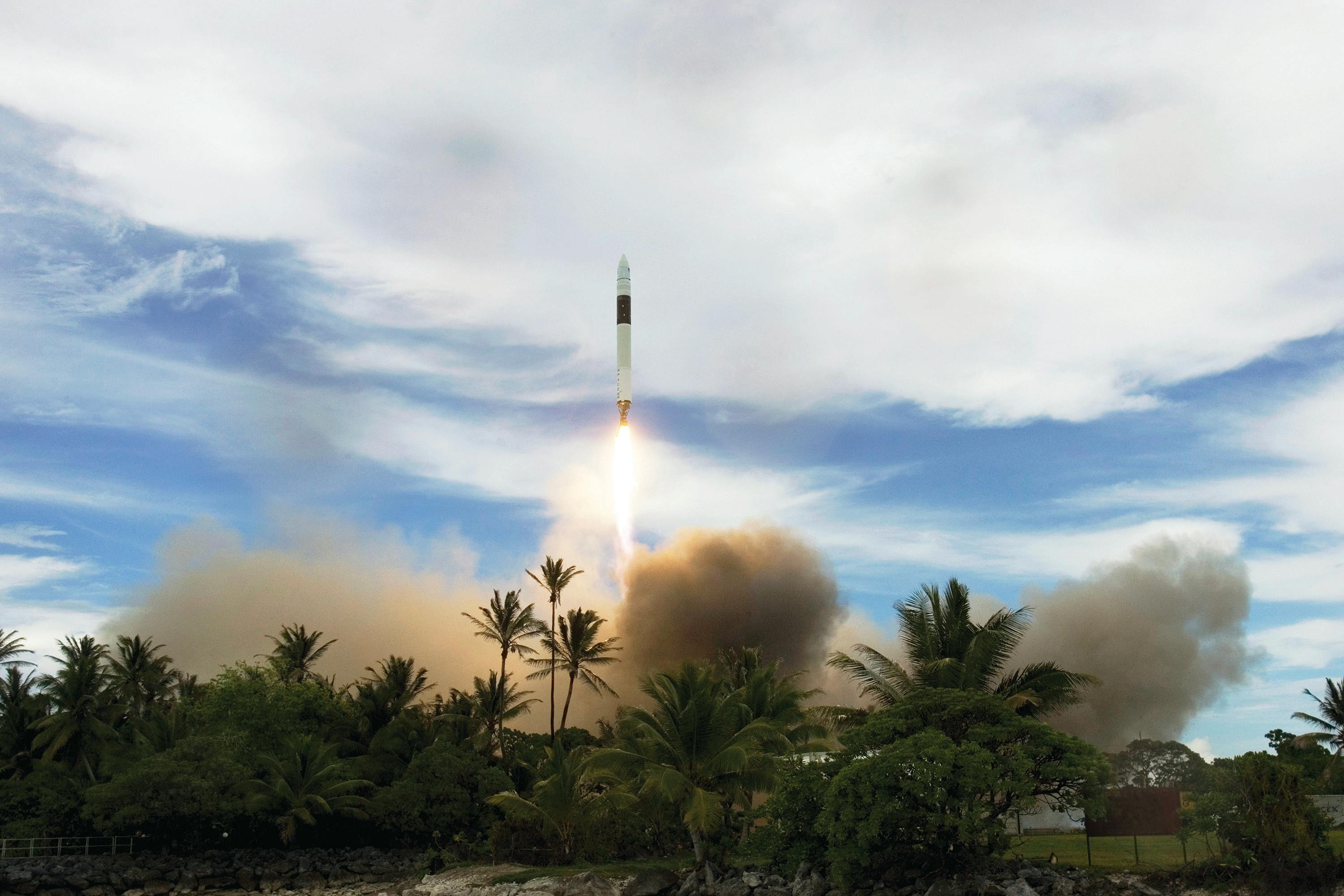
SpaceX's 2024 launch surge sets global records, with Florida making history in the U.S. Find out how these achievements are shaping the commercial space race.
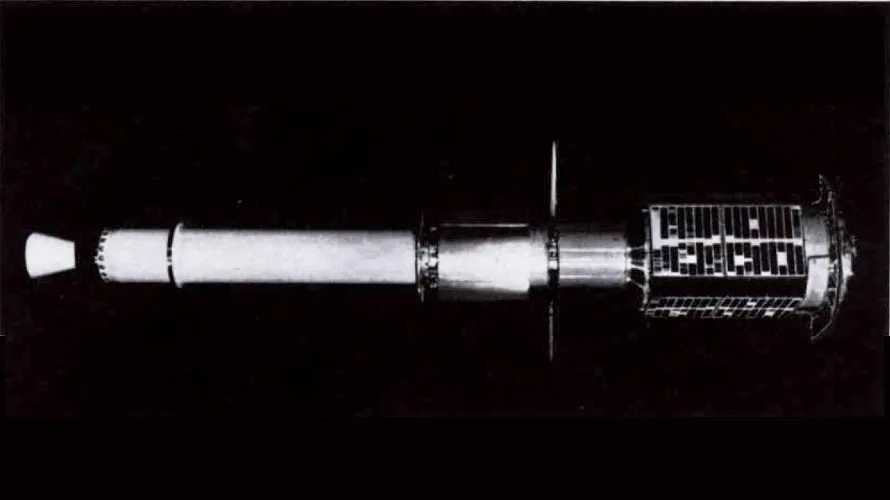
On April 27, 1961, a Scout rocket lifted a 37-kilogram NASA satellite into orbit from Wallops Island carrying the first serious instrument for detecting cosmic gamma rays. Explorer 11 operated for seven months before its tape recorder failed. In that time it registered 22 gamma-ray photons - a pitiful number by modern standards, but enough to launch an entire branch of astronomy.

Today's brief covers China's Gaofen-14 satellite launch, Europe's advancements in asteroid defense through GomSpace, and Russia's controversial Burevestnik missile test.