


NordSpace Atlantic Spaceport Complex
Canada's sovereign space access finally has a construction site. How NordSpace is building the Atlantic Spaceport Complex in Newfoundland - and what the scrubbed Taiga launch reveals about the path to orbit.


Launch Date
April 15, 2006
Launch Site
AFWTR
Launch Pad
SLC8
Launch Vehicle
Minotaur I
NORAD ID
29051
International Designator
2006-011E
Epoch
Sat, 04 Jul 2026 05:26:41 GMT
Apogee
Calculating...
Perigee
Calculating...
Inclination
72.00°
Right Ascension
266.56°
Eccentricity
Calculating...
Argument of Perigee
60.17°
Period
100.59 min
Mean Motion
14.32 rev/day
Latitude
Calculating...
Longitude
Calculating...
Altitude
Calculating...
Velocity
Calculating...
Name
FORMOSAT-3 FM4
Alternative Name
COSMIC 1-4
Type
Status
Owner
NSPO
Country
Taiwan
Constellation
N/A
Related Satellites
Major Events
N/A
1 29051U 06011E 26185.22687341 .00000358 00000-0 14673-3 0 9990
2 29051 72.0040 266.5585 0064414 60.1707 300.5813 14.31552609 57704
Source: Celestrak
Length
0.2
Diameter
1
Span
4.3
Dry Mass
56
Launch Mass
62
Shape
Cyl + 2 Pan
Radar Cross Section
0.545
Visual Magnitude
Unknown
Color
Unknown
Material Composition
Unknown
Payload
FORMOSAT 3 FM4
Purpose
Earth observation
Mission
Earth observation
Manufacturer
OSCD
Life Expectancy
5 years (design); 14 years (achieved)
Bus
Microstar
Configuration
MicroStar
Motor
Unknown
Equipment
Unknown
Power System
2 deployable solar arrays, batteries
ADCS
Unknown
Transmitter Frequency
Unknown
Learn more about satellites and other related topics.
Canada's sovereign space access finally has a construction site. How NordSpace is building the Atlantic Spaceport Complex in Newfoundland - and what the scrubbed Taiga launch reveals about the path to orbit.
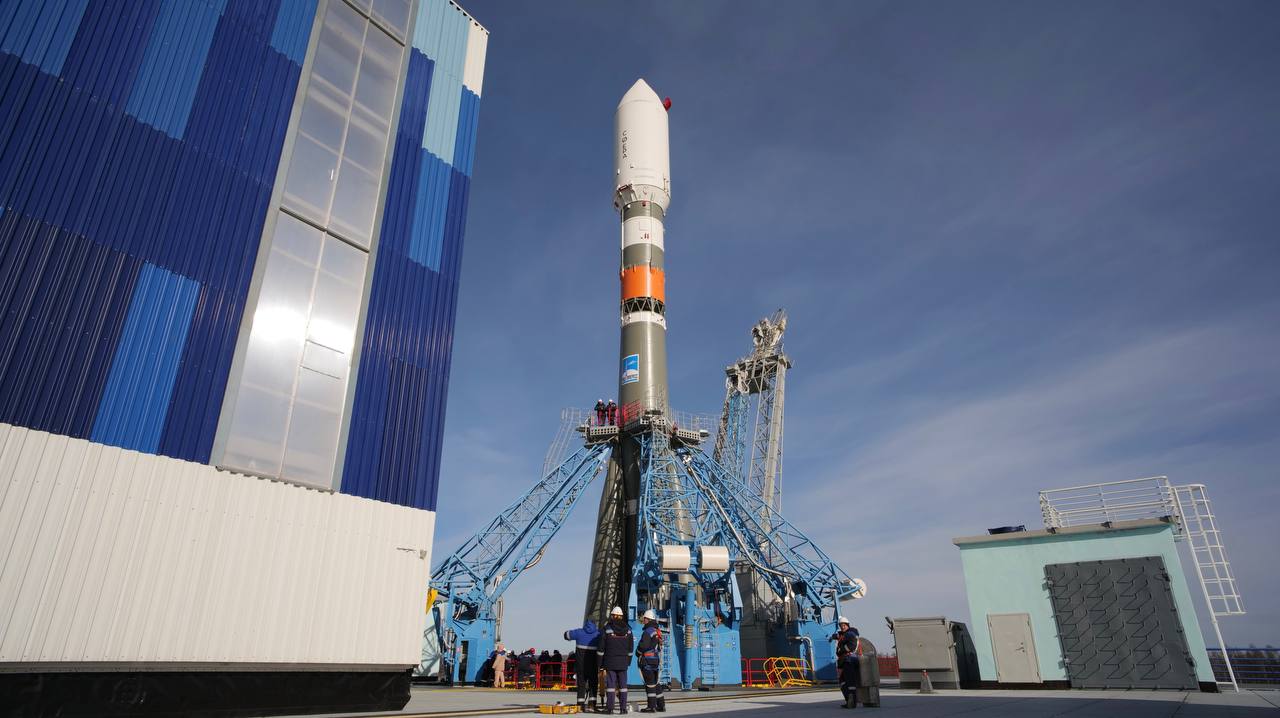
Today's highlights include the U.S. military's satellite initiative facing delays, Senate inquiries into high-profile calls, and an update on Pentagon's UFO investigations. Notable mentions also cover Morocco's defense sector ambitions.

Space highlights include a debut launch of ZhuQue-2E, Firefly's lunar lander timeline, semiconductor funding for satellites, and ISS debris avoidance.

Today's brief highlights a Pentagon satellite network challenge, the expanding use of AI in military strategy, and advancements in commercial launch vehicle production.
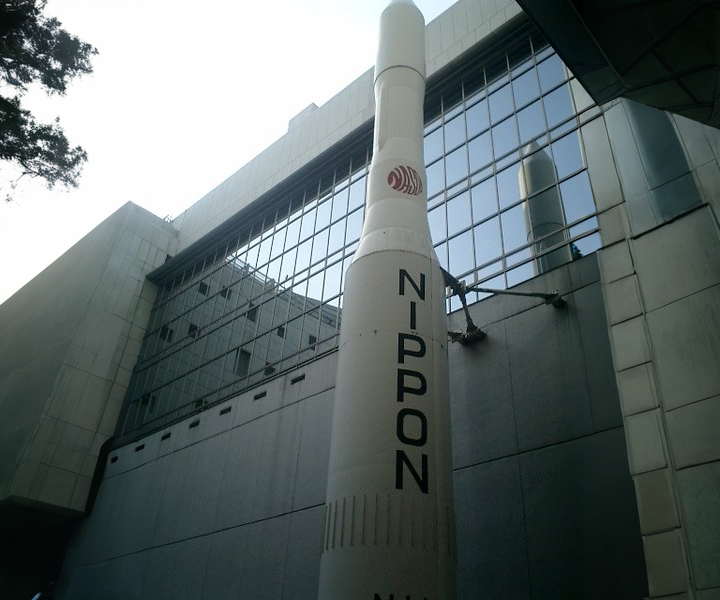
Forty-eight years ago, a pioneering satellite named Kiku 2 propelled Japan into the exclusive group of nations capable of operating satellites in geostationary orbit

SpaceX successfully launched 28 Starlink satellites while preparing for the upcoming Ax-4 mission to the ISS. Significant progress continues in their ongoing space endeavors.
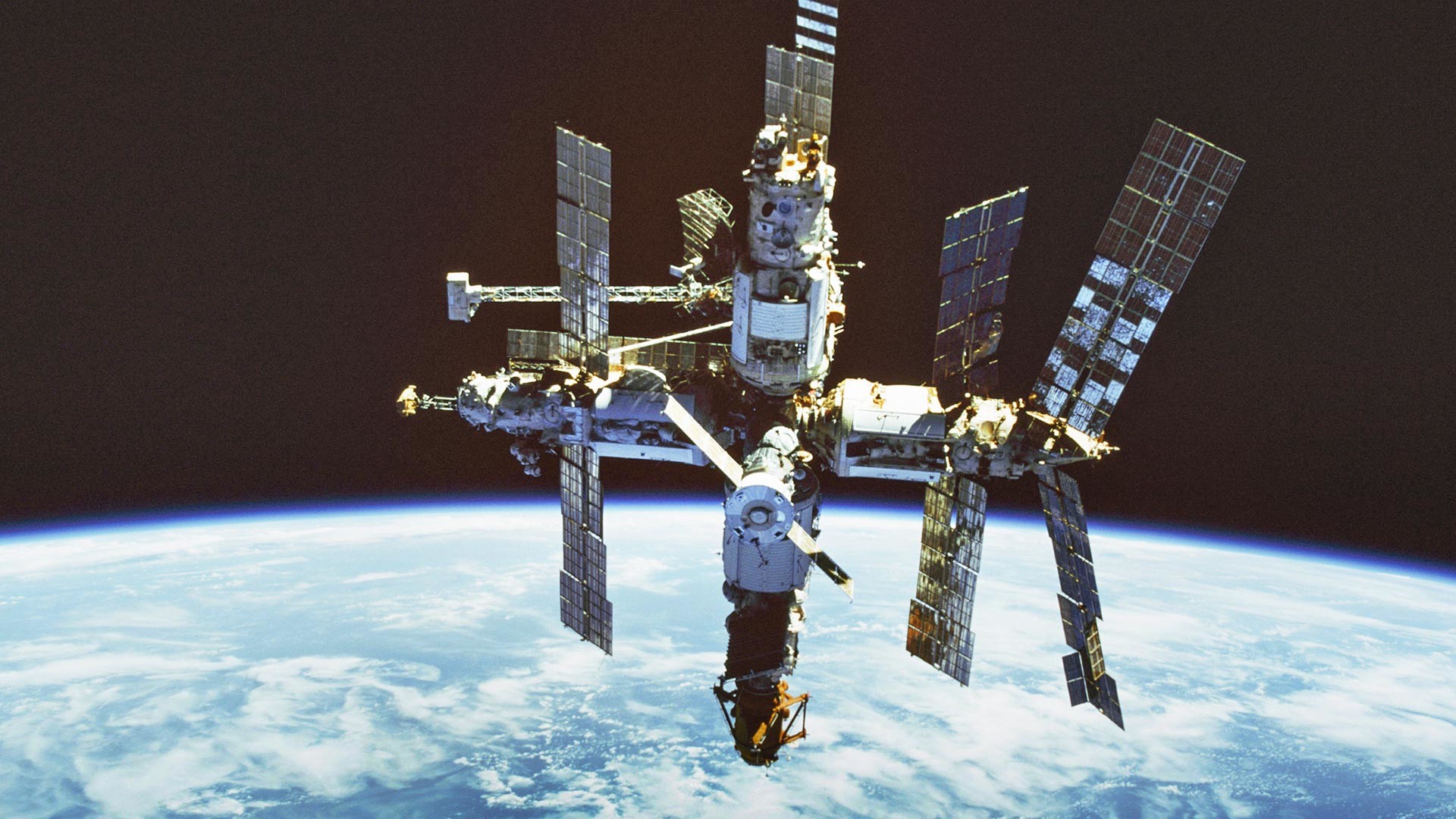
Forty years ago today, the USSR launched a 20-ton aluminum cylinder into low Earth orbit and called it 'Peace.' Over the next 15 years, Mir would host 104 people from 12 countries, survive a fire and a collision, and quietly teach humanity how to live in space.
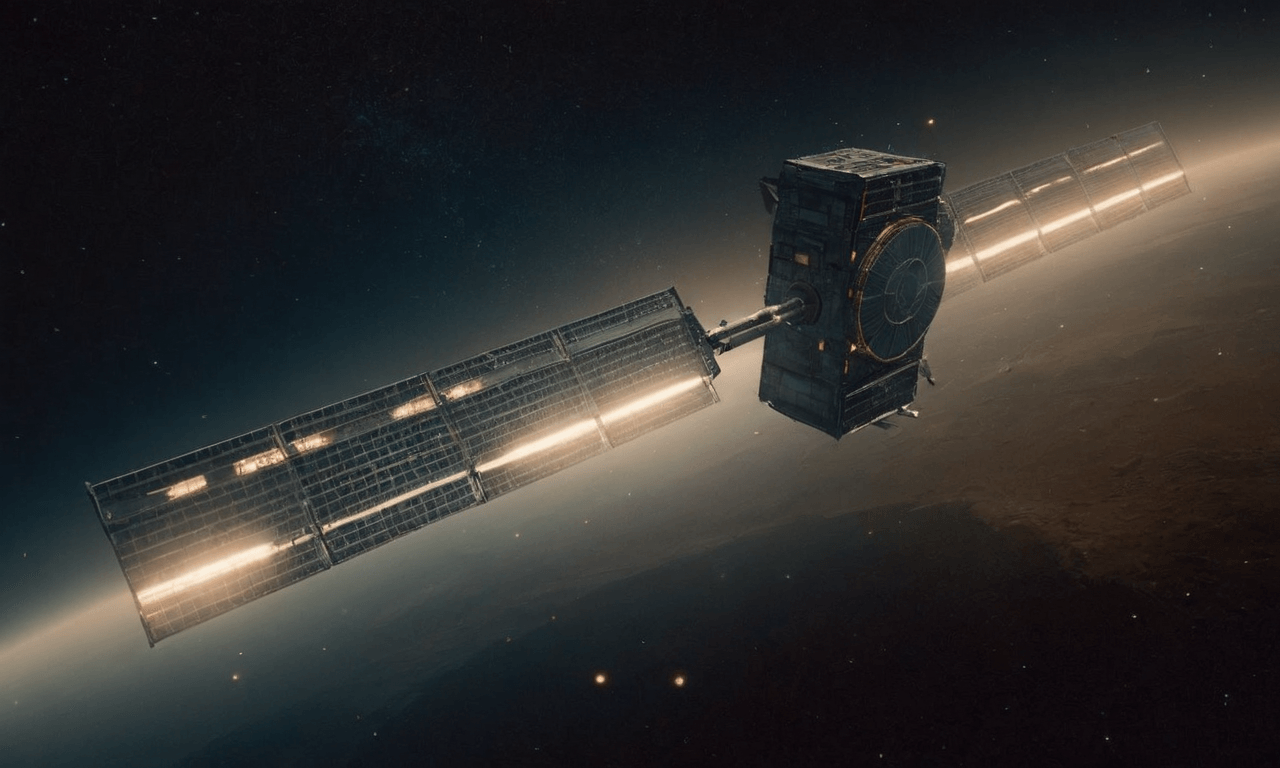
Today's Space Brief covers Rocket Lab's IoT satellite launch, SpaceX's European Galileo satellites, FAA's fine on SpaceX, Polaris Dawn mission achievements, and more.