


The Day America's Moon Rocket Began Its Journey
Fifty-nine years ago, a revolutionary new rocket thundered skyward from Cape Kennedy, testing the spacecraft that would eventually carry astronauts to the lunar surface


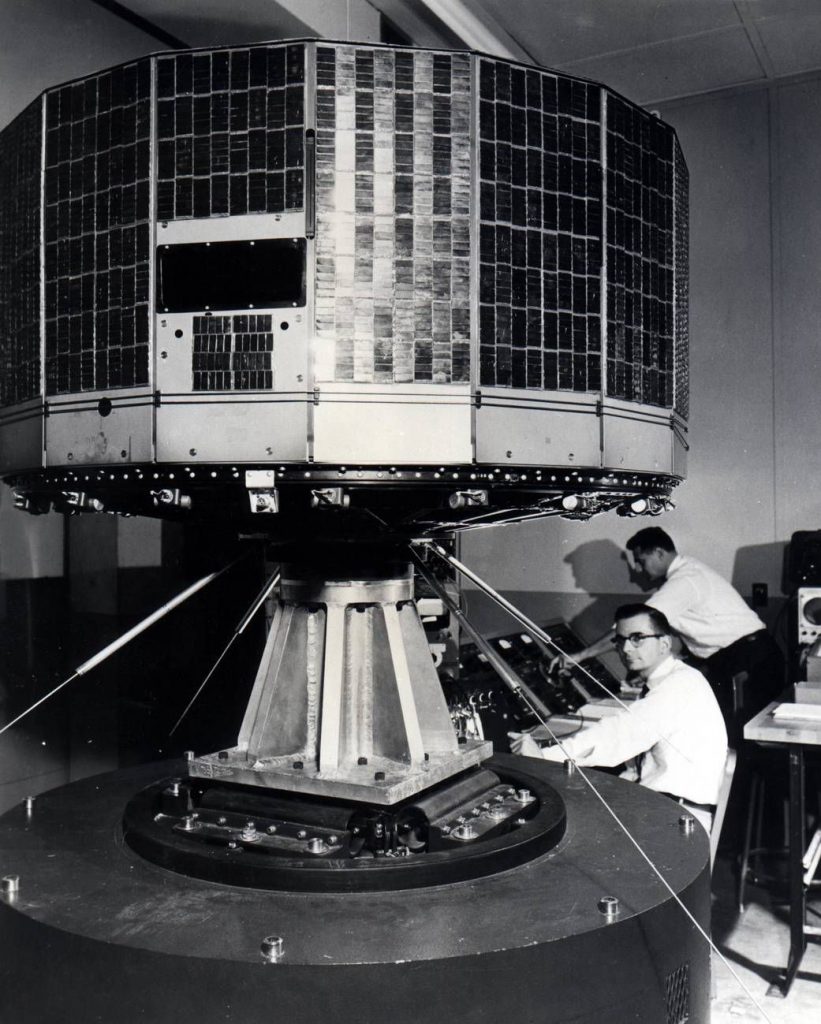
Launch Date
April 1, 1960
Launch Site
Launch Pad
LC-17A
Launch Vehicle
Thor Able II
NORAD ID
00029
International Designator
1960-002B
Epoch
Sat, 04 Jul 2026 00:36:13 GMT
Apogee
Calculating...
Perigee
Calculating...
Inclination
48.38°
Right Ascension
304.63°
Eccentricity
Calculating...
Argument of Perigee
339.92°
Period
97.38 min
Mean Motion
14.79 rev/day
Latitude
Calculating...
Longitude
Calculating...
Altitude
Calculating...
Velocity
Calculating...
Name
TIROS 1
Alternative Name
TIROS-A
Type
Status
Owner
NASA
Country
United States
Constellation
N/A
Related Satellites
Major Events
First successful weather satellite; provided the first television images of Earth from space.
1 00029U 60002B 26185.02515657 .00000585 00000-0 10737-3 0 9991
2 00029 48.3788 304.6252 0022242 339.9198 20.0838 14.78796492544626
Source: Celestrak
Length
0.56
Diameter
1.1
Span
1.1
Dry Mass
122
Launch Mass
122
Shape
Cylindrical
Radar Cross Section
0.803
Visual Magnitude
6.1
Color
Silver (aluminum-clad)
Material Composition
Aluminum alloy and stainless steel.
Payload
Two vidicon TV cameras for cloud cover imaging.
Purpose
Meteorology
Mission
Meteorology
Manufacturer
RCA
Life Expectancy
Operated for 78 days, transmitting over 19,000 usable images.
Bus
TIROS
Configuration
Axial
Motor
Solid-fuel thrusters for spin stabilization.
Equipment
Two 1.27-cm-diameter vidicon TV cameras (one wide-angle and one narrow-angle) for capturing Earth cloud cover images.
Power System
Powered by 9,200 solar cells charging nickel-cadmium batteries.
ADCS
Spin-stabilized at approximately 8-12 rpm.
Transmitter Frequency
235 MHz
Learn more about satellites and other related topics.
Fifty-nine years ago, a revolutionary new rocket thundered skyward from Cape Kennedy, testing the spacecraft that would eventually carry astronauts to the lunar surface
SpaceX prepares for a historic Falcon 9 landing attempt in The Bahamas, while also contributing to FAA air traffic control modernization.

Today's brief covers SpaceX's latest Starlink launch, updates on Crew-8's return, and preparations for the SLS Artemis II mission.
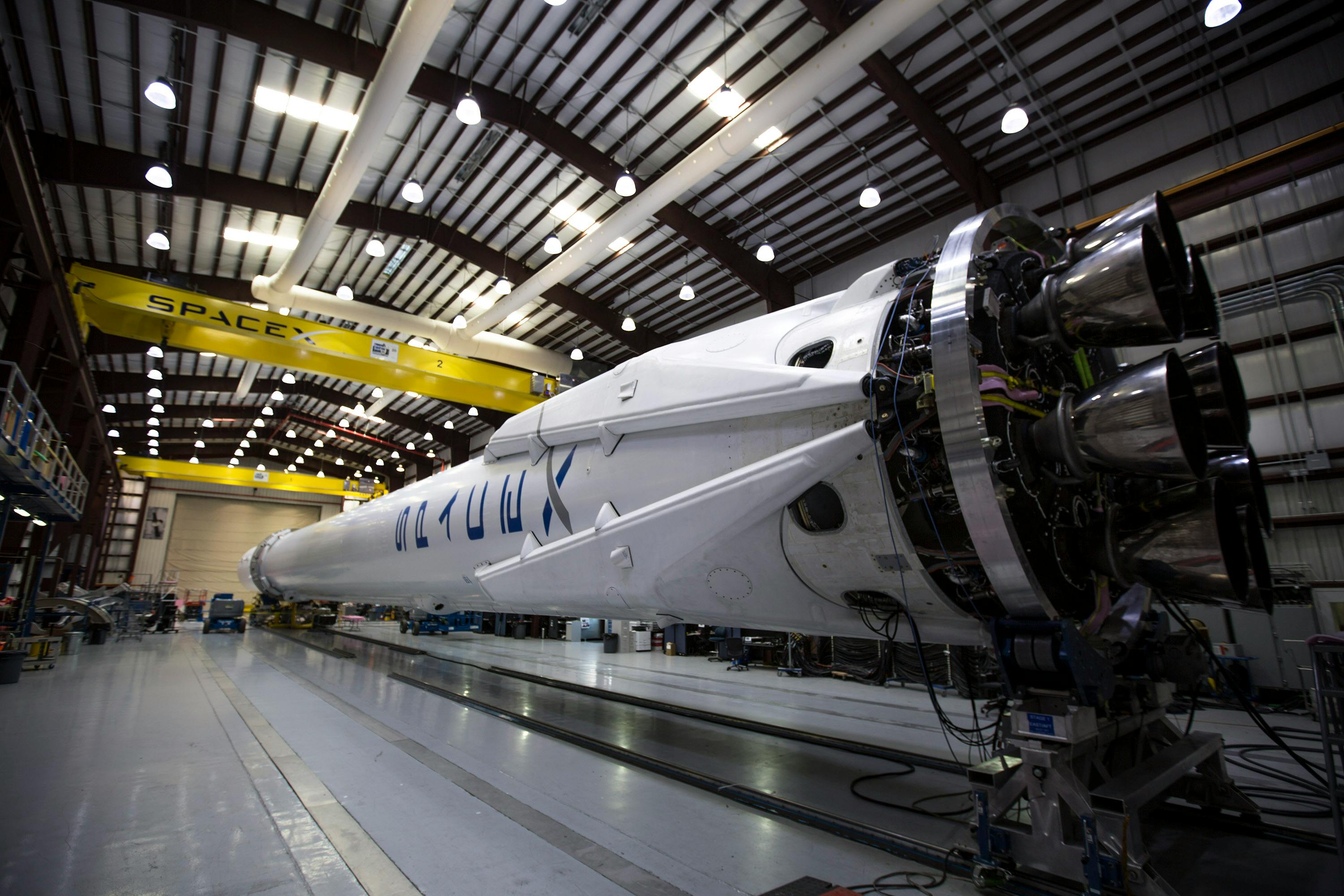
SpaceX advances with Starship readiness, scrubs mysterious RRT-1 launch, and successfully deploys more Starlink satellites.
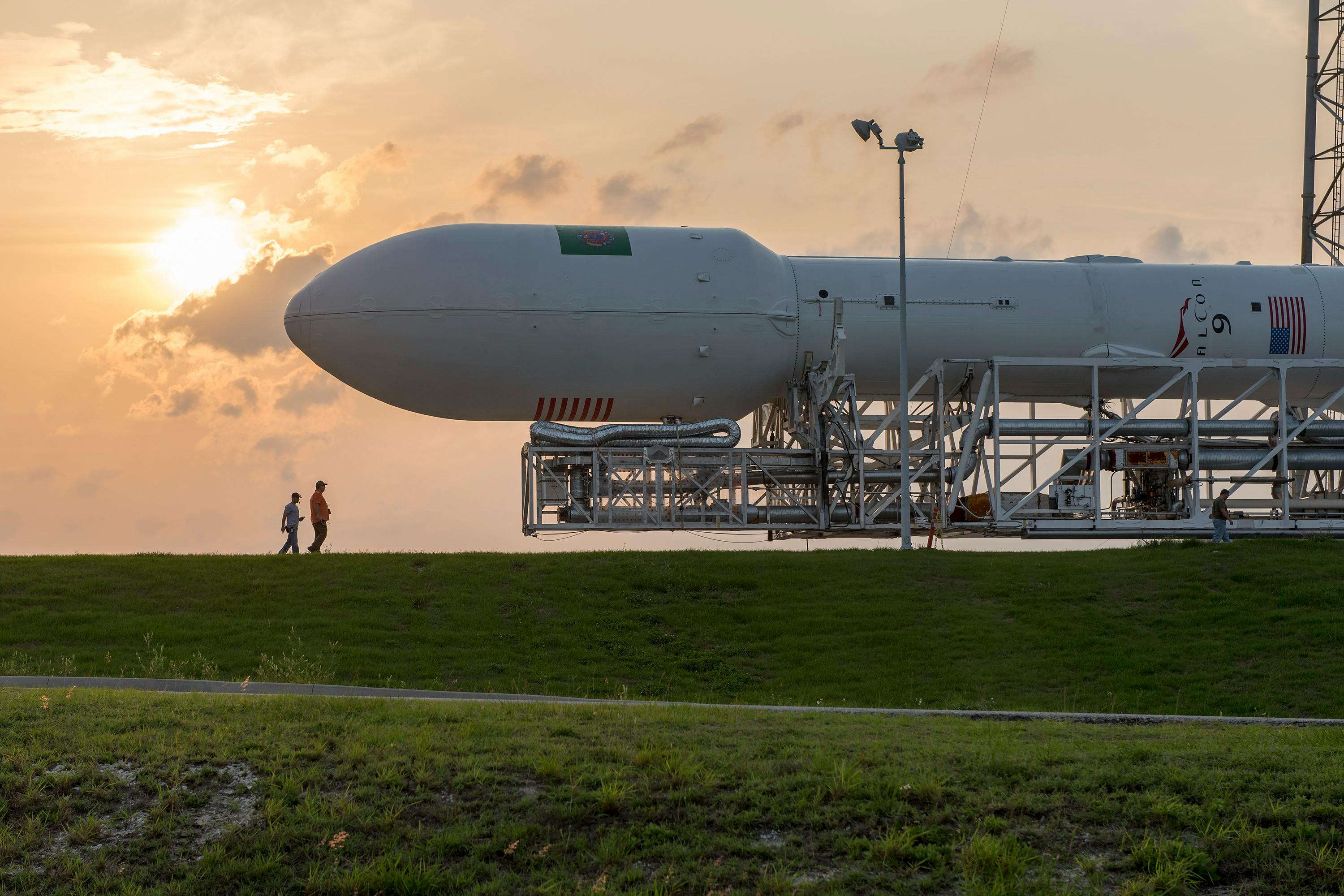
Key developments include the launch of Starshield satellites for the NRO and updates on Starlink launches and NASA access concerns involving Elon Musk's team.
SpaceX's Falcon 9 delivered Northrop Grumman's second Cygnus XL — carrying over 5 tons of cargo — to the ISS on April 11, 2026.
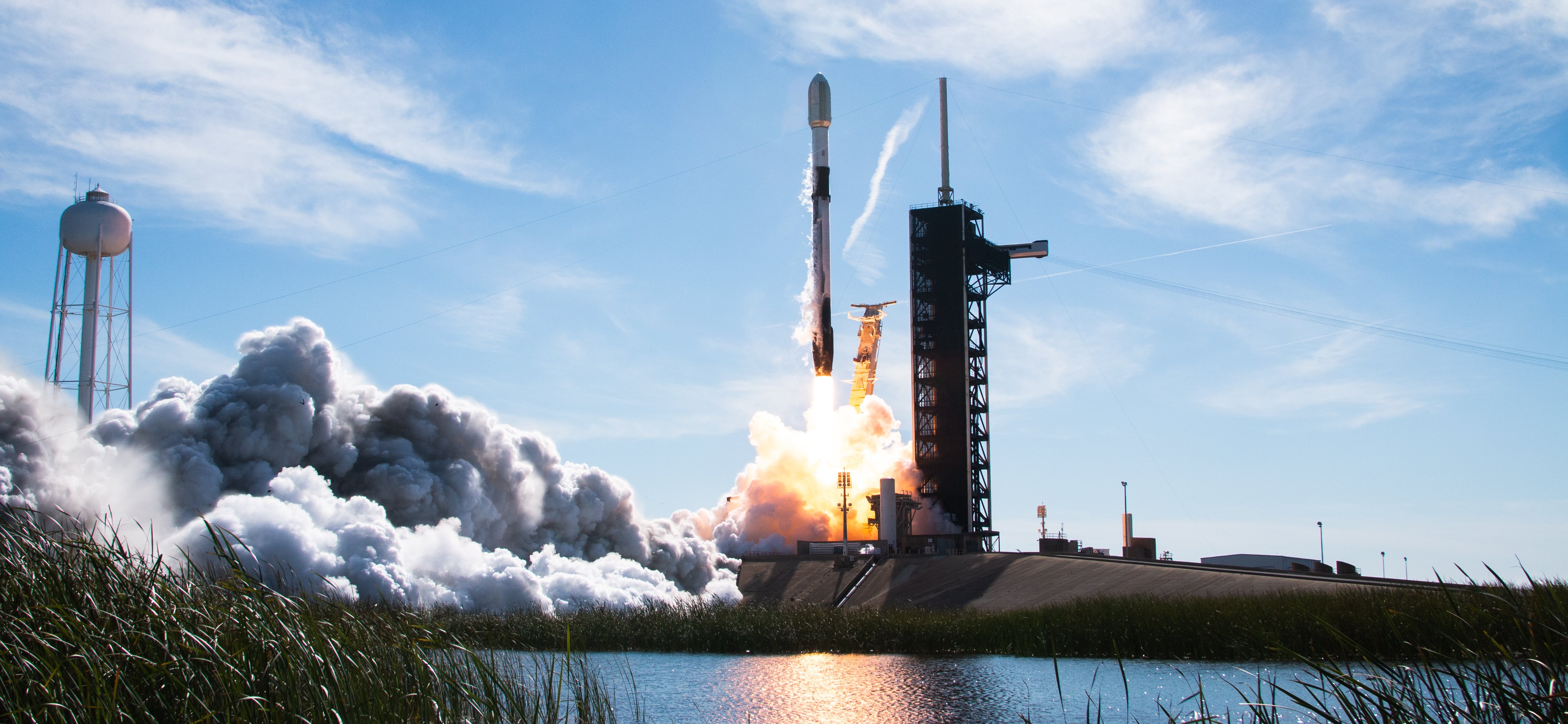
NASA's $4.3B Nancy Grace Roman Space Telescope arrived at Kennedy Space Center for 70 days of prelaunch processing ahead of its August 30 Falcon Heavy launch.

Today's brief covers significant advancements in national security space launches, ongoing rocket developments, and critical updates from the space industry.