

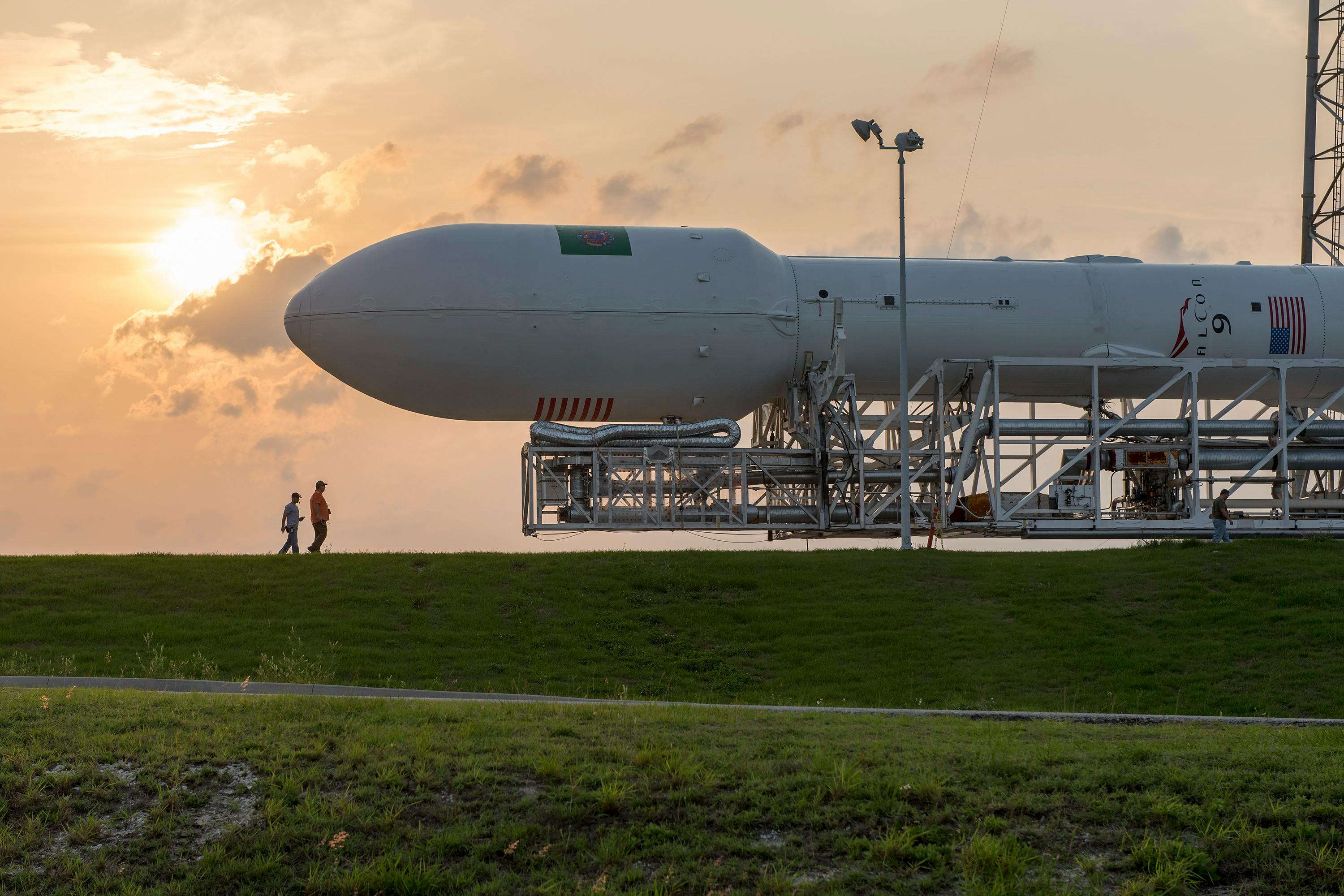
Falcon 9 Lofts 5-Ton Cygnus XL to ISS | KeepTrack X Report
SpaceX's Falcon 9 delivered Northrop Grumman's second Cygnus XL — carrying over 5 tons of cargo — to the ISS on April 11, 2026.


Launch Date
February 28, 2006
Launch Site
Launch Pad
LC200/39
Launch Vehicle
Proton-M/Briz-M
NORAD ID
28943
International Designator
2006-006A
Decay Date
3/24/2006
Name
ARABSAT-4A
Alternative Name
Arabsat 4A
Type
Status
Owner
EADSB/ARAB
Country
Germany
Constellation
N/A
Related Satellites
Major Events
N/A
Length
2.5
Diameter
2.9
Span
32
Dry Mass
1520
Launch Mass
3341
Shape
Box + 2 Pan + Dish
Radar Cross Section
6.9759
Visual Magnitude
Unknown
Color
Unknown
Material Composition
Unknown
Payload
Arabsat 4A
Purpose
Communication
Mission
Communication
Manufacturer
EADSB
Life Expectancy
15 years
Bus
Eurostar 2000+
Configuration
Eurostar-2000+
Motor
R-4D-11-300
Equipment
24 act. C-band transponders, 16 act. Ku-band transponders (#4A); 28 act. Ku-band transponders (#4B); 24 C-band transponders, 20 Ku-band transponders (#4C)
Power System
2 deployable solar arrays, batteries
ADCS
Unknown
Transmitter Frequency
Unknown
Learn more about satellites and other related topics.
SpaceX's Falcon 9 delivered Northrop Grumman's second Cygnus XL — carrying over 5 tons of cargo — to the ISS on April 11, 2026.
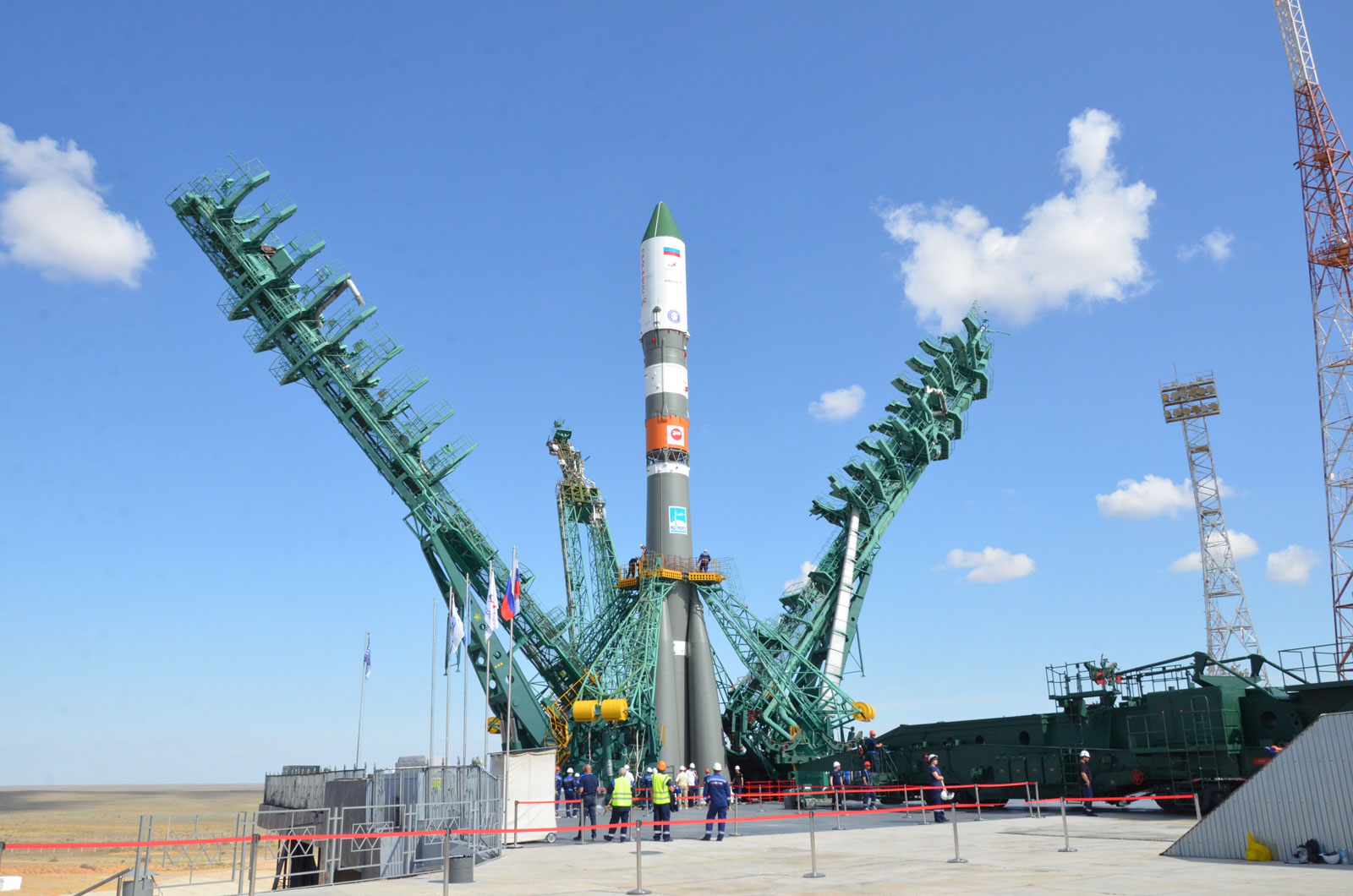
China's Tiangong space station completes crew rotation, Rocket Lab prepares for confidential launch, and Japan successfully launches military satellite with its H3 rocket.
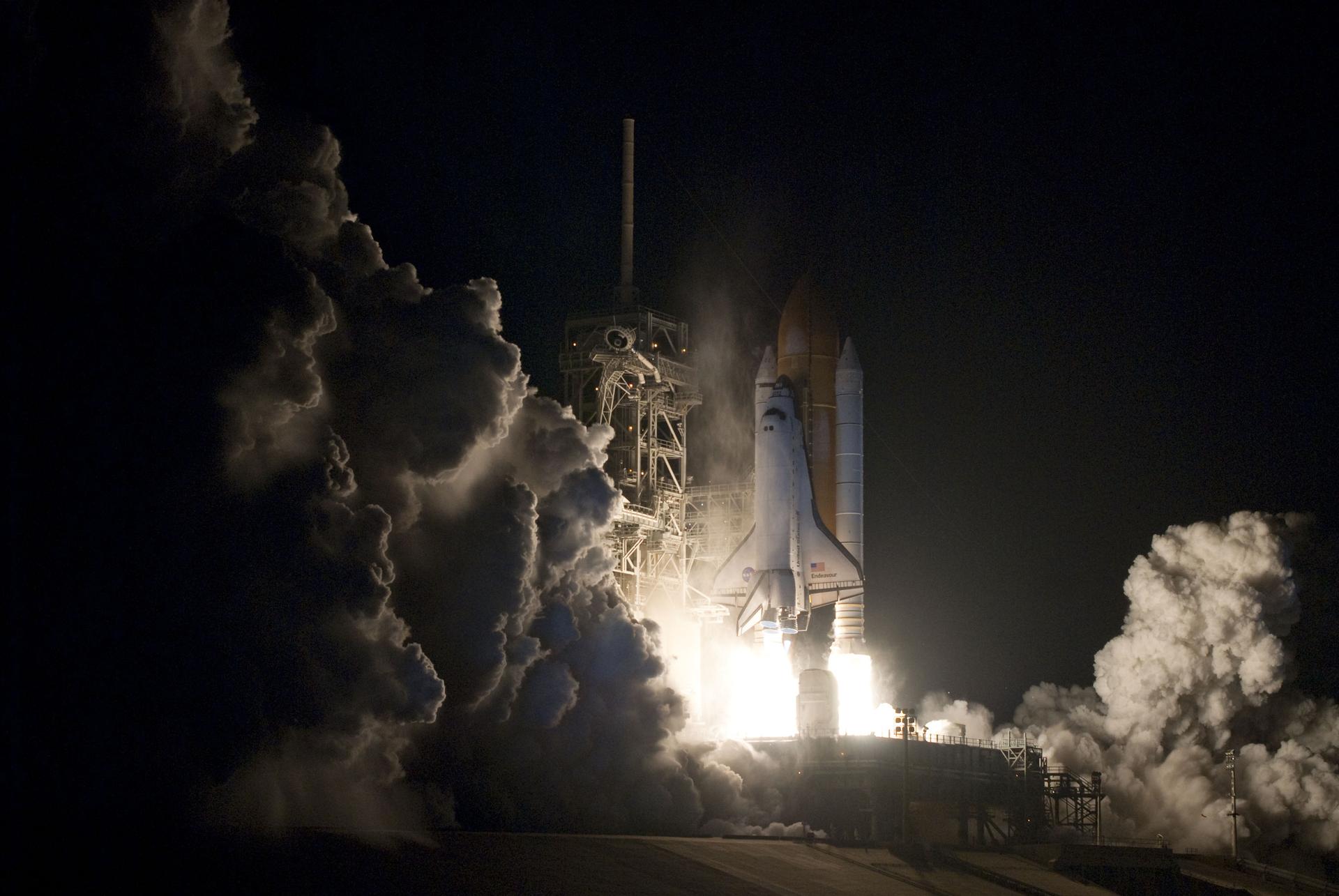
Fifteen years ago, Space Shuttle Endeavour launched on a mission that would give International Space Station astronauts their most spectacular view of Earth through the innovative Cupola observatory
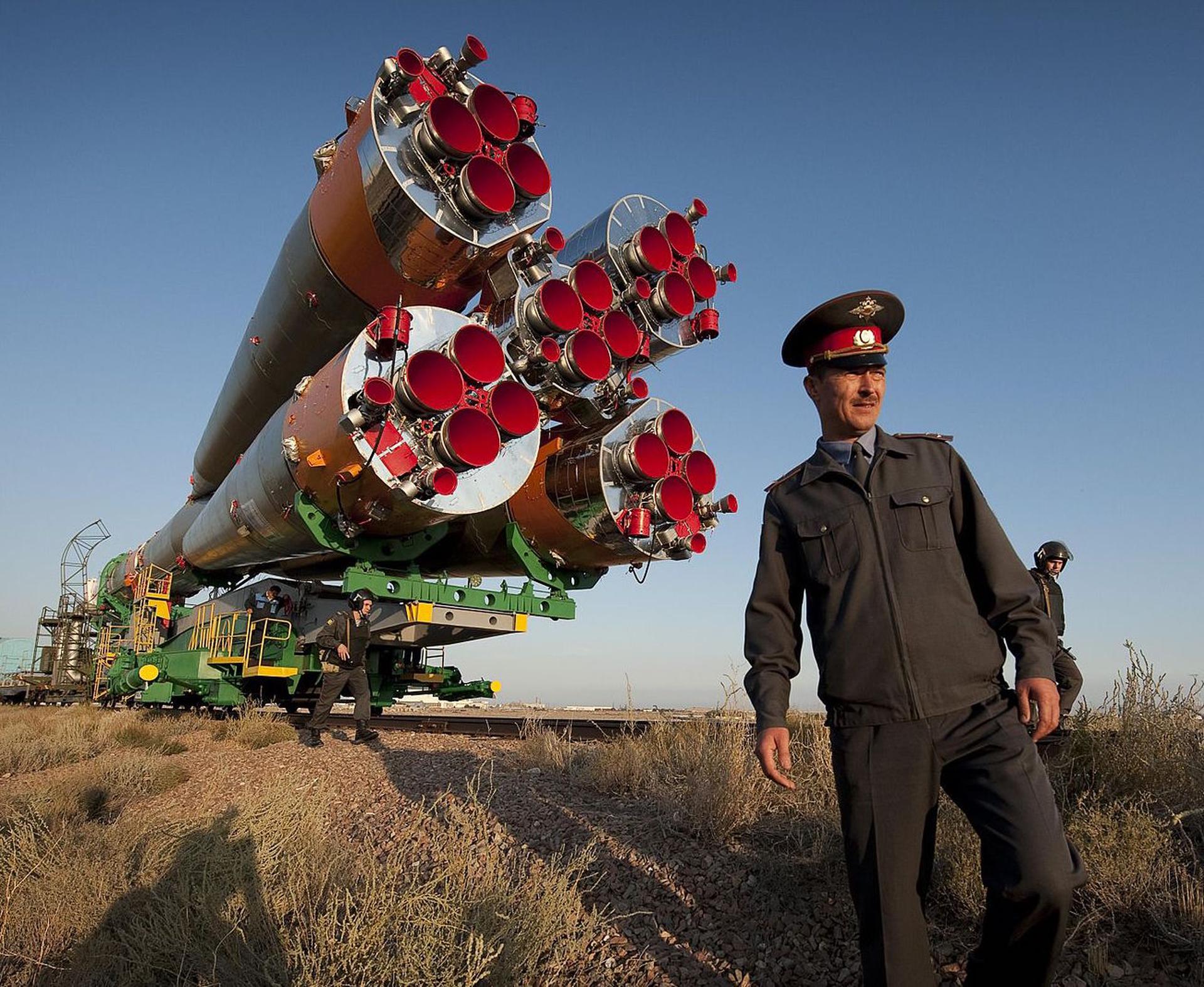
Today's Space Brief covers major upcoming launches from SpaceX, US military missile tests, and developments in Virgin Galactic's fleet expansion. Stay informed on key satellite events and launch updates.
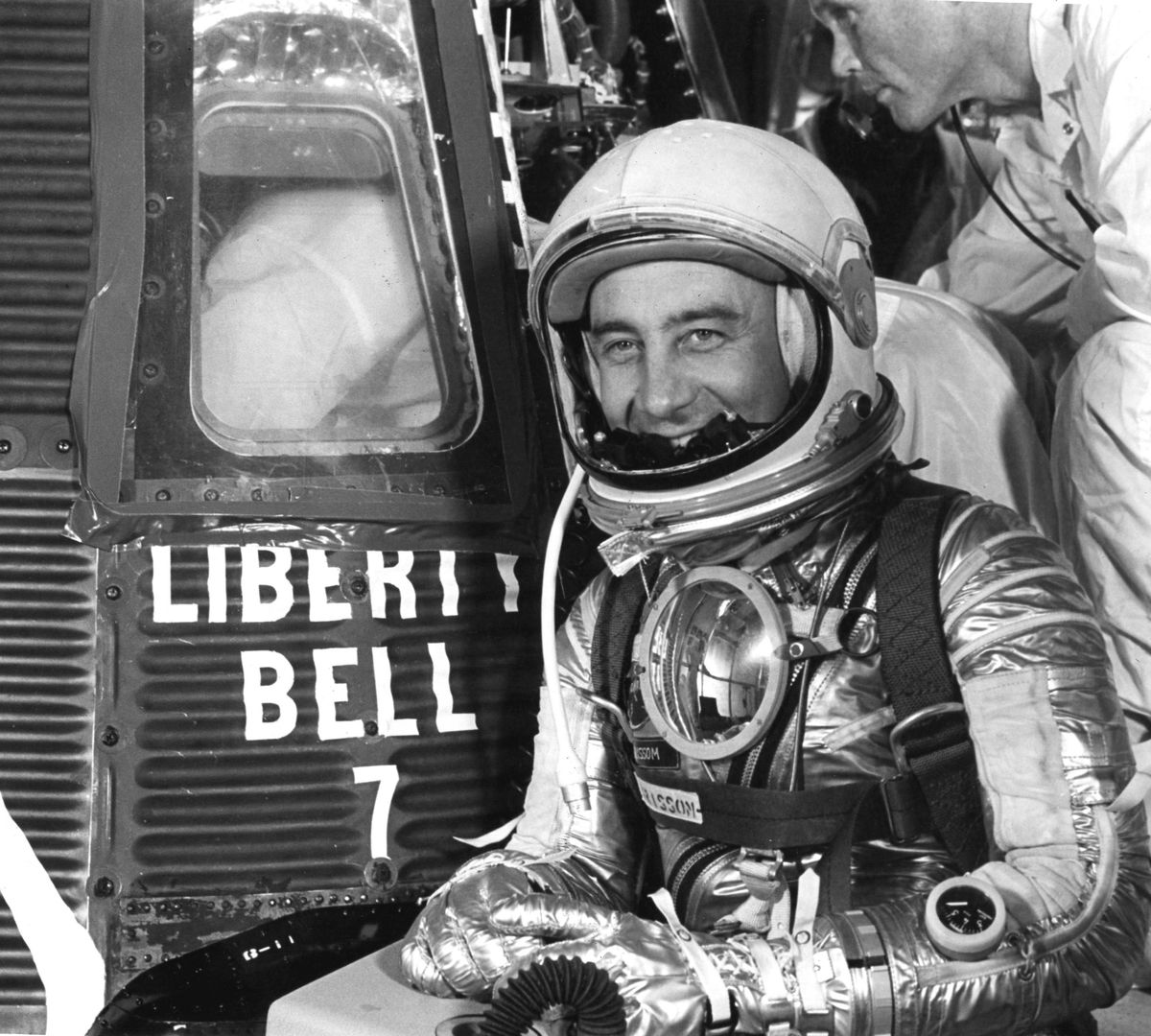
Sixty-four years ago, NASA made a decision that would shape the future of human spaceflight by selecting three astronauts to compete for America's first journey into space
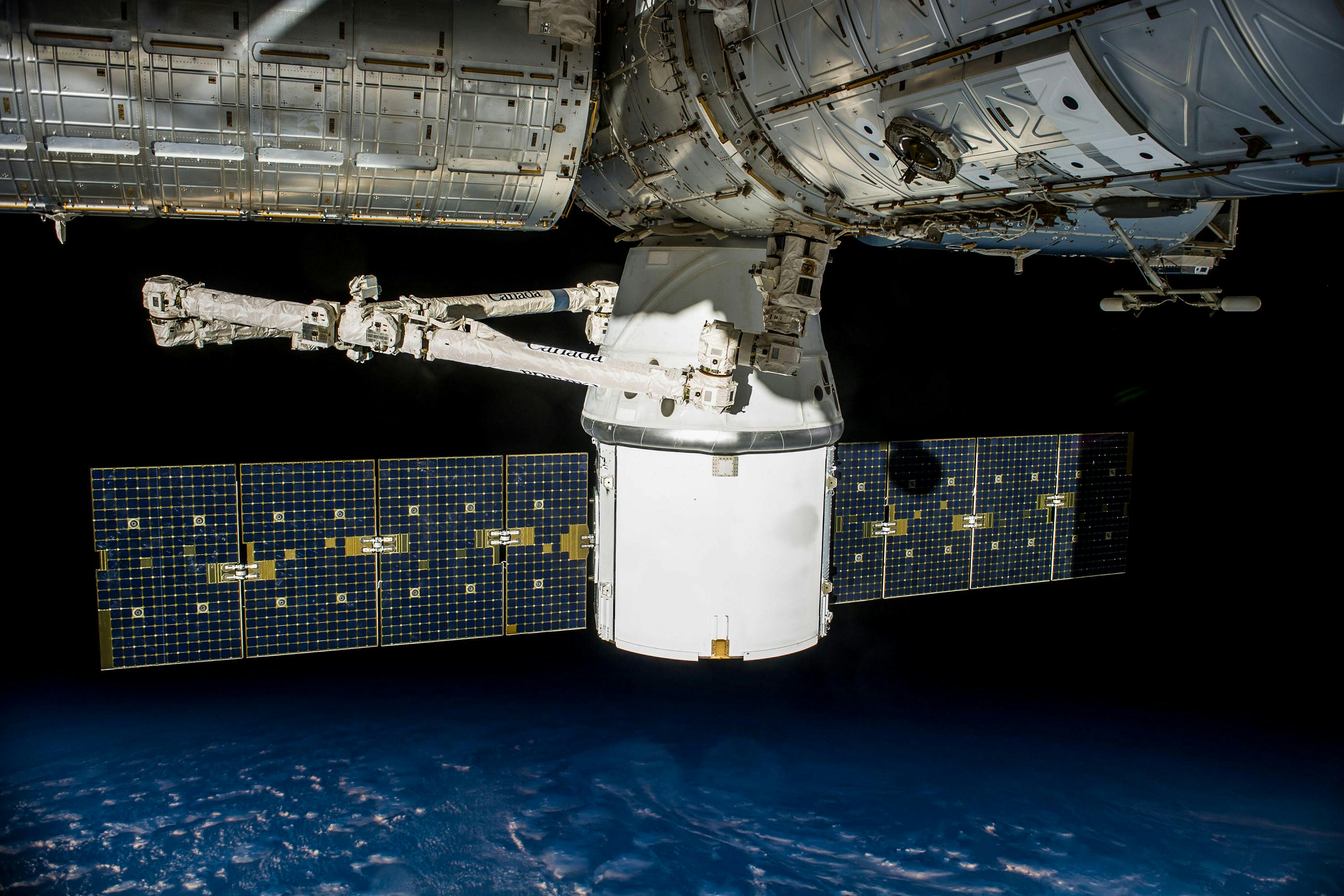
SpaceX makes significant strides with Starship Flight Test 10 approved and updates on the new Starbase pad design.

SpaceX wins a $4.16B US Space Force contract for an airborne threat tracking satellite network. Starlink holds 10,413 satellites in orbit, 10,397 working.

Today's highlights include ExoMars' successful parachute test, developments in military satellite systems, and leadership changes at NASA Goddard.