

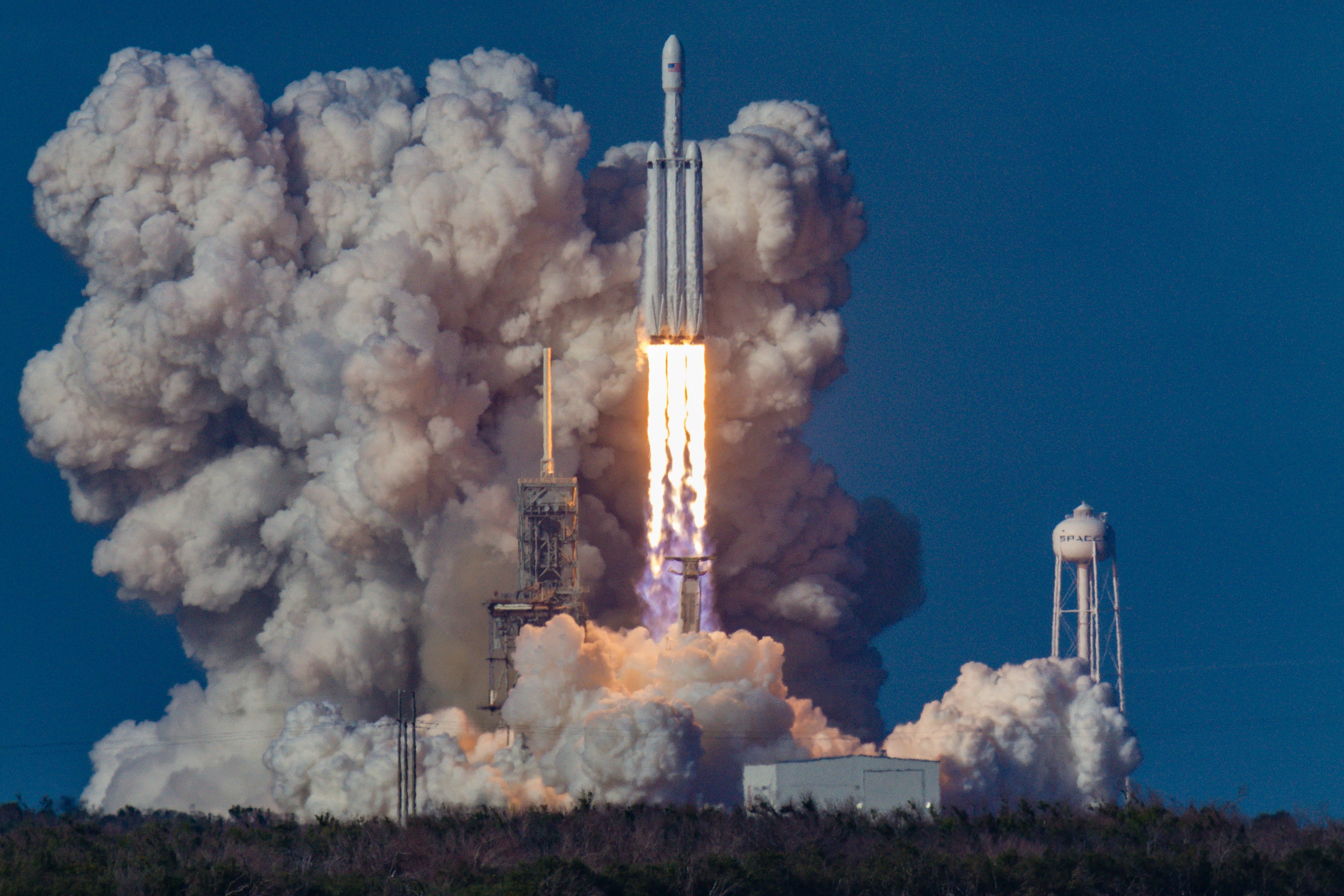
Falcon Heavy Returns After 18-Month Hiatus, Lofts ViaSat-3 F3 | KeepTrack X Report
Falcon Heavy completed its 12th flight ever on April 29, ending an 18-month stand-down by lofting the 6-ton ViaSat-3 F3 comsat to GTO.


Launch Date
December 25, 2005
Launch Site
Launch Pad
LC81/24
Launch Vehicle
Proton-K/DM-2
NORAD ID
28921
International Designator
2005-050G
Decay Date
12/25/2005
Name
SL-12 R/B(1)
Alternative Name
Proton-K 410-11 Stage 3
Type
Status
Owner
KHRR
Country
Russia
Constellation
N/A
Related Satellites
Major Events
N/A
Length
6.5
Diameter
4.2
Span
6.5
Dry Mass
4185
Launch Mass
4185
Shape
Cyl
Radar Cross Section
30.697
Visual Magnitude
Unknown
Color
Unknown
Material Composition
Unknown
Payload
8S812
Purpose
Unknown
Mission
Unknown
Manufacturer
KHRR
Life Expectancy
Unknown
Bus
8S812
Configuration
Unknown
Motor
Unknown
Equipment
Unknown
Power System
Unknown
ADCS
Unknown
Transmitter Frequency
Unknown
Learn more about satellites and other related topics.
Falcon Heavy completed its 12th flight ever on April 29, ending an 18-month stand-down by lofting the 6-ton ViaSat-3 F3 comsat to GTO.
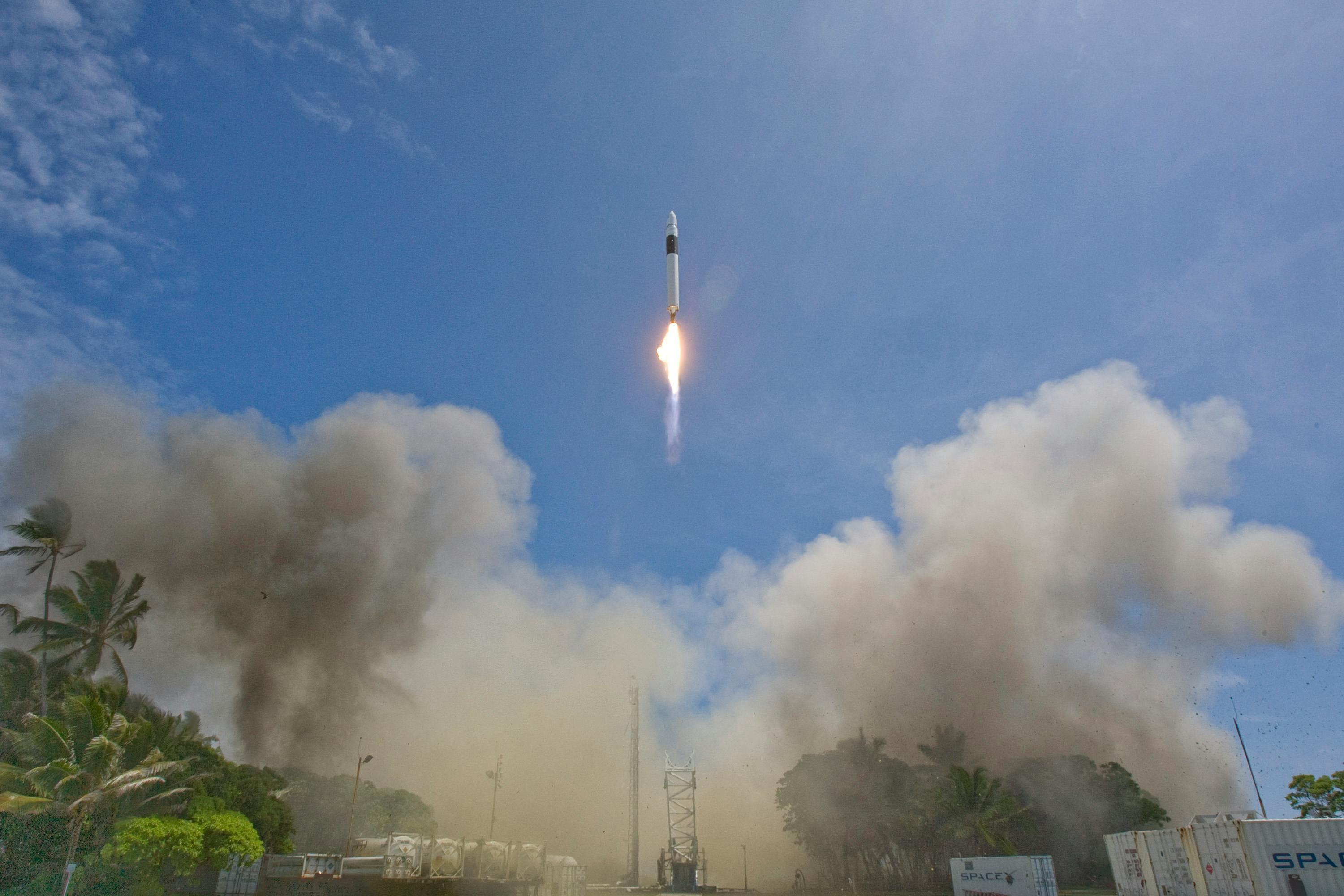
Today's brief highlights the successful launch of 29 Starlink satellites, progress on the Starship fleet, and ongoing adjustments in SpaceX's launch schedules.

Today's briefing covers new satellite projects, military tech advancements, and insights into missile defense strategies. Discover partnerships in satellite design and exciting developments in space military technology.
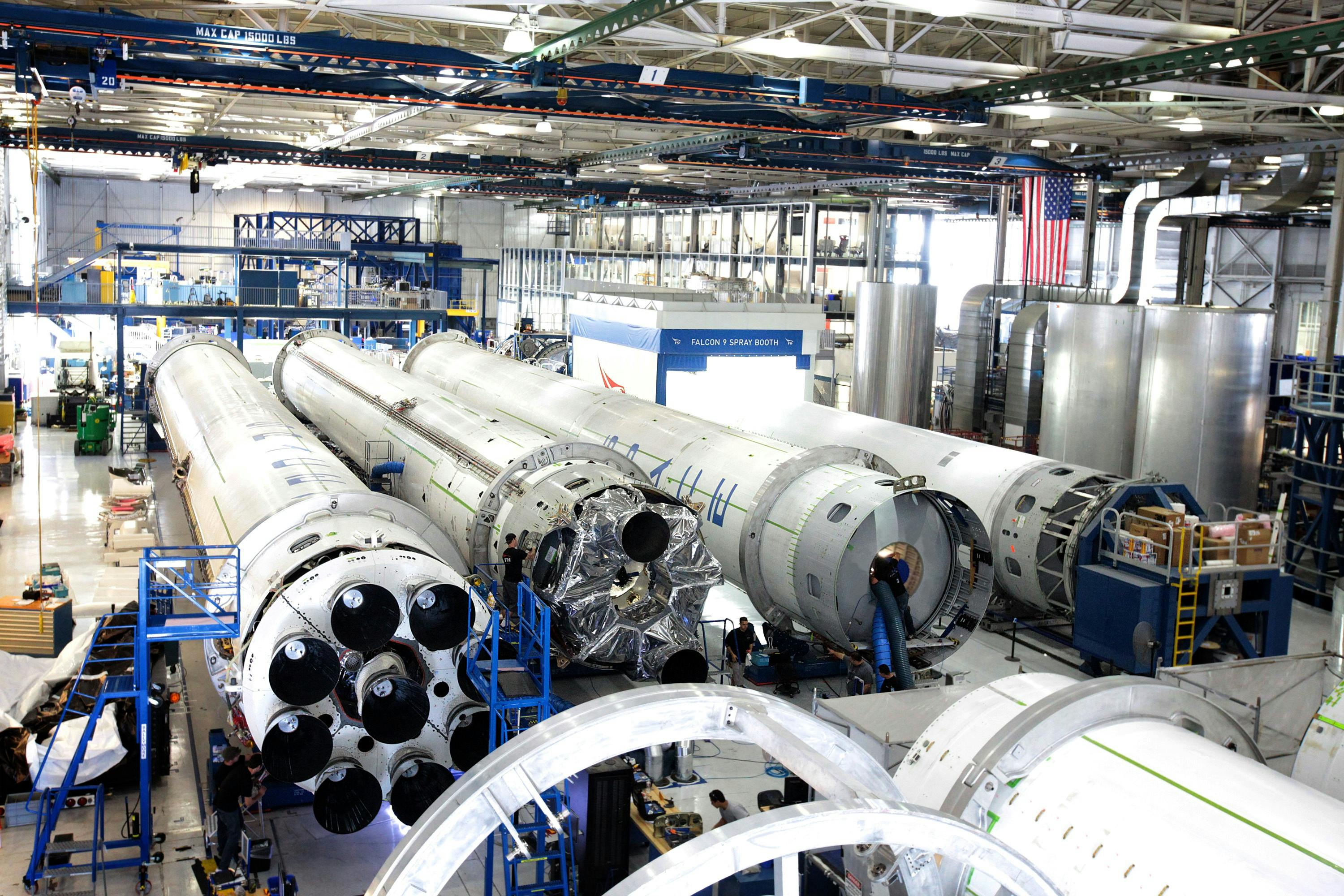
SpaceX prepares for a record-setting launch of Starlink satellites, while Iridium faces challenges against SpaceX's expanding services.

SpaceX prepares for another Starlink launch from Florida, while recent Starship incident raises environmental concerns.
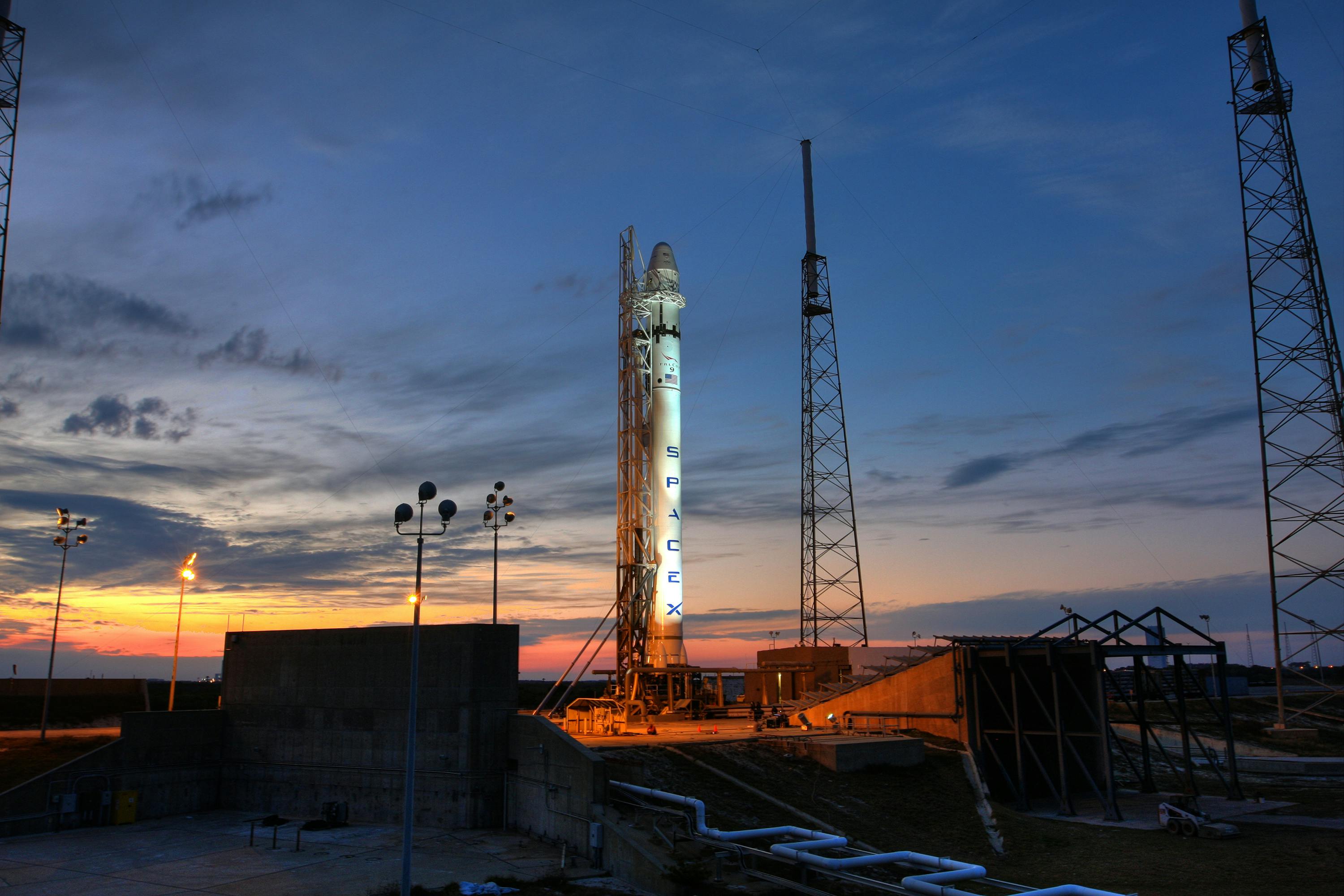
Booster B1067 sets a new Falcon 9 reuse record on its 36th flight, lifting Starlink 10-42 from Cape Canaveral at 5:25 a.m. EDT.
SpaceX continues its rapid launch cadence by deploying 28 Starlink satellites while expanding its service with collaborations such as United Airlines and Entel in Chile.
U.S. Space Force increased Andromeda contract ceiling to $6.2 billion for next-generation space situational awareness satellites replacing GSSAP and SILENTBARKER programs.