

X Report 8 Nov 2024
SpaceX makes strides with Starship testing while Starlink faces mounting competition as Viasat eyes Telesat's LEO capacity.



Launch Date
July 25, 1967
Launch Site
AFWTR
Launch Pad
SLC2W
Launch Vehicle
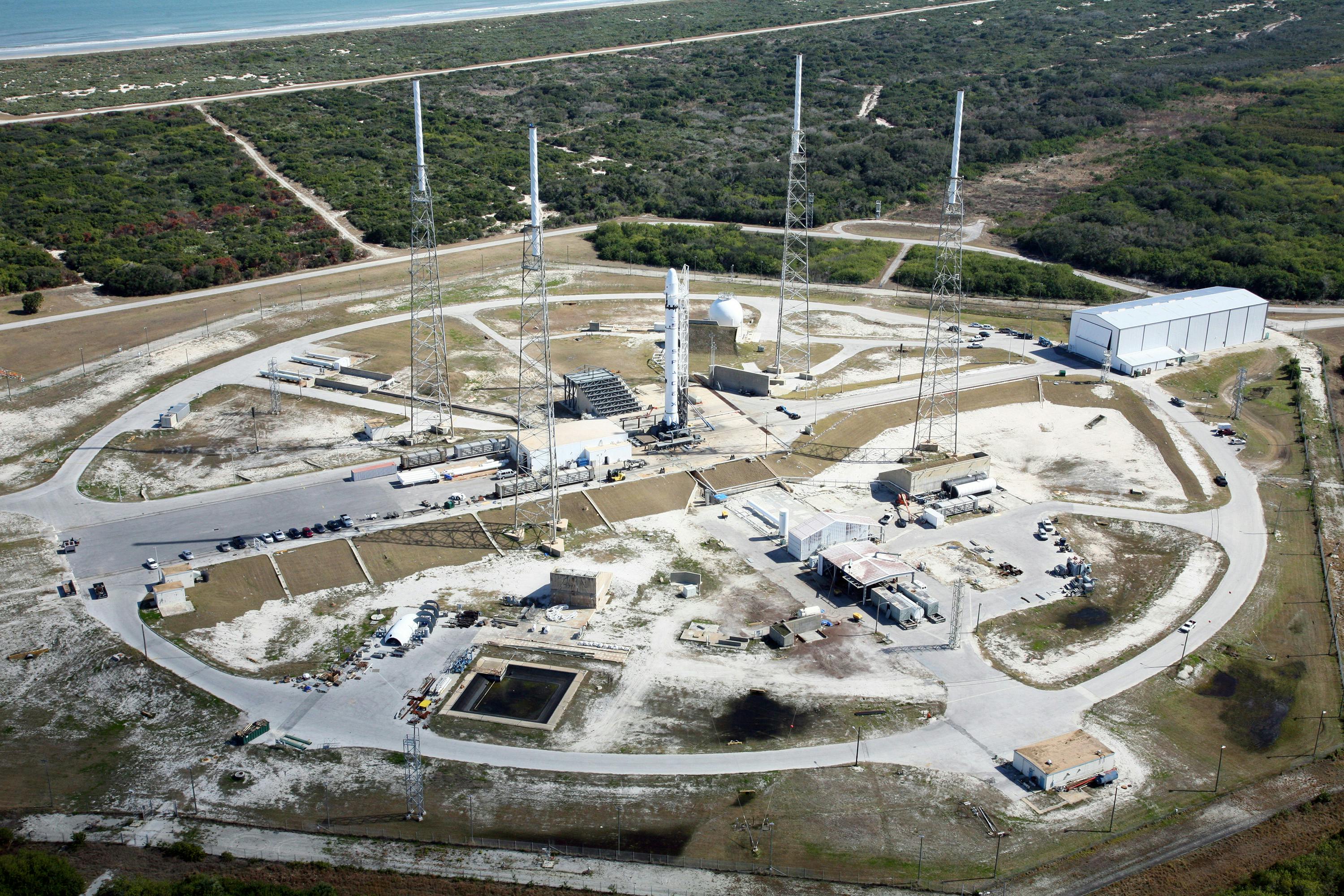
Thor SLV-2A Agena D
NORAD ID
02892
International Designator
1967-071C
Decay Date
10/16/1967
Name
OPS 1879 DEB
Alternative Name
OPS 1879 sensor cover
Type
Status
Owner
SAMSO
Country
United States
Constellation
N/A
Related Satellites
Major Events
N/A
Length
0
Diameter
0
Span
0
Dry Mass
0
Launch Mass
0
Shape
N/A
Radar Cross Section
Unknown
Visual Magnitude
Unknown
Color
Unknown
Material Composition
Unknown
Payload
Unknown
Purpose
Unknown
Mission
Unknown
Manufacturer
Unknown
Life Expectancy
Unknown
Bus
Unknown
Configuration
Unknown
Motor
Unknown
Equipment
Unknown
Power System
Unknown
ADCS
Unknown
Transmitter Frequency
Unknown
Learn more about satellites and other related topics.
SpaceX makes strides with Starship testing while Starlink faces mounting competition as Viasat eyes Telesat's LEO capacity.

Starbase expansion progresses and Germany eyes its own satellite constellation.

SpaceX successfully launched the Transporter-14 mission, adding multiple payloads, including Canadian satellites and a memorial capsule, while Starlink expands its services in Vietnam and enhances T-Mobile's reach.
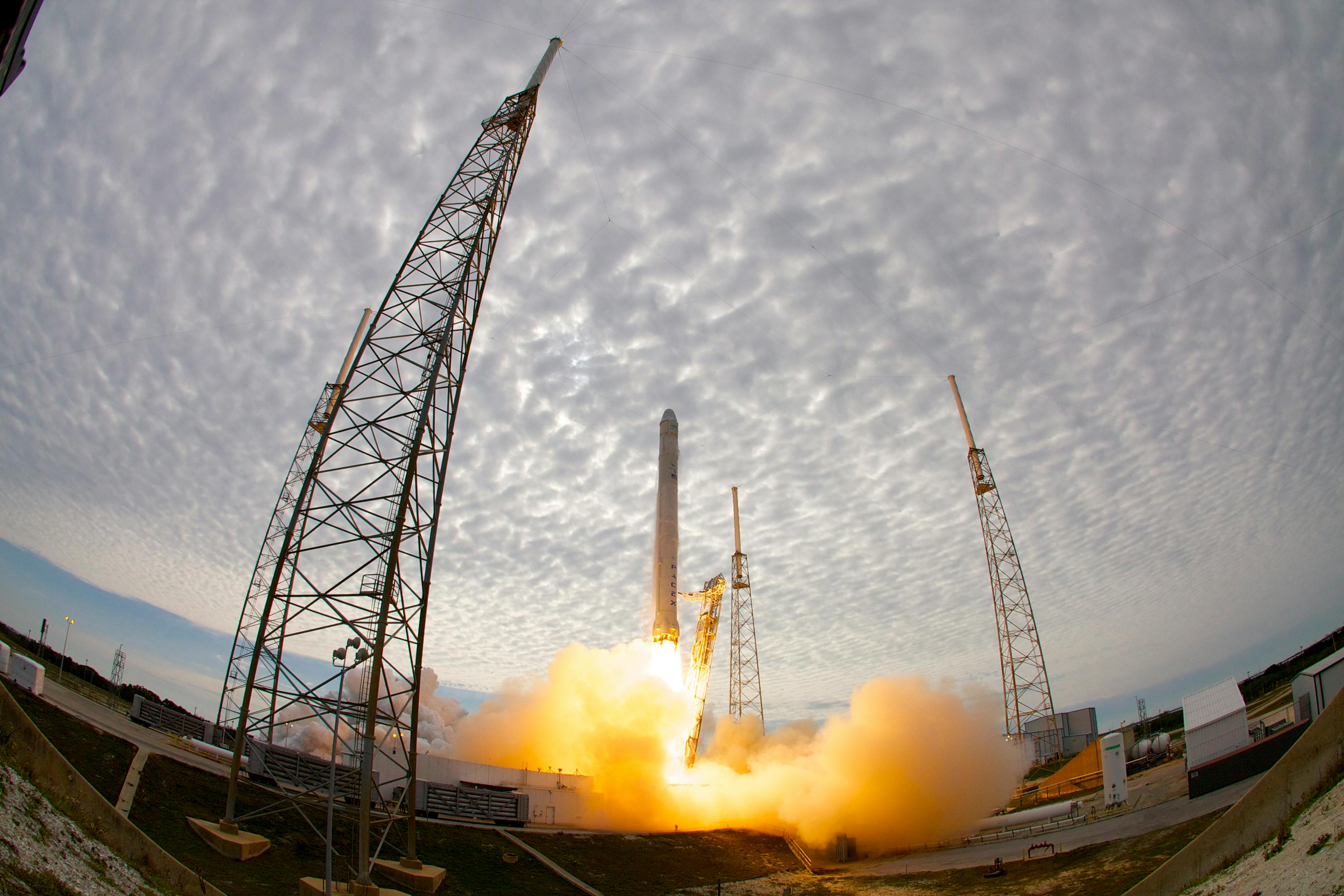
SpaceX's first Starship V3 launches May 20 on Flight 12, as Starlink's 10,354 active sats force a historic carrier alliance.
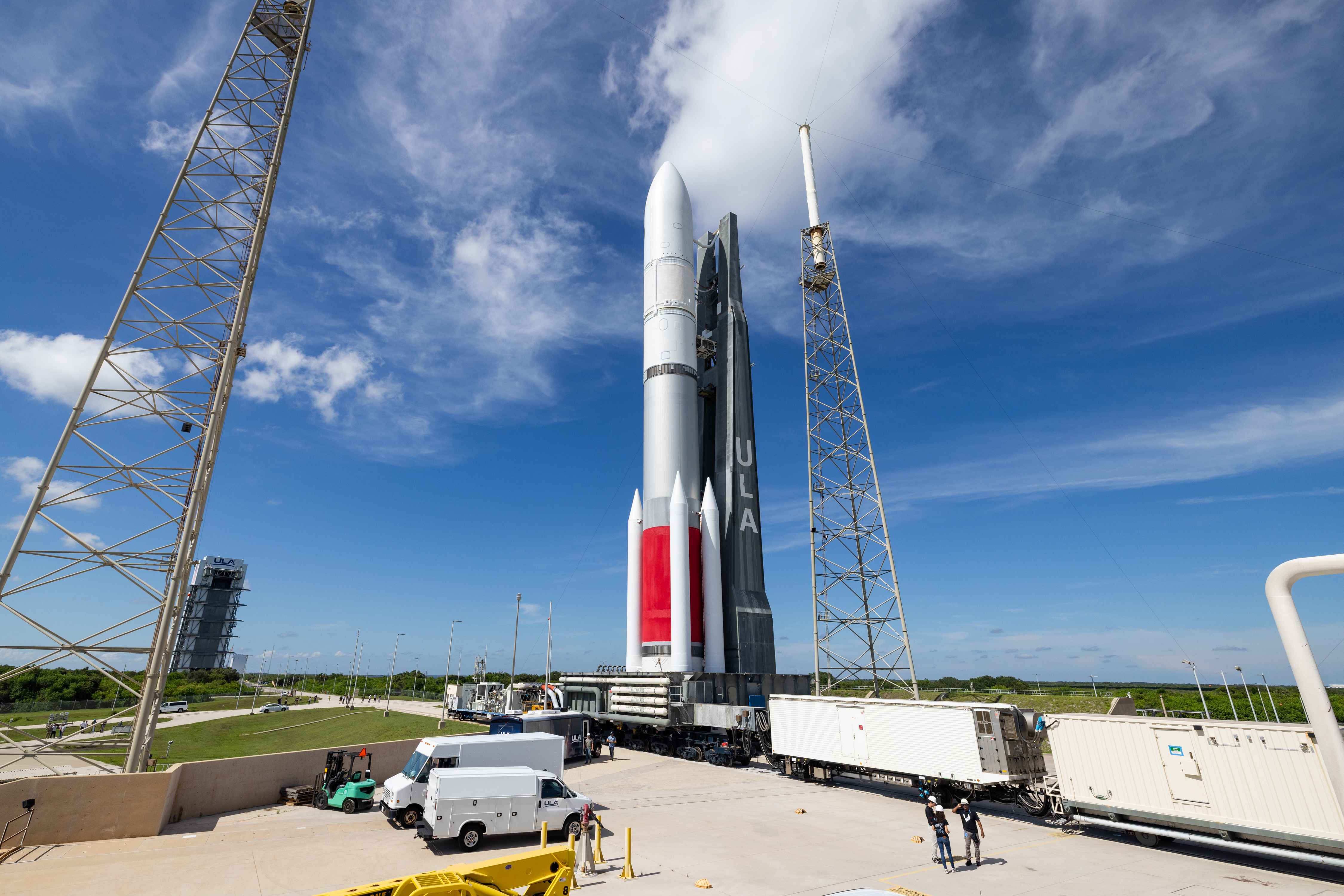
Senate clears $839B defense spending bill ensuring Pentagon space domain funding. L3Harris reaffirms space sector commitment amid Golden Dome expansion. York Space raises $629M in public offering.
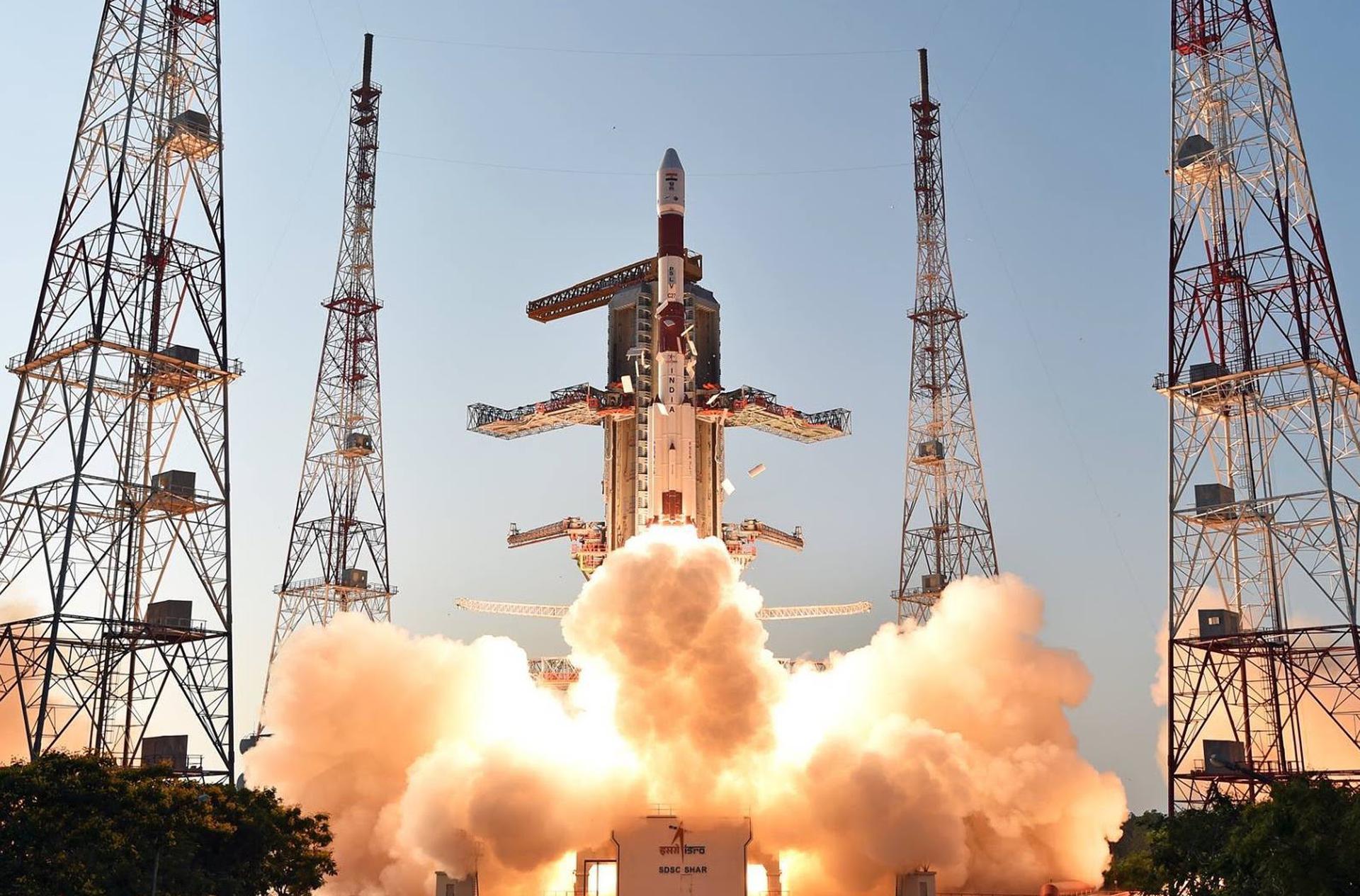
Highlighting ExLabs' Space Force contract, Starlink advances, and developments in orbital communication tech.
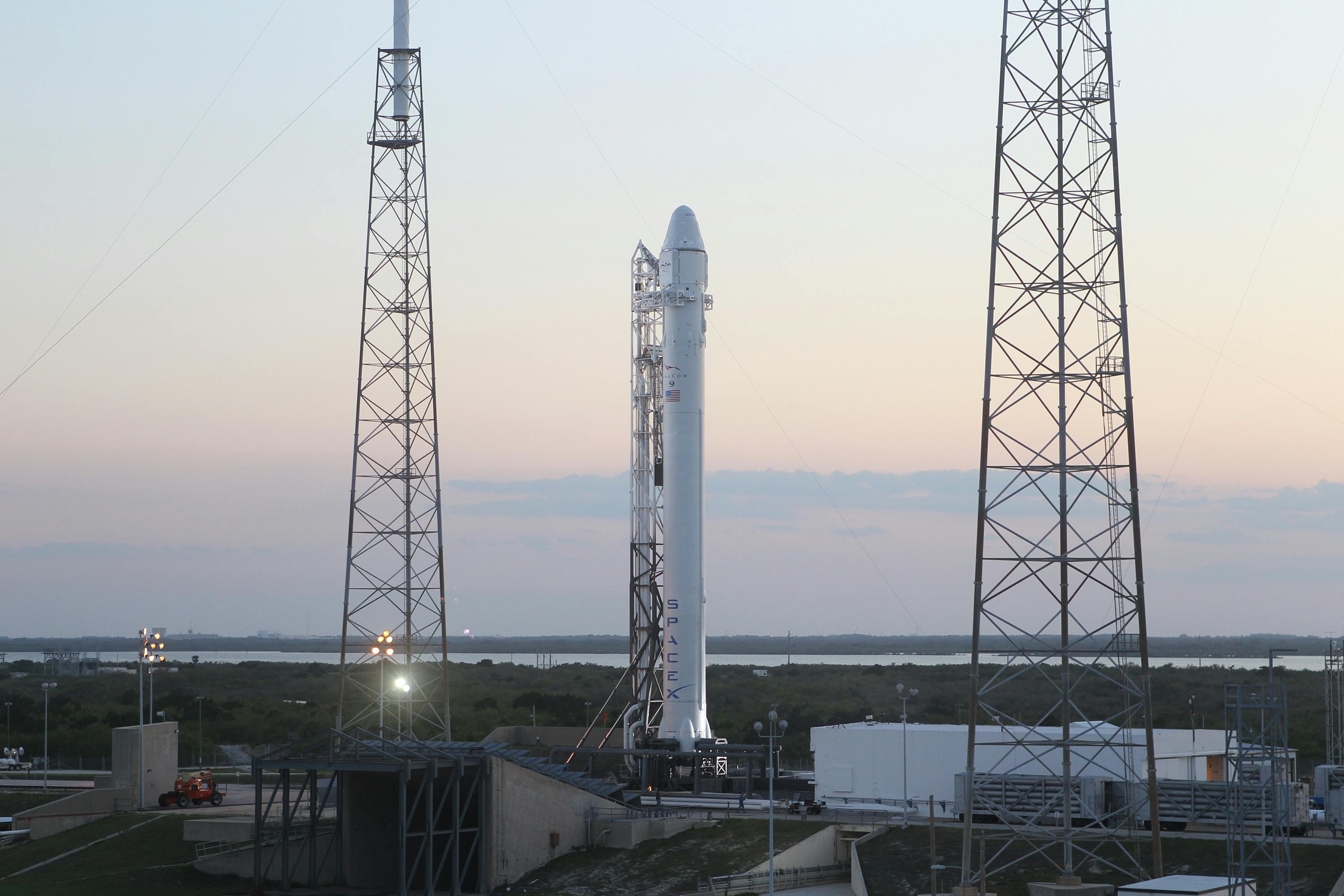
SpaceX continues to expand its Starlink network with multiple launches and gains momentum in international markets, while revisiting launch tariffs and new regulations.

Explore the latest developments in international defense collaborations, aerospace advancements, and emerging military trends shaping our orbital environments.