


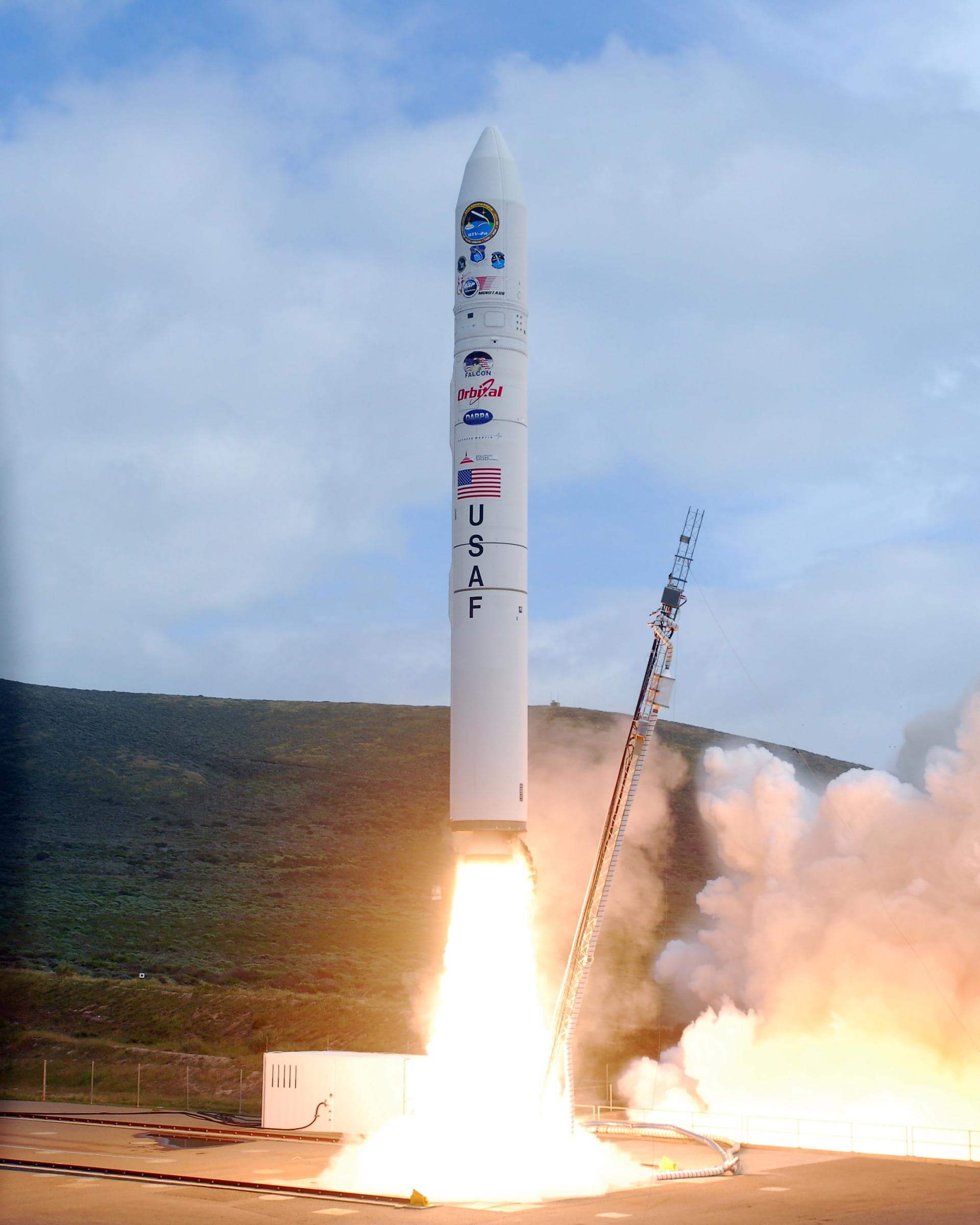
Space Brief 22 May 2025
Today's brief covers strategic alignments in U.S. military space operations, a landmark missile defense program, and advances in secure satellite communications.


![COSMOS 2418 [GLONASS-M] Satellite Image](/images/sat/28916.jpg)
Launch Date
December 25, 2005
Launch Site
Launch Pad
LC81/24
Launch Vehicle
Proton-K/DM-2
NORAD ID
28916
International Designator
2005-050B
Epoch
Sat, 27 Jun 2026 23:03:03 GMT
Apogee
Calculating...
Perigee
Calculating...
Inclination
65.59°
Right Ascension
315.92°
Eccentricity
Calculating...
Argument of Perigee
280.05°
Period
675.72 min
Mean Motion
2.13 rev/day
Latitude
Calculating...
Longitude
Calculating...
Altitude
Calculating...
Velocity
Calculating...
Name
COSMOS 2418 [GLONASS-M]
Alternative Name
Kosmos-2419
Type
Status
Owner
KVR/IACG
Country
Russia
Constellation
N/A
Related Satellites
Major Events
N/A
1 28916U 05050B 26178.96046008 -.00000078 00000-0 00000-0 0 9999
2 28916 65.5858 315.9193 0010999 280.0546 76.8226 2.13106556159486
Source: Celestrak
Length
4
Diameter
1.5
Span
7.8
Dry Mass
1200
Launch Mass
1450
Shape
Cyl + Ant + 2 Pan
Radar Cross Section
3.9905
Visual Magnitude
Unknown
Color
Unknown
Material Composition
Unknown
Payload
Uragan-M No. 14L
Purpose
Navigation
Mission
Navigation
Manufacturer
NPOPMR
Life Expectancy
7 years
Bus
Uragan
Configuration
3-Axis stabilized Uragan-M bus
Motor
?
Equipment
?
Power System
2 deployable solar arrays, batteries
ADCS
Unknown
Transmitter Frequency
Unknown
Learn more about satellites and other related topics.
Today's brief covers strategic alignments in U.S. military space operations, a landmark missile defense program, and advances in secure satellite communications.

Today's Space Brief covers major developments including the public debut of Voyager Technologies, advancements in defense by Sierra Space, and Pentagon's mega-constellation challenges. Also featured are new software selections by the Space Force and legislative actions on acquisition pilots.
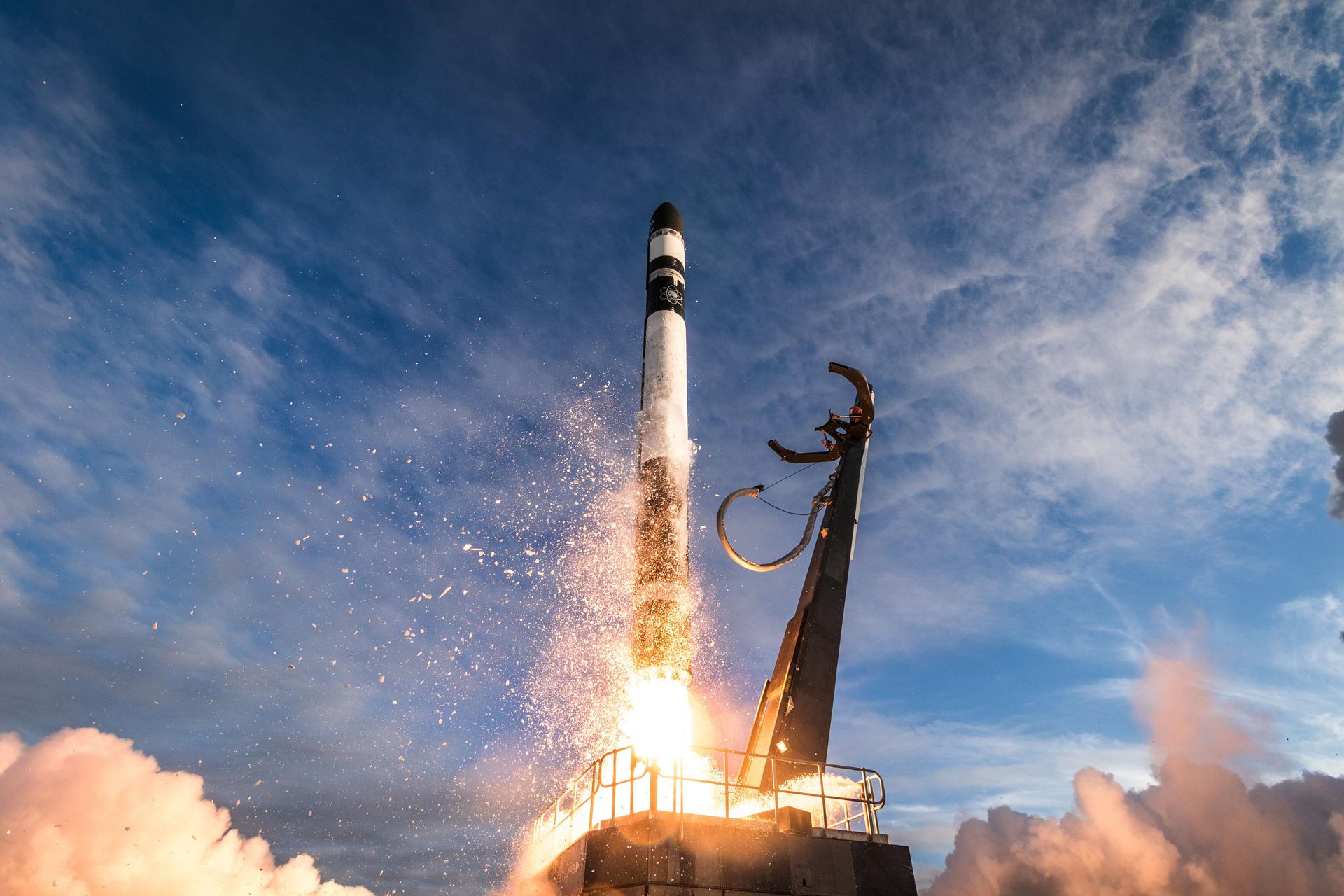
Key highlights on China's reusable rocket developments, U.S. military's Tranche 1 satellite launch, Space Force's weapons acquisition strategies, and more.
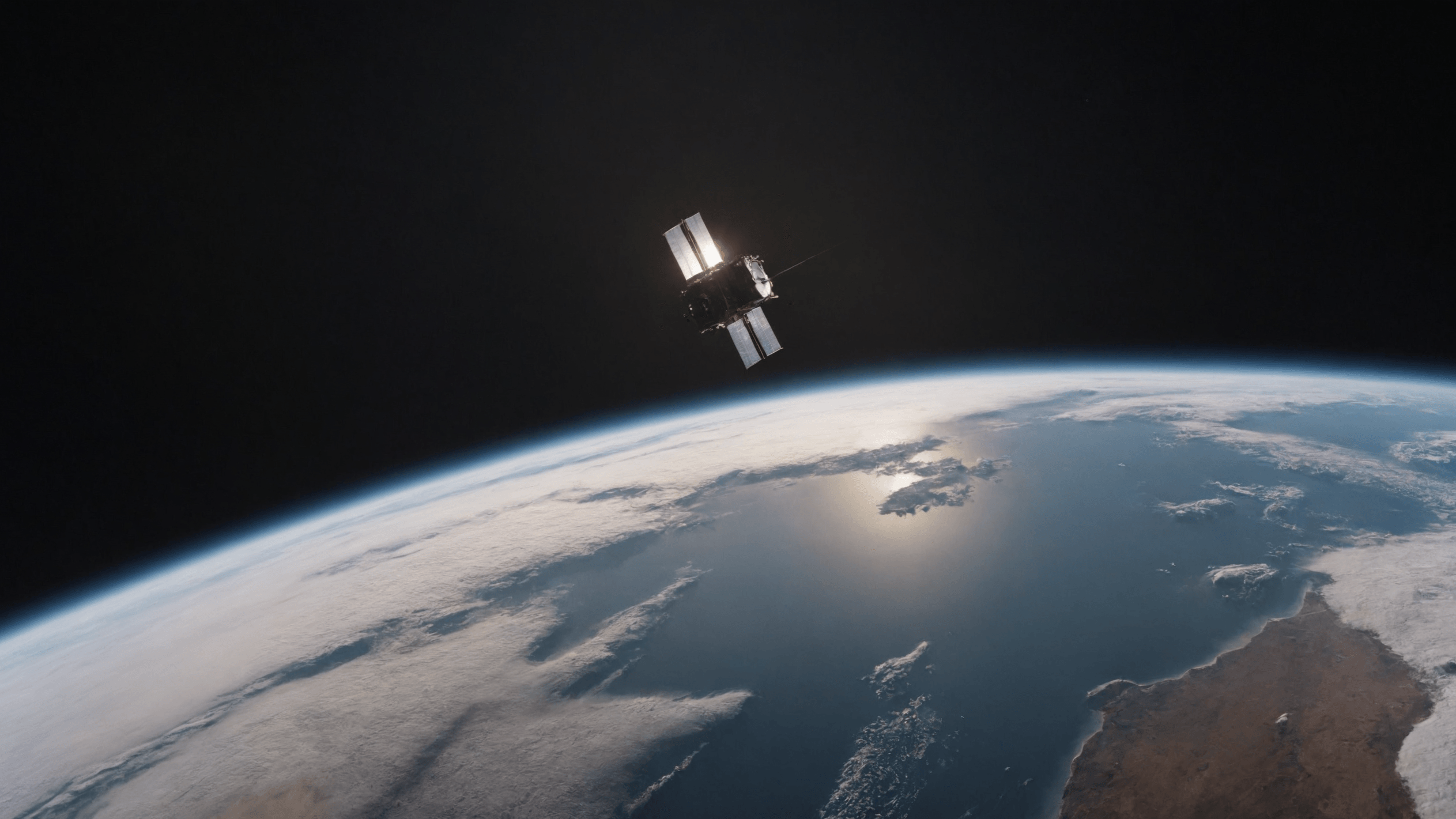
A Falcon 9 booster fails to land, increasing GPS and PNT significance for national security, and NASA's SLS mobile launch platform costs soar.
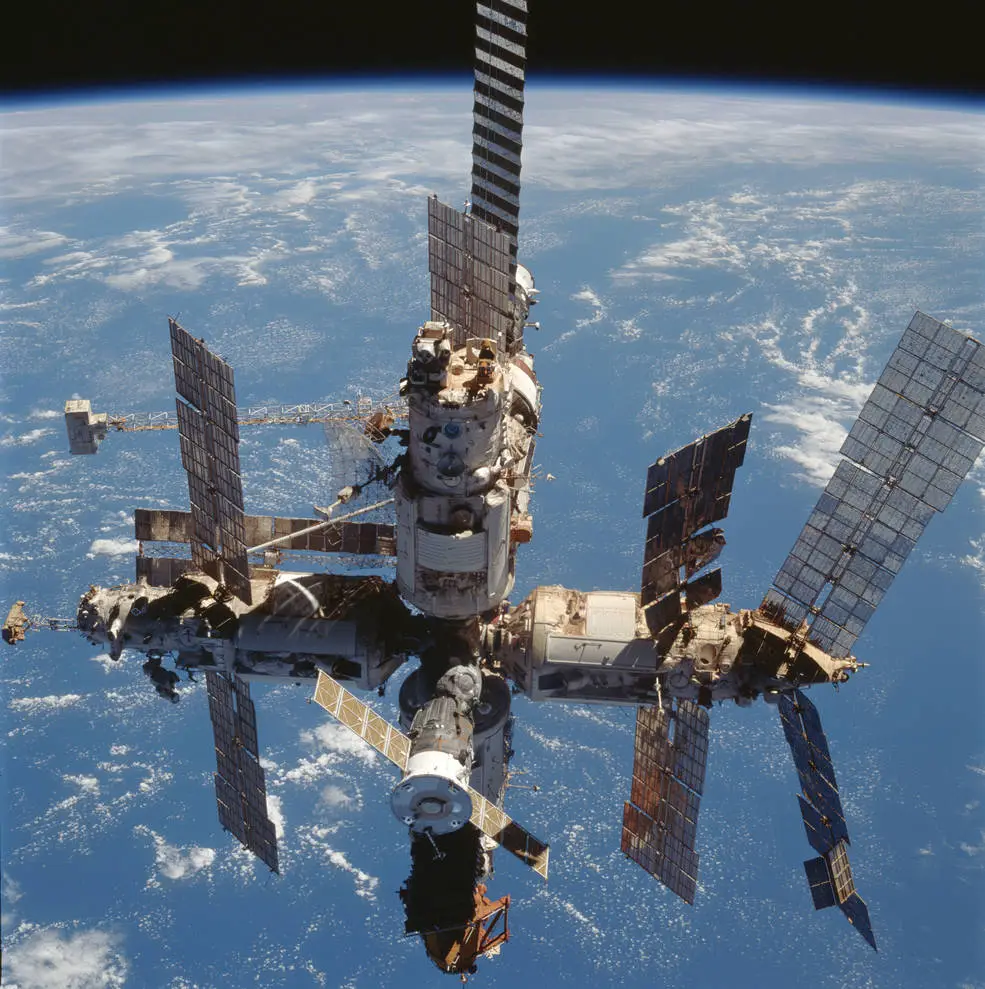
Thirty-nine years ago, a Proton rocket carried the core of the Mir space station into orbit, launching an unprecedented era of continuous human presence in space and international cooperation
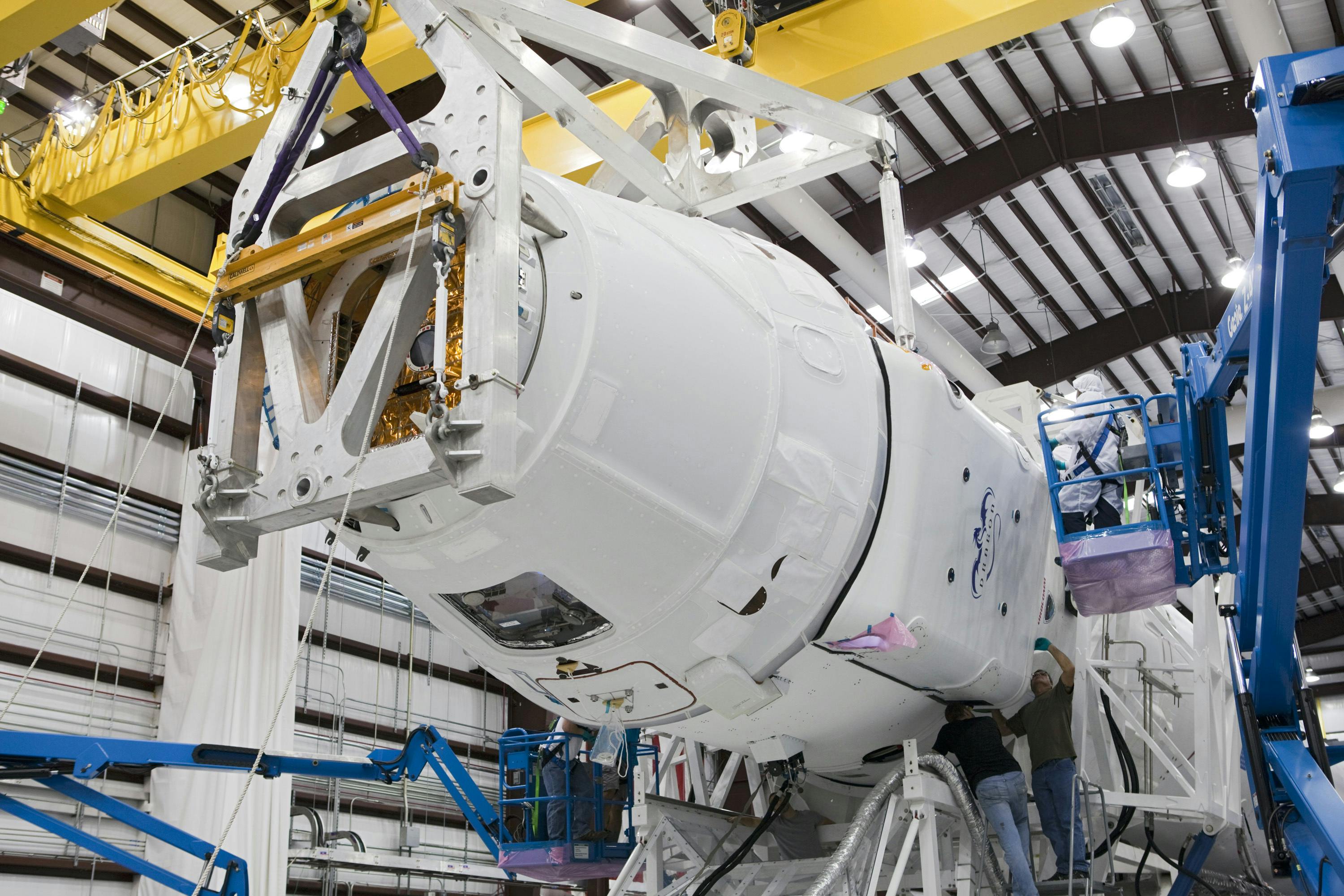
SpaceX marks a milestone with its 250th Starlink mission, continuing to expand its broadband satellite network.

Vandenberg Space Force Base opens a new launch site that may accommodate SpaceX's Starship. Meanwhile, Starlink continues to expand its service capabilities.
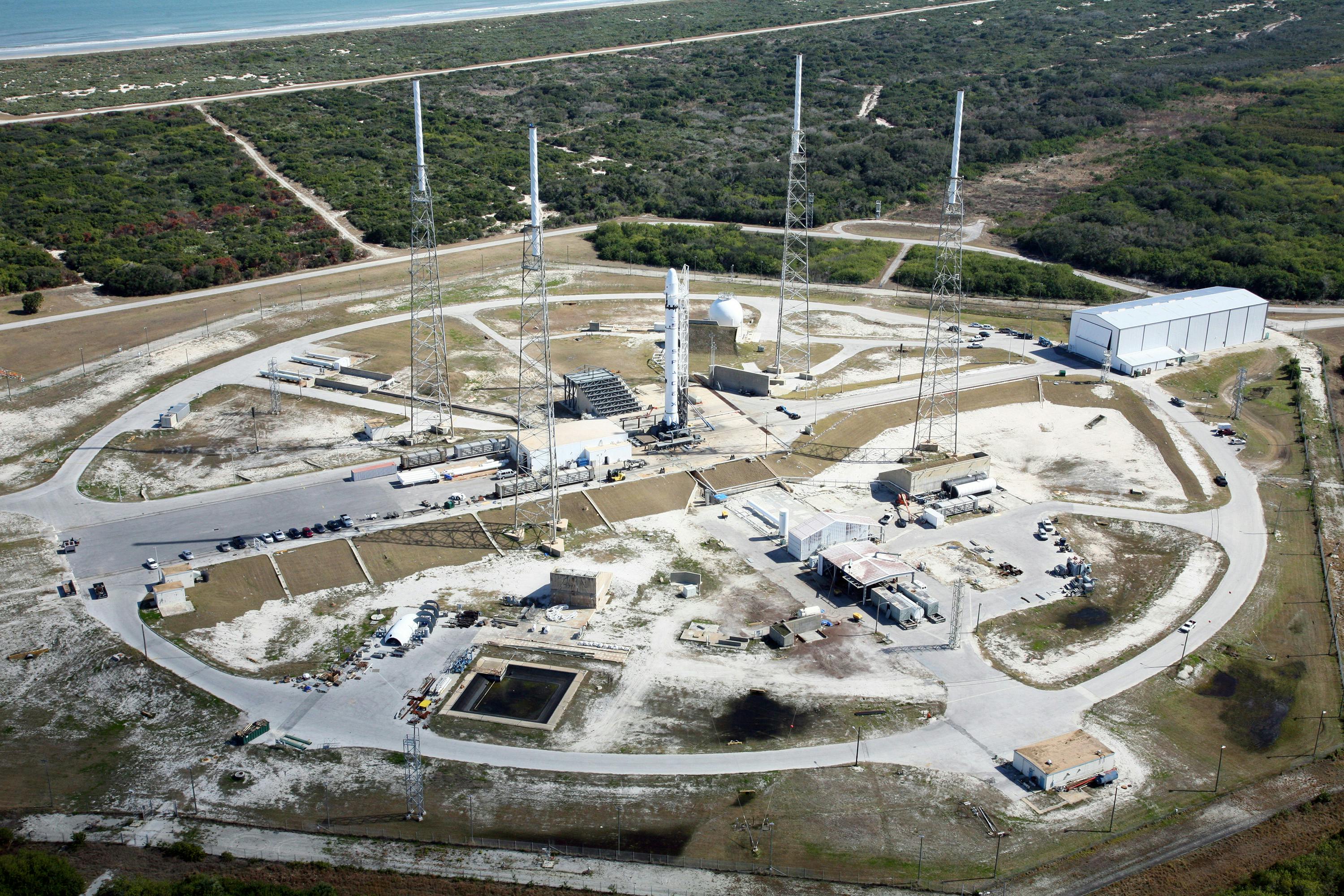
SpaceX makes strides with Starship testing while Starlink faces mounting competition as Viasat eyes Telesat's LEO capacity.