


SpaceX Wins $4.16B Space Force Contract, X Report 3 Jun 2026
SpaceX wins a $4.16 billion Space Force satellite contract to track airborne threats worldwide, while dual-pad launches add 53 Starlink satellites.


![ARIANE 5 DEB [SYLDA] Satellite Image](/images/sat/deb2.jpg)
Launch Date
November 16, 2005
Launch Site
FRGUI
Launch Pad
ELA3
Launch Vehicle
Ariane 5ECA
NORAD ID
28905
International Designator
2005-046D
Decay Date
5/3/2020
Name
ARIANE 5 DEB [SYLDA]
Alternative Name
Sylda 5 SY-17C
Type
Status
Owner
ESA
Country
European Space Agency
Constellation
N/A
Related Satellites
Major Events
N/A
Length
5.8
Diameter
4.5
Span
5.8
Dry Mass
440
Launch Mass
440
Shape
Cyl
Radar Cross Section
15.7114
Visual Magnitude
Unknown
Color
Unknown
Material Composition
Unknown
Payload
Sylda 5 No. 17C
Purpose
Unknown
Mission
Unknown
Manufacturer
EADSB
Life Expectancy
Unknown
Bus
SYLDA 5
Configuration
Unknown
Motor
Unknown
Equipment
Unknown
Power System
Unknown
ADCS
Unknown
Transmitter Frequency
Unknown
Learn more about satellites and other related topics.
SpaceX wins a $4.16 billion Space Force satellite contract to track airborne threats worldwide, while dual-pad launches add 53 Starlink satellites.
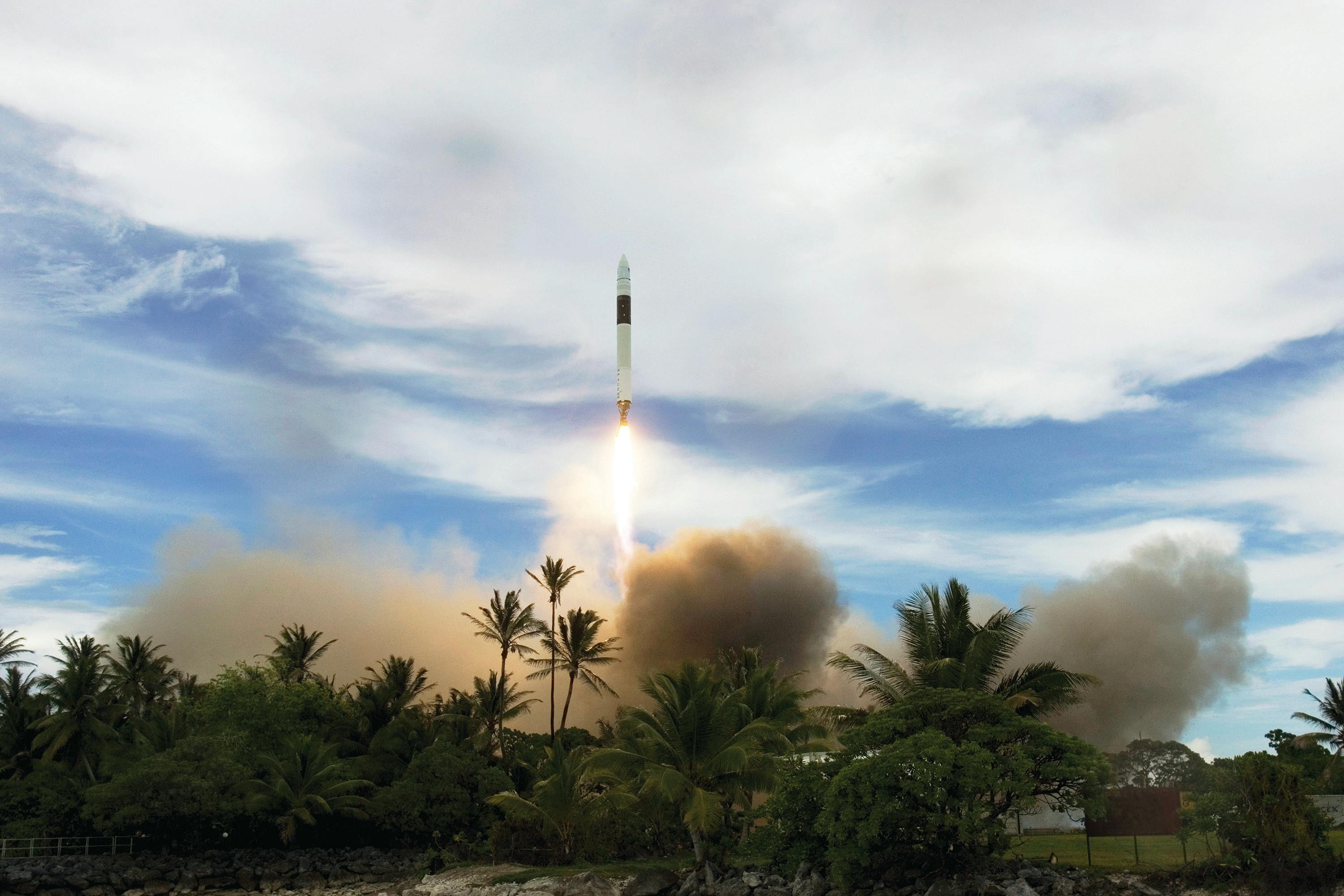
Starship transport barge identified for shipping components from Starbase to Kennedy Space Center. Starlink's 2025 report shows 4.6M new customers and expansion to 35 new regions.

Explore a comprehensive breakdown of satellite counts by country, detailing the USA, Russia, China, and others.

Today's briefing highlights the SDA's significant satellite award, Blue Origin's groundbreaking flight, and NASA's call for an Artemis review.

Today's highlights include a SpaceX launch of Starlink satellites, a pivotal delivery to the Space Force, and significant Senate funding for NASA missions.

NRO awards three commercial data contracts and explores vetting satellite firms for airborne target tracking via U.S. Space Force. Strategic expansion of GEOINT capabilities.
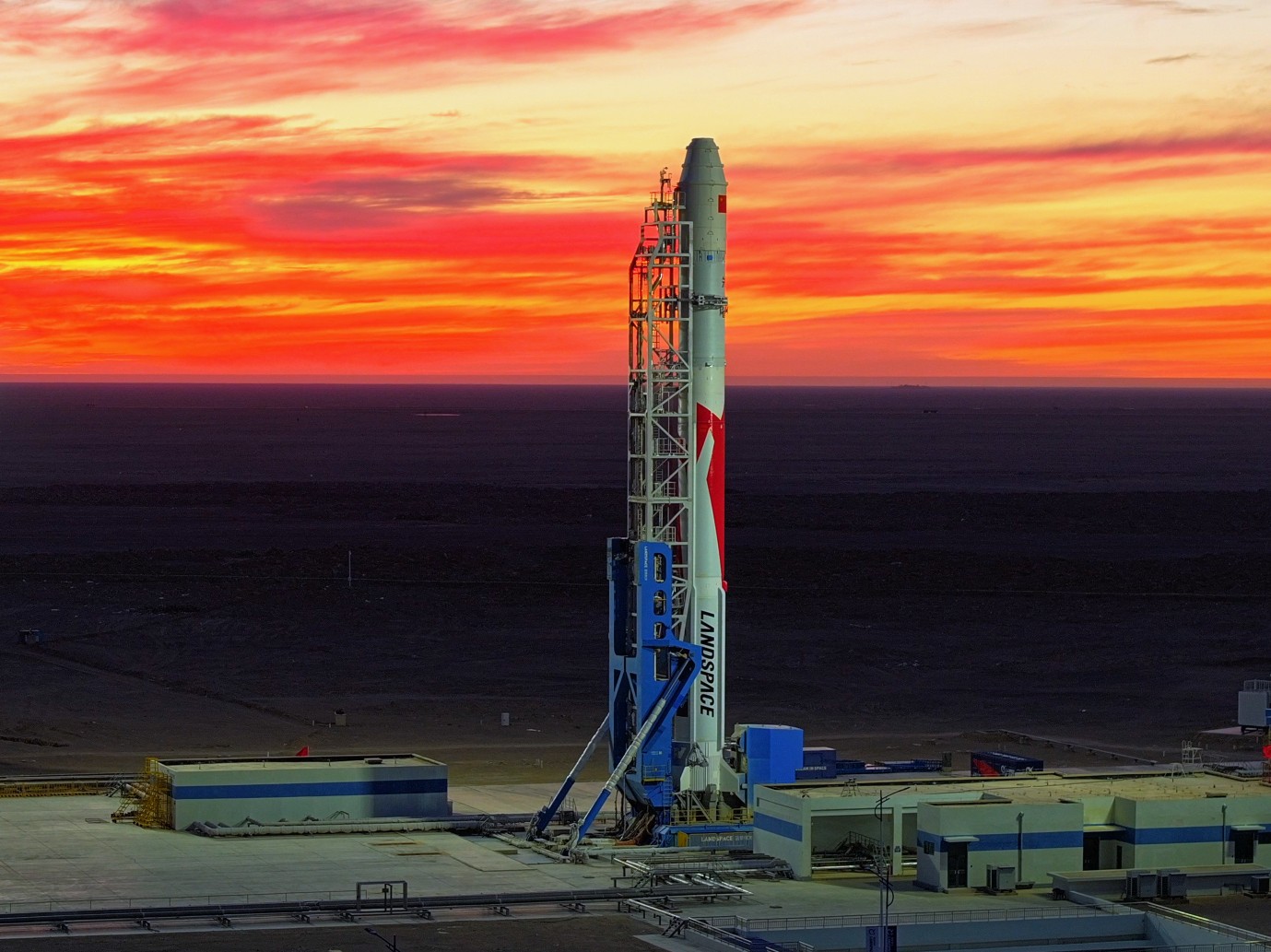
Artemis 2 astronauts arrive at KSC for April 1 launch. Four-person crew will fly lunar free-return trajectory, first crewed lunar mission since Apollo 17 in 1972.
Today's coverage includes the cancellation of DARPA's DRACO nuclear propulsion project, global shifts in Earth observation strategy, and new developments in satellite technology and military collaborations.