VENUS EXPRESS (28901)

COSPAR: 2005-045A | Alt Name: Venus Express
DECAYED

Image
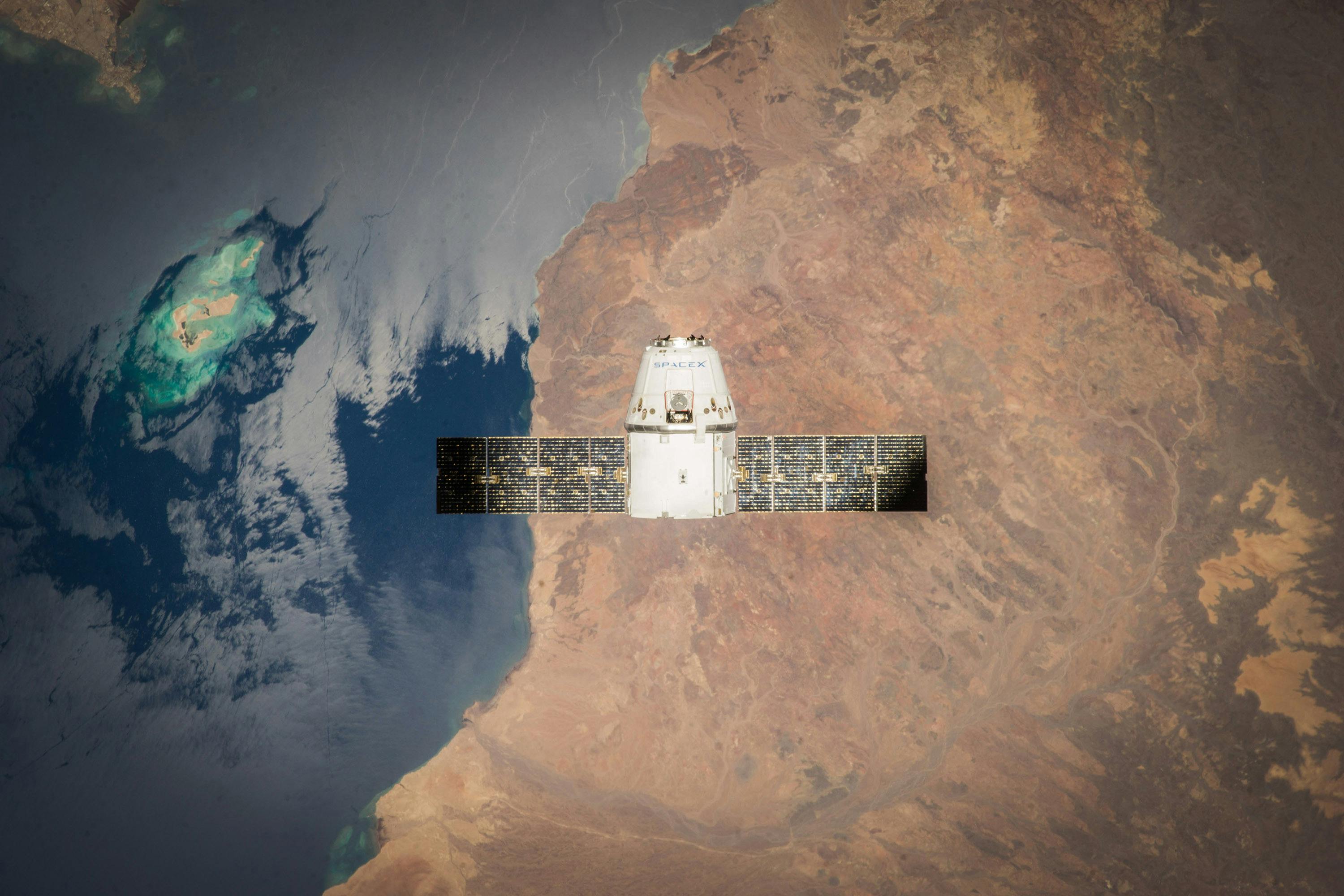
VENUS EXPRESS Satellite Image
Additional Sources
Launch Details

Launch Date

November 9, 2005

Launch Pad

LC31

Launch Vehicle

Soyuz-FG

Orbital Elements

NORAD ID

28901

International Designator

2005-045A

Decay Date

Unknown

Basic Satellite Info

Name

VENUS EXPRESS

Alternative Name

Venus Express

Type

Payload

Status

Non-operational

Owner

ESA

Country

European Space Agency

Constellation

N/A

Related Satellites

Major Events

N/A

Summary
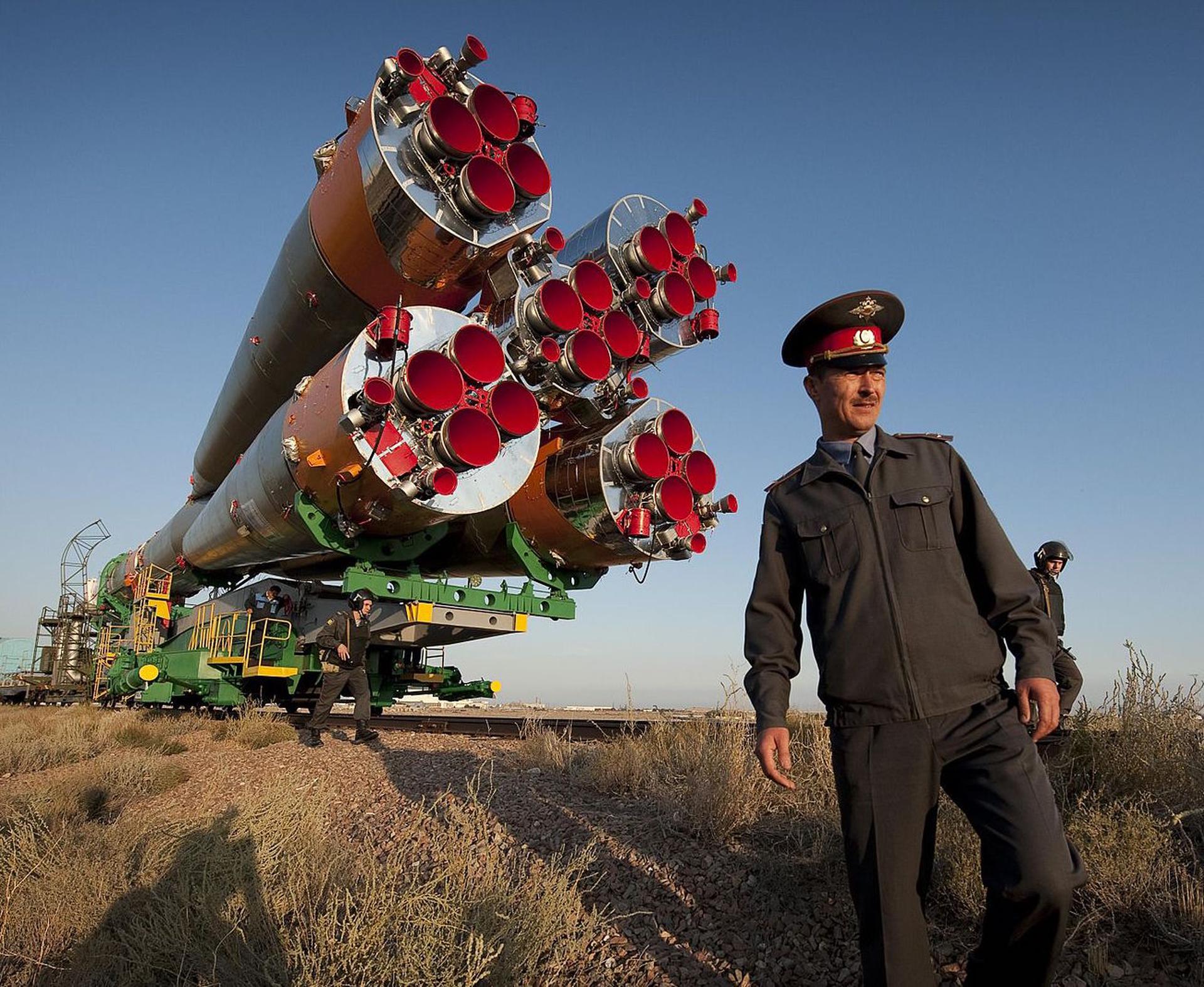
VENUS EXPRESS, also known as Venus Express, is an ESA satellite designed as a Venus orbiter and based on the Mars Express bus configuration. Launched on November 9, 2005, from TYMSC LC31 using a Soyuz-FG launch vehicle, the spacecraft has dimensions of 1.5 meters in length, 1.8 meters in diameter, and an 8-meter span. The dry mass is recorded at 670 kilograms with a launch mass of 1240 kilograms. Manufactured by EADSB, VENUS EXPRESS utilizes two deployable solar arrays for power along with batteries. The satellite's shape consists of a box configuration augmented by two panels. It was designed and operated under the auspices of ESA, aimed at conducting detailed studies of Venus from orbit.
Physical Characteristics

Length

1.5

Diameter

1.8

Span

8

Dry Mass

670

Launch Mass

1240

Shape

Box + 2 Pan

Radar Cross Section

Unknown

Visual Magnitude

Unknown

Color

Unknown

Material Composition

Unknown

Technical Details

Payload

Venus Express

Purpose

Venus orbiter

Mission

Venus orbiter

Manufacturer

EADSB

Life Expectancy

Unknown

Bus

Rosetta

Configuration

Mars Express bus

Motor

S400-12

Equipment

Unknown

Power System

2 deployable solar arrays, batteries

ADCS

Unknown

Transmitter Frequency

Unknown

Satellite Articles

View All Posts »

Learn more about satellites and other related topics.

The $1.5 Million Starlink Jammer That Ukraine Keeps Blowing Up

The $1.5 Million Starlink Jammer That Ukraine Keeps Blowing Up

Russia's Volna Kupol Garant electronic warfare system was purpose-built to jam Starlink. It costs around $1.5 million per unit, covers just 20 square kilometers, and can only target one satellite at a time. Ukraine has been finding and destroying them within days of deployment.

Vulcan Grounding Could Last Months, Space Force Weighs Alternatives | KeepTrack Space Brief

Vulcan Grounding Could Last Months, Space Force Weighs Alternatives | KeepTrack Space Brief

ULA's Vulcan Centaur faces potential months-long stand-down. Space Force actively exploring payload reassignment and satellite operational life extensions to cover critical national security missions.

Space Brief 10 Nov 2024

Space Brief 10 Nov 2024

Long March 2C launches four PIESAT-2 radar satellites, Gilmour Space secures Australia's first orbital launch permit, NASA extends ISS cargo contracts through 2030, ESA and Arianespace face industry crossroads.

X Report 13 May 2025

X Report 13 May 2025

SpaceX continues to expand its Starlink network with multiple launches and gains momentum in international markets, while revisiting launch tariffs and new regulations.

X Report 29 May 2025

X Report 29 May 2025

SpaceX made strides in both Starship and Starlink missions this week, launching another round of satellites while concurrently testing their Starship capabilities amidst challenges.

Blue Origin's New Glenn Destroyed in Hotfire Anomaly | KeepTrack Space Brief

Blue Origin's New Glenn Destroyed in Hotfire Anomaly | KeepTrack Space Brief

Blue Origin lost New Glenn during static fire testing at Launch Complex 36. Vehicle sustained serious damage in anomaly. NASA Artemis timeline impacts possible.

SpaceX Launches 2 Starlink Batches in 48 Hours, Both Coasts | KeepTrack X Report

SpaceX Launches 2 Starlink Batches in 48 Hours, Both Coasts | KeepTrack X Report

SpaceX launched Starlink batches from Vandenberg and Cape Canaveral within 48 hours, pushing the active constellation toward 10,000 operational satellites.

Space Brief 24 Aug 2025

Space Brief 24 Aug 2025

Today's brief covers SpaceX's secretive military launch, advancements in nuclear fusion, and groundbreaking observations of dying stars and supernovae.