


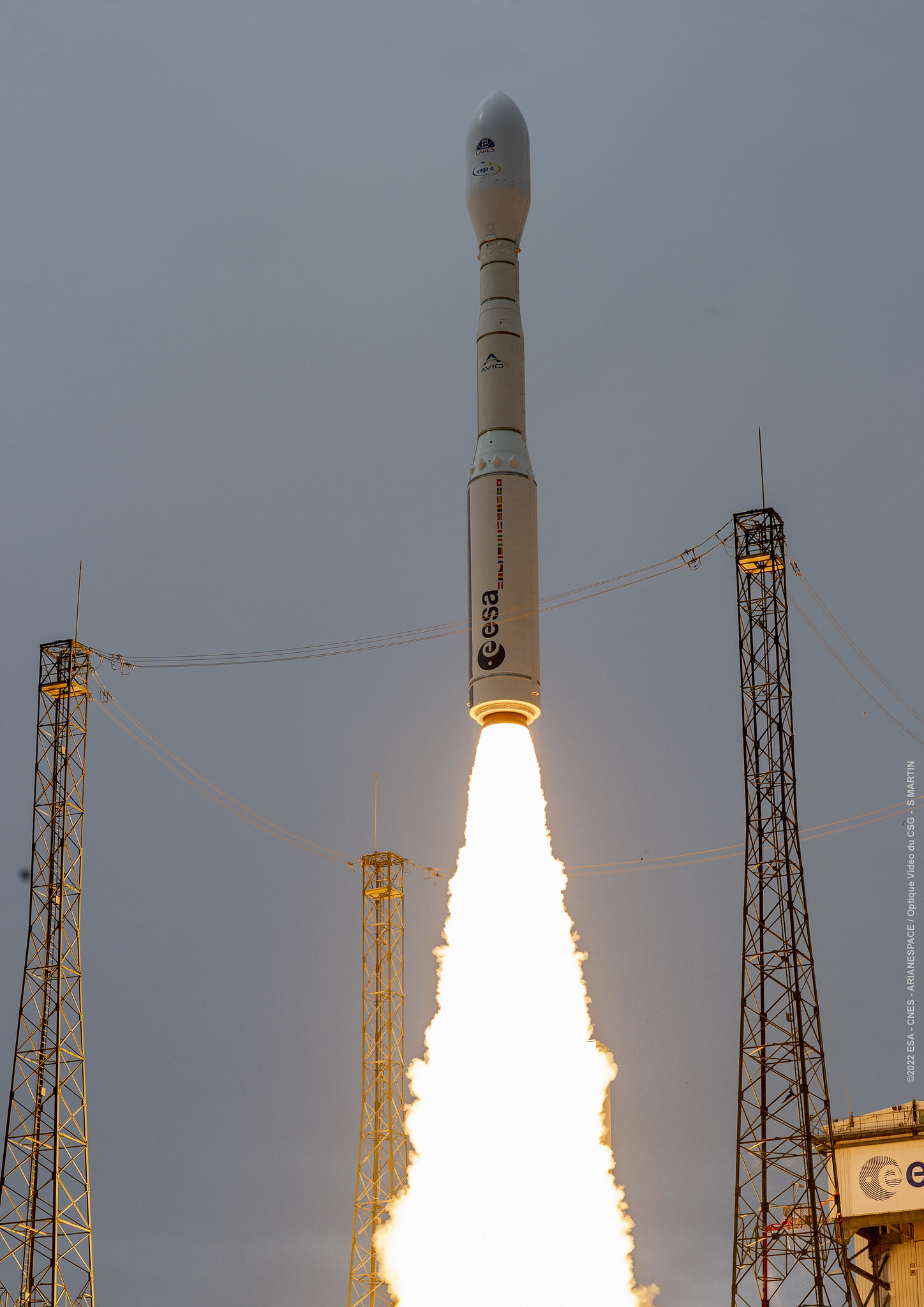
Space Brief 12 Jul 2025
Today's focus spans from major military training initiatives in orbit to key updates on drone policies and crucial satellite launches.


Launch Date
November 8, 2005
Launch Site
SEAL
Launch Pad
KLA -
Launch Vehicle
Zenit-3SL
NORAD ID
28900
International Designator
2005-044B
Epoch
Sat, 04 Jul 2026 00:59:46 GMT
Apogee
Calculating...
Perigee
Calculating...
Inclination
2.86°
Right Ascension
93.09°
Eccentricity
Calculating...
Argument of Perigee
75.28°
Period
534.93 min
Mean Motion
2.69 rev/day
Latitude
Calculating...
Longitude
Calculating...
Altitude
Calculating...
Velocity
Calculating...
Name
BLOCK DM-SL R/B
Alternative Name
Blok DM-SL No. 20L
Type
Status
Owner
SEALP
Country
United States
Constellation
N/A
Related Satellites
Major Events
N/A
1 28900U 05044B 26185.04151082 .00001901 00000-0 90932-3 0 9992
2 28900 2.8637 93.0896 6946335 75.2766 347.0165 2.69194625185016
Source: Celestrak
Length
6.3
Diameter
3.7
Span
6.3
Dry Mass
3070
Launch Mass
12400
Shape
Cyl
Radar Cross Section
18.4902
Visual Magnitude
Unknown
Color
Unknown
Material Composition
Unknown
Payload
Blok DM-SL
Purpose
Unknown
Mission
Unknown
Manufacturer
RKKE
Life Expectancy
Unknown
Bus
Blok DM2
Configuration
Unknown
Motor
11D58M
Equipment
Unknown
Power System
Unknown
ADCS
Unknown
Transmitter Frequency
Unknown
Learn more about satellites and other related topics.
Today's focus spans from major military training initiatives in orbit to key updates on drone policies and crucial satellite launches.

SpaceX successfully launched 24 Starlink satellites into polar orbit, enhancing global coverage. Meanwhile, NASA's Crew-11 is now in quarantine ahead of their upcoming ISS mission.

Thirty-five years ago, NASA's Galileo spacecraft made a crucial flyby of Venus, pioneering a complex path through the inner solar system that would revolutionize planetary exploration

SpaceX targets May 19 for Starship Flight 12 debut, while CRS-34 delivers 6,500 lbs of cargo to ISS aboard a Falcon 9.
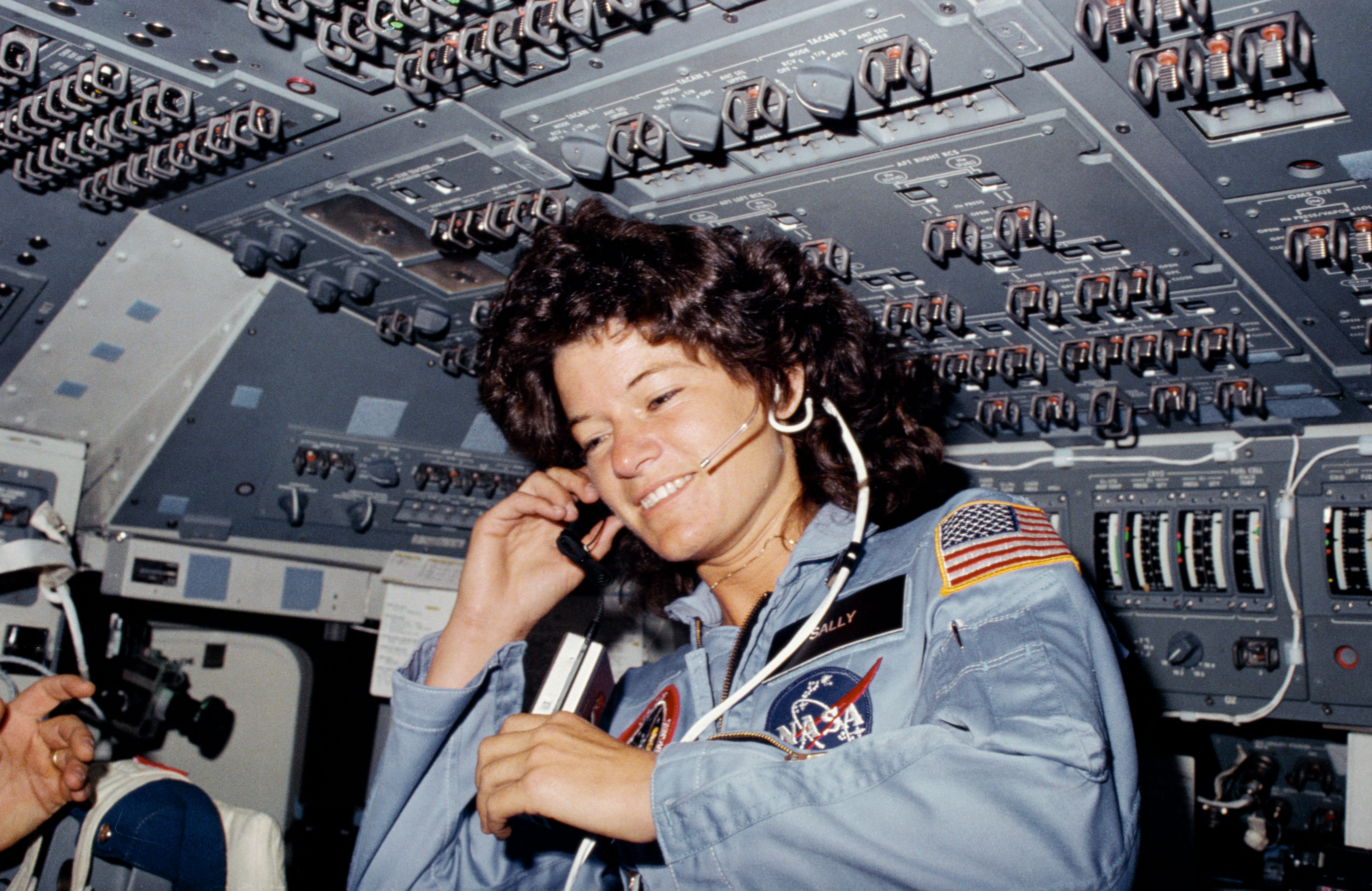
At 7:33 on the morning of 18 June 1983, a 32-year-old astrophysicist named Sally Ride rode Challenger off Pad 39A and became the first American woman in space. She got there two decades after the Soviets, and only after months of being asked whether spaceflight would damage her reproductive organs and whether she planned to cry.
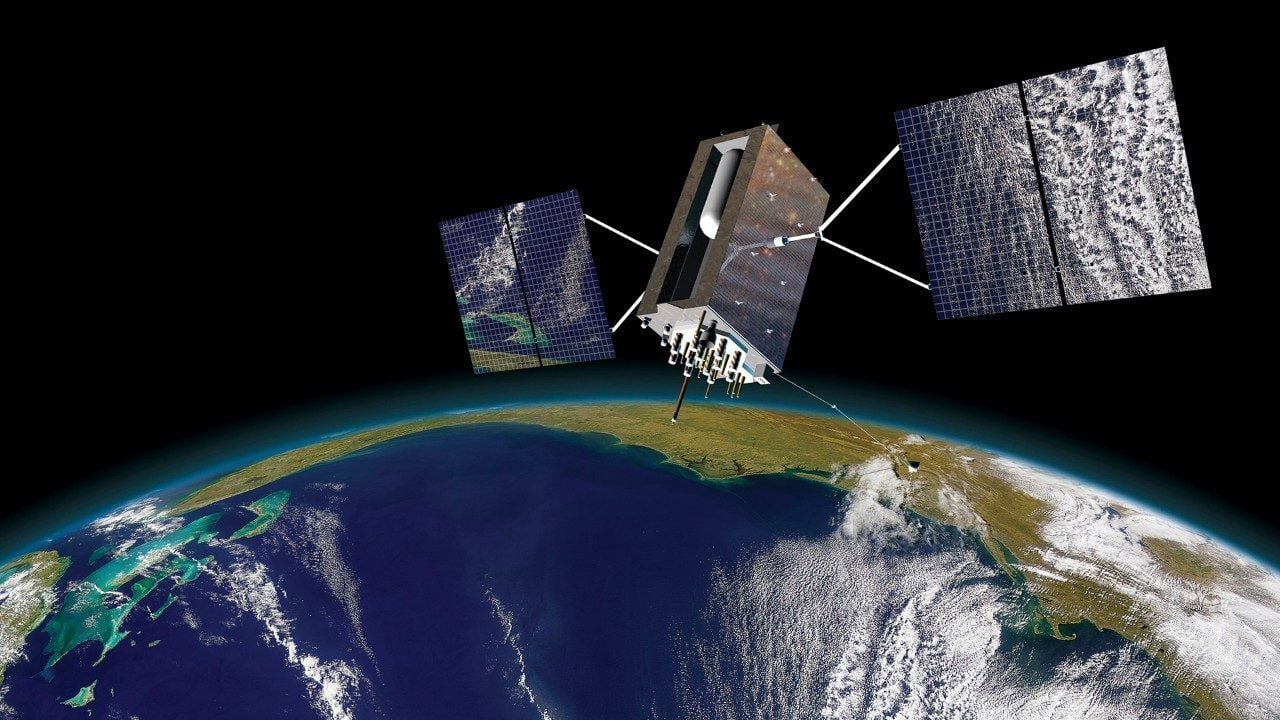
On April 17, 2026, the U.S. Space Force officially cancelled the Next Generation Operational Control System after sixteen years of development, cost overruns, and testing failures. The $8 billion program was supposed to unlock the military's encrypted GPS signal. Instead, the satellites are flying with capabilities the ground can't command.
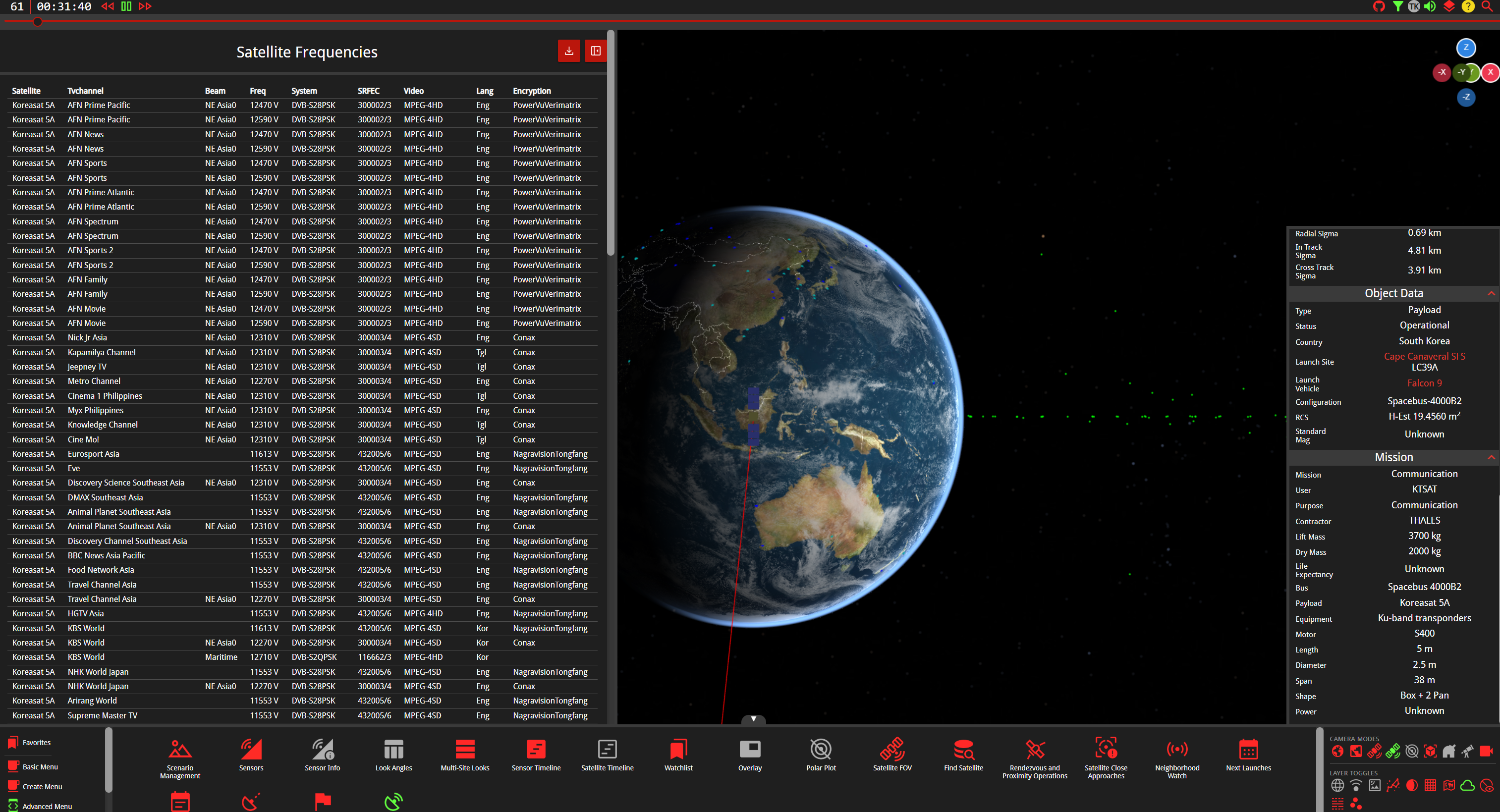
The frequency band that brought satellite TV to small dishes on rooftops and revolutionized direct-to-home broadcasting
Today's brief covers challenges in Space Force procurement, promising developments in tracking technologies, and significant budget cuts affecting military aerospace projects.