FSW-3 5 (28824)

COSPAR: 2005-033A | Alt Name: Fanhui Shi Weixing (22)
DECAYED

Image
FSW-3 5 Satellite Image
Additional Sources
Launch Details

Launch Date

August 29, 2005

Launch Site

JSC

Launch Pad

LC603

Launch Vehicle

Chang Zheng 2D

Orbital Elements

NORAD ID

28824

International Designator

2005-033A

Decay Date

10/17/2005

Basic Satellite Info

Name

FSW-3 5

Alternative Name

Fanhui Shi Weixing (22)

Type

Payload

Status

Decayed

Owner

CASC

Country

China

Constellation

N/A

Related Satellites

Major Events

N/A

Summary
FSW-3 5, also known as Fanhui Shi Weixing (22), is a satellite launched by China on August 29, 2005, from the Jiuquan Satellite Launch Center using the Chang Zheng 2D launch vehicle. The spacecraft has dimensions of 1.6 meters in length and 2.2 meters in both diameter and span. It carries a dry mass and launch mass of 1260 kilograms each and is powered by batteries. Its mission involves reconnaissance, Earth observation, and micro-gravity studies. Manufactured by CAST (China Academy of Space Technology), the satellite has an RCS of 1.5848 and features a frustum shape. It was owned by CASC (China Aerospace Science and Technology Corporation) and had a payload named Jianbing-4 03 xing for its mission objectives. The satellite's operational lifetime lasted for 24 days post-launch.
Physical Characteristics

Length

1.6

Diameter

2.2

Span

2.2

Dry Mass

1260

Launch Mass

1260

Shape

Frust

Radar Cross Section

1.5848

Visual Magnitude

Unknown

Color

Unknown

Material Composition

Unknown

Technical Details

Payload

Jianbing-4 03 xing

Purpose

Reconnaissance, Earth observation, Micro-gravity

Mission

Reconnaissance, Earth observation, Micro-gravity

Manufacturer

CAST

Life Expectancy

24 days

Bus

FSW-1

Configuration

Unknown

Motor

FG-23A retro motor ?

Equipment

Unknown

Power System

Batteries

ADCS

Unknown

Transmitter Frequency

Unknown

Satellite Articles

View All Posts »

Learn more about satellites and other related topics.

Three Chinese Rocket Bodies Exploded, Generating Decades of LEO Debris | KeepTrack Space Brief

Three Chinese Rocket Bodies Exploded, Generating Decades of LEO Debris | KeepTrack Space Brief

Three Chinese rocket bodies have exploded over four years, creating debris clouds that will linger for decades to centuries, according to LeoLabs analysis. Fragmentation events threaten commercial and military operators.

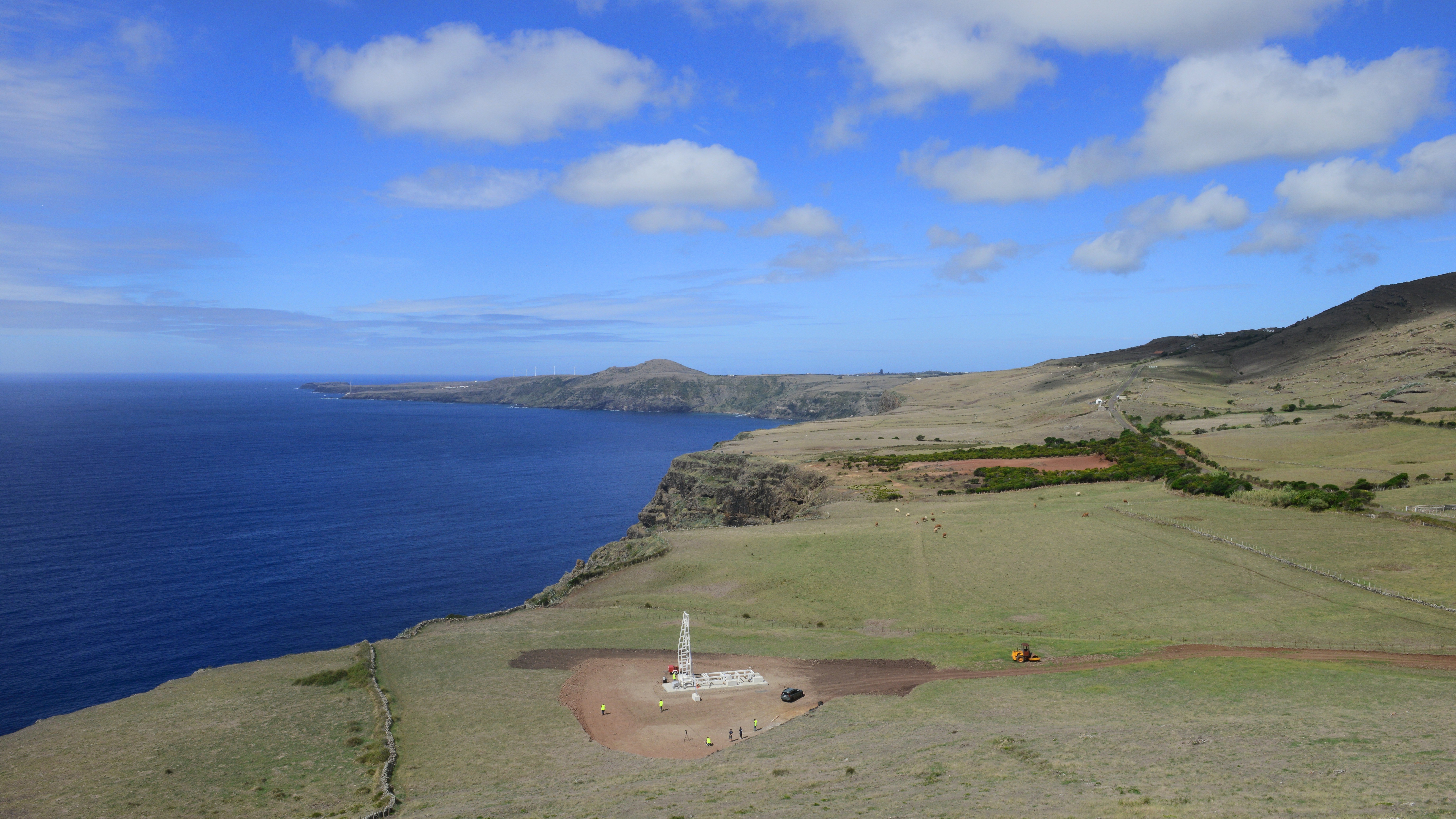
Santa Maria Spaceport (Azores)

Santa Maria Spaceport (Azores)

Europe's Atlantic outpost enters the launch business. How Portugal's first licensed spaceport in the Azores is preparing for suborbital flights in 2026 and positioning to receive ESA's Space Rider in 2028.

Space Brief 25 Oct 2025

Space Brief 25 Oct 2025

Today's brief covers significant growth forecasts for global defense satellite communications, the integration of hypersonic missiles, cyber authority expansion in the Army, and more pivotal military developments.

X Report 23 May 2025

X Report 23 May 2025

The FAA has approved Starship Flight 9, paving the way for an upcoming test launch, while SpaceX's Dragon spacecraft is set to undock from the ISS after weather delays.

Space Brief 19 Jul 2025

Space Brief 19 Jul 2025

Today's highlights include a record-breaking high-altitude image of the sun, SpaceX's latest Starlink satellite launch, and various military developments. Stay informed with detailed updates on launches, reentries, and the latest advancements in drone technology.

X Report 17 Dec 2024

X Report 17 Dec 2024

SpaceX executes a rapid response GPS mission for the U.S. Space Force, Starlink extends its reach with a beta smartphone connectivity service by T-Mobile, and Starship approaches its seventh launch with readiness milestones.

X Report 13 Nov 2024

X Report 13 Nov 2024

SpaceX launches more Starlink satellites as Starship prepares for full stack testing, amidst Musk's new governmental role.

Starlink Satellite Count Hits 10,168, X Report 5 Apr 2026

Starlink Satellite Count Hits 10,168, X Report 5 Apr 2026

Starlink satellite count for April 2026: 10,177 in orbit, 10,168 working from 11,724 launched. No new anomalies, four reentries expected Apr 5-7.