SL-4 R/B (28701)

COSPAR: 2005-021B | Alt Name: Soyuz-U-PVB No. 094 Blok-I
DECAYED

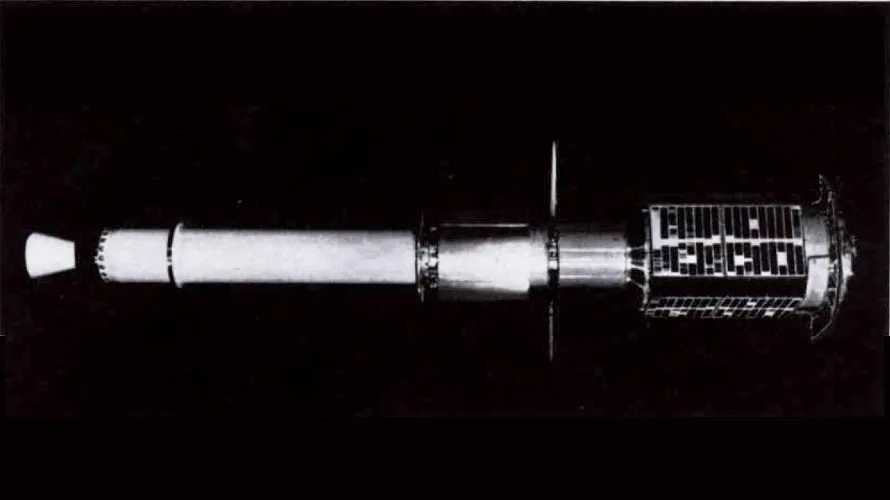
Image
SL-4 R/B Satellite Image
Additional Sources
Launch Details

Launch Date

June 16, 2005

Launch Pad

LC1

Launch Vehicle

Soyuz-U-PVB

Orbital Elements

NORAD ID

28701

International Designator

2005-021B

Decay Date

6/19/2005

Basic Satellite Info

Name

SL-4 R/B

Alternative Name

Soyuz-U-PVB No. 094 Blok-I

Type

Rocket Body

Status

Space Junk

Owner

RVSNR

Country

Russia

Constellation

N/A

Related Satellites

Major Events

N/A

Summary
A rocket body, also commonly referred to as an upper stage or spent rocket stage, is the structural shell left behind after a rocket has delivered its payload to orbit. These large and often heavy pieces of space hardware can remain in orbit for years, posing significant collision hazards as part of the growing space debris problem. If left uncontrolled, rocket bodies have the potential to reenter Earth's atmosphere unpredictably, which can lead to falling debris in populated areas. Additionally, they risk colliding with operational satellites or the International Space Station, creating more debris and putting human life at risk.
Physical Characteristics

Length

6.7

Diameter

2.7

Span

6.7

Dry Mass

2350

Launch Mass

2350

Shape

Cyl

Radar Cross Section

5.0118

Visual Magnitude

Unknown

Color

Unknown

Material Composition

Unknown

Technical Details

Payload

11S510

Purpose

Unknown

Mission

Unknown

Manufacturer

PROGT

Life Expectancy

Unknown

Bus

Blok-I

Configuration

Unknown

Motor

Unknown

Equipment

Unknown

Power System

Unknown

ADCS

Unknown

Transmitter Frequency

Unknown

Satellite Articles

View All Posts »

Learn more about satellites and other related topics.

The Satellite That Found 22 Photons and Changed Astronomy

The Satellite That Found 22 Photons and Changed Astronomy

On April 27, 1961, a Scout rocket lifted a 37-kilogram NASA satellite into orbit from Wallops Island carrying the first serious instrument for detecting cosmic gamma rays. Explorer 11 operated for seven months before its tape recorder failed. In that time it registered 22 gamma-ray photons - a pitiful number by modern standards, but enough to launch an entire branch of astronomy.

Space Brief 26 Aug 2025

Space Brief 26 Aug 2025

Today's space news highlights include U.S. military satellite deployments, innovative AI aboard the Chinese space station, and breakthroughs in interplanetary communications.

X Report 16 Jul 2025

X Report 16 Jul 2025

SpaceX successfully launched another batch of Starlink satellites while marking a significant milestone with the 500th Falcon 9 mission. Additionally, the company is preparing for further testing of its Starship system and has begun collaborating with Amazon on their Project Kuiper constellation.

Space Brief 13 Aug 2025

Space Brief 13 Aug 2025

Today's Space Brief covers the inaugural national security mission of ULA's Vulcan Centaur, the Space Force's 2026 budget insights, and shifts in military drone technology.

Track the International Space Station

Track the International Space Station

A look at how tracking the space station offers a unique view of space exploration.

X Report 2 Nov 2025

X Report 2 Nov 2025

SpaceX successfully completed its 100th Starlink mission of the year and launched the 'Haven Demo' private space station along with 17 other satellites. The company also made strides in lunar lander development for Artemis III.

China's Long March 10C Nails First Booster Recovery | KeepTrack Space Brief

China's Long March 10C Nails First Booster Recovery | KeepTrack Space Brief

China successfully recovered a Long March 10C first stage booster, positioning the methalox rocket as its primary commercial launcher. Reusable boosters reshape Beijing's LEO constellation strategy.

Orion Crew Returns After Historic Lunar Mission | KeepTrack Space Brief

Orion Crew Returns After Historic Lunar Mission | KeepTrack Space Brief

Artemis 2's four-person crew splashed down April 10 after first crewed lunar flyby since Apollo 17. Orion performance data critical for Artemis 3 south pole landing planning.