


X Report 25 Jul 2025
SpaceX successfully launched NASA's TRACERS mission while Starlink faced a brief global outage, affecting users worldwide.



Launch Date
July 30, 1992
Launch Site
Launch Pad
LC81/23
Launch Vehicle
Proton-K/DM-2
NORAD ID
28681
International Designator
1992-047AE
Decay Date
6/24/2005
Name
SL-12 DEB
Alternative Name
deb DM2-63L SOZ-2
Type
Status
Owner
RVSNR
Country
Russia
Constellation
N/A
Related Satellites
Major Events
N/A
Length
0
Diameter
0
Span
0
Dry Mass
0
Launch Mass
0
Shape
N/A
Radar Cross Section
0.5011
Visual Magnitude
Unknown
Color
Unknown
Material Composition
Unknown
Payload
Unknown
Purpose
Unknown
Mission
Unknown
Manufacturer
Unknown
Life Expectancy
Unknown
Bus
Unknown
Configuration
Unknown
Motor
Unknown
Equipment
Unknown
Power System
Unknown
ADCS
Unknown
Transmitter Frequency
Unknown
Learn more about satellites and other related topics.
SpaceX successfully launched NASA's TRACERS mission while Starlink faced a brief global outage, affecting users worldwide.
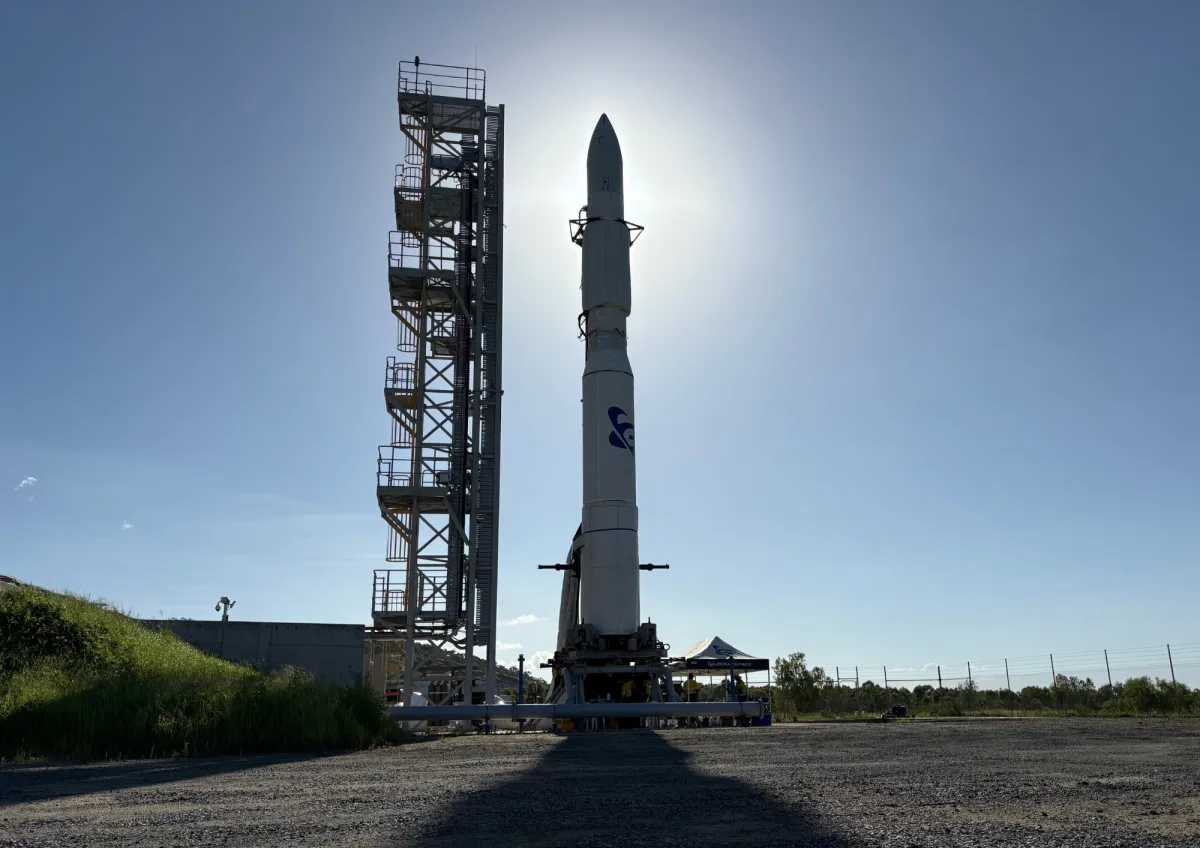
Key highlights include the launch of a Navy SEAL astronaut to the ISS, multi-billion dollar contracts awarded by the US Space Force, advancements in secure GPS technology, and a strategic ISR arrangement.
Keck Foundation team proposes first-ever graviton detector concept. Space Force shelves Resilient GPS program. China advances Long March 12B reusable rocket with static fire test at Jiuquan.

Today's briefing covers the Space Force's plans for future launches, new initiatives in missile defense, and the latest on military and aerospace advancements.

This week: China's Long March 10B debuted successfully, SpaceX merged with xAI, and Starlink topped 10,775 satellites in orbit.

CENTCOM confirms first-ever combat use of PrSM against Iranian targets. Space Force VP calls for aggressive end strength growth. Artemis II boosters on pad.

SpaceX marks a successful launch of 21 Starlink satellites, follows up after Starship explosion, and influences Qantas flights amid a busy operational schedule.
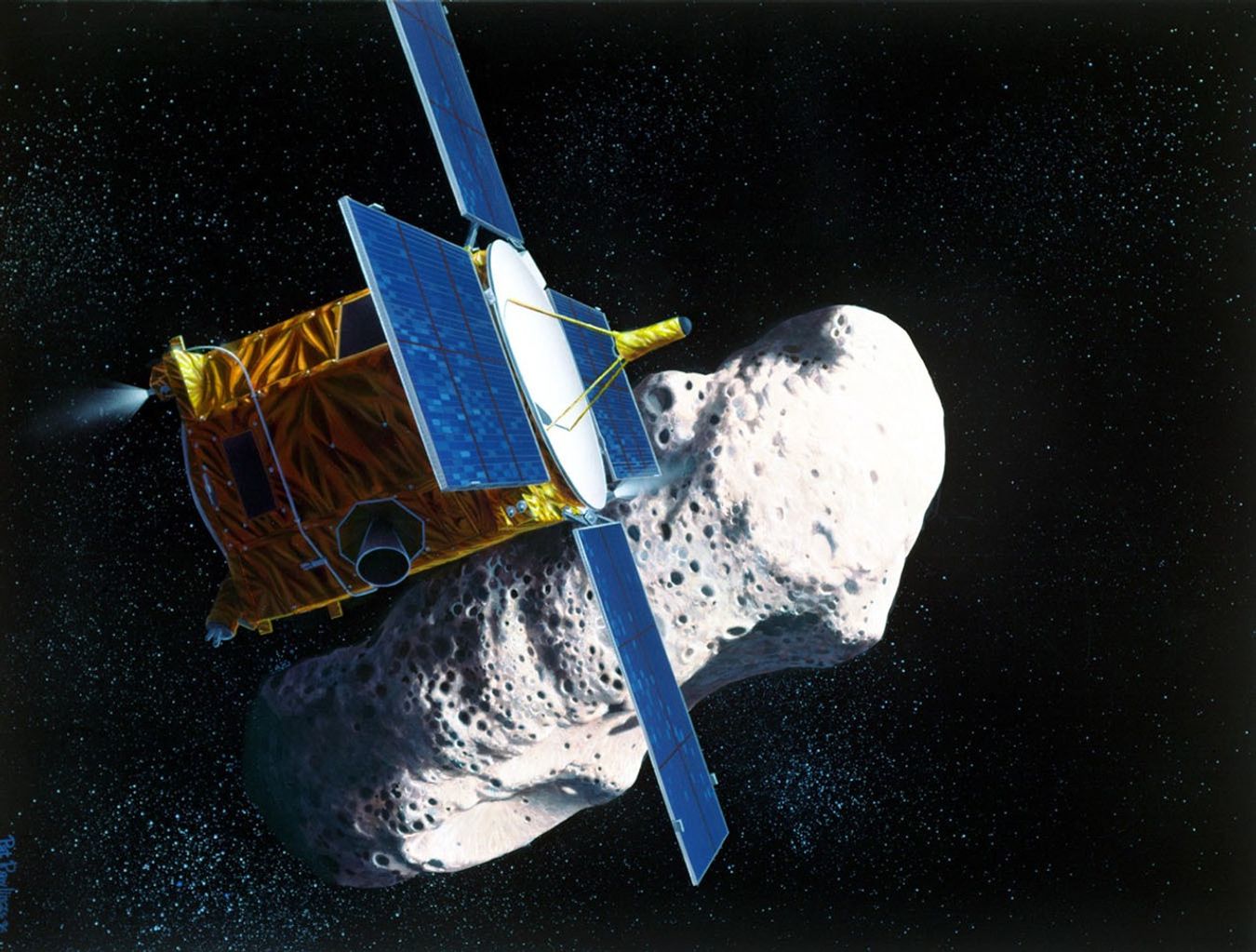
Twenty-four years ago, a spacecraft designed only to orbit made history with an improvised landing on asteroid Eros, marking humanitys first controlled touchdown on a small celestial body