


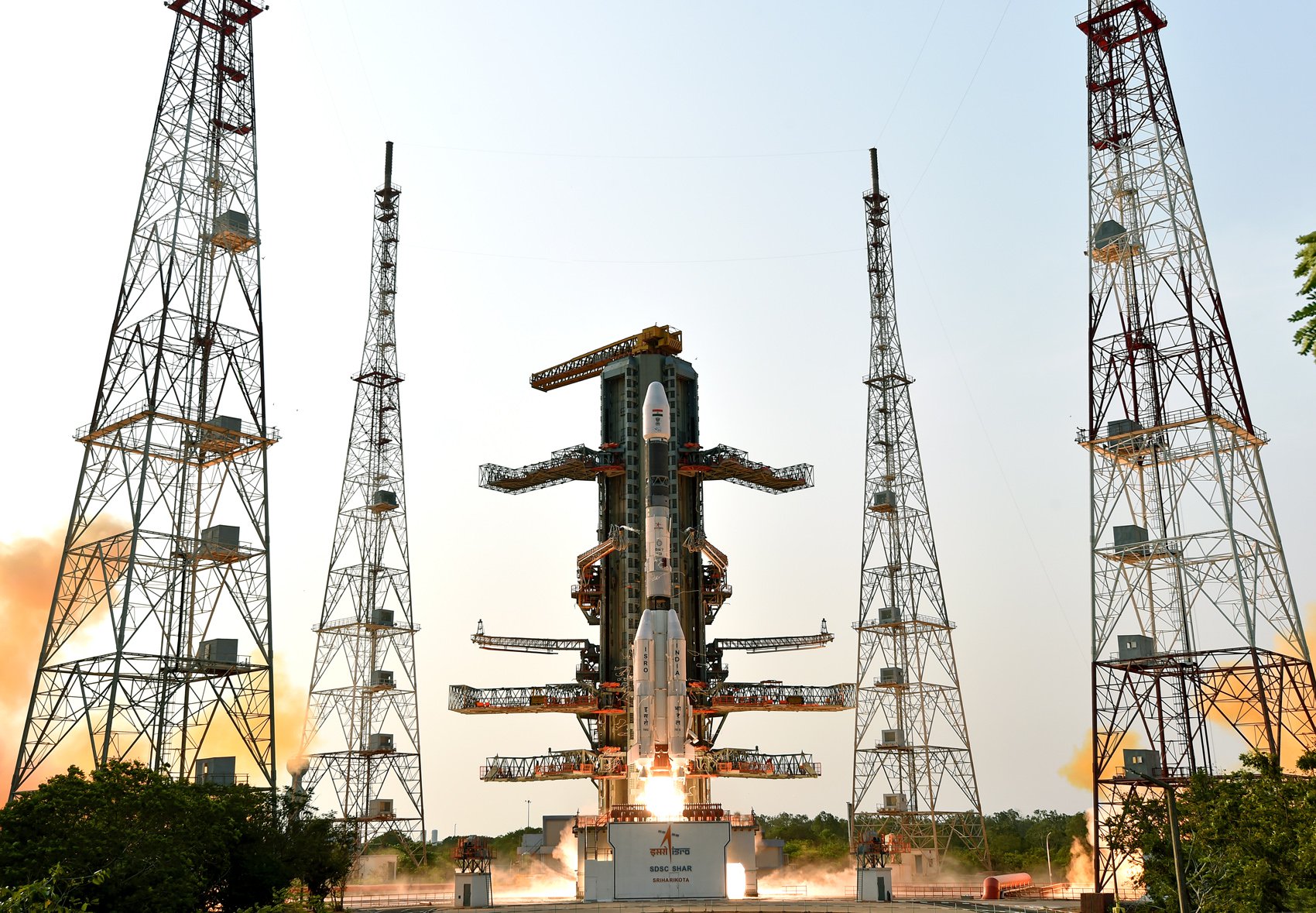
Space Brief 3 Jun 2025
Today's highlights include China's remote-sensing satellite launch, U.S. Space Force's investment in missile-tracking satellites, and NASA's MAVEN milestone on Mars.


Launch Date
March 11, 2005
Launch Site
Launch Pad
SLC41
Launch Vehicle
Atlas V 431
NORAD ID
28628
International Designator
2005-009A
Epoch
Fri, 03 Jul 2026 21:37:28 GMT
Apogee
Calculating...
Perigee
Calculating...
Inclination
5.19°
Right Ascension
42.77°
Eccentricity
Calculating...
Argument of Perigee
63.31°
Period
1436.10 min
Mean Motion
1.00 rev/day
Latitude
Calculating...
Longitude
Calculating...
Altitude
Calculating...
Velocity
Calculating...
Name
INMARSAT 4-F1
Alternative Name
INMARSAT 4 F1
Type
Status
Owner
INMRL
Country
United Kingdom
Constellation
N/A
Related Satellites
Major Events
N/A
1 28628U 05009A 26184.90102463 .00000042 00000-0 00000-0 0 9992
2 28628 5.1885 42.7715 0002874 63.3071 318.3239 1.00271768 77849
Source: Celestrak
Length
7
Diameter
2.9
Span
45
Dry Mass
3000
Launch Mass
5940
Shape
Box + 2 Pan
Radar Cross Section
5.0119
Visual Magnitude
Unknown
Color
Unknown
Material Composition
Unknown
Payload
INMARSAT 4 F1
Purpose
Communication
Mission
Communication
Manufacturer
ASTT
Life Expectancy
13 years
Bus
Eurostar 3000GM
Configuration
Eurostar-3000GM
Motor
R-4D-15-375
Equipment
L-band payload (all); GAGAN payload (#F3); EGNOS payload (#F2); WAAS payload (#F3)
Power System
2 deployable solar arrays, batteries
ADCS
Unknown
Transmitter Frequency
Unknown
Learn more about satellites and other related topics.
Today's highlights include China's remote-sensing satellite launch, U.S. Space Force's investment in missile-tracking satellites, and NASA's MAVEN milestone on Mars.
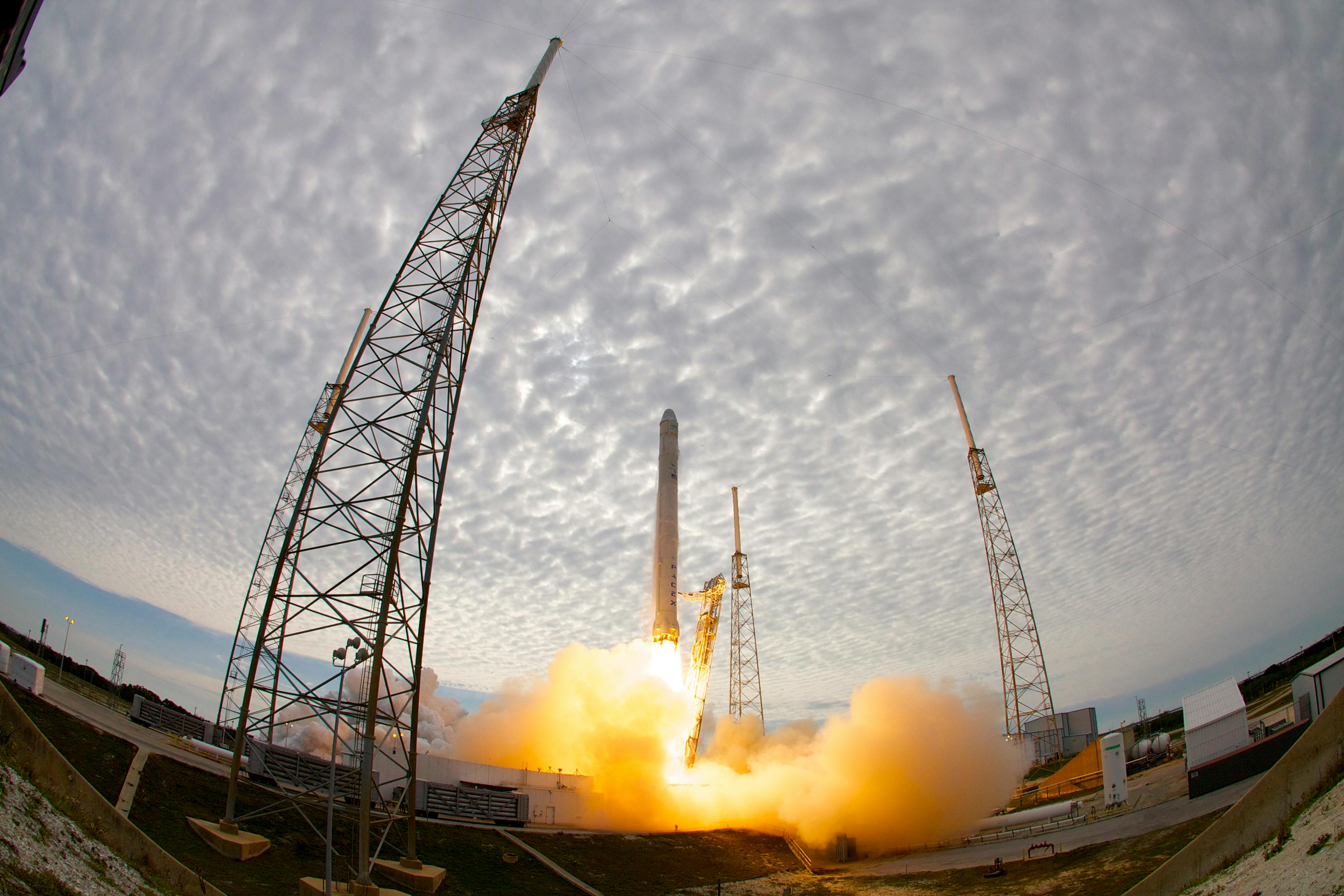
SpaceX conducts another Starship test flight, with high-profile audience; SEOPS secures Falcon 9 for rideshare mission; Ontario partners with Starlink for rural connectivity.

Space Force contracts Viasat and SES for $437M Protected Tactical Satcom-Global program. Blue Origin clears New Glenn for flights after Flight 3 investigation.
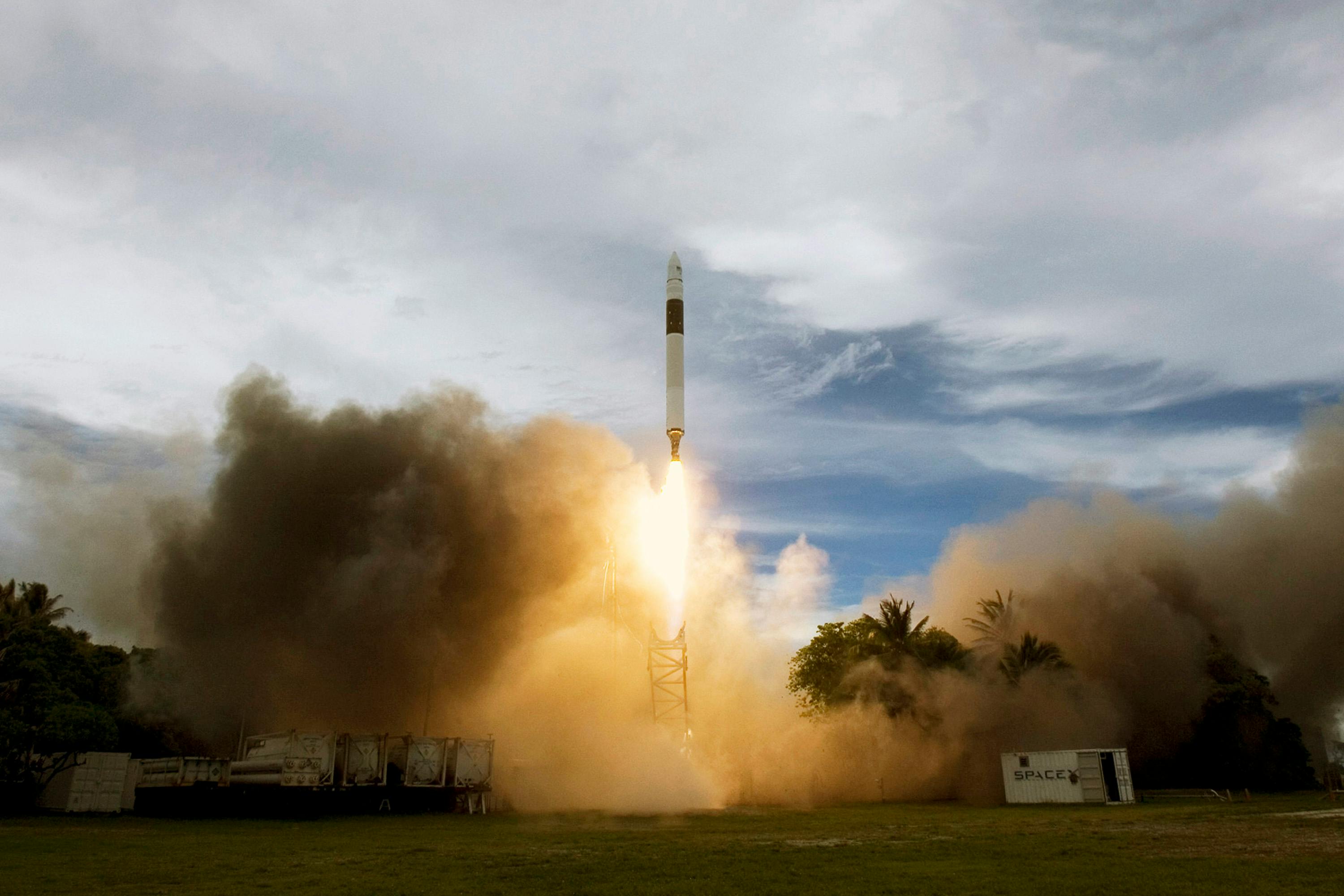
A Falcon 9 lifted off from SLC-40 at 6:50 a.m. EDT carrying Starlink satellites and Besxar Space Industries semiconductor test pods.
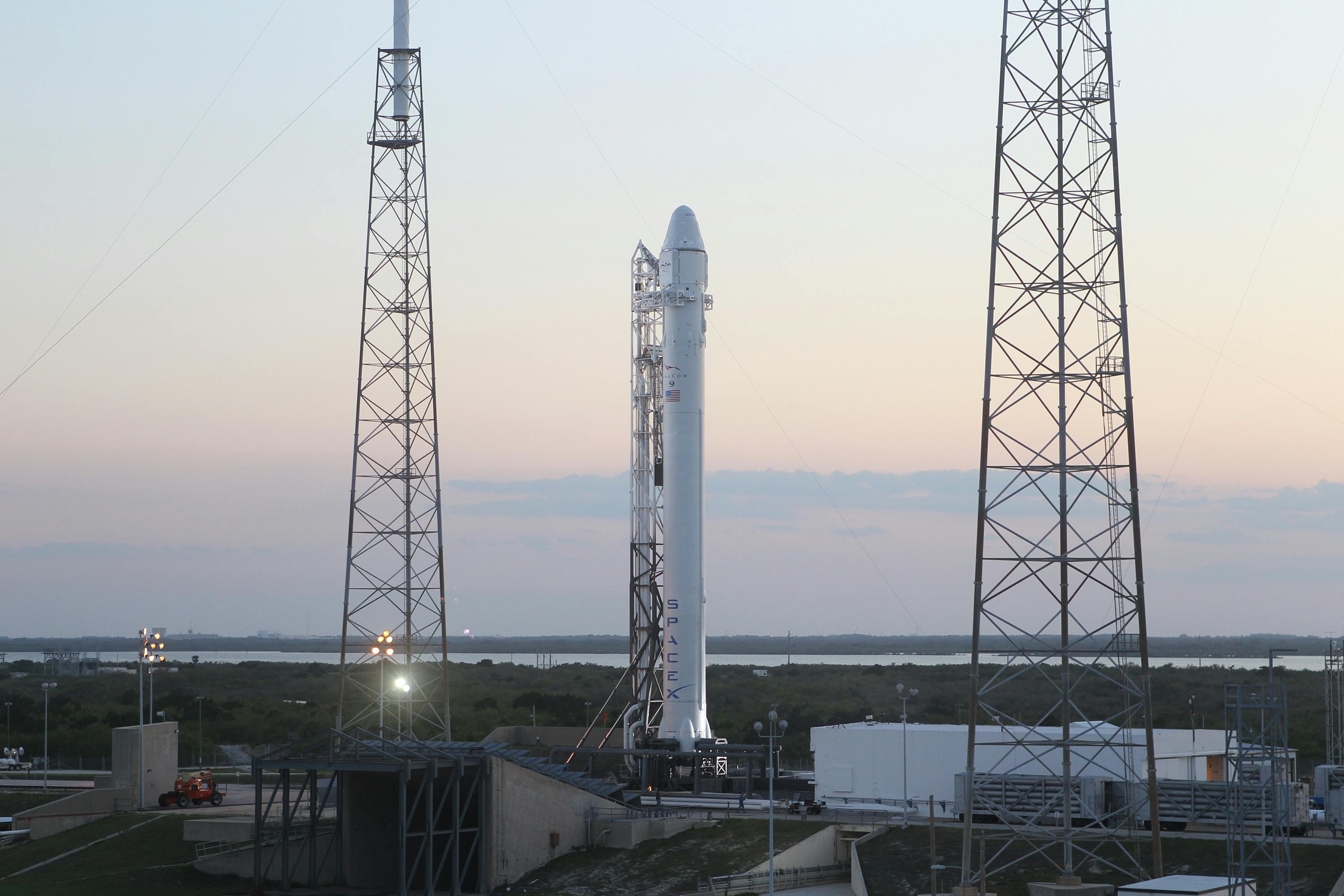
SpaceX successfully launches NASA missions, prepares for Crew-10 flight, and overcomes Falcon 9 launch anomalies.
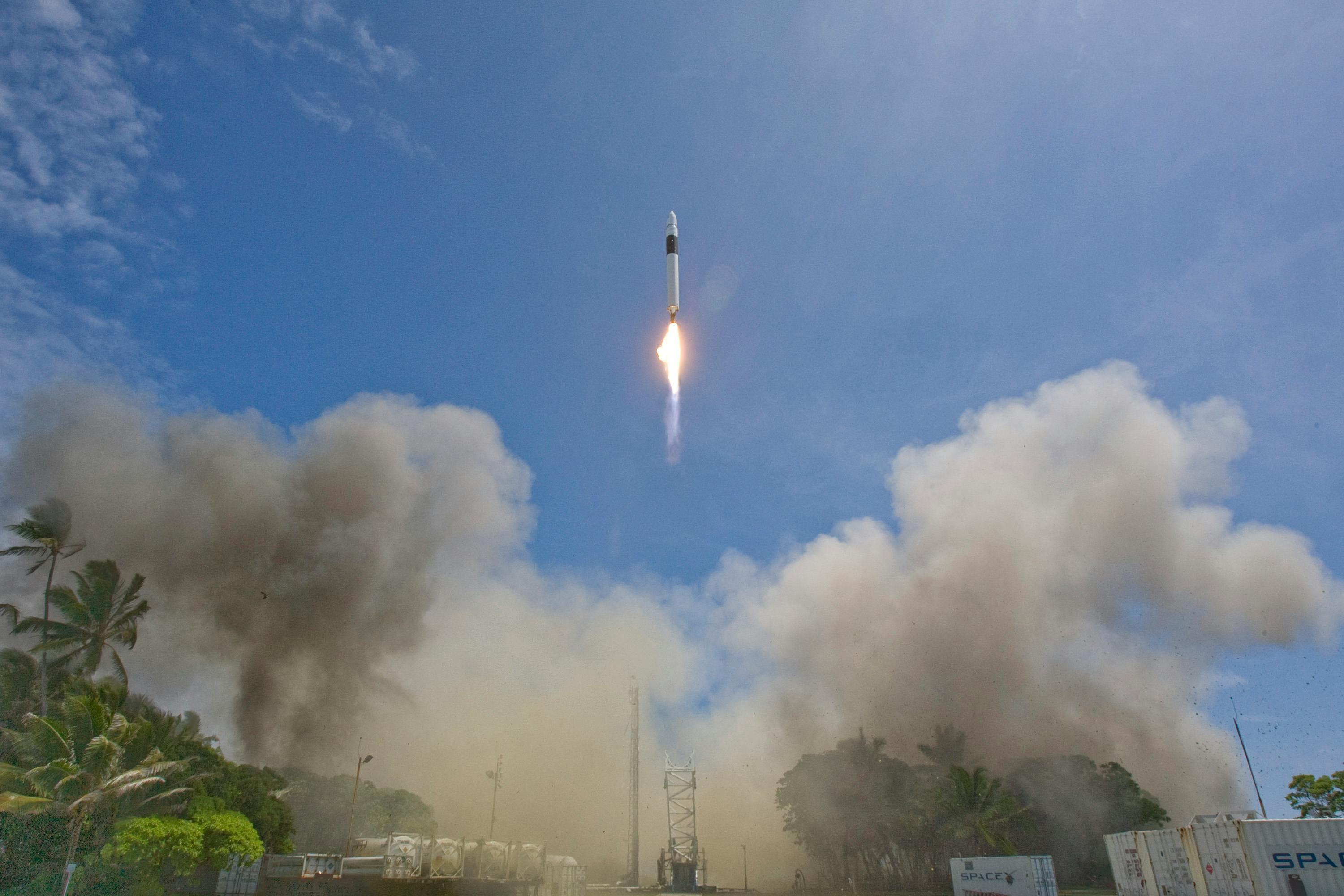
SpaceX's third rideshare mission of 2026 delivered South Korea's CAS500-2 imager and 45 secondary payloads to Sun-synchronous orbit on Falcon 9.
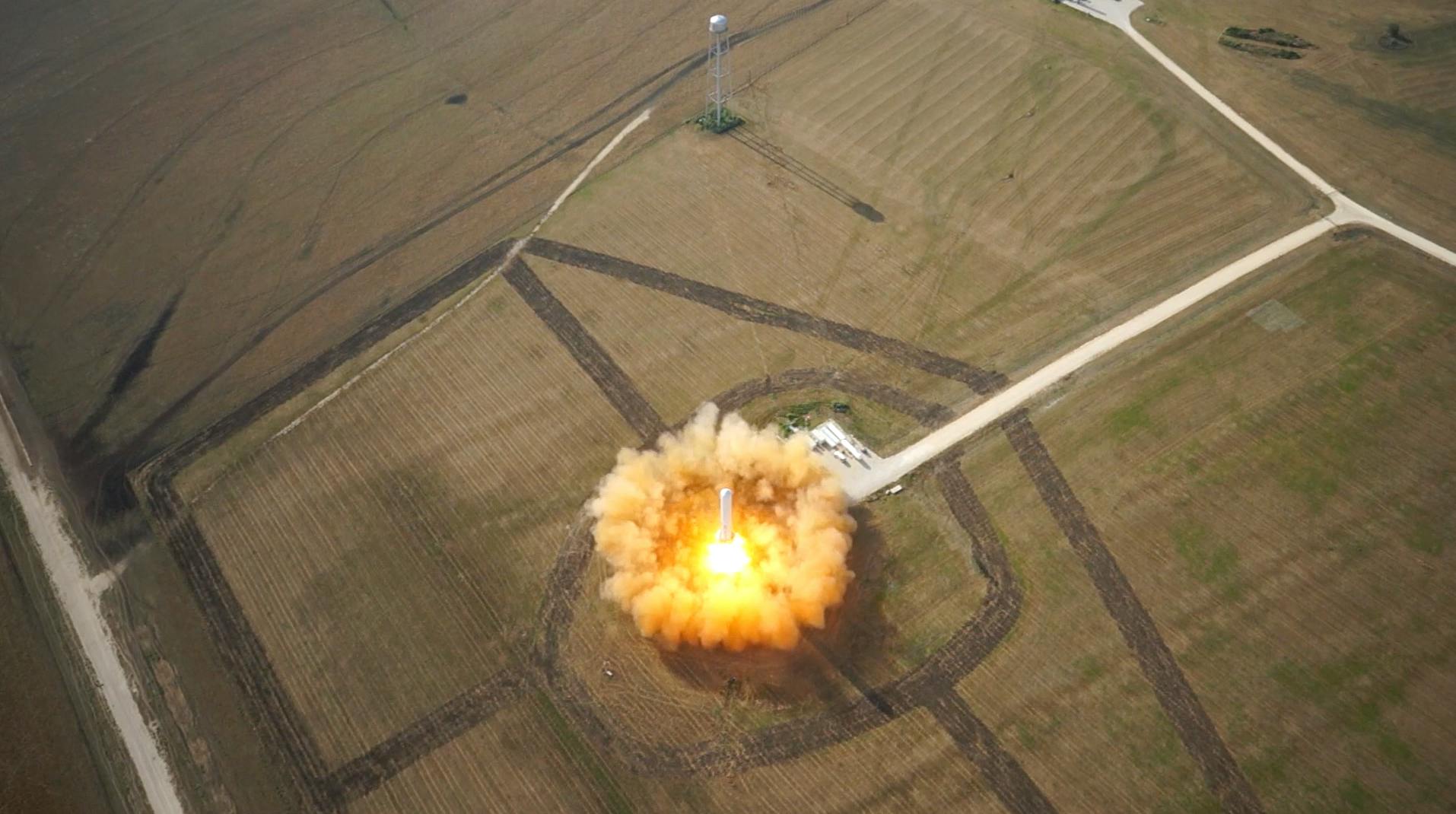
SpaceX achieves significant milestones with Starship and multiple launch missions, while Starlink connectivity expands through T-Mobile's beta program.
SpaceX celebrates significant milestones with its Starship preparations, approaches a landmark Falcon booster landing, and enhances the ISS orbit with Dragon technology.