


X Report 15 May 2025
SpaceX successfully launched 28 Starlink satellites from Cape Canaveral, while Starship prepares for its ninth test flight next week.


Launch Date
February 26, 2005
Launch Site
TANSC
Launch Pad
Y
Launch Vehicle
H-IIA 2022
NORAD ID
28622
International Designator
2005-006A
Epoch
Fri, 03 Jul 2026 22:24:50 GMT
Apogee
Calculating...
Perigee
Calculating...
Inclination
9.42°
Right Ascension
58.32°
Eccentricity
Calculating...
Argument of Perigee
288.59°
Period
1455.78 min
Mean Motion
0.99 rev/day
Latitude
Calculating...
Longitude
Calculating...
Altitude
Calculating...
Velocity
Calculating...
Name
HIMAWARI-6 (MTSAT-1R)
Alternative Name
Himawari-6
Type
Status
Owner
JAXA
Country
Japan
Constellation
N/A
Related Satellites
Major Events
N/A
1 28622U 05006A 26184.93392214 -.00000218 00000-0 00000-0 0 9997
2 28622 9.4217 58.3186 0011525 288.5862 255.7965 0.98916123 44184
Source: Celestrak
Length
4.5
Diameter
2.6
Span
33.1
Dry Mass
1250
Launch Mass
2900
Shape
Box + Pan + Ant
Radar Cross Section
20
Visual Magnitude
Unknown
Color
Unknown
Material Composition
Unknown
Payload
MTSAT-1R
Purpose
Communication, Meteorology, Navigation
Mission
Communication, Meteorology, Navigation
Manufacturer
LOR
Life Expectancy
10 years (5 years for the meteorological payload)
Bus
SSL-1300
Configuration
SSL-1300
Motor
R-4D-11-164
Equipment
?
Power System
Deployable solar array, batteries
ADCS
Unknown
Transmitter Frequency
Unknown
Learn more about satellites and other related topics.
SpaceX successfully launched 28 Starlink satellites from Cape Canaveral, while Starship prepares for its ninth test flight next week.

Today's highlights include Europe's record space budget for independence, Transporter-15's successful launch of 140 payloads, and the damage to the Baikonur pad affecting upcoming ISS missions.
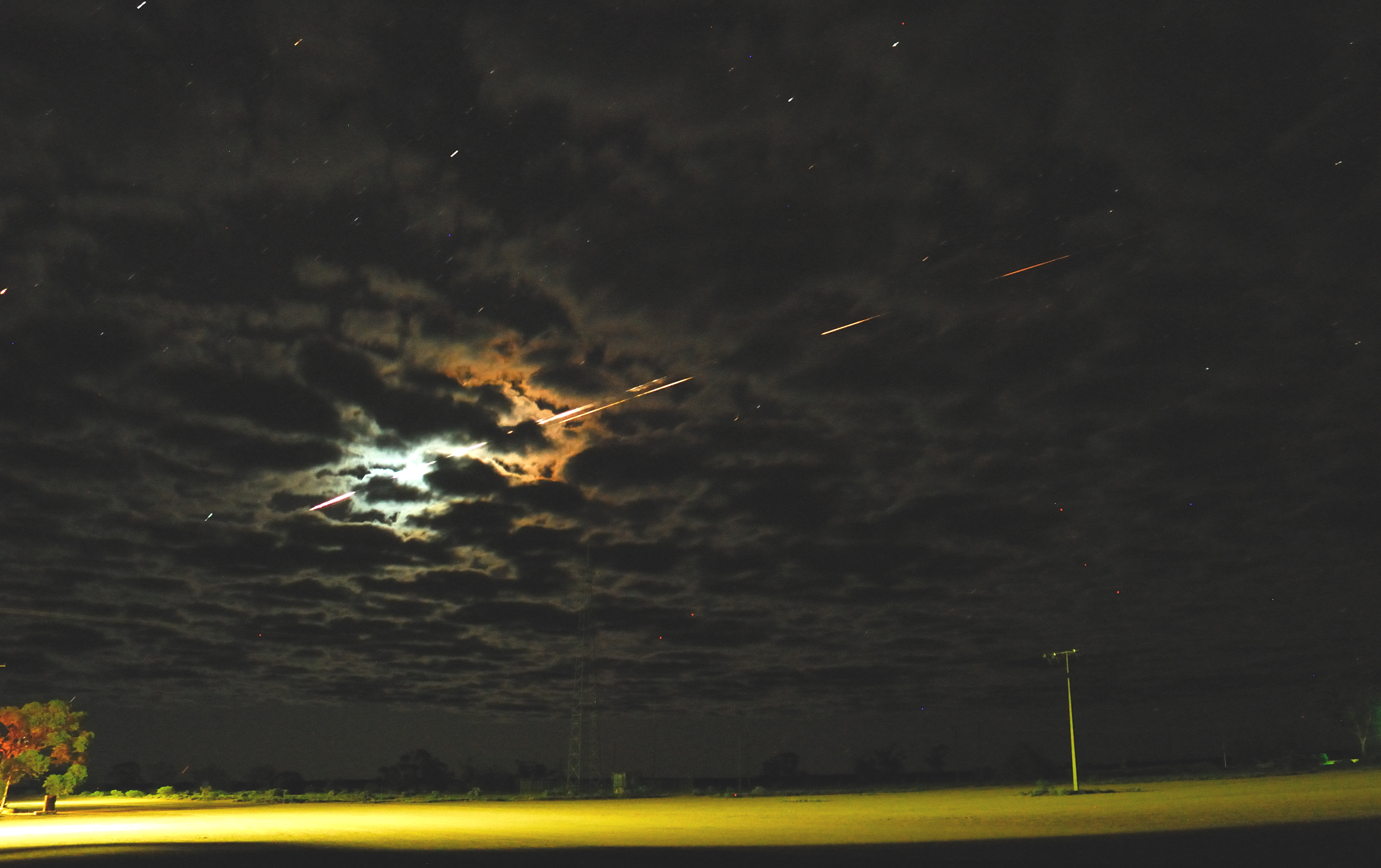
Sixteen years ago today, a fireball tore across the Australian outback. Most of it was a dying Japanese spacecraft burning up after a seven-year ordeal. The bright dot racing ahead of the wreckage was a capsule holding the first grains of an asteroid ever returned to Earth.

Today's briefing covers the U.S. Space Force's substantial investments in commercial satellite services, a strategic military shift, Chinese space station upgrades, and NASA's policy changes.

SpaceX concludes a wet dress rehearsal for Starship Flight 7, aiming for the largest rocket launch on January 15 after weather delays.

For nearly two decades, the U.S. Air Force and Space Force have been the world's unofficial civilian space traffic control system. The Department of Commerce's Traffic Coordination System for Space (TraCSS) is now taking over that job for commercial satellite operators - in stages, against persistent congressional pressure to kill the program, and with Department of Defense advocates pushing to make it happen before it is too late.

AST SpaceMobile's BlueBird constellation is a bet that raw aperture size wins. Each satellite unfolds a 64-square-meter phased-array antenna in orbit, the largest commercial antenna ever deployed. The company claims a stock smartphone on the ground can connect directly to it. The competition says the physics doesn't support that. Seventeen satellites in and a contract with AT&T, Verizon, and Vodafone, somebody's math is wrong.

SpaceX continues to make waves with record launches and emerging challenges in its lunar endeavors. A new launch site on the West Coast promises to ramp up capacity, even as the Falcon 9 prepares for its eventual retirement.