


Space Brief 14 Dec 2024
Today’s Space Brief covers significant developments such as SpaceX’s latest Starlink launch, the US Space Force testing modular satellite technology, and key long-range missile tests by the Pentagon.



Launch Date
December 2, 1992
Launch Site
Launch Pad
LC39A
Launch Vehicle
Space Shuttle
NORAD ID
28530
International Designator
1992-086G
Decay Date
Unknown
Name
USA 89 R/B DEB
Alternative Name
deb USA 89 PKM
Type
Status
Owner
AFSMC
Country
United States
Constellation
N/A
Related Satellites
Major Events
N/A
Length
0
Diameter
0
Span
0
Dry Mass
0
Launch Mass
0
Shape
N/A
Radar Cross Section
Unknown
Visual Magnitude
Unknown
Color
Unknown
Material Composition
Unknown
Payload
Unknown
Purpose
Unknown
Mission
Unknown
Manufacturer
Unknown
Life Expectancy
Unknown
Bus
Unknown
Configuration
Unknown
Motor
Unknown
Equipment
Unknown
Power System
Unknown
ADCS
Unknown
Transmitter Frequency
Unknown
Learn more about satellites and other related topics.
Today’s Space Brief covers significant developments such as SpaceX’s latest Starlink launch, the US Space Force testing modular satellite technology, and key long-range missile tests by the Pentagon.

Today's briefing covers strategic military developments including missile defense proposals and board realignments, intertwined with rising space defense exports and autonomous launcher progress.

DARPA's robotic satellite servicing mission targets GEO orbit by summer 2026. NASA adds six SpaceX crew missions as Boeing Starliner remains uncertified.
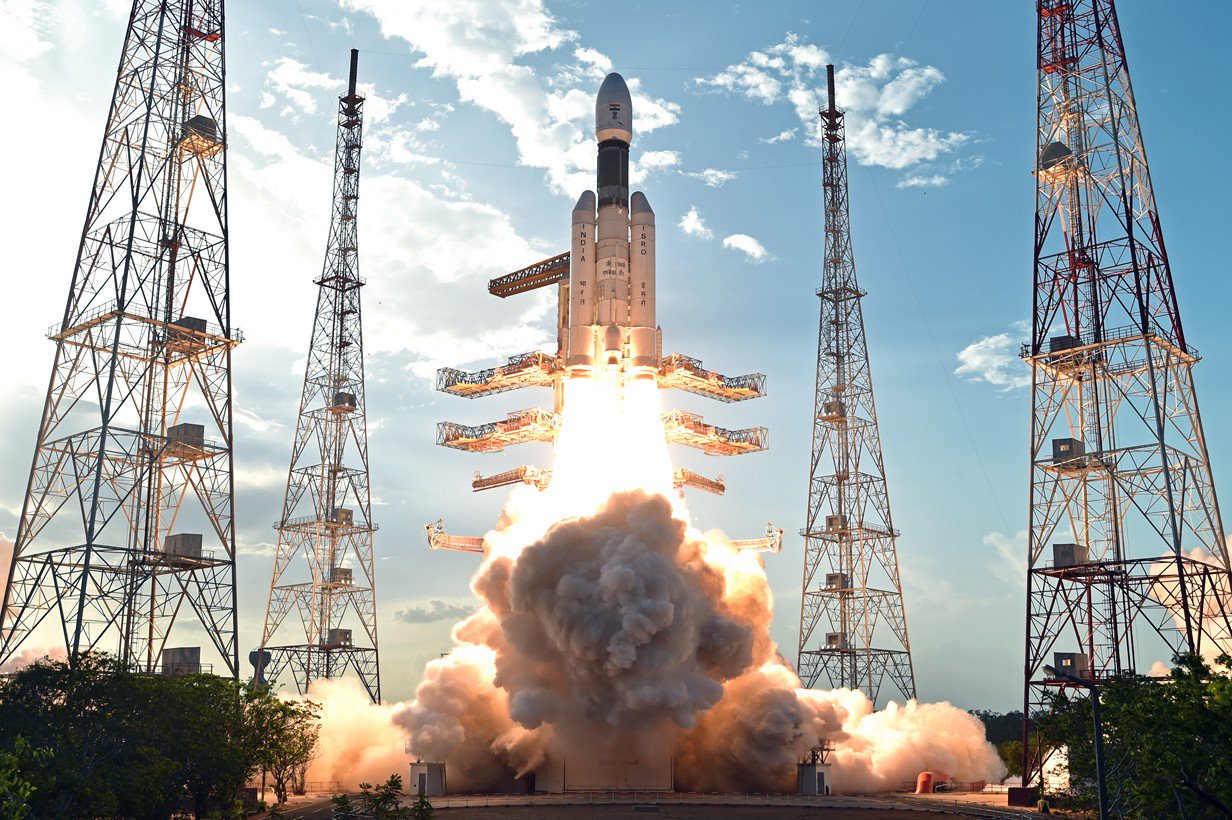
Today's updates cover Rocket Lab's launch for the U.S. Space Force, Digantara's major funding round, and discussions on national security in space.

Space debris poses a mounting threat to both satellites and space missions. As we send more objects into orbit, the likelihood of collisions and subsequent breakups producing dangerous space debris increases. Recognizing the major events that have generated this dangerous space junk is pivotal in ensuring the safety of future space missions.

SpaceX unveils Stargaze space situational awareness system during 13th launch of January. Reports surface of SpaceX-xAI merger talks ahead of potential IPO. Dual-coast Starlink launches from CA and FL.
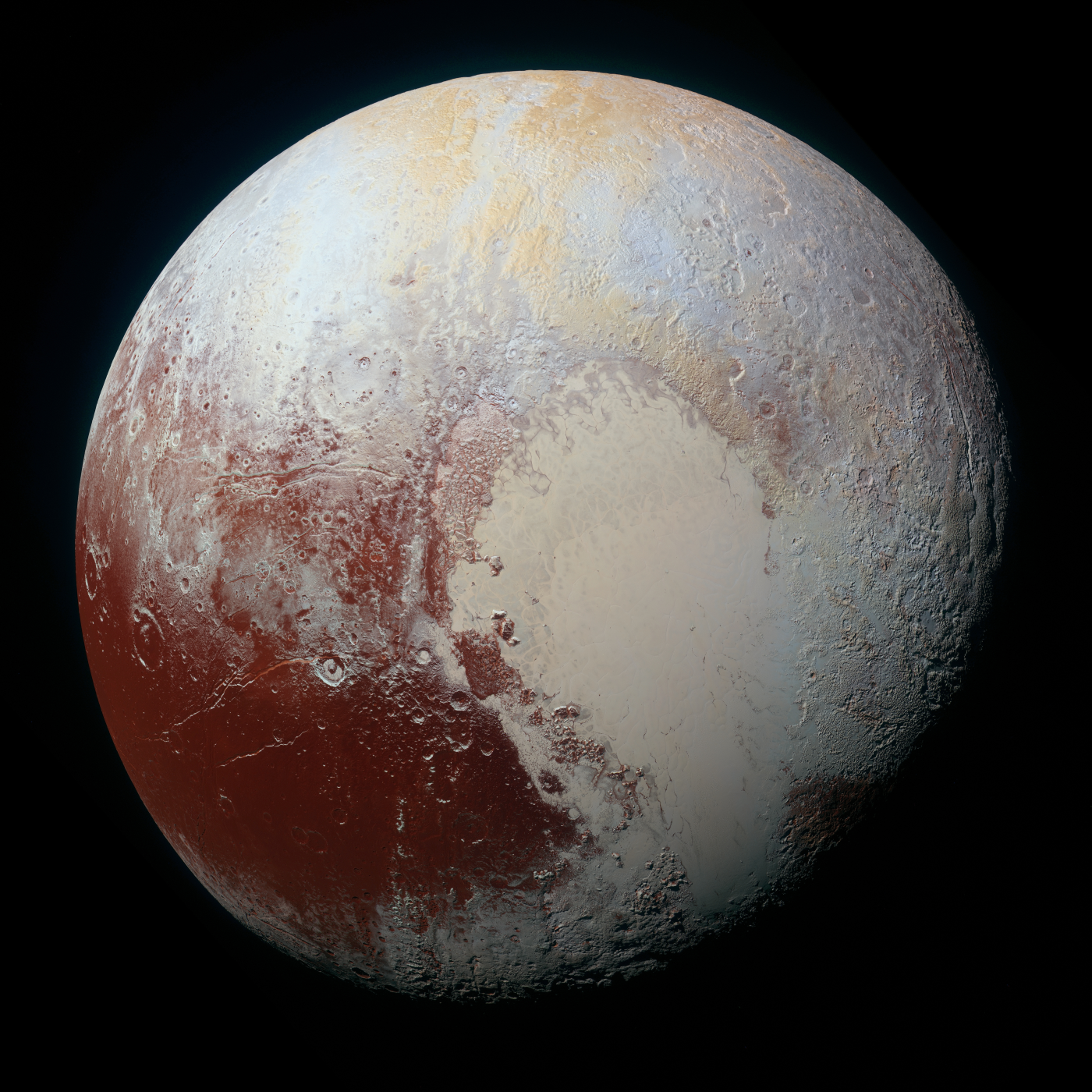
Ninety-five years ago, a 24-year-old astronomer with no college degree made one of astronomy's most remarkable discoveries, finding a new planet that would challenge our understanding of the solar system
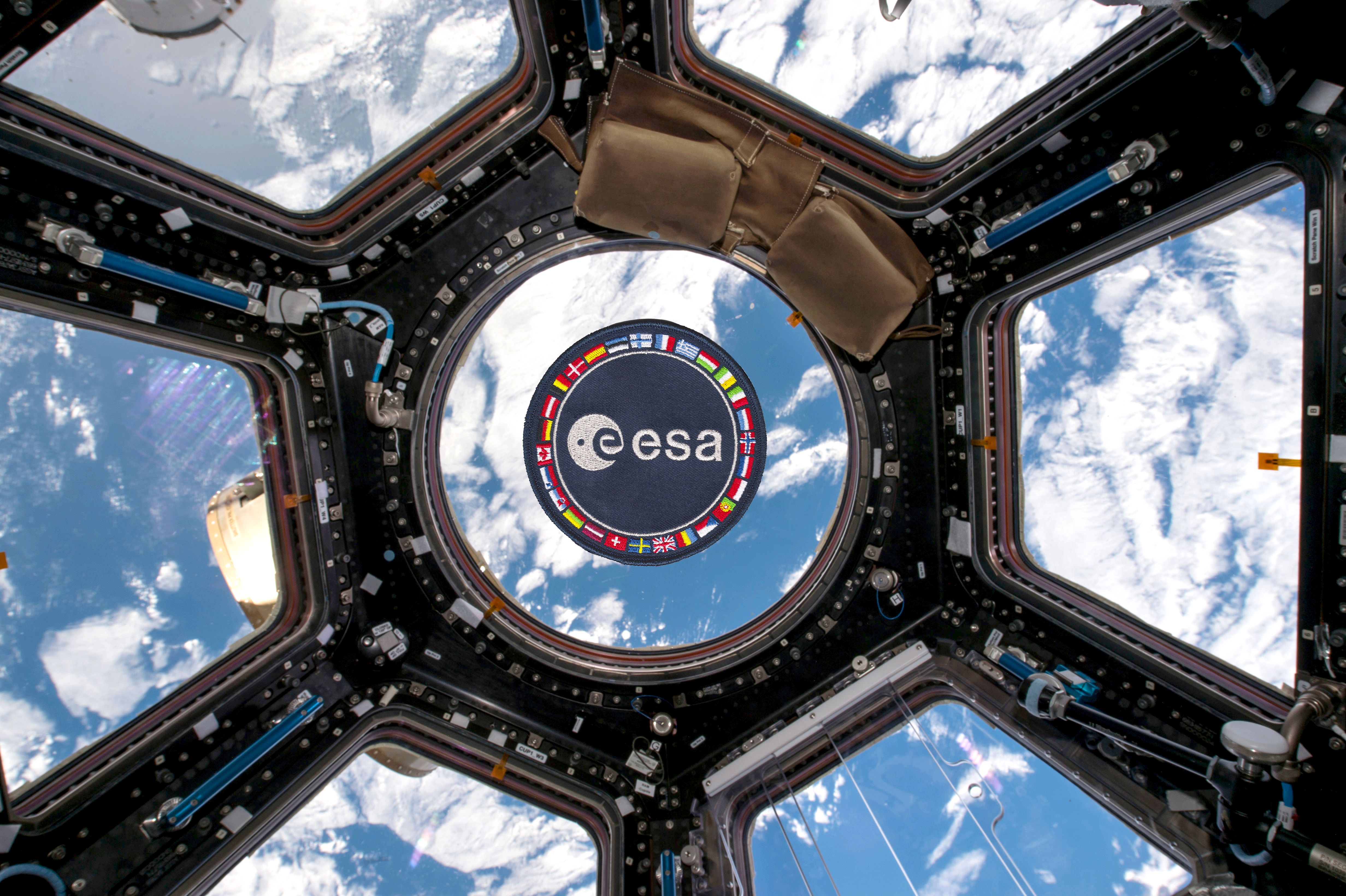
Kratos awarded $447 million Space Force contract for Resilient Missile Warning Tracking ground ops center in Medium Earth Orbit, shifting missile detection away from vulnerable GEO satellites.